Blog
Rugs made without knotting
There are two main types of rugs and woven textiles made without knotting. Textiles produced using these methods generally require less material and less labour.
Kilims (Kelims)
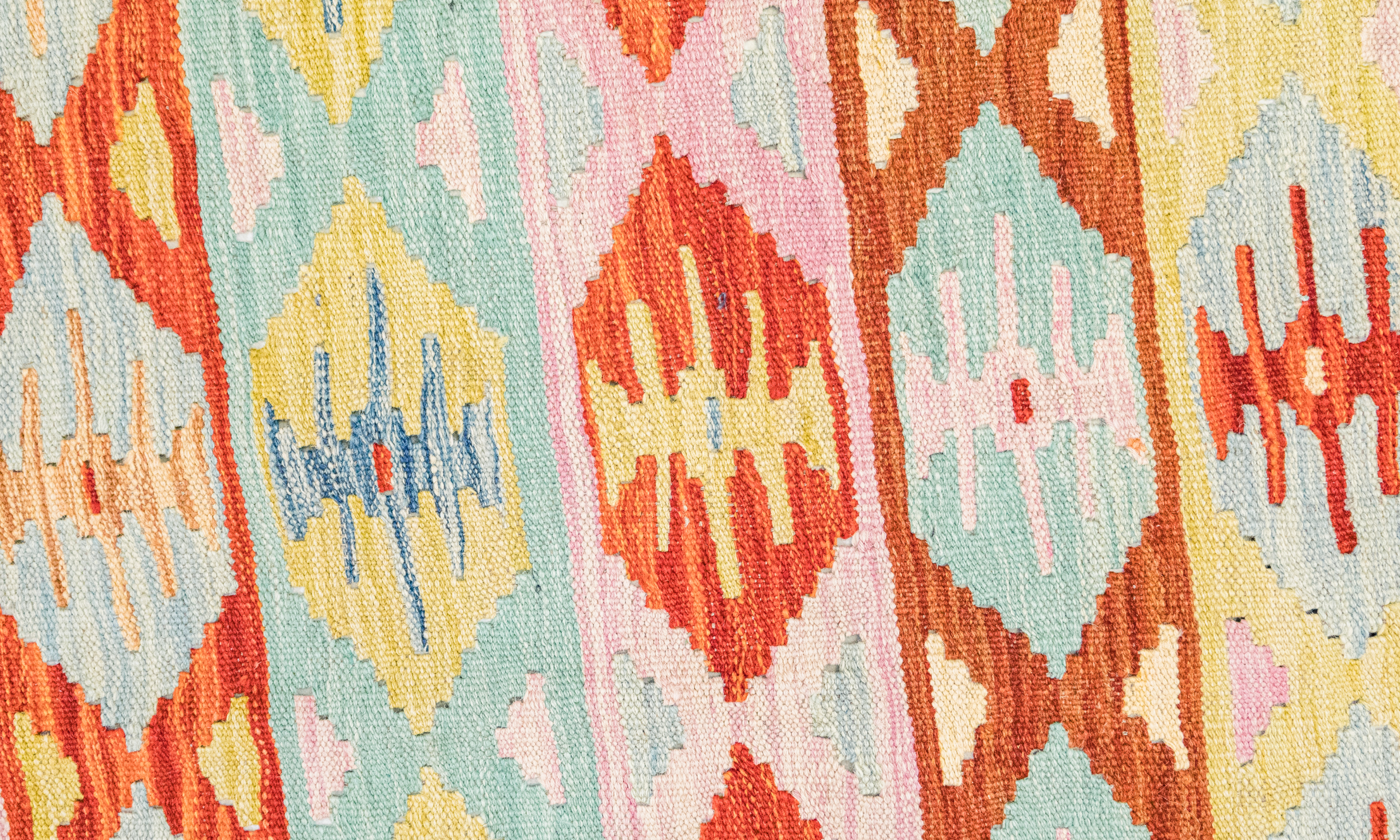
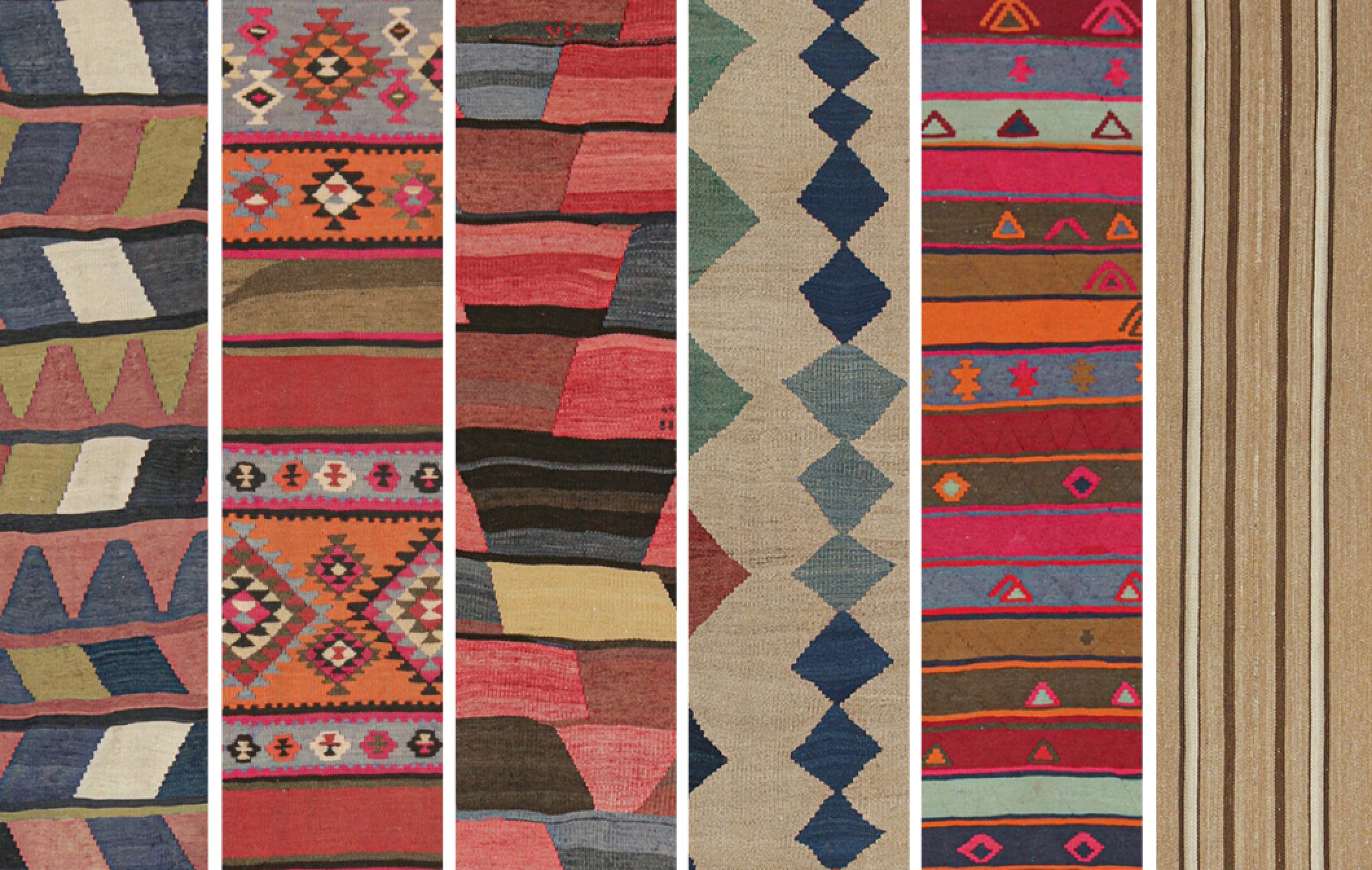
One of the most common types of woven rugs is the kilim, also known in some usage as a kelim. At least two yarn systems are used in their construction: the warp, which runs lengthwise, and the weft, which runs across it. These textiles are considerably lighter than knotted rugs, which makes them more suitable for certain uses in nomadic life.
A good example is the slit-weave technique. In this method, the weft threads do not continue across the full width of the fabric. Instead, they stop or turn back according to the colour or design area, leaving small unjoined slits in the weave.
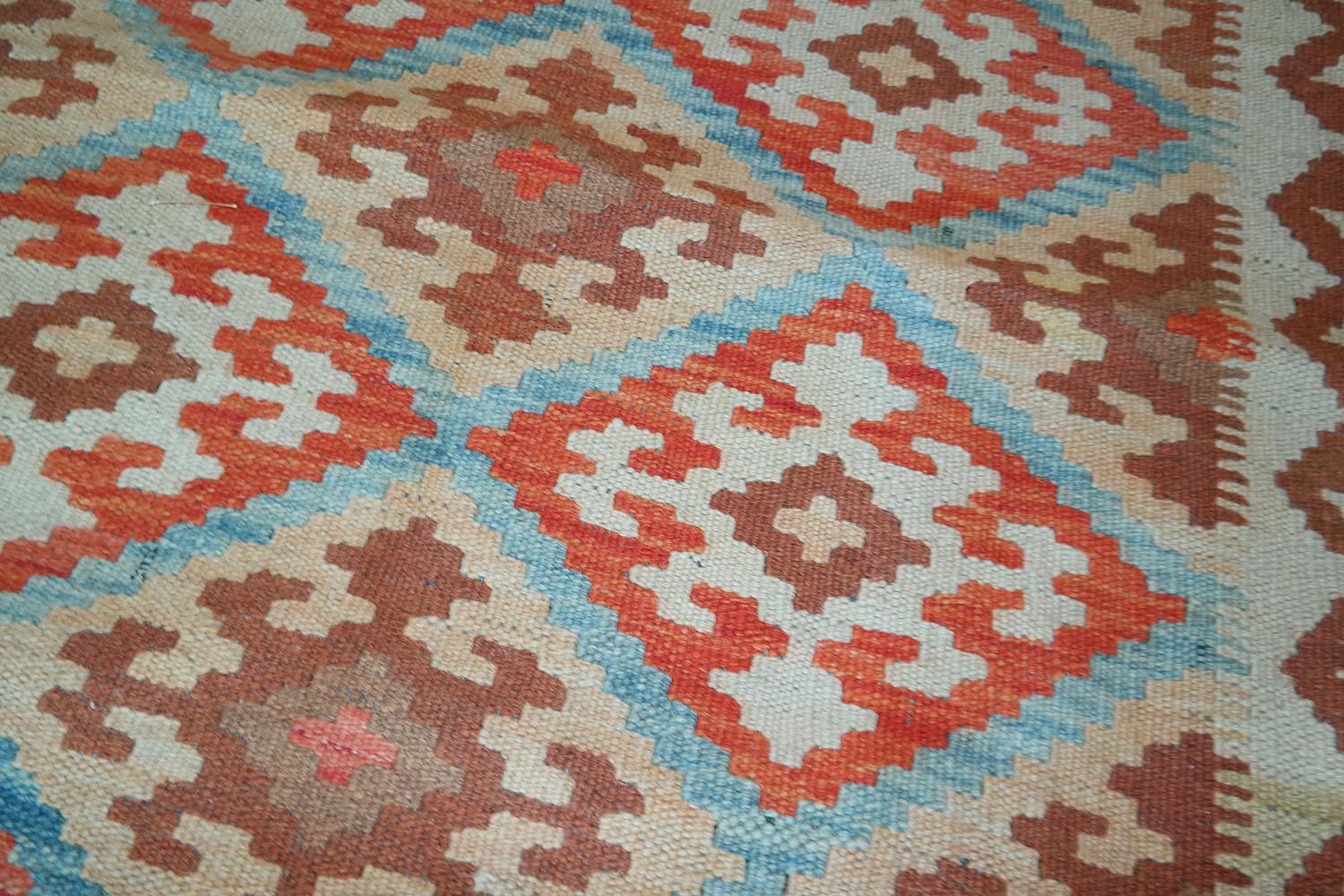
This method produces a more practical textile for warmer climates because the vertical gaps, or slits, allow better ventilation. However, these gaps can also make the fabric slightly weaker. To avoid slit weaving and achieve a denser structure, different methods have developed across countries and regions. In Afghanistan, for example, special patterns or techniques that connect neighbouring woven sections are used. In Turkey, a shared warp thread is often introduced. New methods for modernising slit weaving continue to appear, especially in present-day Iran, including the Shiraz region. It is also worth noting that one of the best-known types of European handwoven rug became known as the Torontál rug.
SOUMAK
Another common type of woven rug is the Soumak. According to tradition, the Soumak technique originated in the Caucasus, and its name may derive from a former settlement that was destroyed in a sandstorm. A typical feature of this method is the wrapping of the warp threads. The weft passes over three or four warp threads, then under one or two, before turning back in the original direction and continuing across the weave.
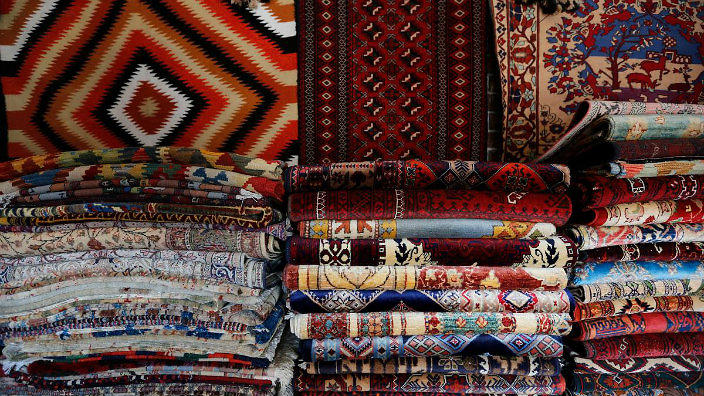
Perhaps the most common Soumak method uses a herringbone pattern, with each row worked alternately from the opposite direction. This creates one of the strongest weaving structures and therefore offers excellent durability and a long lifespan. Soumak rugs also often combine this technique with other weaving methods.