Chapters from the true history of oriental rugs VI

Tribal rugs often serve as valuable assets and may remain stored for decades. Urban workshops, however, make rugs for sale according to current fashions and market demand. Master weavers create true works of art, yet they receive modest wages while rug prices continue to rise.

It may seem unbelievable, but many people living in tribal communities still do not have bank accounts. Instead, they store rugs as a form of wealth. They can sell them whenever they need money or capital.

Rug makers do not usually plan to sell their work as soon as they finish it. They often keep the rugs rolled up for at least ten years before parting with them.

The situation is very different with rugs made in cities.
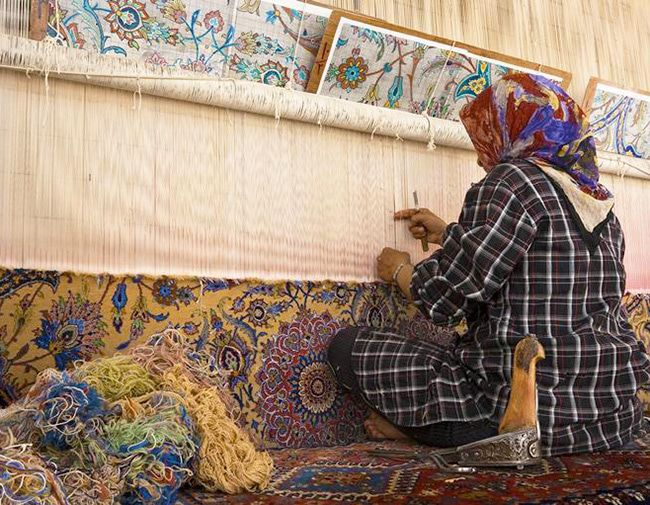
iranian-woman-weaving-persian-rugs-nazmiyal-antique-rugs.jpg.optimal

These rugs are not made at home. Workers produce them in factories, or more precisely, in workshops. They make these rugs specifically for sale. Current fashions determine their colours, sizes and designs.

The weavers work under a supervisor. The supervisor may also call out the pattern to the workers seated in front of the loom. To an untrained ear, these rhythmic instructions may sound like singing. They might follow a pattern such as: “one red, three yellow, one blue”.

When the supervisor finds a mistake, the workers undo that section and knot it again. True master craftsmen stand at the highest level of rug making.

6045132933_81c2336709_b

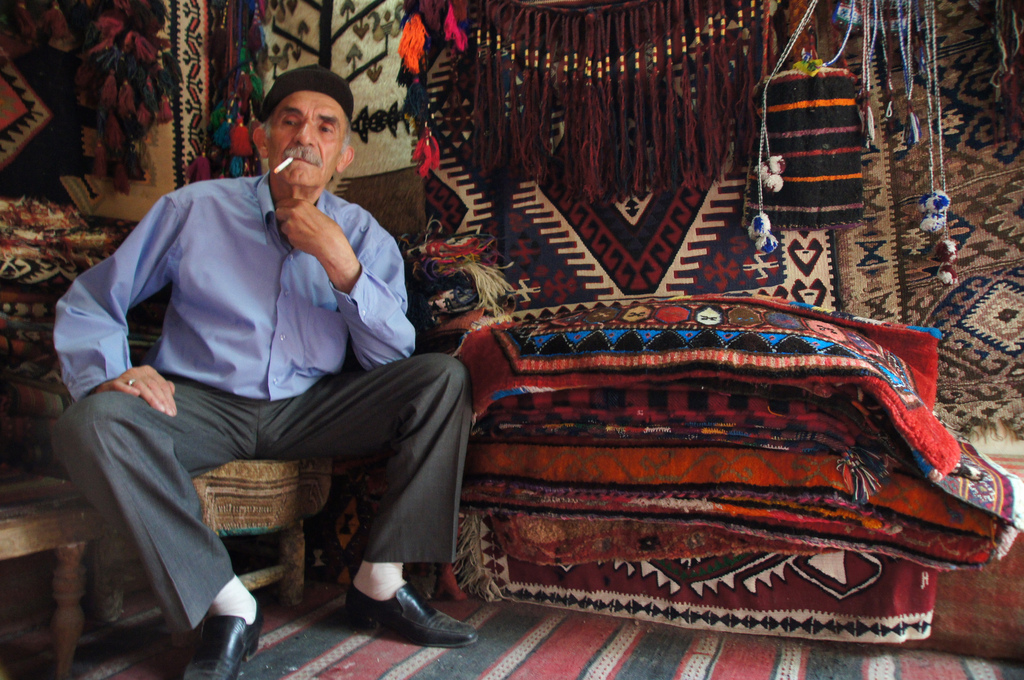
They also work in cities, but they set up their looms at home or in private workshops. Their rugs deserve recognition as works of art, and the masters often sign them. These pieces command high prices on the market.

The work requires great patience and takes a long time. A single rug may take years to complete. Despite this, weavers still earn relatively modest wages.

Demand continues to exceed supply, so prices keep rising.

/To be continued/

Source: Kunvári Antal
Former member of staff at Kabiri Carpet
Szeretne elsőként értesülni a legújabb híreinkről és linformációinkról?

Cikkeink hasonló témában

Aktscha rugs – Warm-toned classics of Turkmen tradition

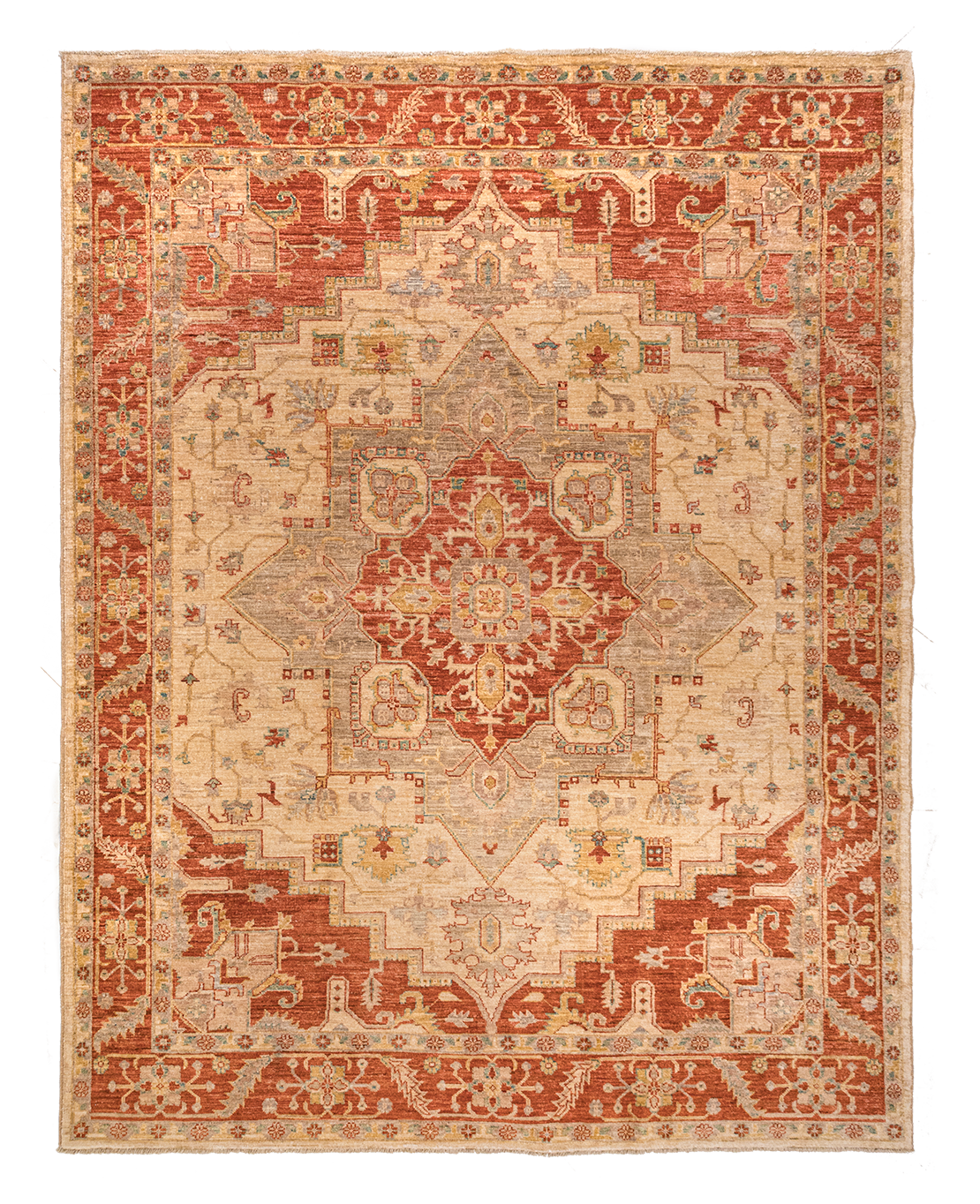
Aktscha rugs are a living expression of Turkmen nomadic traditions, with every knot carrying the heritage of Central Asian rug culture. Their deep red ground and traditional gul motifs create a bold yet harmonious visual character. Each piece brings individuality and a sense of history into the home.

2-ply and 3-ply Pakistani rugs – Soft wool and harmonious oriental patterns

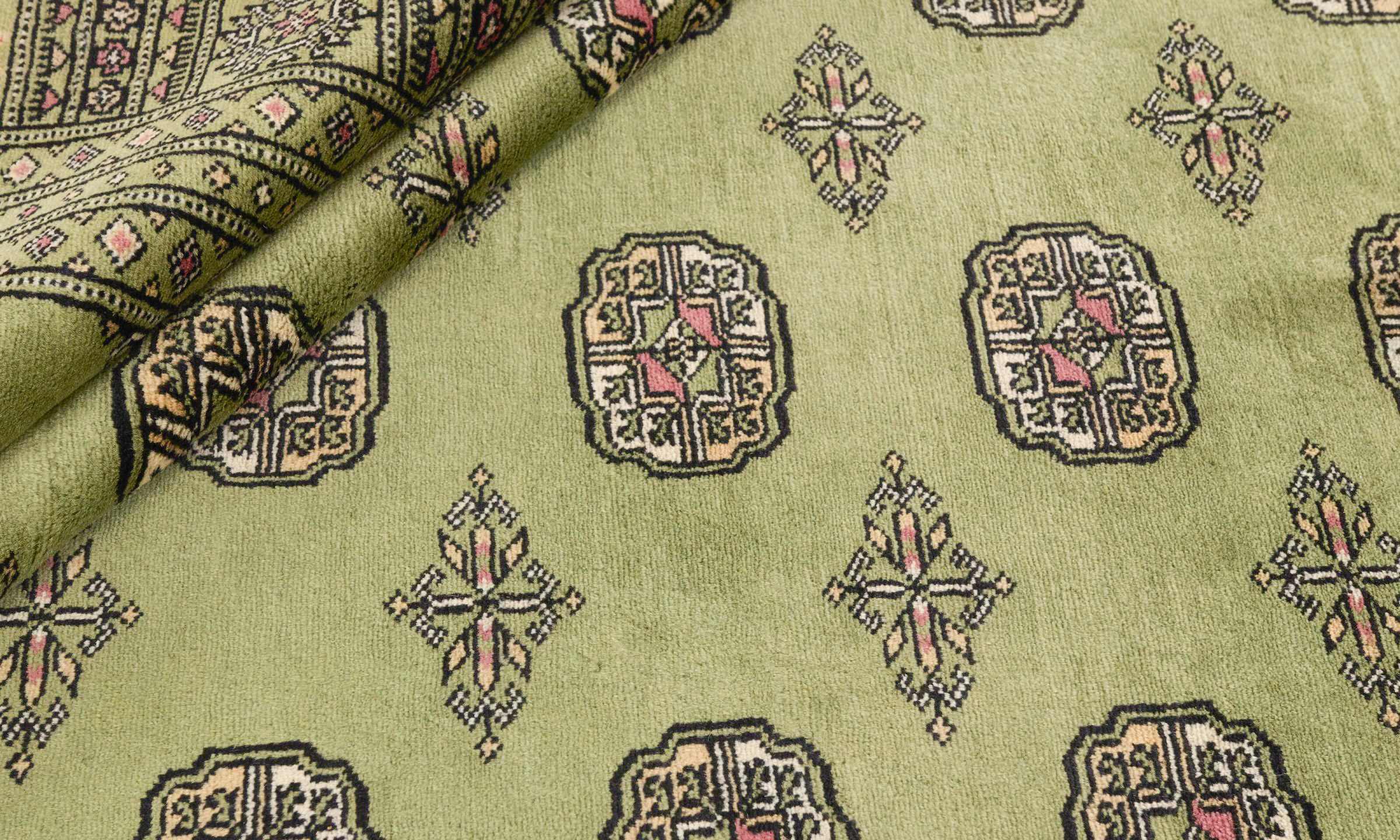
These rugs carry forward the refined legacy of Central Asian nomadic traditions, where the orderly simplicity of Tekke and Bokhara patterns meets Pakistani craftsmanship. Their warm colours and soft wool create a cosy, balanced atmosphere.

Afghan kilim rugs – Ancient nomadic weaving traditions in modern homes

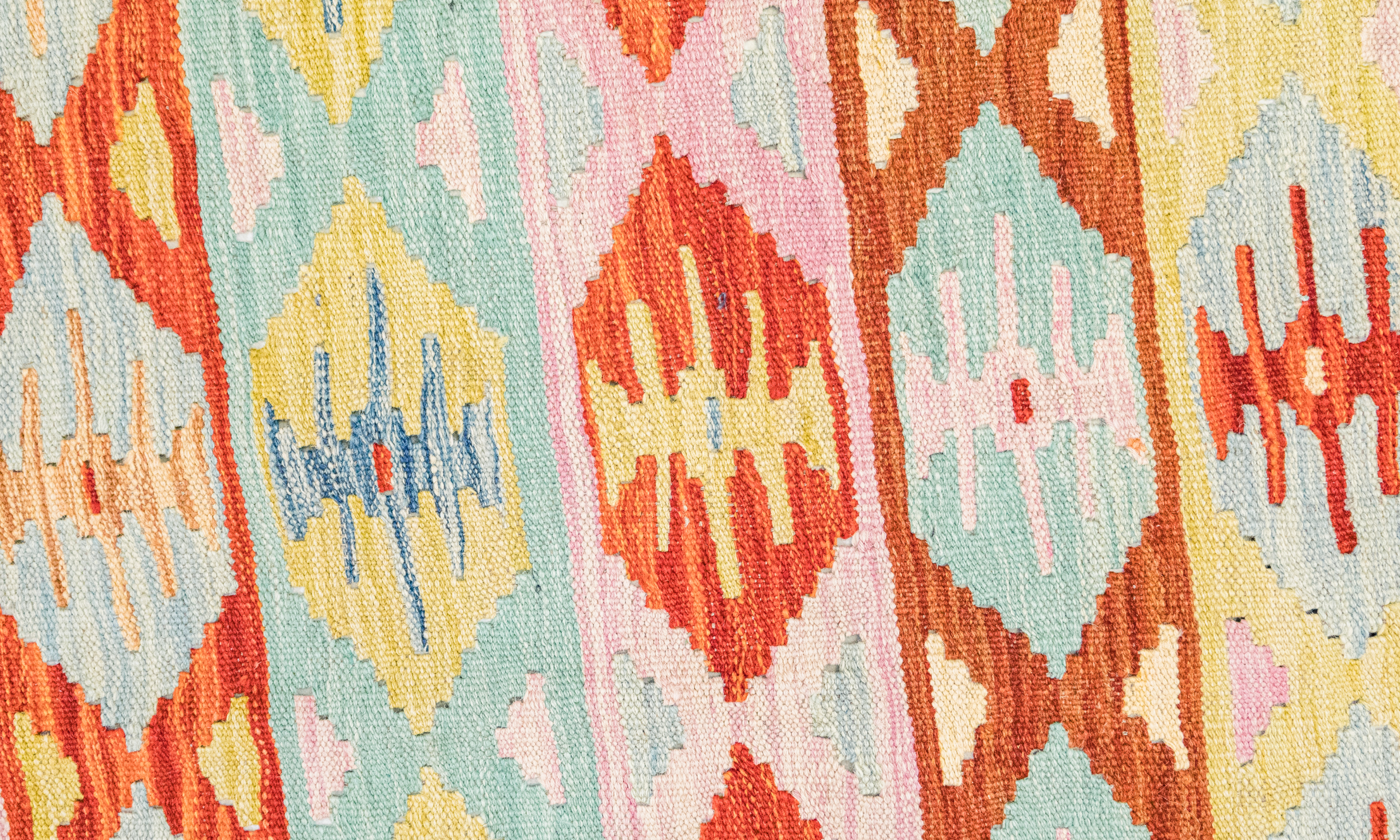
Afghan kilim rugs represent one of the oldest forms of Eastern nomadic weaving tradition, featuring a flat, reversible construction and geometric patterns. Durable and easy to use, their natural materials make them a timeless choice for both modern and classic interiors.

Ezek érdekelhetnek még

Ez is érdekes lehet

Oriental Gabbeh rugs – The world of nomadic minimalism and natural craftsmanship

×
×

Cart