Blog
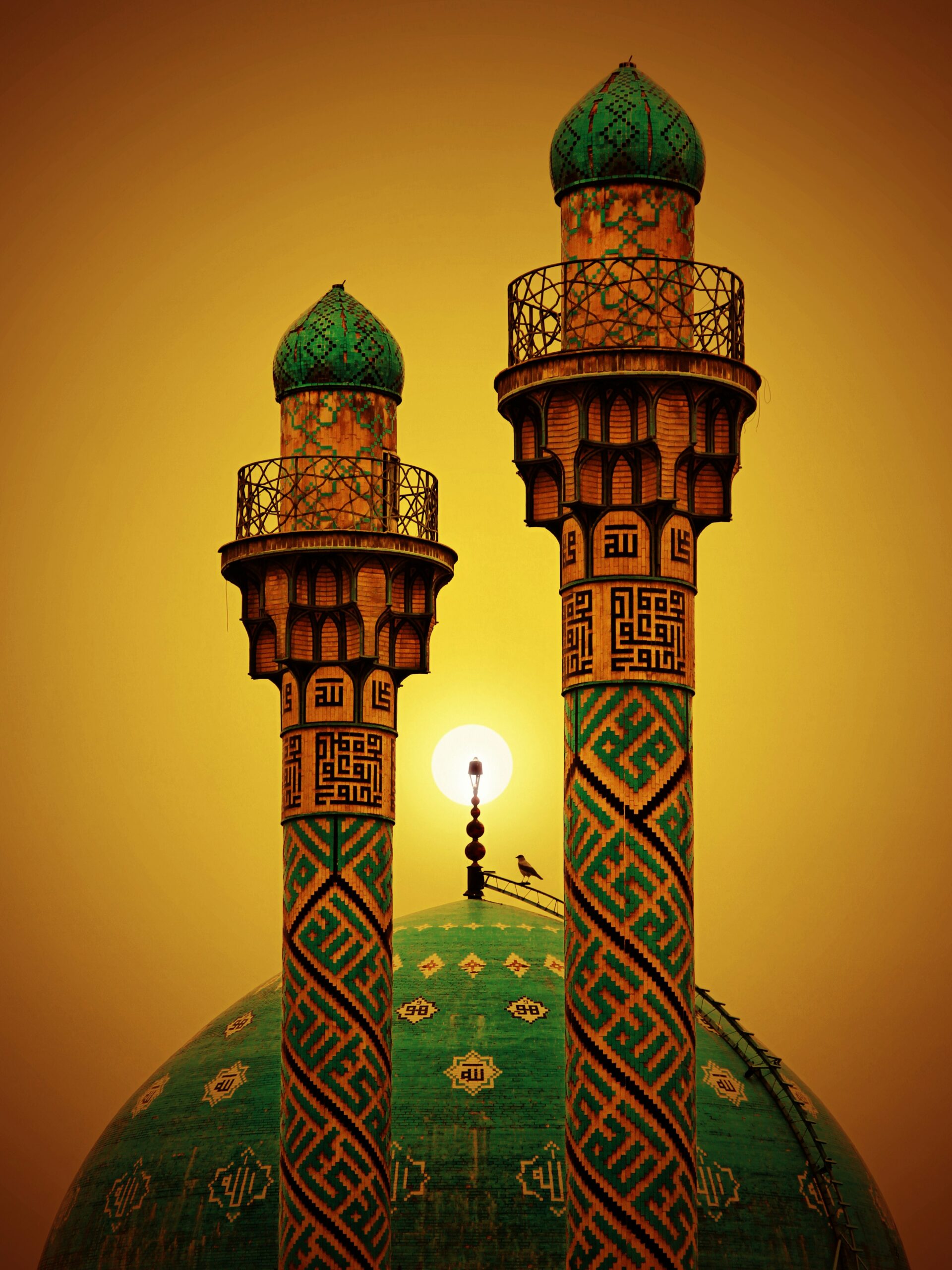
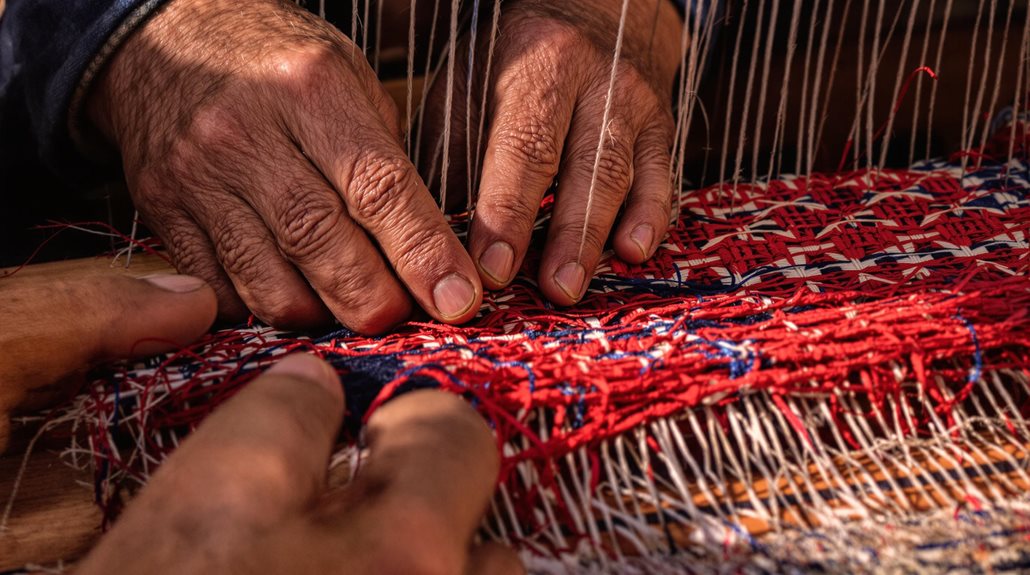
The mystery of the images. Pattern and colour form an important part of the weavers’ lives. They work instinctively, drawing unconsciously on traditions passed down through oral culture, while also relying on their natural sense of beauty as they create these magnificent rugs. Yet weaving is also a living art that reflects the individual character of its maker. This ancient craft carries a rich system of symbols and motifs, which has attracted particular interest among Western researchers.
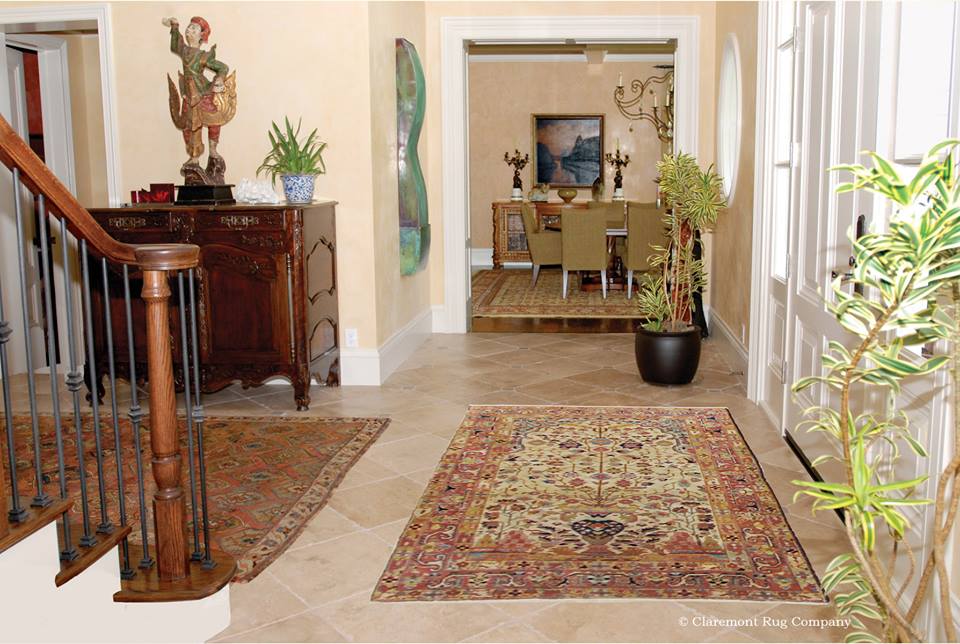
Compared with the thousands of different rug types produced in Persia, it is striking how few basic motifs are actually used. The best-known is the Herati pattern. Despite its many variations, its underlying structure is easy to recognise: a central rosette enclosed within a diamond shape, with smaller rosettes at the four corners and elongated, spear-shaped leaves along the sides.
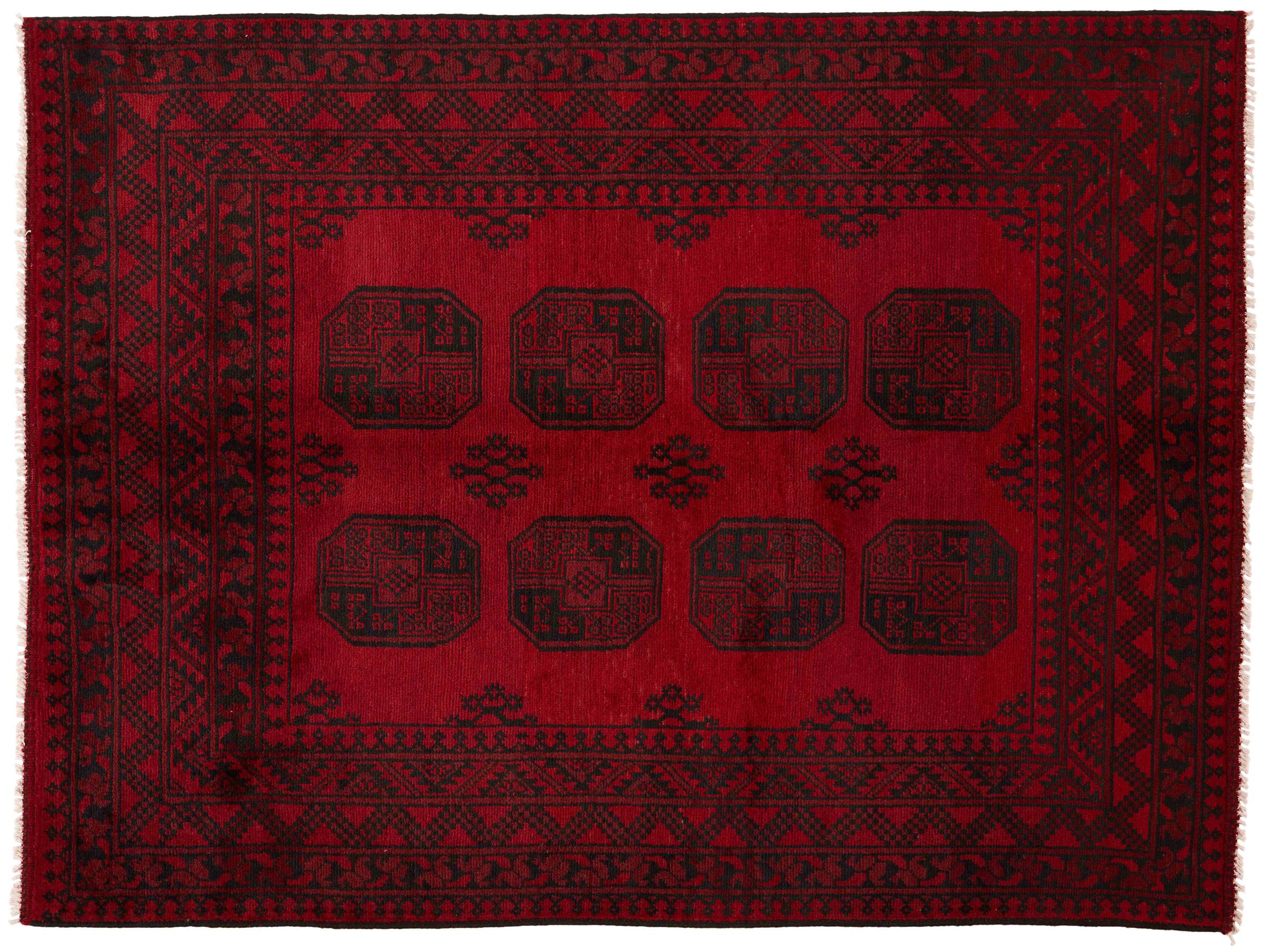
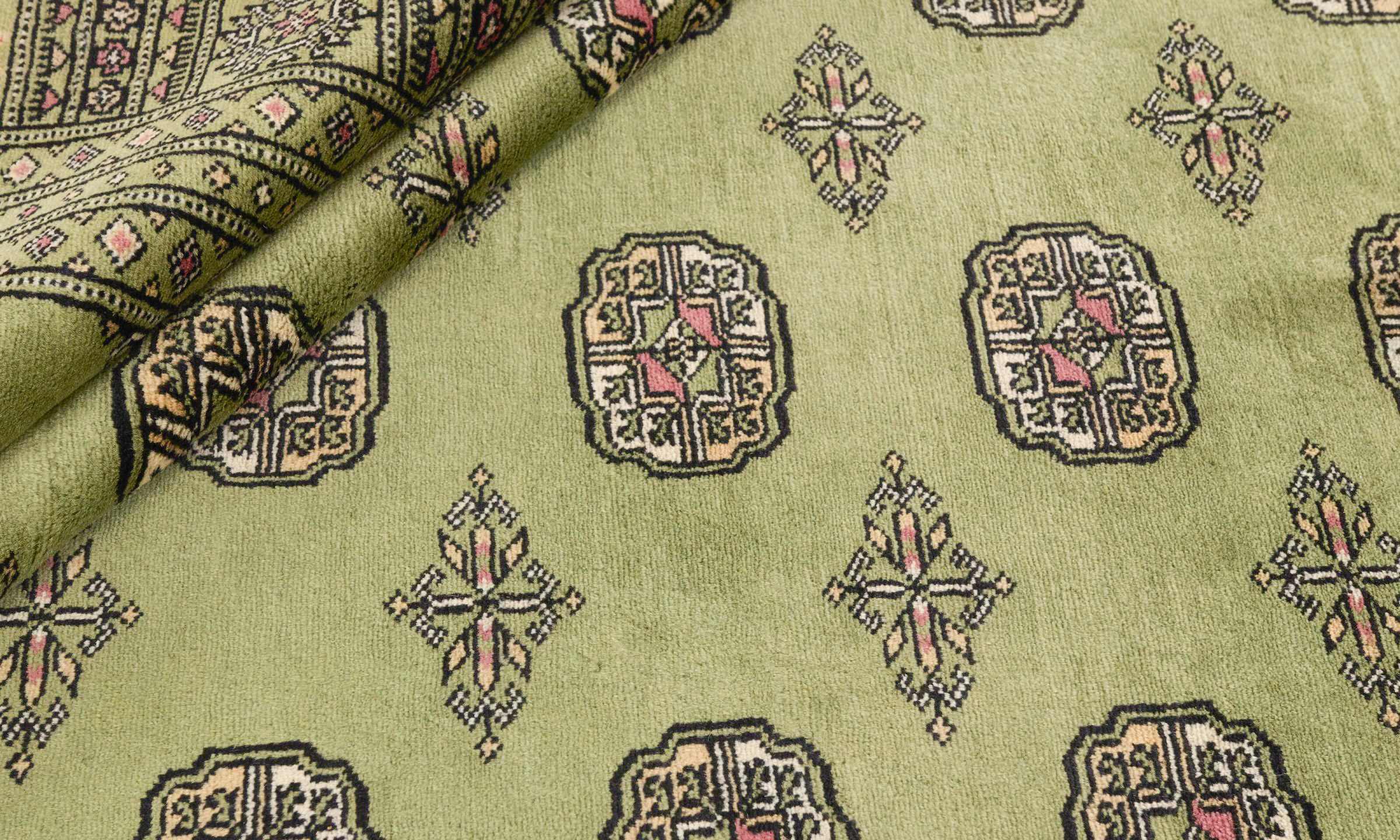
Another widely recognised motif is the gol, a Persian word meaning flower. It is a stylised, eight-sided blossom, perhaps representing a rose. The rose symbolises the Persian philosophy of life: like life itself, it is beautiful yet full of thorns, and once cut, it withers, reflecting the fleeting nature of existence.
Another classic decorative motif is the palmette. According to researchers, it may represent the seed pod of the poppy, which has long been cultivated in Persia as the source of opium.
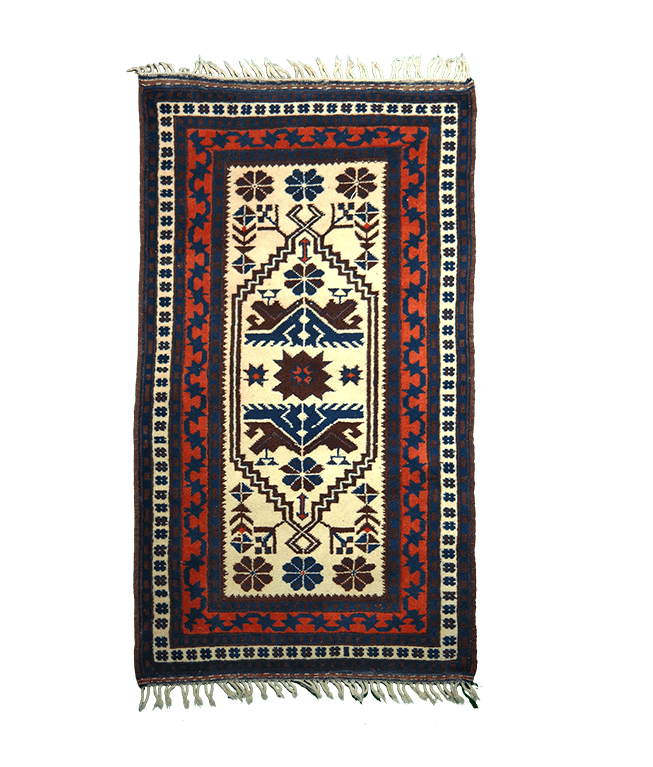
The prayer rug is one of the most widespread decorative formats. It can be easily recognised by its most characteristic feature: the prayer niche, or mihrab.
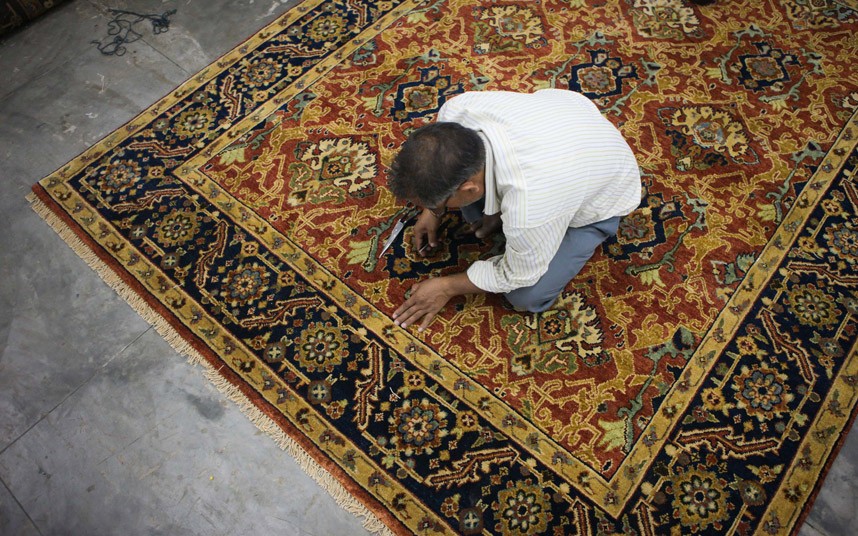
In every Muslim country, at certain times of the day, people in streets, shops and homes kneel on their prayer rugs facing Mecca to pay their respects to the Prophet Muhammad.
The prayer niche also appears on larger rugs, where it symbolises the entrance to a house and expresses a welcome to guests. It is easy to determine whether a mihrab design was intended for an actual prayer rug or added purely for visual effect: the size of the rug provides an important clue. Prayer rugs are invariably small so that worshippers can carry them easily.
Another indication can be found in the decoration itself. When the design includes birds, we can be certain that the rug was intended to decorate the home, since no religious person would kneel on images of birds while praying…
/To be continued./
Source: Jamal Abdul Naser
Owner of Kabiri Carpet