Blog
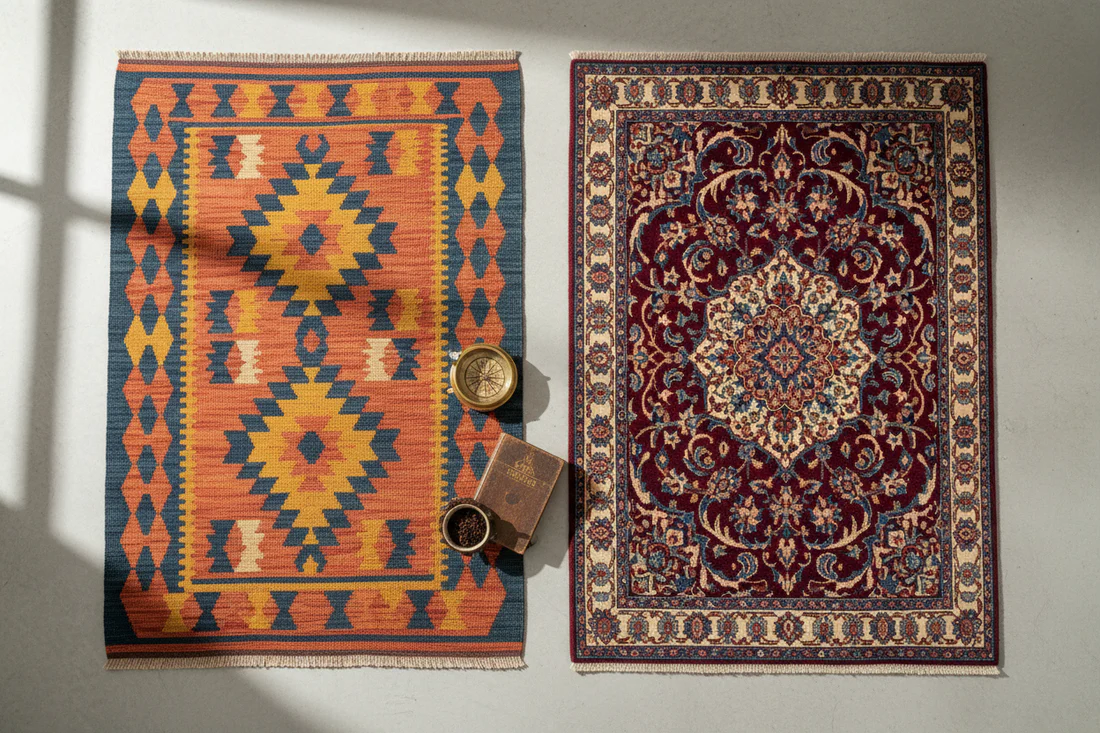
According to their weaving structure, rugs can be divided into many subcategories. The two main groups are flatwoven and pile rugs.
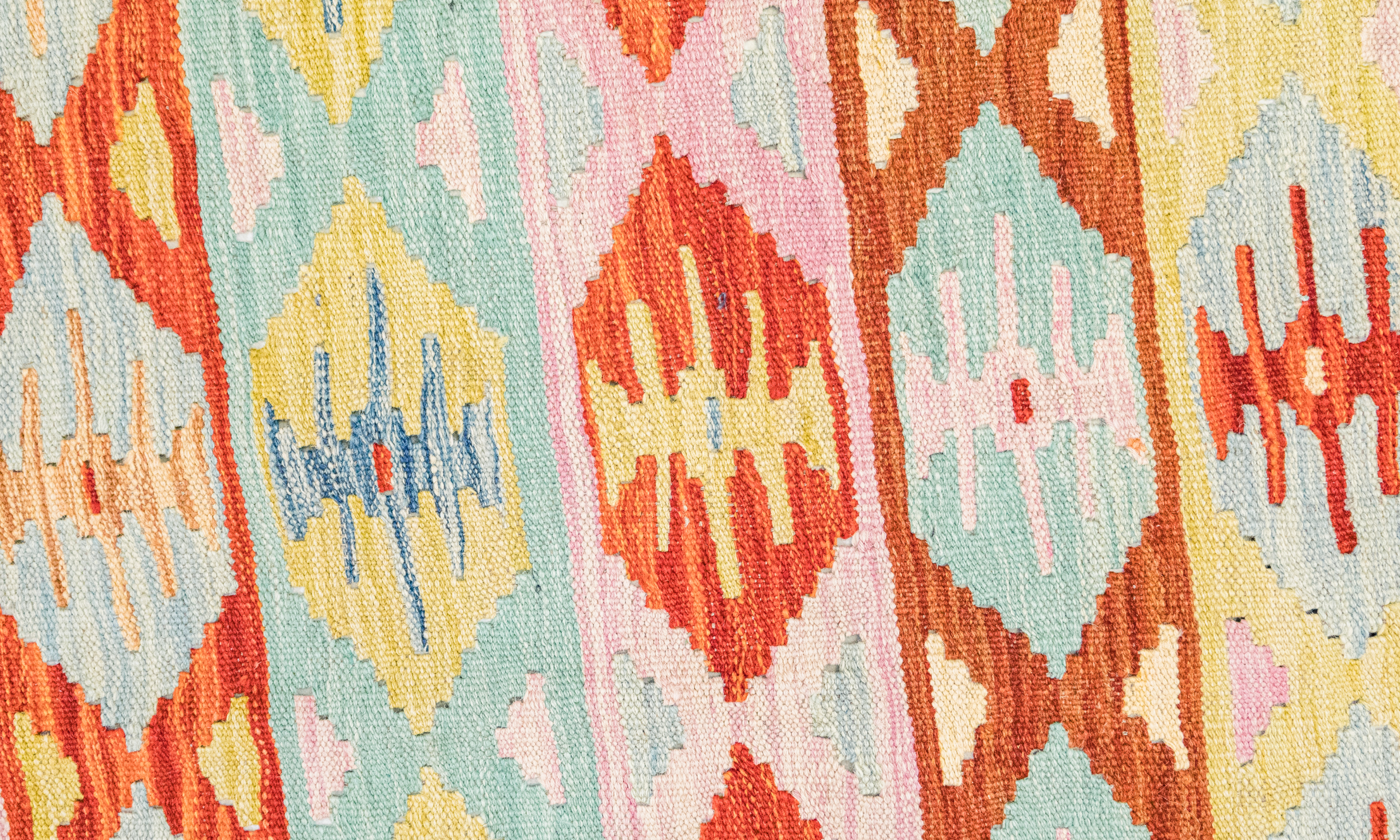
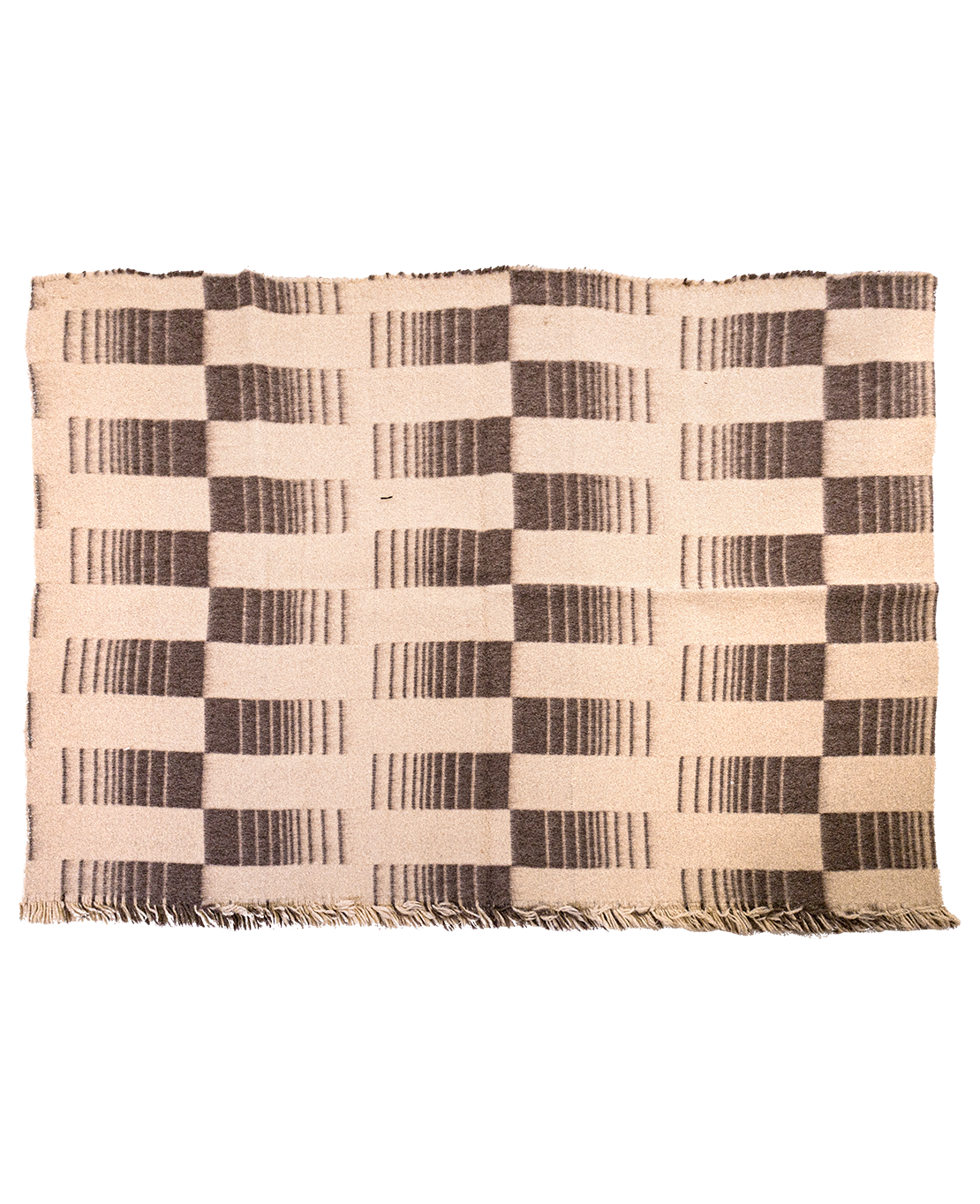
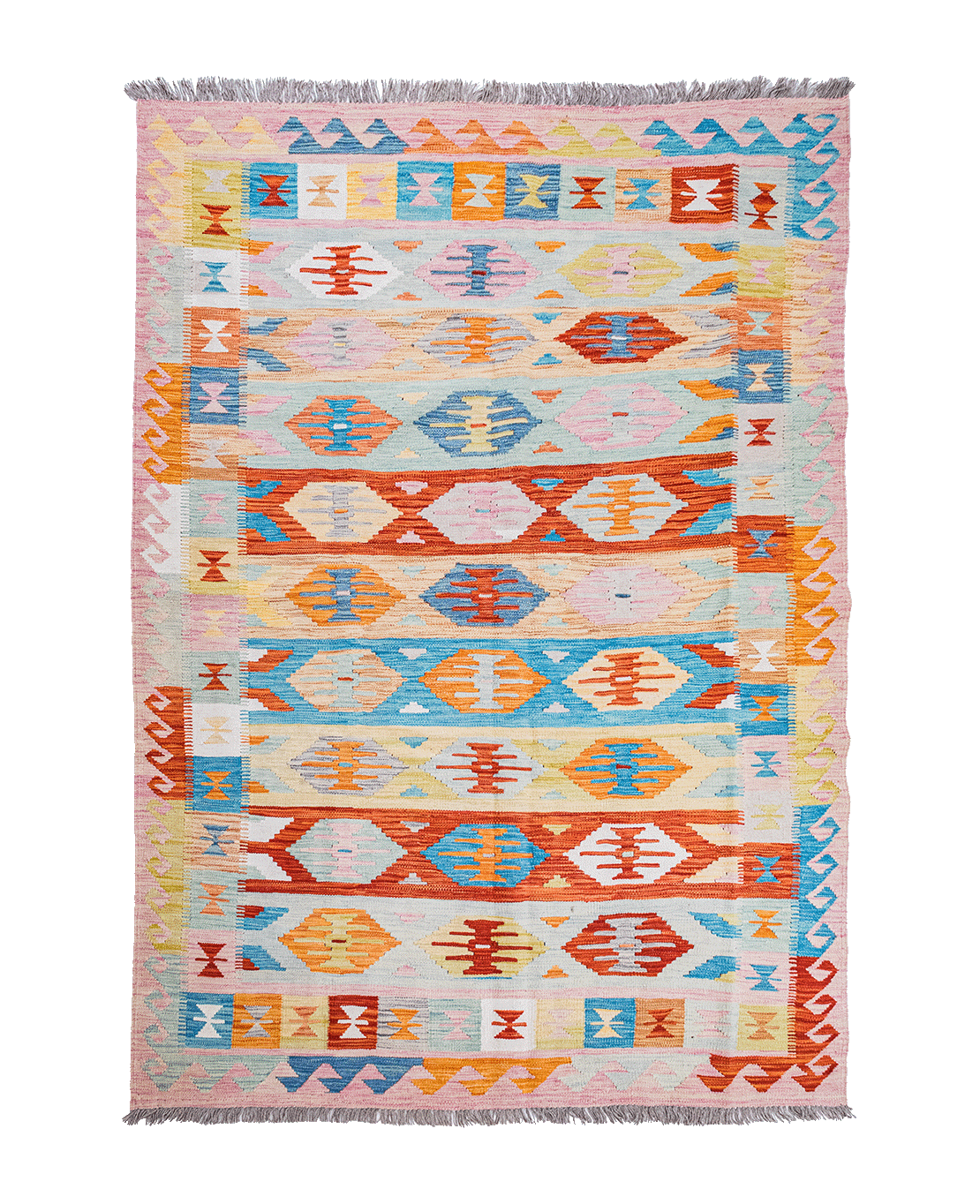
- Flatwoven rugs can be made with one warp and one weft system using plain or twill weave. They may use plied wool, jute or hair yarn, in which case the rug is often named after the material. They can also be made with two warp and two weft systems, producing what are known as Kidderminster rugs. Special types of flatwoven rugs include tapestries and the chilims traditionally used in this region, also known as Serbian rugs. In both types, the warp threads are spaced widely, while the weft is packed so densely that it completely covers the warp. As a result, both sides of the rug look the same. The patterns are created with differently coloured weft threads, which are inserted by hand between the warp threads.
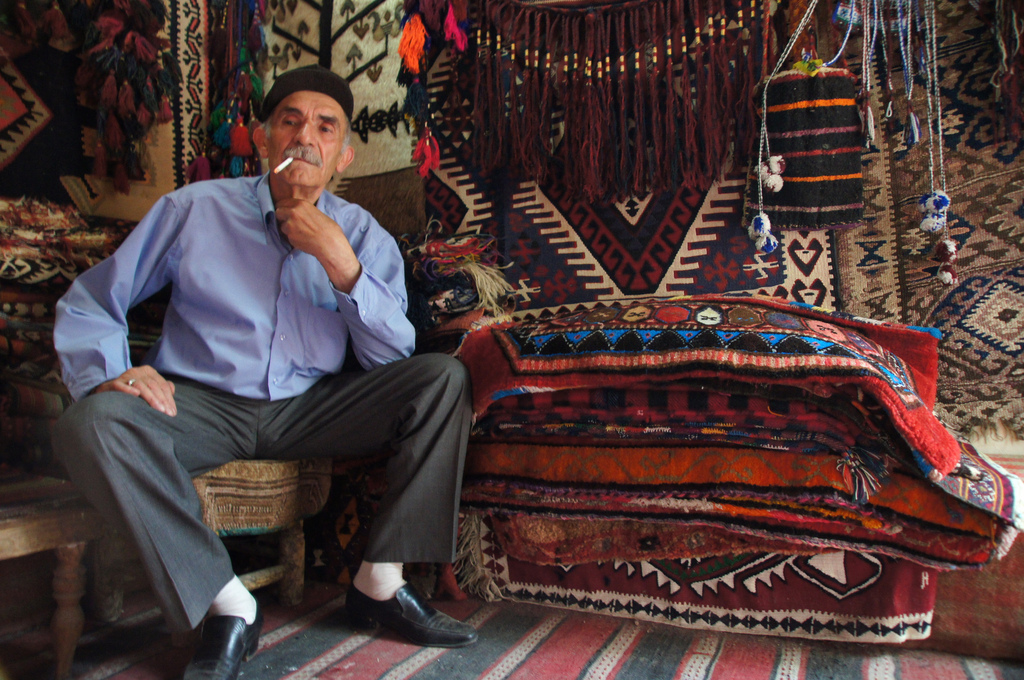
Rug seller in Istanbul
The second main group consists of pile rugs. The best-known types include:
- Knotted rugs:
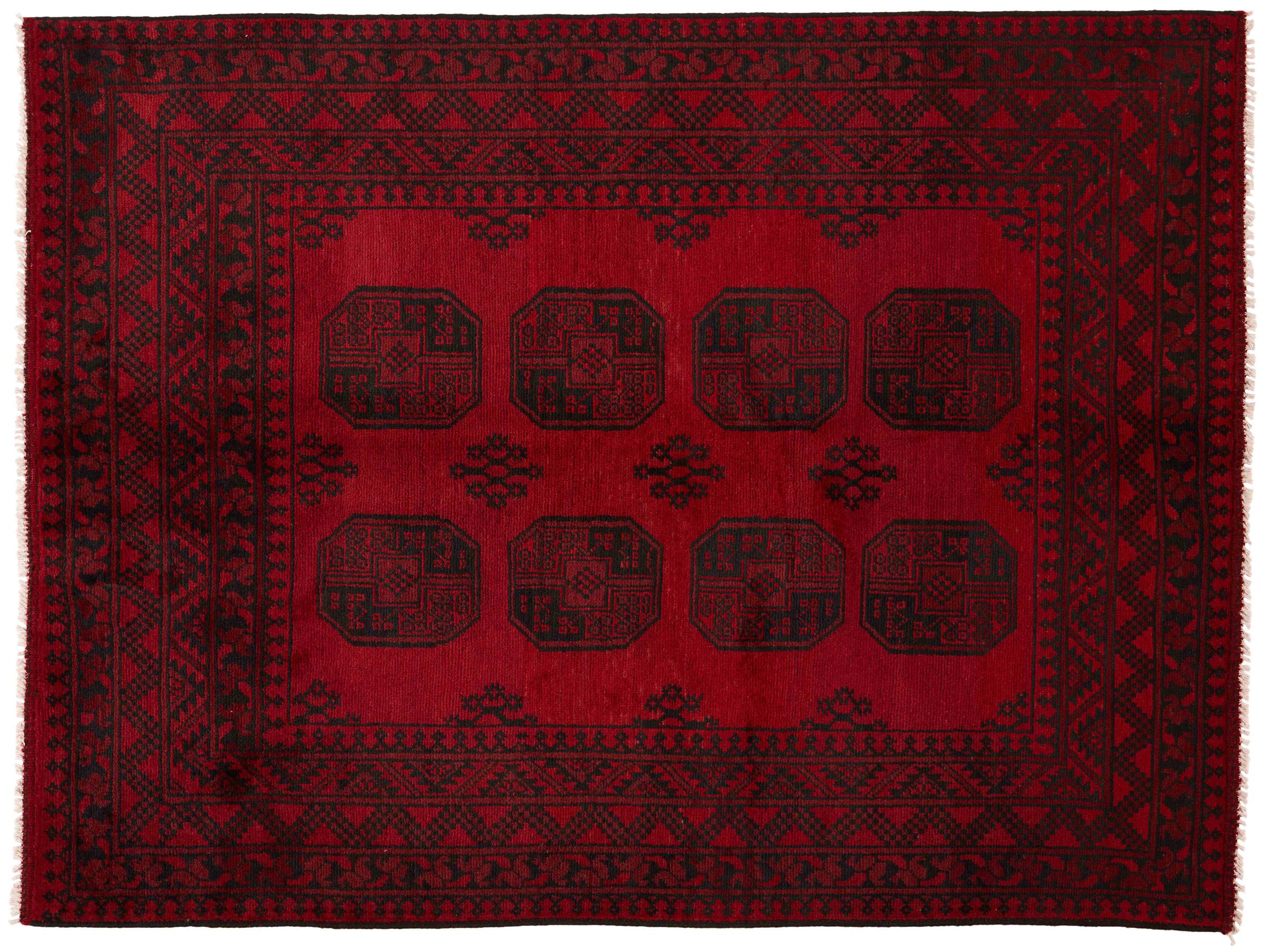
for example, Persian and Smyrna rugs.
-
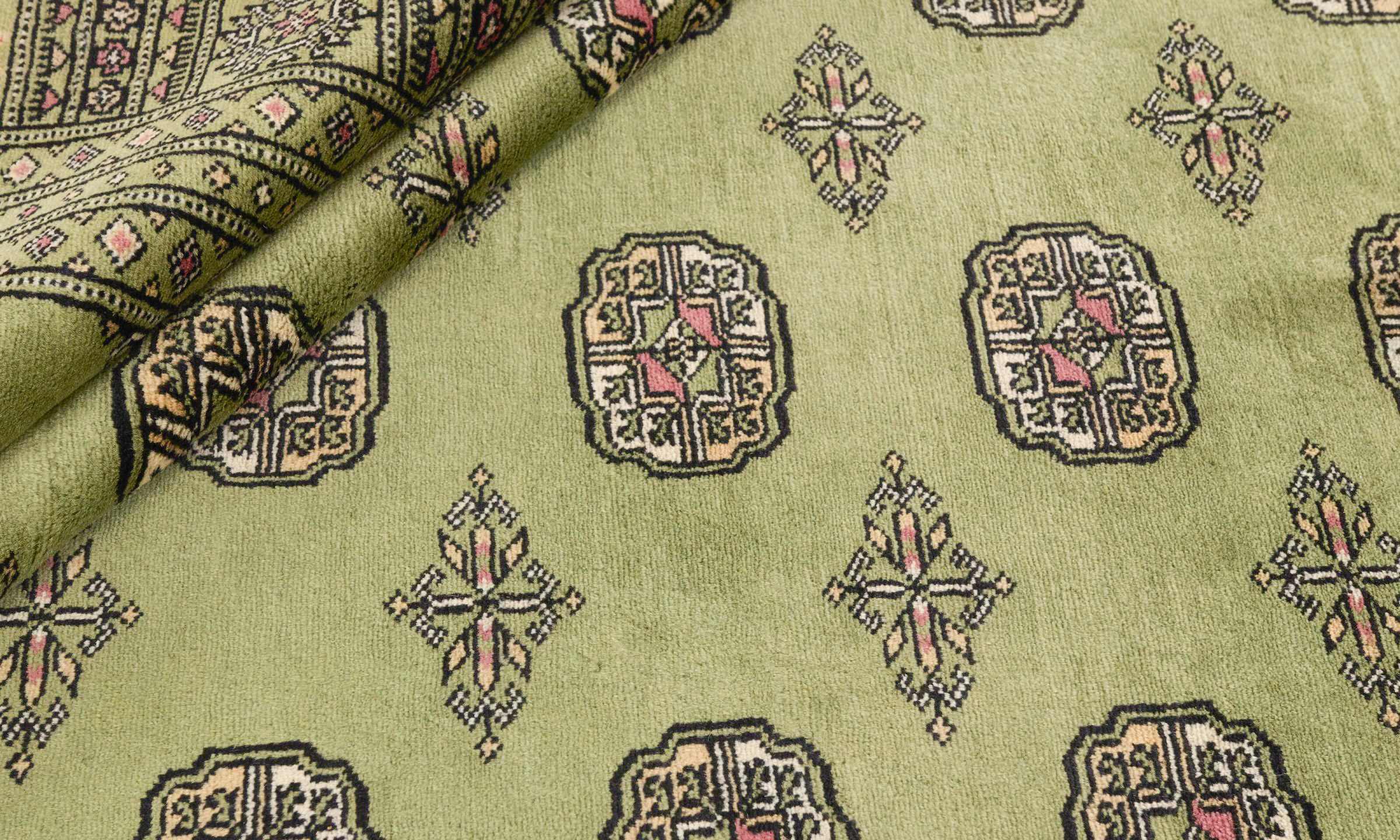
Loop-pile Brussels rugs and cut-pile velour rugs:
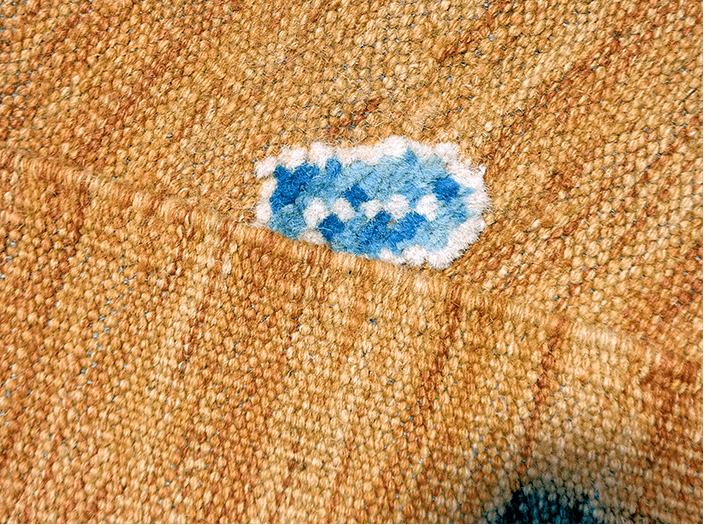
These two types differ mainly in that the loops are cut in velour rugs. Their patterns can be created in two ways. One method uses as many warp systems as there are colours in the design. The other uses a single warp system that is printed with the required pattern.
In addition to the ground warp and the warp forming the loops, these rugs also use a filling warp to increase thickness. Only one warp system forms the loops at a time, namely the one matching the colour of that section of the pattern. The remaining warp systems lie alongside the filling warp. This method uses a large amount of material and is therefore much more expensive than the single-warp method, where the same warp is used continuously for looping and is printed in different colours according to the design.
-
Chenille rugs:
These are made with a cotton or wool warp and a chenille weft. When produced as a single fabric, they are relatively thin and reversible. When made as a double fabric with a hemp or jute backing, they are one-sided and thicker, giving them a structure similar to velour rugs.