Blog
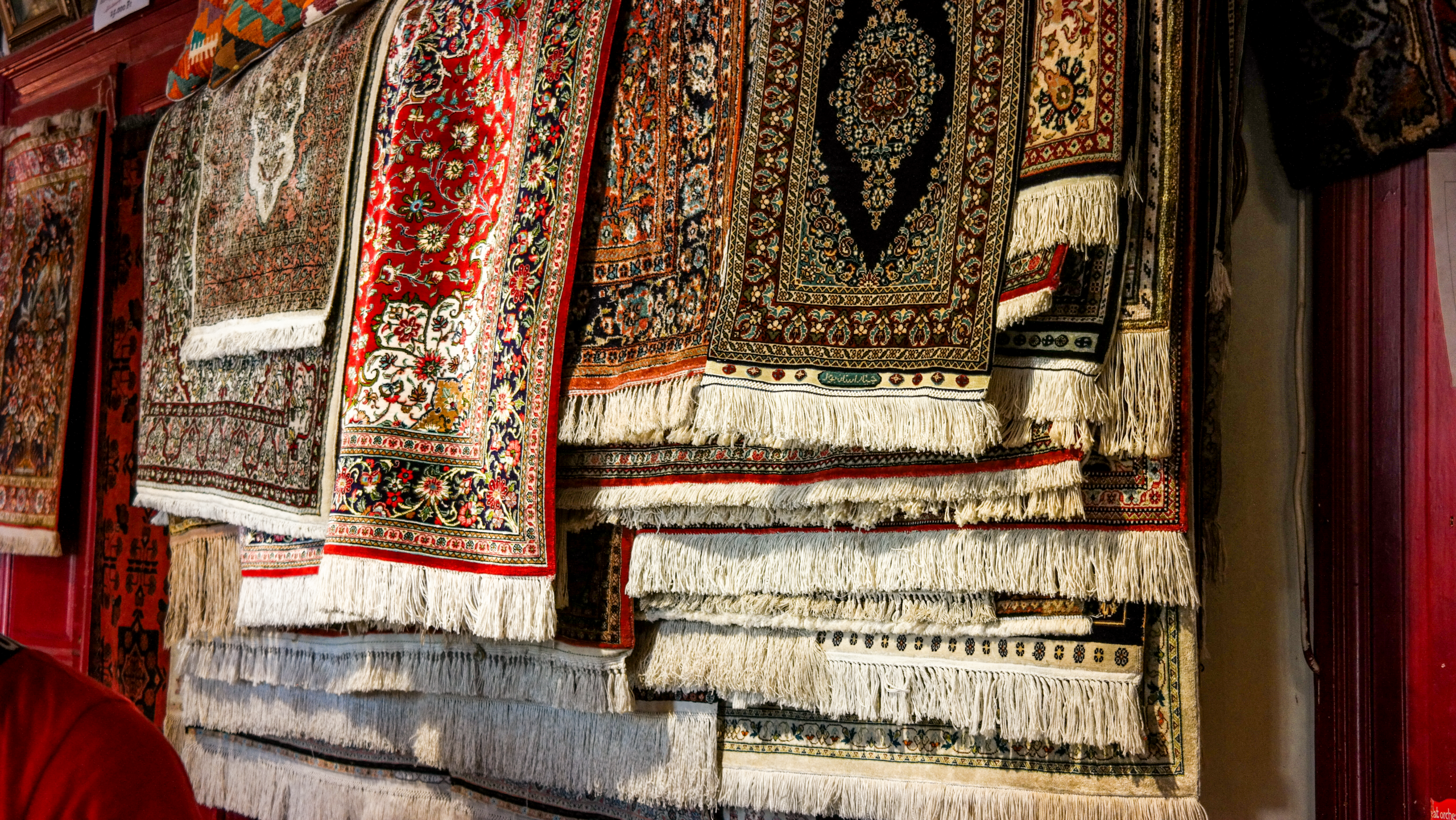
The KABIRI trademark became the first recognised brand name in Hungary’s oriental rug market. One of the earliest references to rugs appears in the Old Testament. They also feature in many classical literary sources, including Homer’s Iliad and the plays of Aeschylus. By around 500 BC, people were already creating richly decorated rugs.
The oldest surviving rug dates from this period. Known as the Pazyryk rug, it comes from the Altai Mountains and formed part of the burial treasures of a Scythian princess.
Turning to the present day: Dear Mr Jamal, what influences and circumstances led you to promote the beauty of oriental rugs in Hungary and later become their distributor?
I have lived in Budapest since 1985. After completing my higher education, returning to my homeland, Afghanistan, would not have been advisable at the time. I therefore decided to remain true to my roots and traditions.
I saw an opportunity to fill a gap in the Hungarian market by introducing people to popular oriental rugs and later selling them. I have always regarded this work as a mission.
To me, a rug almost has a personality of its own. It deserves affection and care. Once we grow fond of it, we become attached to it and want to protect and preserve it.
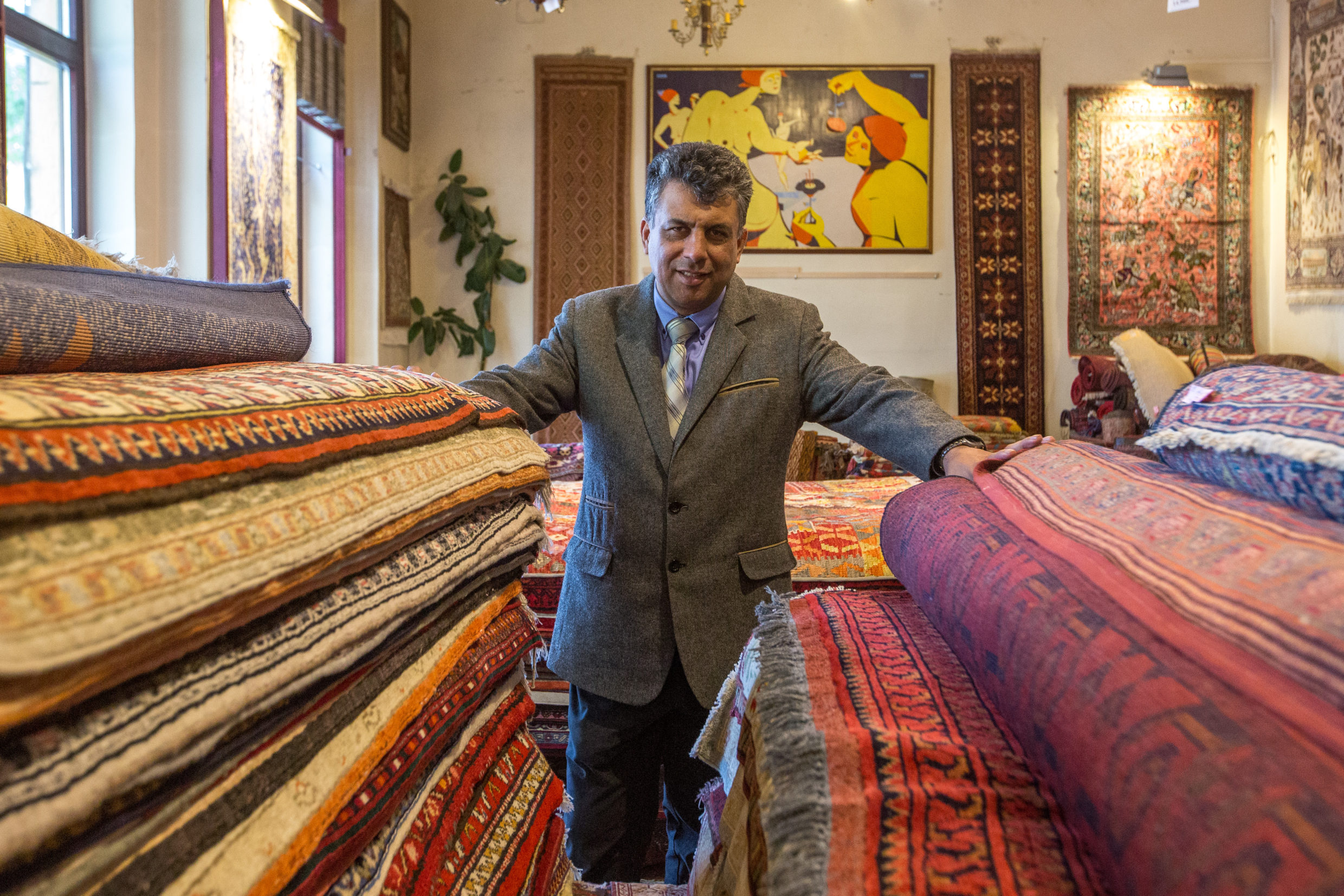
Is your professional knowledge a family tradition, the result of formal training, or can anyone reach this level?
Of course, even though I do not weave or knot rugs myself, I know the production techniques in detail. I constantly study, review and analyse the available specialist literature. I then try to apply this knowledge in everyday practice for the benefit of both myself and my customers.
These production methods have remained largely unchanged for thousands of years. However, every region has its own distinctive motifs and colour palette. Families pass these traditions down from one generation to the next, with only minor changes. Europe fell in love with this world of colours, patterns and motifs. Oriental rugs are also very popular in countries such as Japan.
As both a citizen and a professional, how do you explain the worldwide success of oriental rug culture over so many centuries?
People naturally seek comfort. The objects around us can never be completely neutral in their form, material or colour, especially when we see them every day. It is therefore natural to think carefully about the objects we choose. The same applies to rugs: their shape, size and pattern all matter.
Many people have tried to explain the secret of oriental rugs. In my view, their beauty and variety attract people most. They are refined objects that bring a touch of the mysterious East into the home.
What role do the following factors play in the appeal of a rug: 1. financial value and status, 2. durability, 3. practical versatility, 4. vanity or showing off?
Different customers have different motivations. Some see a rug mainly as an everyday object, while others recognise its artistic value. Everyone understands, however, that a beautiful oriental rug can represent lasting value and real wealth.
There is no need to boast about a fine rug. It speaks for itself.
I would also like to warn readers to be careful when buying rugs abroad, especially silk rugs. Many machine-made imitations are sold as genuine pieces. They may look cheaper at first, but they often prove disappointing and offer little real value.
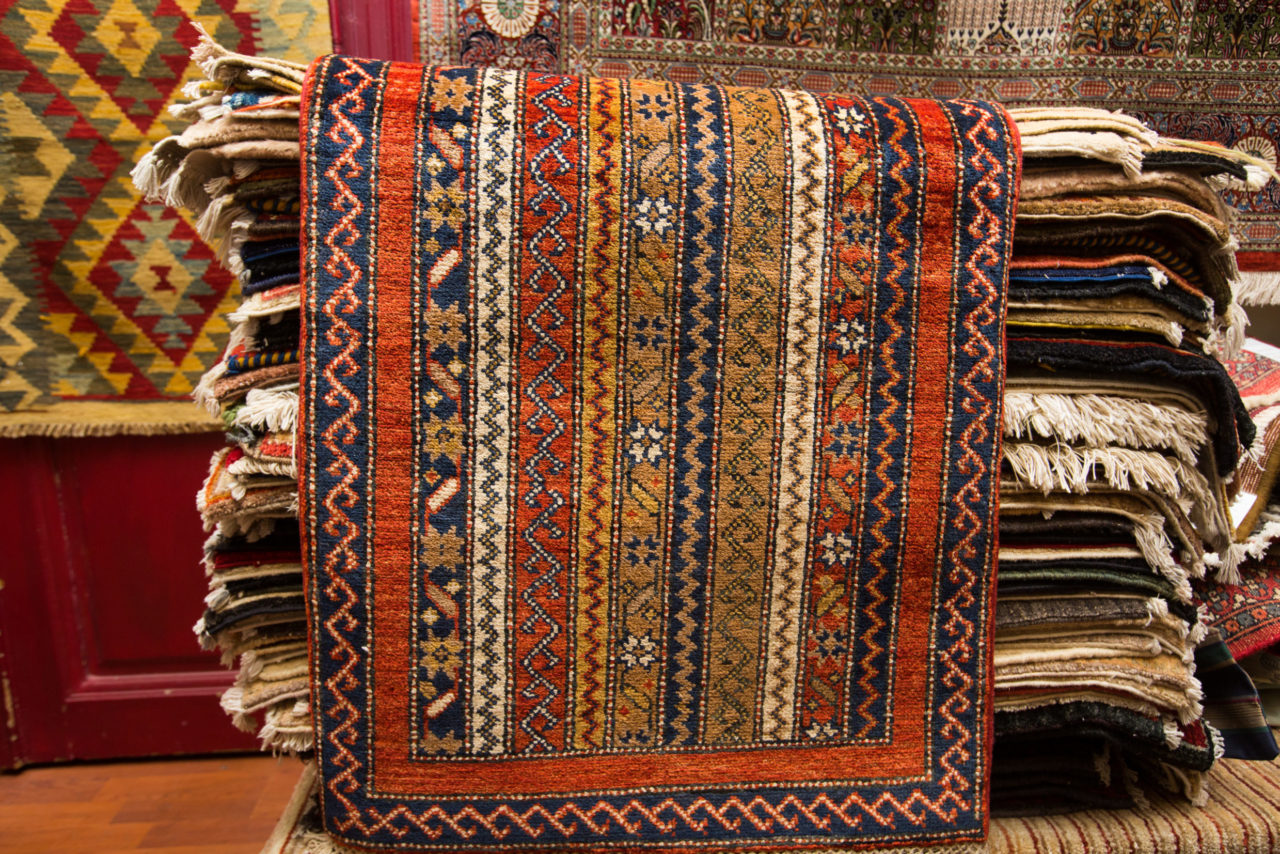
Is every hand-knotted oriental rug truly original and unique?
Yes. Every hand-knotted oriental rug is a unique, original piece.
I have to ask: does Hungarian taste still carry an ancient desire for rugs? The tents of early Hungarians featured them richly. Could this tradition still influence people in 2018?
Based on more than 20 years of experience, I can say that Hungarians like oriental rugs. This applies not only to intellectuals and the middle class, but also to ordinary customers.
It is possible that this preference has ancient roots. Early Hungarian tents contained many woollen rugs for different purposes. Later, during the Ottoman period in Hungary, a highly developed rug culture also became part of everyday life. This clearly influenced local tastes.
Hand-knotted rugs were also made in Hungary from the Middle Ages onwards, for example in Marosvásárhely.
How long do you think traditional hand weaving and knotting will survive in the age of digitalisation and robotics?
Digitalisation, robotics and the drive for higher productivity have also reached the oriental rug market. Mass production and competition continue to change the industry.
Fewer people now work in traditional rug weaving. At the same time, handmade rugs are becoming more expensive. As a result, especially valuable artistic pieces increasingly remain affordable mainly for wealthier buyers.
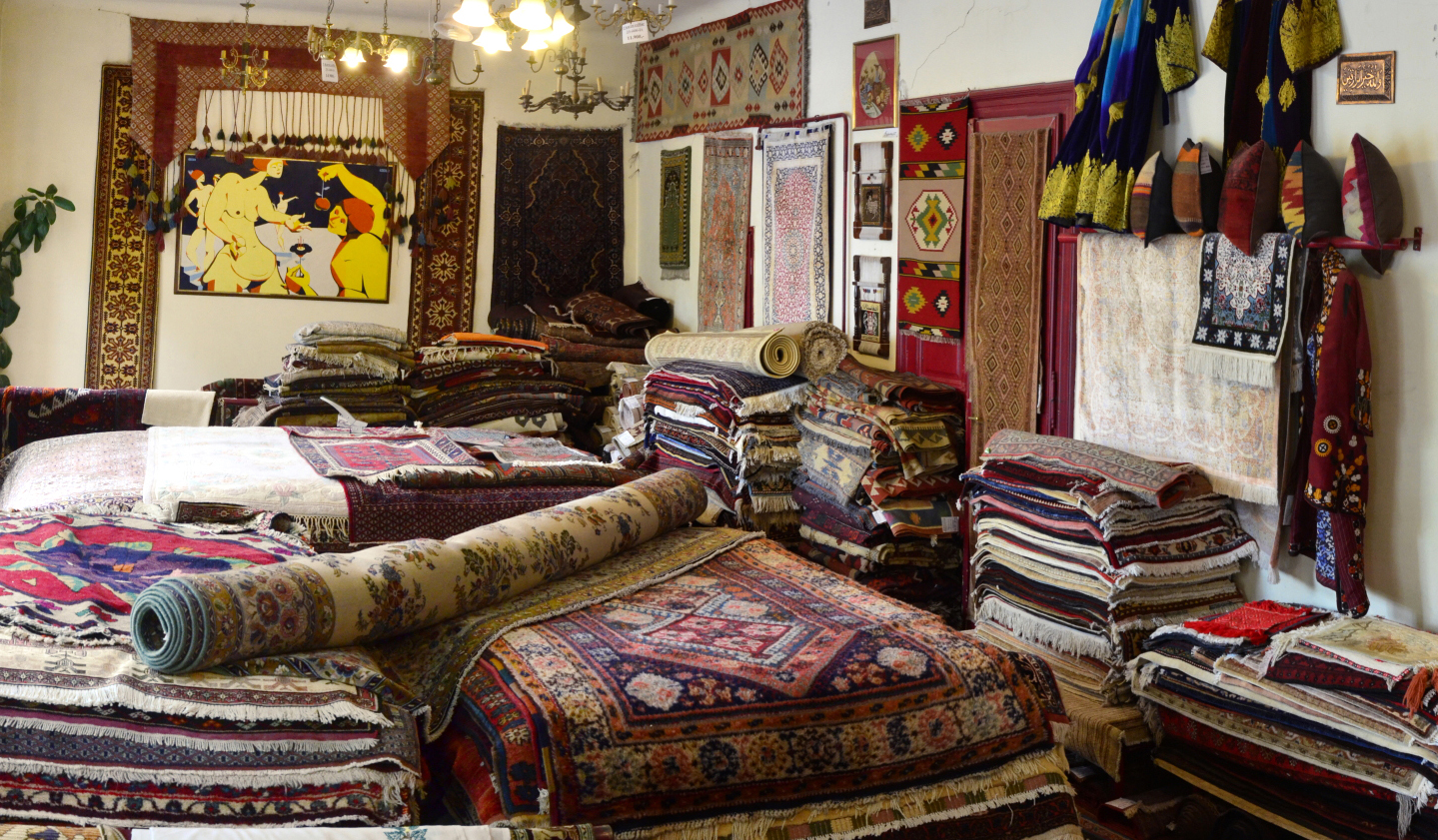
Does KABIRI CARPET have a strategic plan for further growth after 20 successful years?
Our strategic plan includes creating a new, modern showroom and workshop. Customers could browse the collection comfortably, while parking and loading would be simple. The cleaning, fringe repair and other workshop services could also become part of a visible demonstration area.
This new site could even be located in an industrial park near Budapest. I hope that banks will support our expansion through programmes for small and medium-sized enterprises.
My goal remains the same: to serve customers in Budapest and across Hungary at the highest possible standard. I want to offer an even wider selection and a complete range of services. These include online sales, home delivery, rug rental, cleaning and professional advice.
Why was it important to protect your chosen name and logo as a trademark? Was it mainly about strengthening credibility?
I wanted to deepen my roots in Hungary and meet the highest legal standards of credibility. The name “KABIRI” means “grown” or “great” in Afghan usage. By registering it, the name became a recognised brand.
The KABIRI name belongs to the rug store. It represents a guarantee of the authenticity, quality, price and value of our products.
With this trademark, our store also gained the right to use the registered ® symbol. This places KABIRI among legally protected brands and services recognised across the European Union.
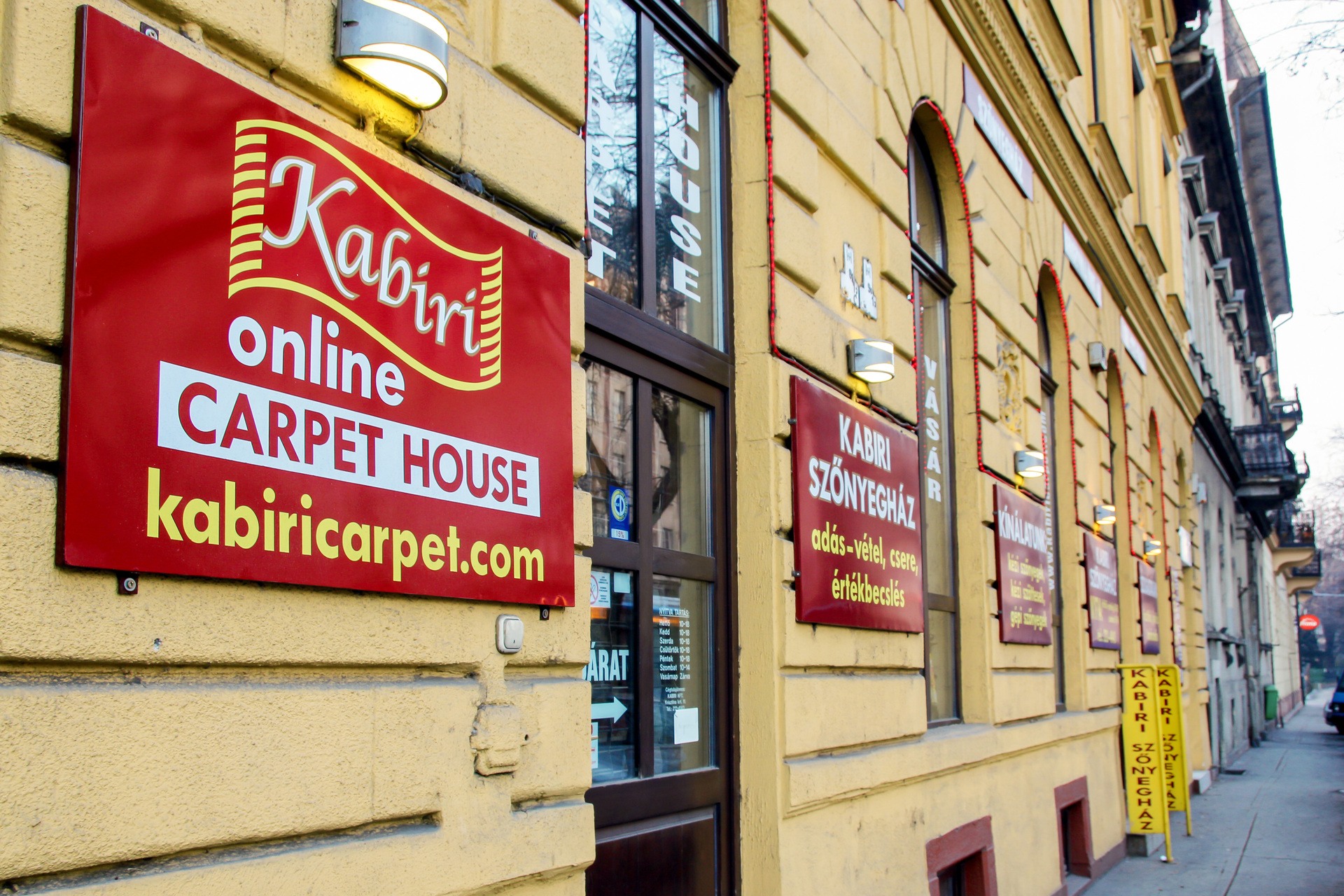
You and your colleagues are always happy to offer professional advice when customers choose a rug. This forms an important part of KABIRI customer service. In my experience, buyers greatly appreciate it. It complements services such as home delivery, online sales, rug cleaning and fringe repair. Are you planning to introduce any further services?
Recently, large oriental rug rentals have become increasingly popular among organisations and institutions. They often need these rugs only for special occasions, so buying them would make little sense. Renting offers a much simpler solution.
Customers hire rugs for congresses, corporate celebrations, anniversaries, receptions and similar events. Theatres also use this service regularly. Most recently, the National Theatre of Miskolc and the theatre in Marosvásárhely took advantage of this option.
In addition to our usual services, authorities and private clients have also asked me to provide expert assessments. These include damage assessments, valuations and disputes concerning quality or authenticity. I always handle these cases objectively and fairly, with the aim of reaching a just solution.
Mr Director, thank you for your answers. I wish you continued success with your oriental rug “mission”.
Antal Kunvári