Blog
In the Middle East, rugs are alive.
Persian rugs are not merely decorative objects but an integral part of life in the Middle East. Kabiri Rug House offers customers a wide selection of handmade and machine-made rugs from Iran, Afghanistan and Pakistan.
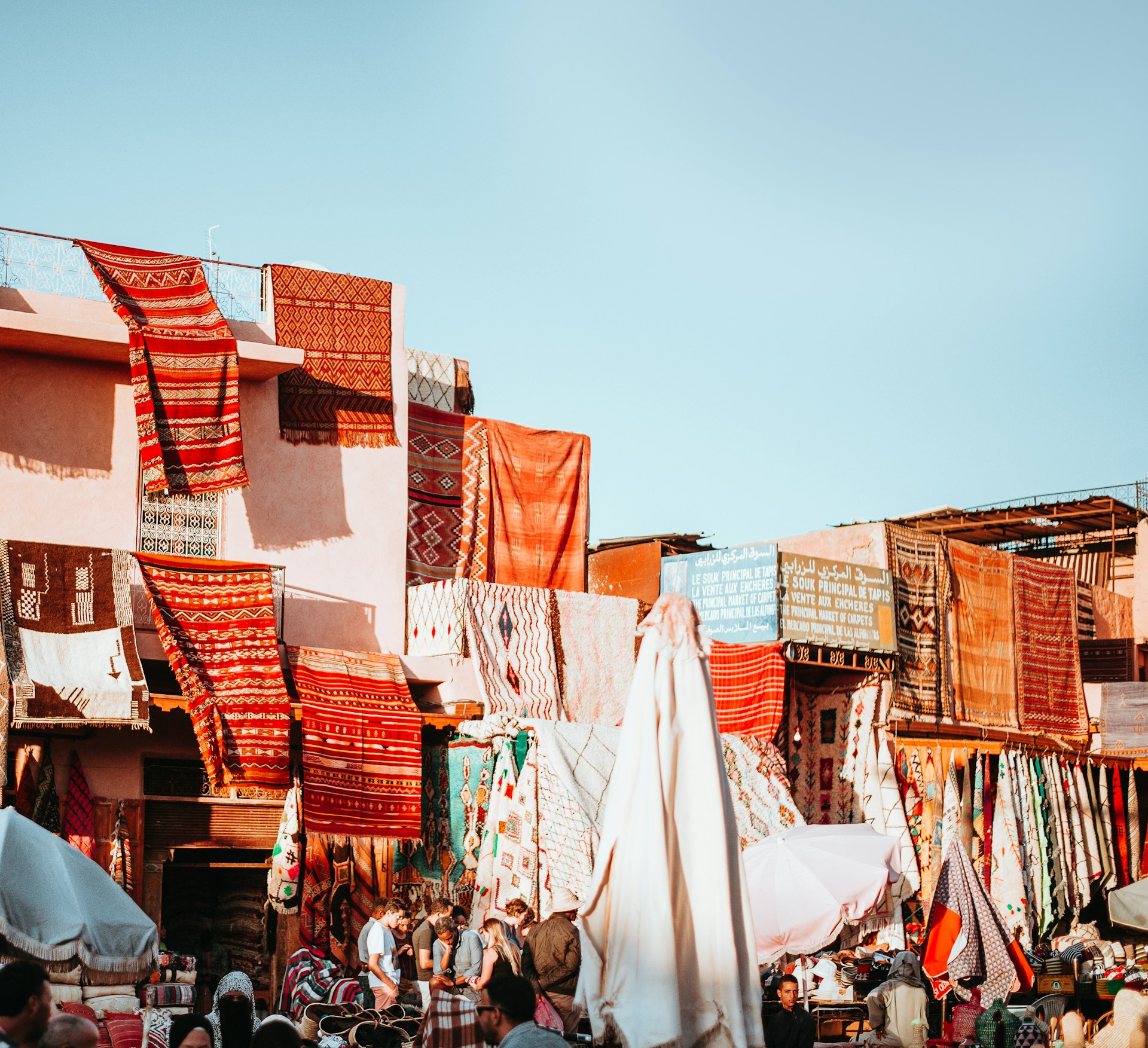
In the Middle East, people live on their rugs.
I have an Iranian colleague who explained that, in his culture, a rug is a furnishing on which people quite literally live their daily lives. Homes may contain very little conventional furniture, perhaps only a few small tables and thin cushions, while much of everyday life takes place on the floor. People sit on rugs to eat and also sleep on them. My colleague even mentioned that he found it difficult to adjust to sleeping on a bed.
Rugs originate from the Middle East, where they are produced on a large scale and used to cover entire homes. People often furnish their interiors with vast Persian rugs. Because of their considerable size and weight, these rugs may be cleaned only once or twice a year, as moving them can be difficult and time-consuming.
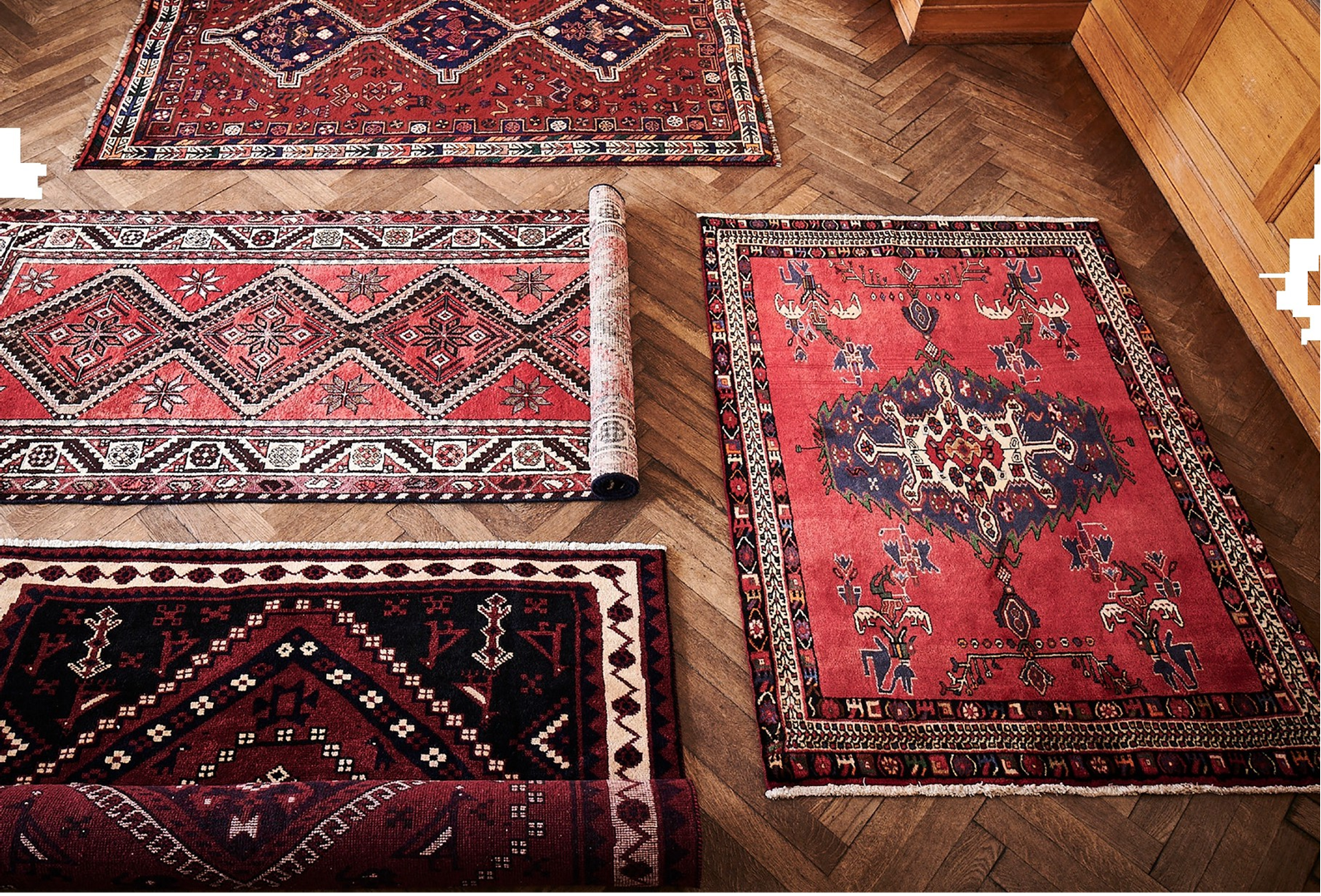
The region also produces exceptionally beautiful rugs, including red, intricately patterned and handwoven pieces. These textile works of art are created according to family traditions, using closely guarded weaving techniques and traditional oriental hand-knotting methods. Rugs are popular not only in Iran, but also in Afghanistan and Pakistan.
How are Persian rugs made?
Persian rugs are becoming increasingly popular in Hungary and have gained worldwide appeal with the rise of ethnic interior design. This style places strong emphasis on folk-inspired elements and colourful, playful objects. Rugs offer one of the quickest and most effective ways to create an ethnic look across a large surface.
In Persian countries, however, these rugs form an integral part of the culture. People quite literally “live on them”, as homes often contain fewer chairs, sofas and even beds.
These large rugs, used to cover entire homes, are woven by hand. In most places, artisans still follow traditional production methods, creating pieces that are more beautiful and valuable than machine-made alternatives. However, among the Persian rugs available in Europe, buyers can now find handmade, machine-made and mixed-production varieties.
Today, the selection of Persian rugs in Hungary is becoming increasingly diverse. These distinctive pieces are available from a growing number of retailers, including online shops, whether entirely handmade, produced using a combination of techniques or machine woven.
Which interior design styles suit Persian rugs?
Persian rugs are striking, colourful and valuable pieces. Most are handmade, although machine-woven and mixed-technique varieties are also available on the European market. In the Middle East, these textiles are still used to cover entire homes. Although tables and cupboards are common, seating furniture is often less prominent, and people may sit and sleep on the floor.
This exotic interior feature can also become part of a modern home, especially within the currently popular bohemian ethnic style. Ethnic interiors draw inspiration from cultures beyond Europe and incorporate traditional Eastern and Southern elements that feel distinctive and exotic.
Persian rugs are especially effective in creating this atmosphere. Their large size allows even a single piece to make a powerful visual impact. Other characteristic elements of an ethnic-style home include rattan and cane furniture, as well as fringed and pompom decorations. Bright Persian rugs pair particularly well with equally vivid and distinctive accessories, creating a rich and expressive interior.
A rug store offering a wide selection of Persian rugs!
The selection of Persian rugs is as vast as the culture from which they originate. Even today, Persian people often cover much of their homes with large, colourful rugs. In these interiors, rugs may also serve as seating, as conventional seating furniture is often less prominent. While this is not typically the case in Europe, a Persian rug can still bring elegance and an exotic Eastern atmosphere into the home.
Kabiri Rug House offers rugs inspired by Iranian, Afghan and Pakistani traditions. Some are handmade using local techniques, while others are machine-made or produced using a combination of methods.
Each of these rugs is remarkably distinctive. A handmade rug is truly unique, and even when a similar design is created, no two pieces will ever be completely identical. The selection is extensive, ranging from rugs in deep red and blue tones to more understated beige designs. Whatever your taste, you are sure to find a Persian rug that suits your interior.
Kabiri Rug Carpets’s exceptional Persian rugs.
Kabiri Rug House specialises in exceptional handwoven rugs and is currently one of the largest Persian rug retailers in Hungary. Alongside handmade pieces, it also offers machine-made rugs and designs produced using a combination of techniques.
Every oriental rug is distinctive, not only because of the way it is made, but also because it carries a cultural heritage that feels especially fascinating from a Western perspective. These remarkable rugs can form the foundation of an ethnic-style interior, particularly when combined with furniture made from natural materials and fringed or tasselled decorations.
Many people may not realise how important rugs remain in Persian countries today. In some places, their cleaning is surrounded by its own rituals. Conventional seating furniture may be limited, with people instead sitting on rugs and preparing a sleeping area on them at night using a thin mattress. Anyone looking to purchase a Persian rug should visit Kabiri Rug House, which offers Iranian, Afghan and Pakistani rugs.
Source: Jamal Abdul Naser
Owner of Kabiri Carpet
Szeretne elsőként értesülni a legújabb híreinkről és linformációinkról?
Cikkeink hasonló témában
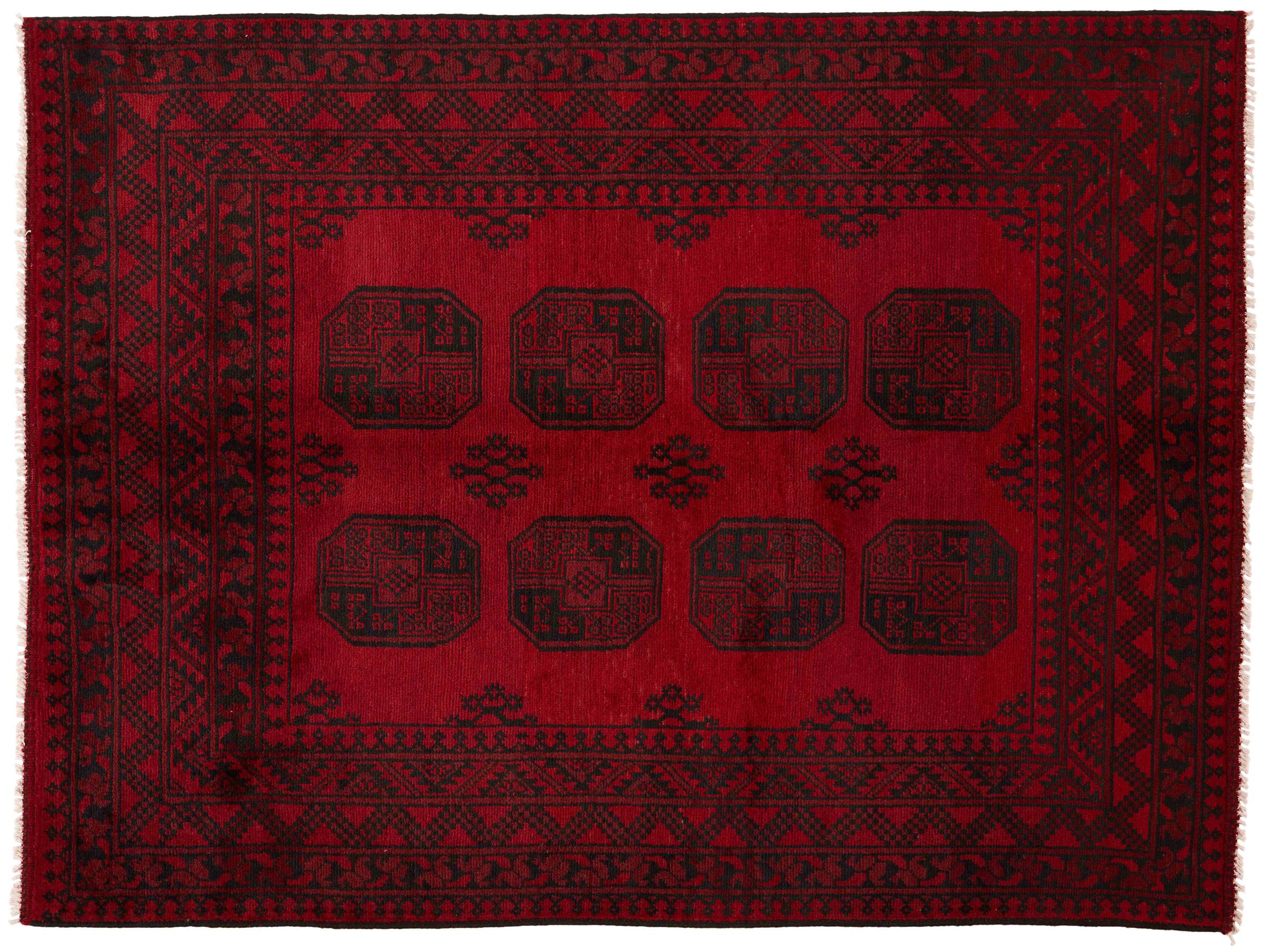
Aktscha rugs – Warm-toned classics of Turkmen tradition
Aktscha rugs are a living expression of Turkmen nomadic traditions, with every knot carrying the heritage of Central Asian rug culture. Their deep red ground and traditional gul motifs create a bold yet harmonious visual character. Each piece brings individuality and a sense of history into the home.
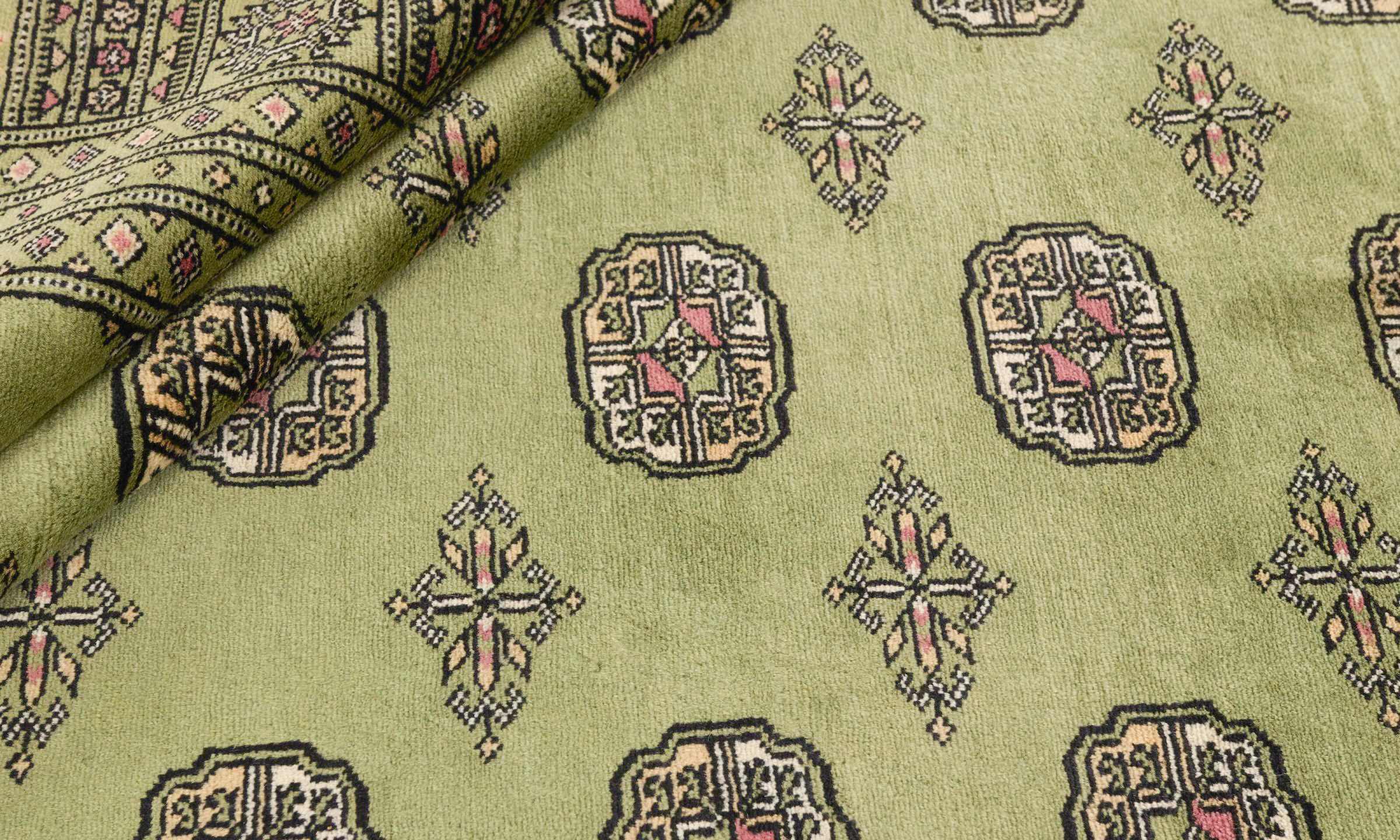
2-ply and 3-ply Pakistani rugs – Soft wool and harmonious oriental patterns
These rugs carry forward the refined legacy of Central Asian nomadic traditions, where the orderly simplicity of Tekke and Bokhara patterns meets Pakistani craftsmanship. Their warm colours and soft wool create a cosy, balanced atmosphere.