Blog
The origins and characteristics of Afghan kilim rugs
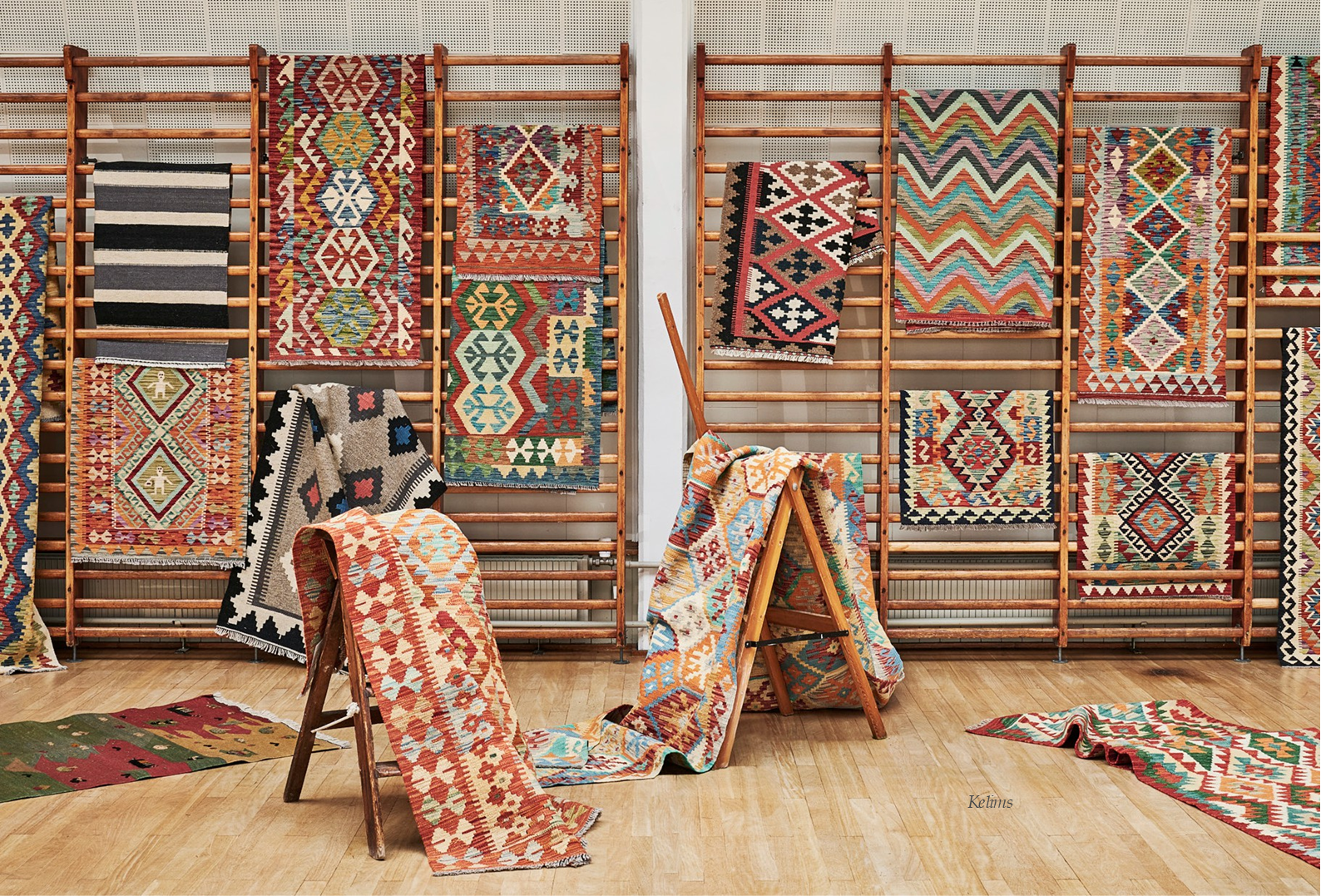
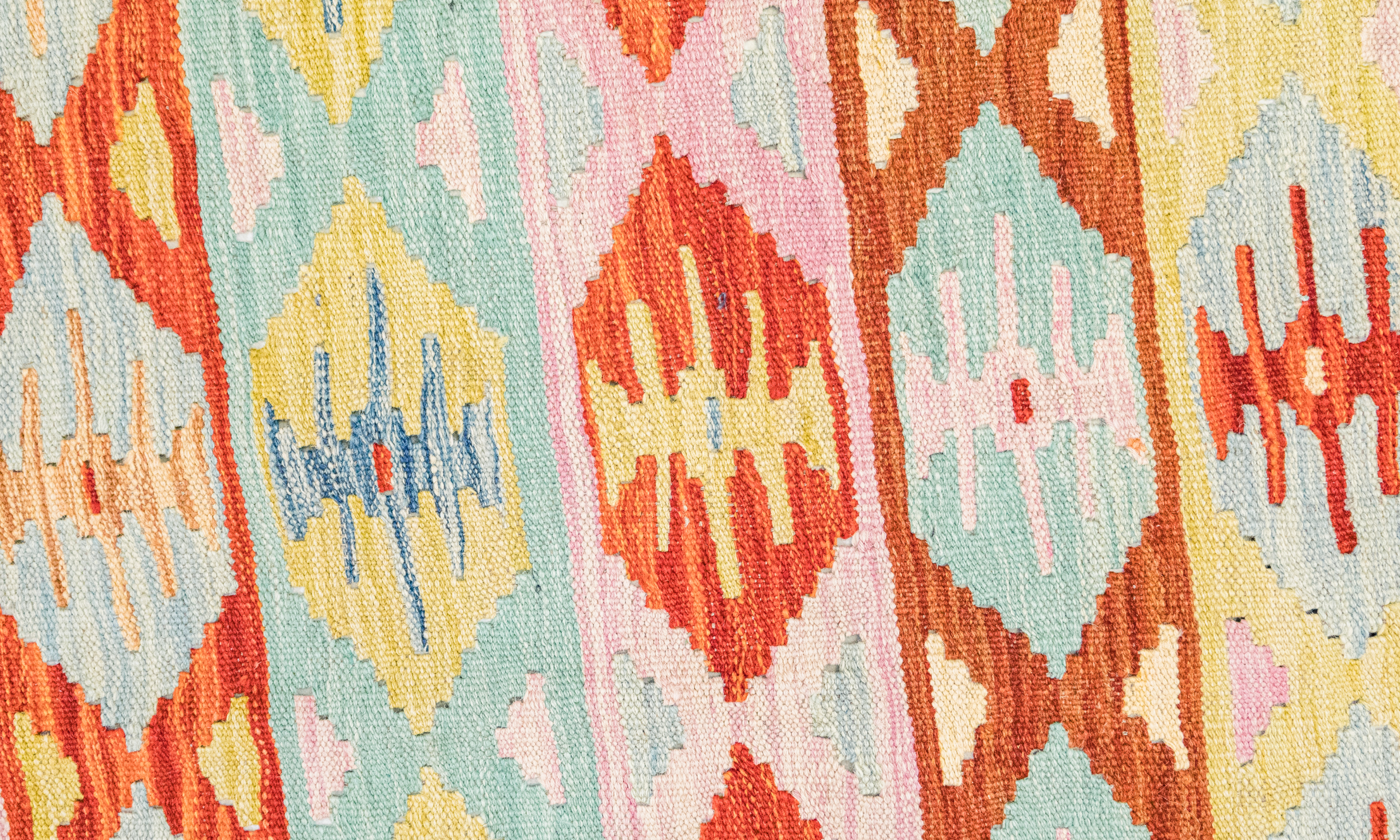
Afghan kilim rugs represent one of the oldest forms of Eastern nomadic weaving culture, with roots dating back to the 4th–5th centuries BC. A kilim is not only a type of rug but also a distinctive weaving technique that nomadic communities have used for centuries. These flatwoven rugs have no pile and look the same on both sides, making them highly practical and versatile.
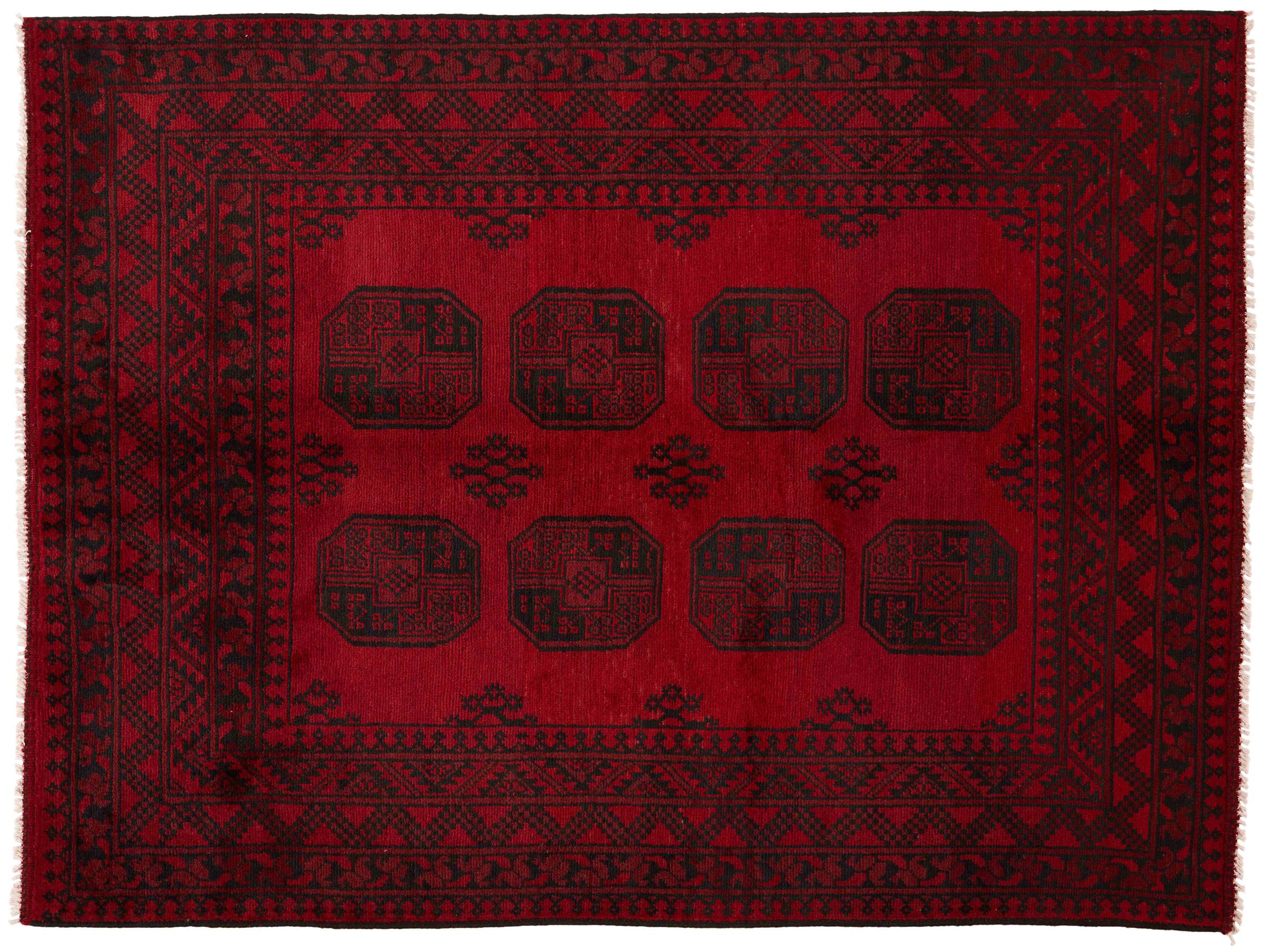
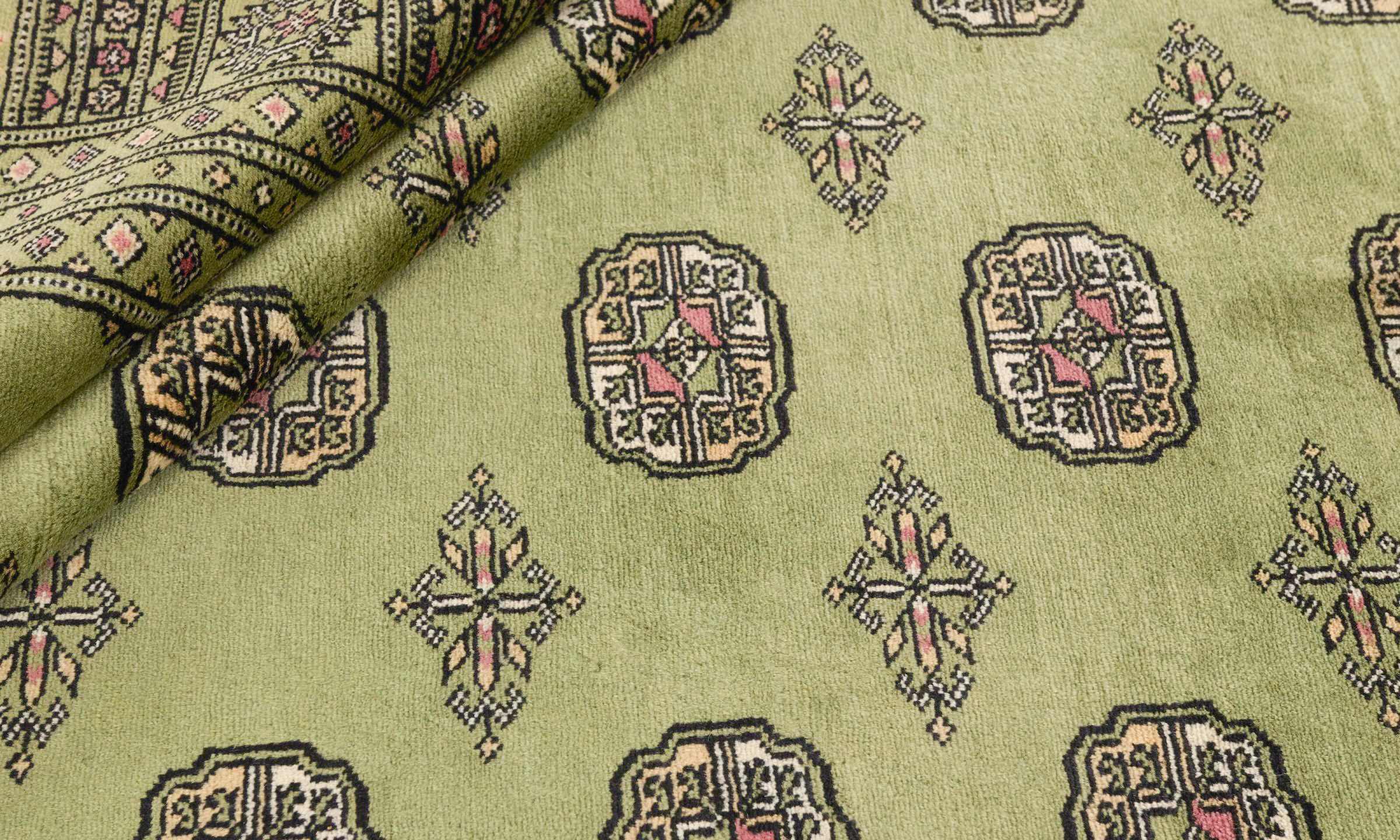
Afghan kilim rugs are handmade by Turkmen tribes living in northern Afghanistan. Their typical knot density ranges from 150,000 to 250,000 knots per square metre, creating a fine yet durable structure. The patterns are formed not through knotting but by the deliberate and precise weaving of different colours. Natural tones, geometric shapes and octagonal motifs combine to create the distinctive character that makes Afghan kilims easy to recognise.
Interior design applications and style recommendations
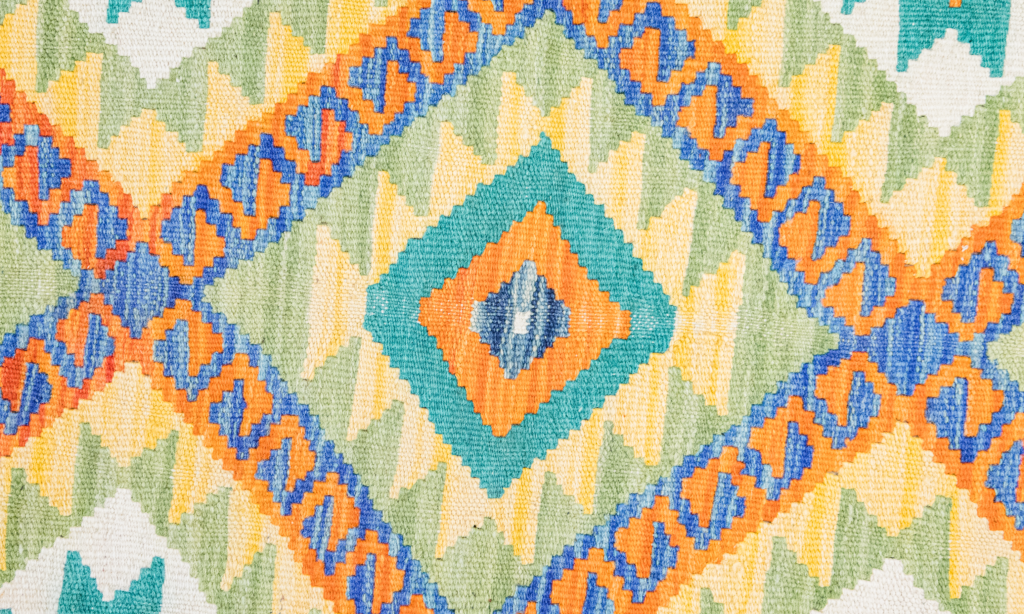
Afghan kilim rugs are highly versatile in interior design thanks to their lightweight, flat structure and timeless appearance. They are ideal for living rooms, dining rooms, bedrooms and entrance halls, where they create a natural and clean atmosphere. Their geometric patterns and understated, earth-toned palette complement modern, Scandinavian, rustic and bohemian interiors alike.
Kilims are unique in that they work beautifully not only as floor coverings but also as wall hangings or decorative features. A larger Afghan kilim can define an open-plan living area, while smaller pieces offer a practical and attractive solution for entrance halls or narrow corridors. Thanks to their natural materials and handcrafted character, they pair especially well with wooden furniture, linen and other natural textures.
Timeless nomadic heritage
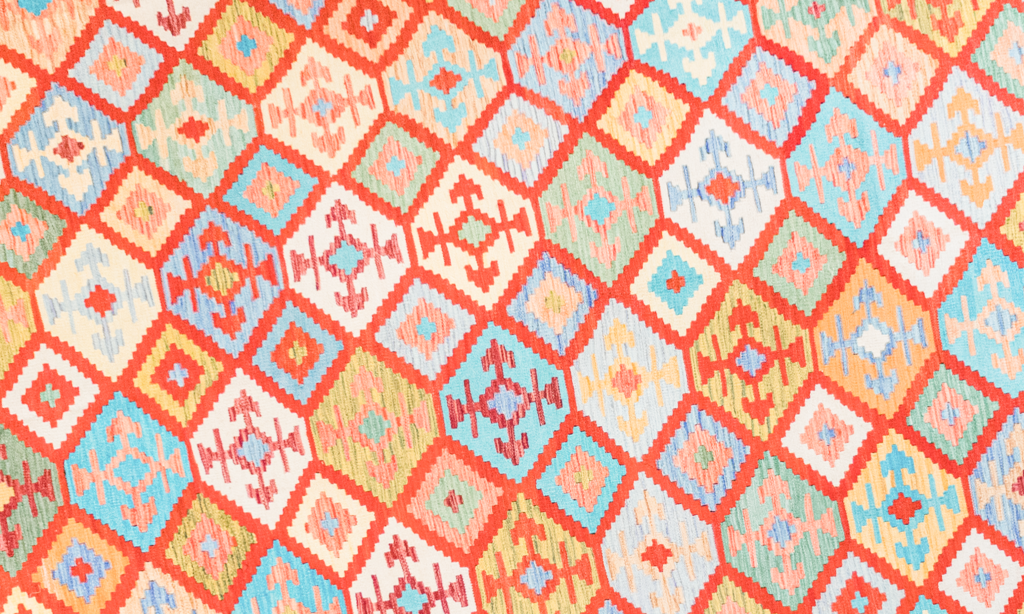
Afghan kilim rugs are more than decorative home textiles; they carry the legacy of a nomadic way of life that spans thousands of years. Their patterns, colours and techniques have been passed down through generations, allowing each rug to preserve a unique cultural imprint. Traditionally, kilims were used not only as floor coverings but also to make bags, decorate tents, and create curtains and blankets, demonstrating their remarkable versatility and practicality.
By choosing an Afghan kilim rug, you bring a handcrafted piece into your home that represents history, functionality and timeless aesthetics. Every rug is unique, and its natural colours and geometric motifs create a harmonious, calming atmosphere that will endure in any interior.