Blog
The origins and distinctive appearance of Aktscha rugs
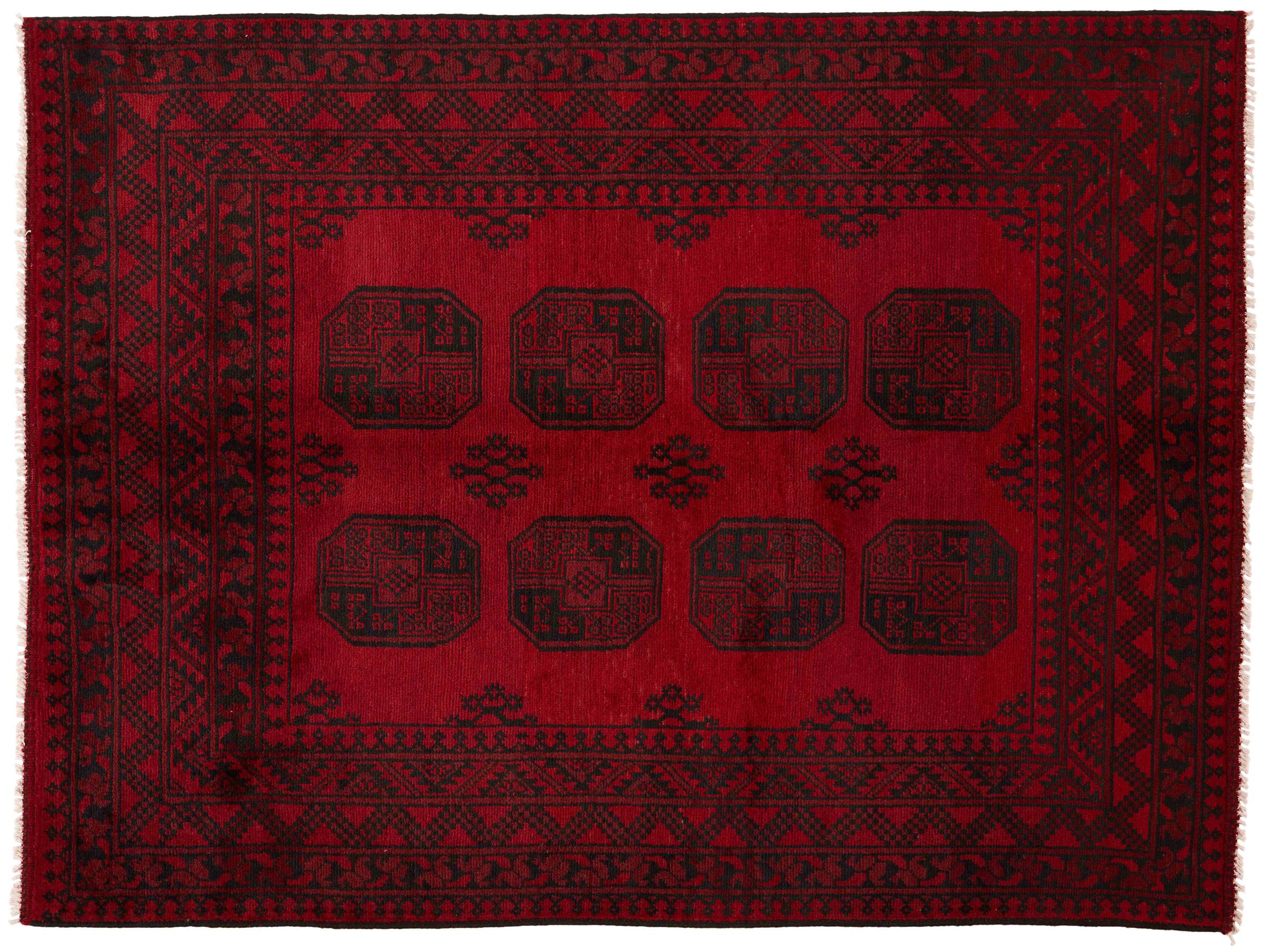
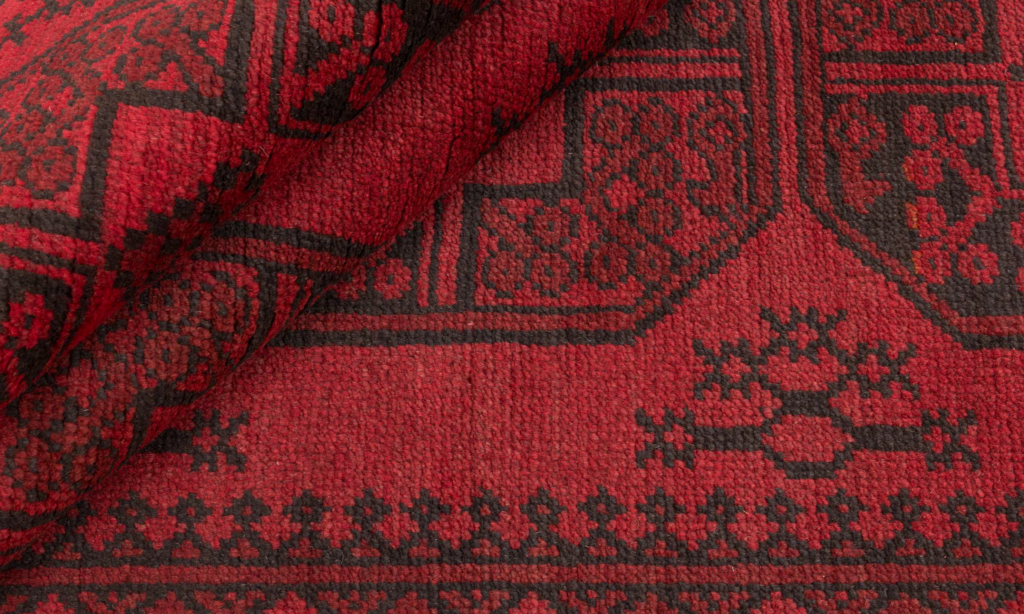
Aktscha rugs represent the craft traditions of Turkmen communities living in the Aktscha district of Jowzjan Province, in northern Afghanistan. These hand-knotted Turkmen rugs are closely related in style to Old Afghan (Khal Mohammadi) rugs, but they are generally made with a somewhat lower knot density, typically ranging from 80,000 to 150,000 knots per square metre. Despite this, they retain the bold, distinctive appearance associated with the region and the traditional quality of hand-knotting.
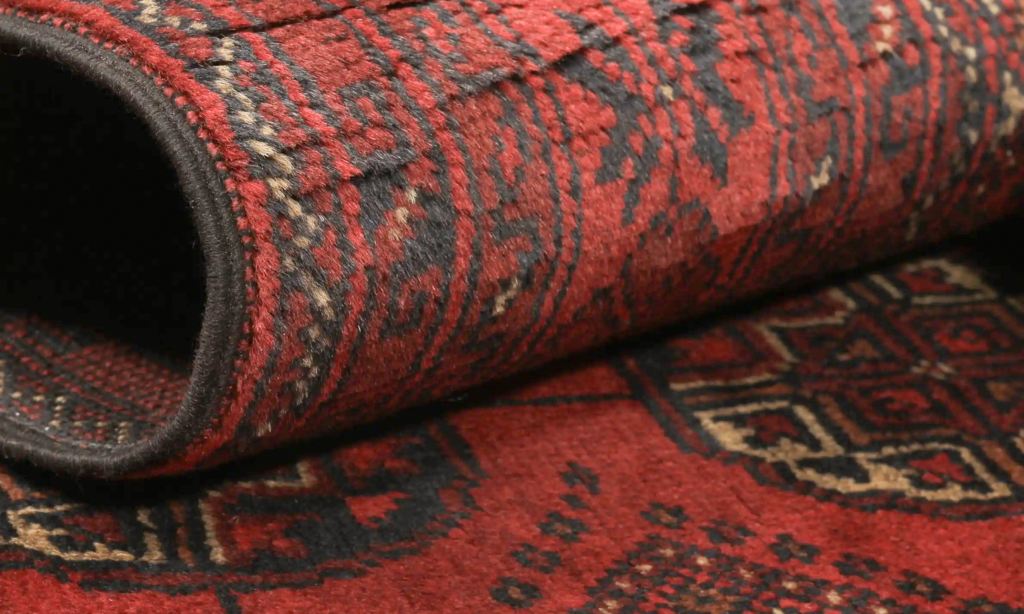
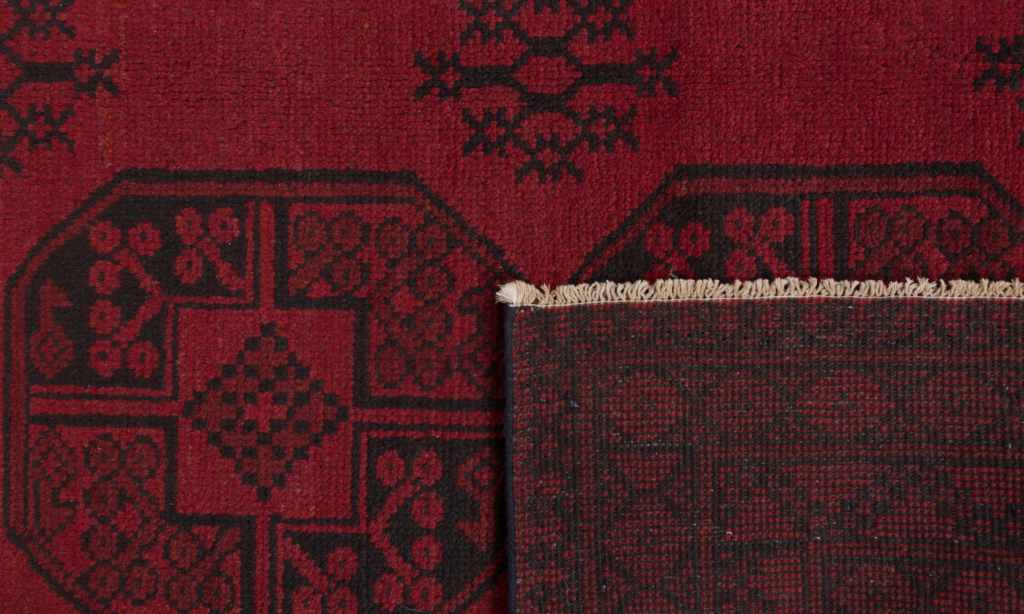
The most characteristic feature of Aktscha rugs is their deep, warm, often fiery red ground colour, complemented by traditional Turkmen gul motifs. The rugs usually have a relatively high, dense pile, which gives them durability and a strong, distinctive texture. In addition to wool, goat hair and horsehair are also sometimes used. These materials further enhance the rug’s resilience and natural appearance.
Interior design uses and style recommendations
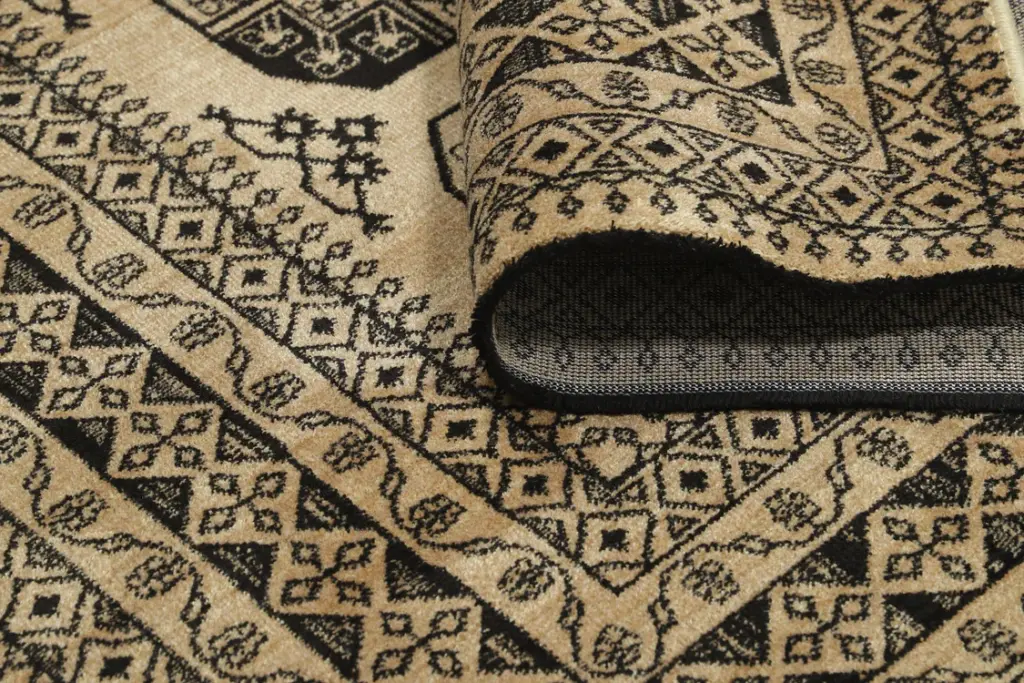
Thanks to their bold colour palette, hand-knotted Aktscha Turkmen rugs can easily become the focal point of an interior. They work particularly well in spaces dominated by warm earth tones, wooden surfaces and natural materials. In classic, rustic or oriental-inspired interiors, they create a harmonious yet distinctive atmosphere. In modern spaces, they can also provide an exciting contrast.
They are especially effective in living rooms, dining rooms and larger open-plan spaces, where their deep red tones add warmth and a welcoming feel. Aktscha rugs are an ideal choice for anyone looking for a striking yet traditional piece that can define the character of a room for years to come.
Tradition and character in Turkmen rug culture
Aktscha rugs form part of the living tradition of Turkmen nomadic rug-making, passed down through generations. The gul motifs and dominant red colour palette are important symbols of the region’s cultural identity, making each piece distinctive and easily recognisable.
An Aktscha rug is more than an interior furnishing. It represents a craft heritage that reflects the strength and visual culture of Central Asian nomadic traditions. Each piece has its own unique character, created through the combination of natural materials and traditional knotting techniques.