Blog
Source: Wikipedia
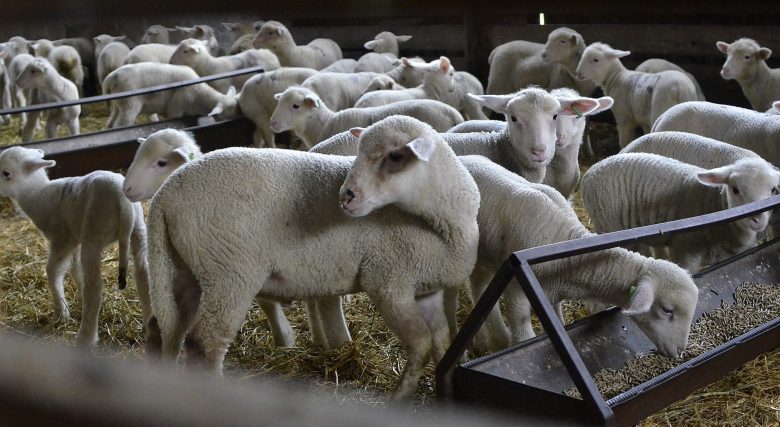
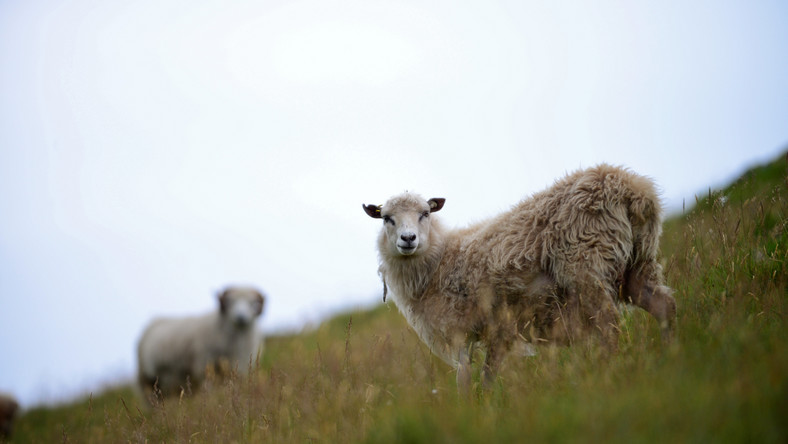
Wool generally refers to the fleece that covers the body of a sheep. More rarely, the hair of certain other animals, such as the Angora goat or cashmere goat, is also called wool. In these cases, the animal’s name is usually specified, as in Angora wool or cashmere wool.
Alongside silk, wool is one of the most important animal-based raw materials used in the textile industry. However, it accounted for only 1.7% of the world’s 74.7 million tonnes of fibre production in 2006. This proportion has remained relatively stable for a long time because both the global sheep population and the amount of wool shorn from each animal have changed little.
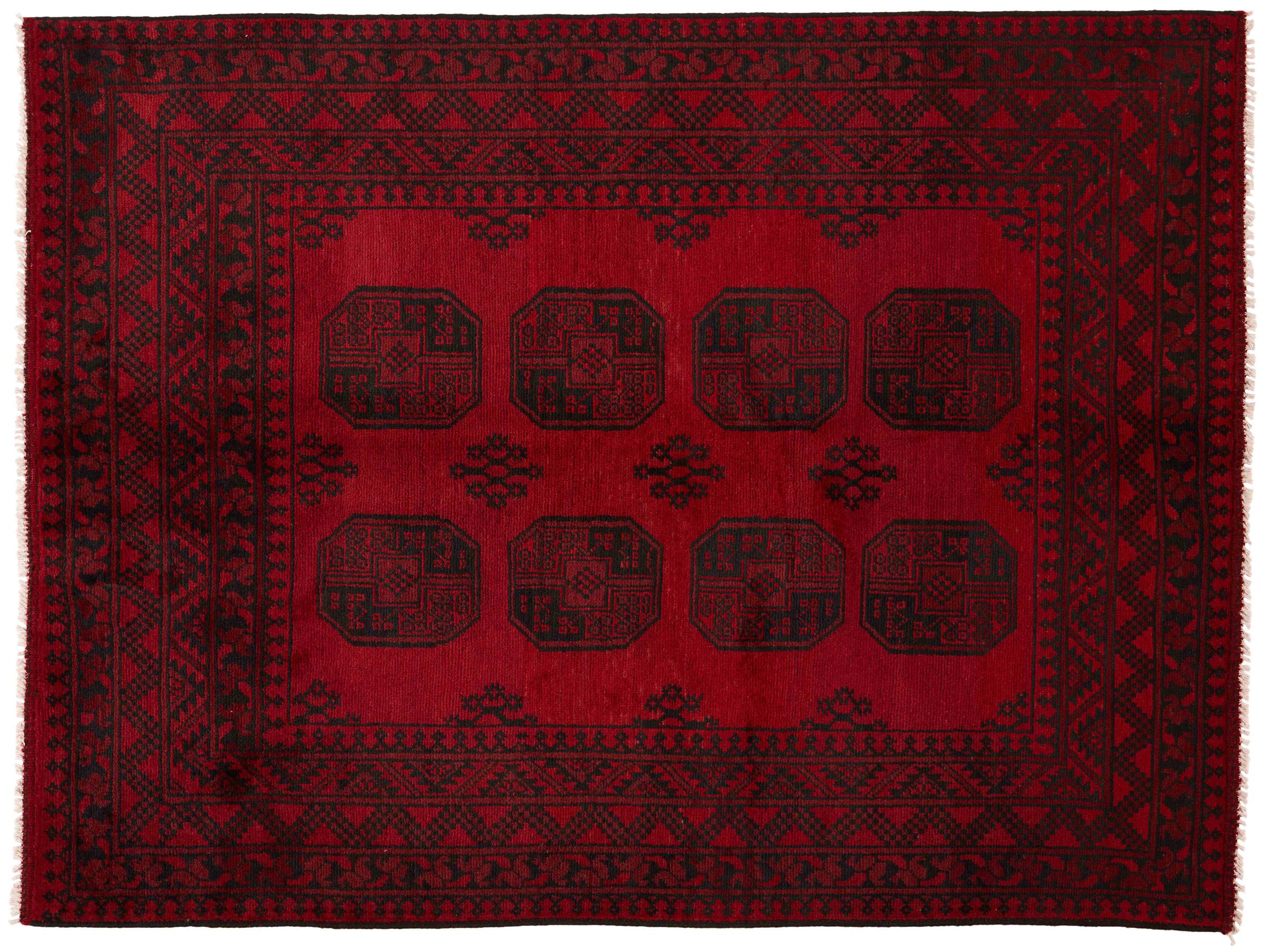
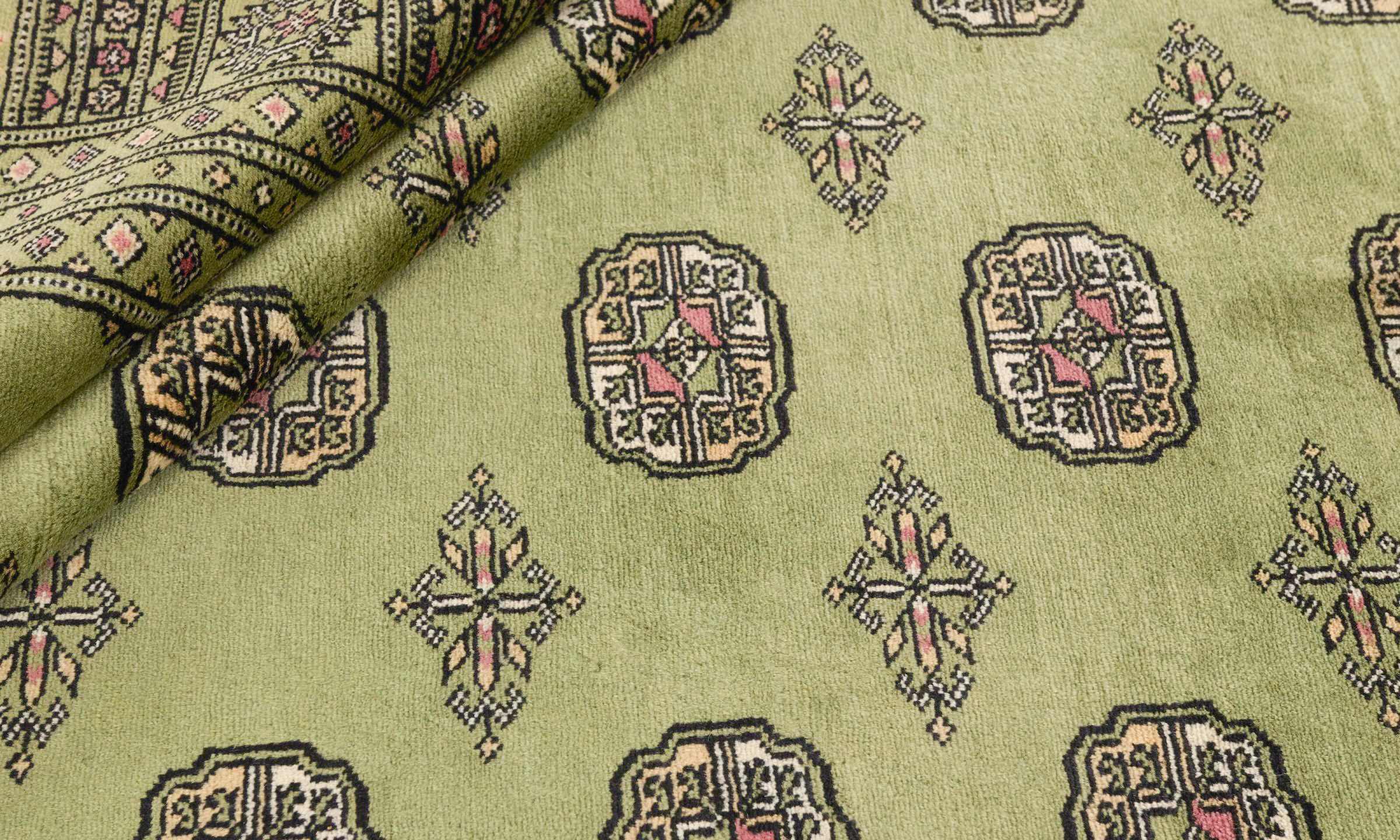
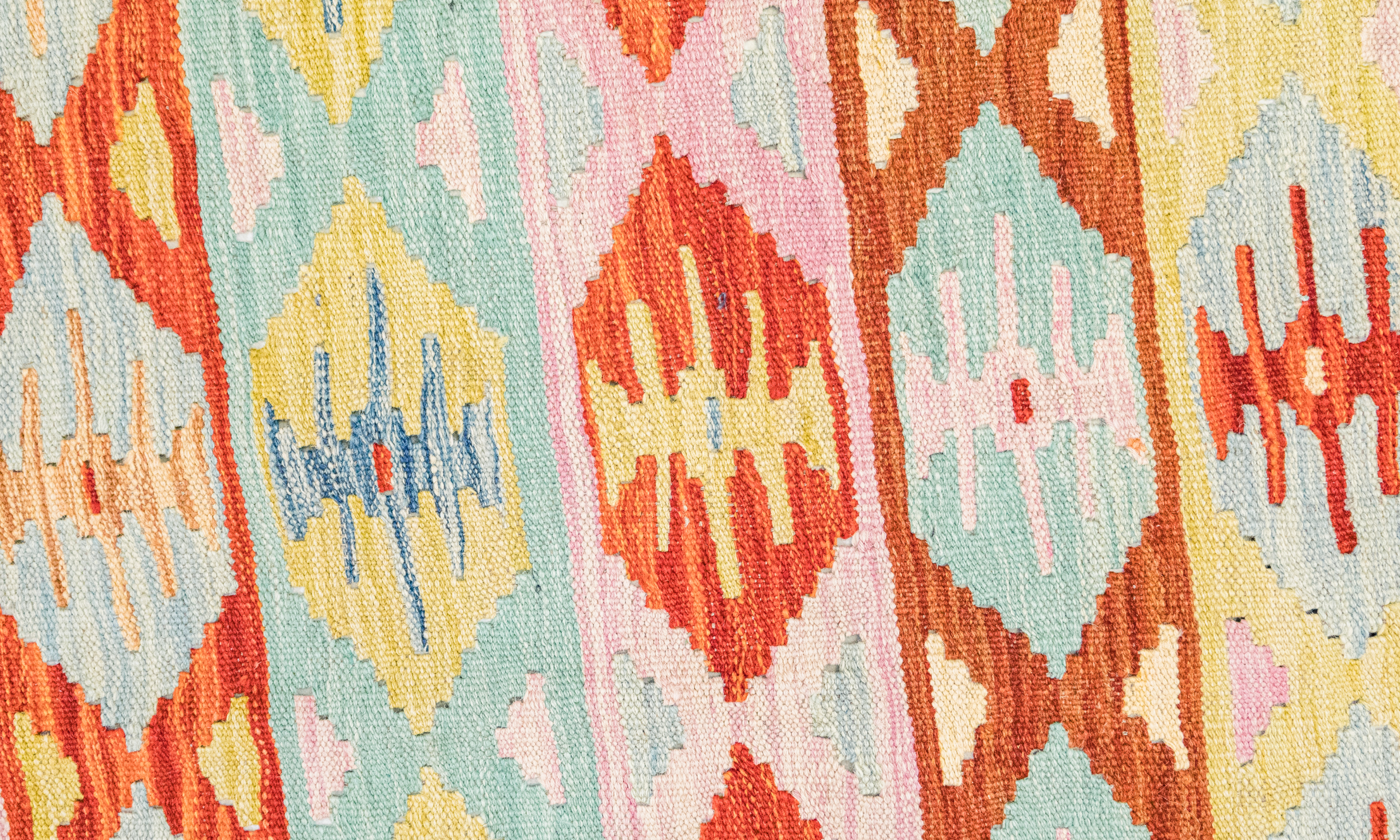
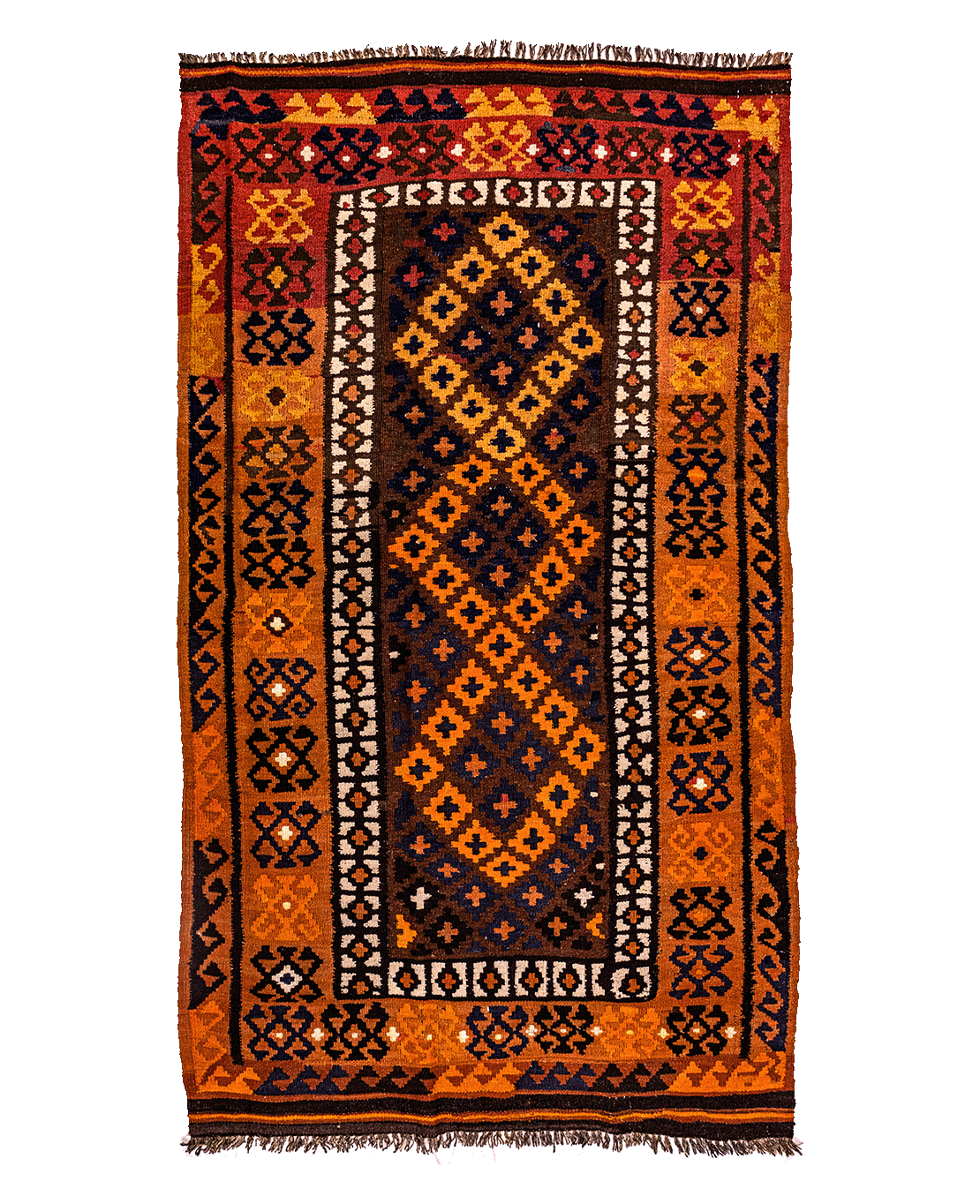
Wool is especially important in clothing and home textiles, including blankets, rugs and upholstery fabrics. Its popularity comes mainly from its excellent heat retention, softness, elasticity and pleasant feel. In industrial applications, wool is particularly important in felt production.
Wool is made from animal protein, mainly keratin, which consists largely of amino acids.
Wool fibres grow in groups on the animal’s skin, forming small bundles. Several neighbouring bundles are connected by linking fibres and form larger clusters. These clusters make up the structure of the fleece. Depending on the breed, diet and environmental conditions, an animal’s skin can carry between 16 and 130 million fibres.
The fineness and length of the wool fibres, the weight of the fleece that can be shorn, and the amount of clean wool obtained from it all depend largely on the breed of sheep.
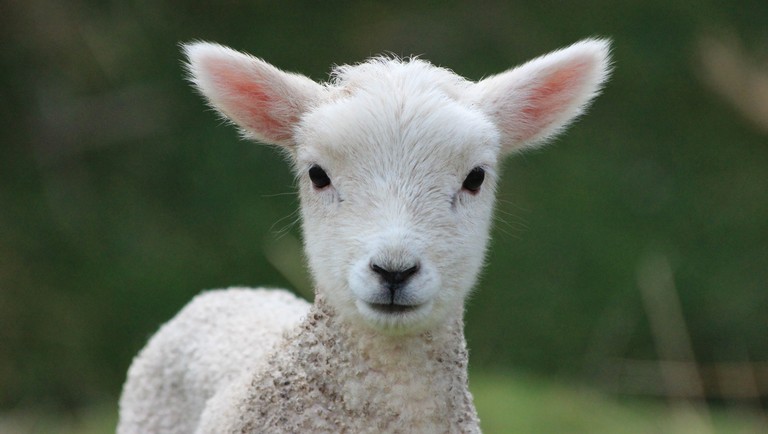
Between 3 and 10 kg of wool can be shorn from a single animal, of which around 30–75% can be used by the textile industry. The remainder consists mainly of impurities. Fibre thickness ranges from 16 to 60 μm, while staple length varies between 40 and 400 mm, depending on the breed and the fibre’s location within the fleece. The finer the fibres, the finer the yarn that can be produced. Merino breeds provide the finest wool, measuring around 16–30 μm. Cheviot breeds produce some of the longest fibres, at 150–400 mm. Coarse-wool breeds, such as Racka sheep, typically have fibres 30–60 μm thick and staple lengths of 200–300 mm. Staple length also depends on whether the sheep are shorn once or several times a year. More frequent shearing can stimulate fibre growth, resulting in shorter fibres but a greater overall quantity of wool.
Yarn production
Once the bagged fleeces arrive at the spinning mill, they are opened and sorted according to fibre length and thickness. The wool then undergoes both mechanical and chemical cleaning. Mechanical cleaning removes solid particles attached to the fibres. Chemical cleaning removes soluble impurities such as grease and salts, as well as fine dirt trapped by them. This is done by washing the wool with detergent in an alkaline solution, saponifying or emulsifying the wool grease, or dissolving it with solvents.
Plant matter in the wool, such as thistles and other vegetable residues, is treated by soaking it in a mineral acid solution. The wool is then dried to concentrate the acid. During the subsequent carbonising process, it is heated to around 100–105°C, which breaks down and chars the cellulose. The remaining particles are then removed mechanically.
The cleaned batches of wool selected for processing are carefully blended according to type and colour. Other fibres may also be added to the mixture. The wool is then sprayed with an oily emulsion, which makes it easier to separate the fibre clusters during the next stage.
The wool first passes through an opening machine, where toothed rollers break apart the larger fibre clumps. Finer separation takes place on a carding machine. Its rollers are covered with fine wires that comb apart fibres that have become stuck together. Carding is carried out in several stages and also ensures an even blend of fibres with different lengths, types and raw materials.
The next stages are drawing, combing, roving and final spinning. The yarn may then undergo an additional twisting process.