Blog
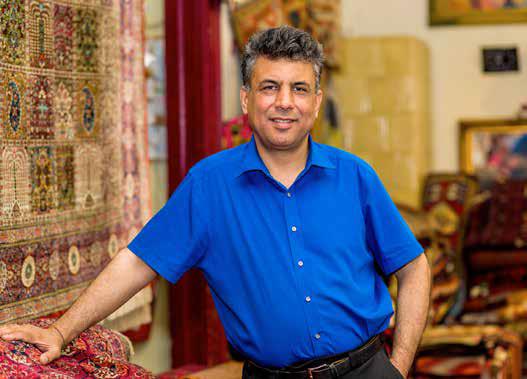
I envy Jamal. Almost every year, he visits a place I would love to see myself, yet I still do not dare to make the journey. Perhaps one day. As the following conversation shows, Afghanistan is a fascinating country, but it remains dangerous.
In the spring of 2018, the owner of Kabiri Carpet spent two months in his native Afghanistan. He returns year after year to restock his collection and meet business partners and family members. The country is one of the richest sources of handwoven nomadic and urban rugs. For thousands of years, Afghanistan has been home to a colourful mix of ethnic groups and has served as a meeting point between East and West. Its craft traditions are therefore exceptionally rich.
Afghanistan has been at war since 1978, following nearly 50 years of relative peace. Despite its remarkable ethnic and natural diversity, very few tourists visit the country, which is around seven times the size of Hungary.
The country has suffered extensive destruction under the Taliban, while the position of women remains deeply troubling. Al-Qaeda has continued to operate there, and drug production and trafficking have reached extraordinary levels. As a result, regular visitors are mostly staff from international aid organisations or military alliances.
Occasionally, adventurous and courageous tourists, including Hungarian travellers, do visit Afghanistan. However, many return home with deeply discouraging impressions of the country.
“Neither international peacekeeping forces nor local authorities can guarantee the safety of tourists. Throughout Afghanistan, foreign visitors face the risk of kidnapping. Even in the capital, Kabul, robberies and abductions can occur in broad daylight. Only the north-eastern part of the country can be considered relatively safe.”
— writes a young Hungarian traveller.
Unfortunately, a recent tragedy seems to confirm these concerns. In August 2016, German and American tourists travelling by minibus were attacked in Herat Province in western Afghanistan. Ten passengers from the two minibuses were killed in the firefight while travelling from Bamyan Province, which was considered relatively safe, towards the city.
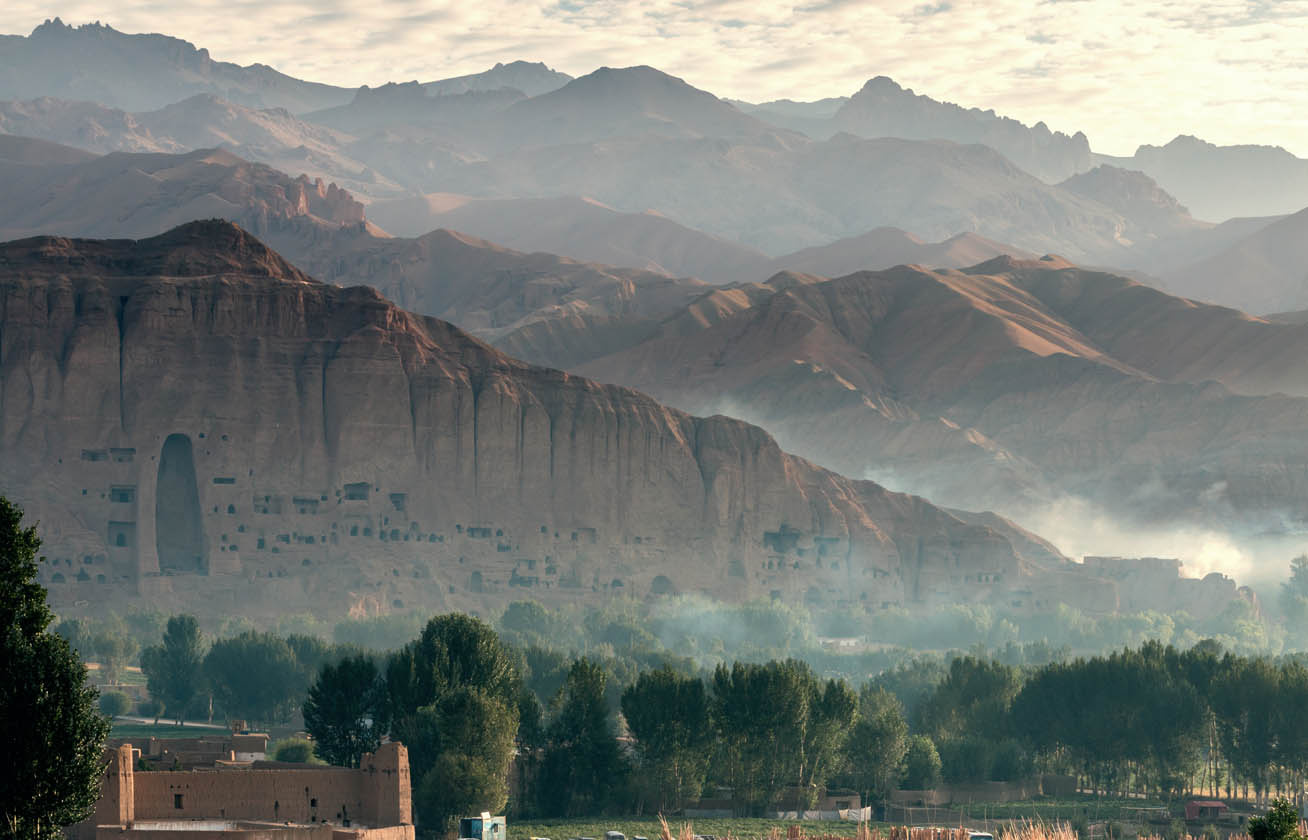
Bamyan is also home to the legendary Buddha statues that were destroyed by the Taliban. They were later partially reconstructed with Norwegian support.
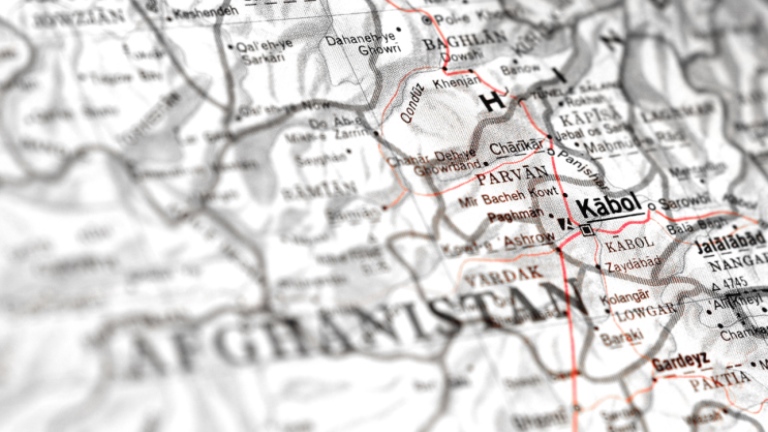
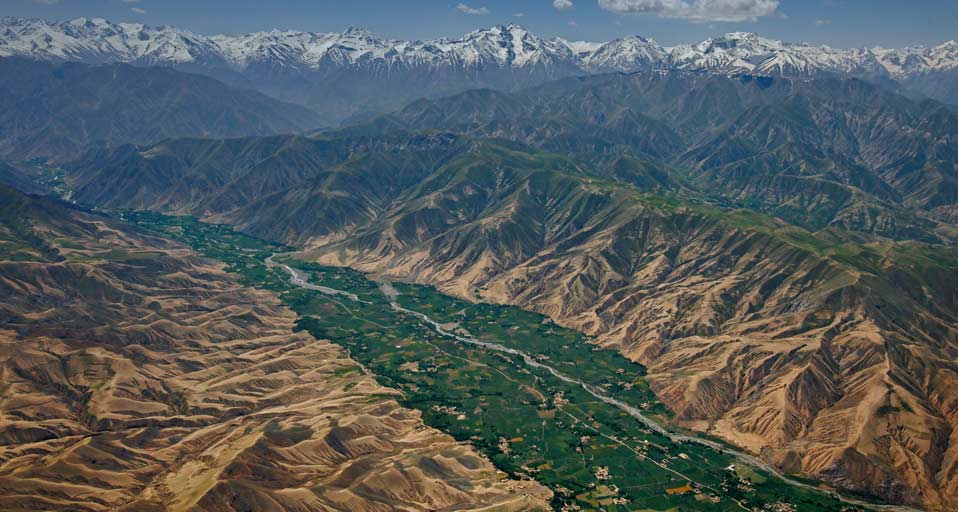
All of this is especially unfortunate because Afghanistan’s location and history are fascinating. The peaks of the Hindu Kush rise above 7,000 metres, while deep valleys and remarkable natural diversity could attract many visitors. Even so, Jamal Abdul Naser warns that travelling there is not a good idea.
“I come from Laghman Province, where I also spent a longer period last year. It is a fertile agricultural region where people can still make a relatively good living from growing vegetables, rice and wonderful fruit. It lies in the north-eastern part of the country, in one of the safer areas, close to the Pakistani and Tajik borders. I have lived in Budapest since 1985, so whenever I return to my former homeland and birthplace each year, it becomes increasingly obvious how difficult the situation there has become.”
When I asked the Afghan businessman, who first studied at university in Hungary, later married here and is raising four children, what the greatest difficulty was, his answer was unfortunately long and complex.
“During my visit this year, I was staying in Kabul at exactly the time when armed men broke into the Ministry of Interior building. After a serious firefight, government forces eventually drove them out, but even this brief example shows how little public security there is in the country. A violent incident that puts lives at risk can happen at any time and, unfortunately, almost anywhere. For this reason, I cannot recommend that anyone visit the country as a tourist. Alongside the complete lack of public safety, poor sanitation is also a serious problem. When I was a child, clean drinking water was widely available in Afghanistan. Today, however, it is difficult to find almost anywhere, causing everyday problems for people. Public cleanliness is in a desperate state, even though I still remember that it was not like this when I was a child.”
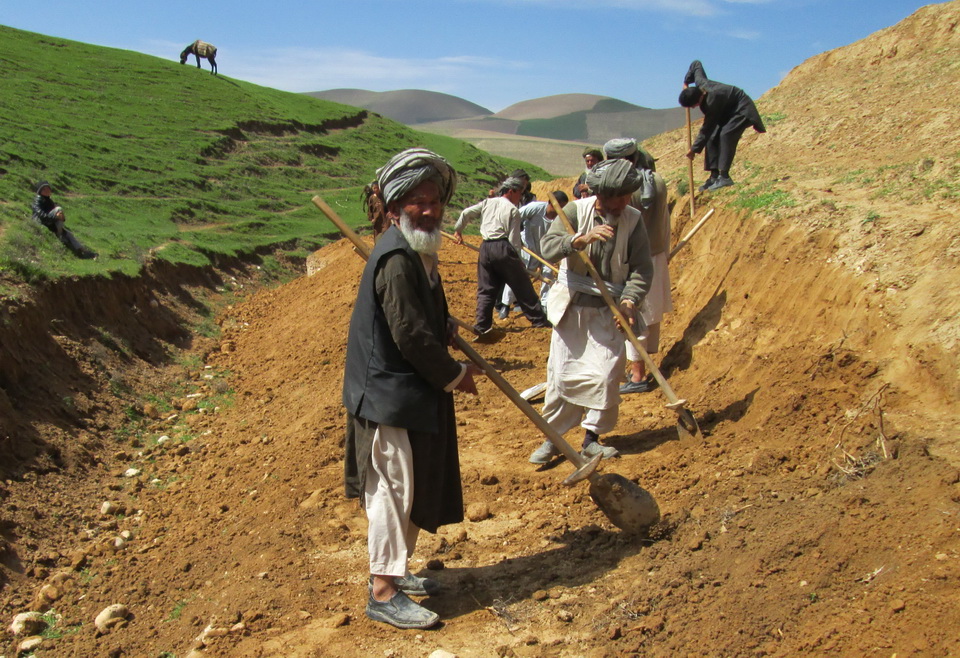
I also asked Jamal whether he had ever imagined what tourism in his homeland might look like if peace returned, and how large it could become. Would trade revive? And does a country known mainly from reports of war have enough appeal to inspire large numbers of people to explore its mountains?
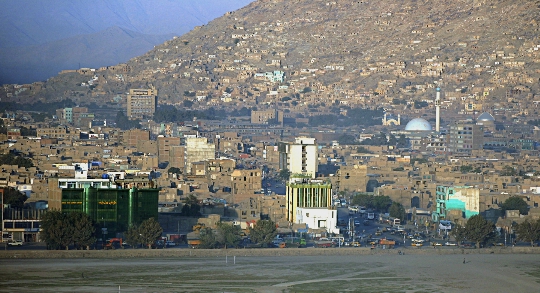
“Definitely. Afghanistan has wonderful landscapes and historic monuments. It is a vast country with an extremely rich history, so it would be surprising if it did not attract tourists from all over the world. Near my hometown is the magnificent Band-e Amir National Park, while the Buddha statues of Bamiyan are, in my view, among the great wonders of the world. The valley itself is also spectacular and forms part of a UNESCO World Heritage Site. The mosque in Herat and the city itself are equally impressive. Kabul is an interesting city, and nearby lies the Paghman Valley, where King’s Hill is especially beautiful. You could genuinely spend weeks in that region simply exploring and taking in the scenery. I imagine what it would be like to drive a rental car from Kabul to Jalalabad along the incredible mountain road, or to see life return to Istalif, once a centre of traditional crafts, especially pottery. Unfortunately, the town was almost completely destroyed during the fighting against the Taliban in the 1990s. I could continue listing places, but perhaps this is enough for now.”
There is currently no Hungarian diplomatic mission in Afghanistan. The embassy, consular services and supervising diplomatic representation are located in Islamabad, Pakistan. We hope that circumstances will change in the coming years and that opening a Hungarian mission in Afghanistan will once again become worthwhile, although for now the chances remain limited.
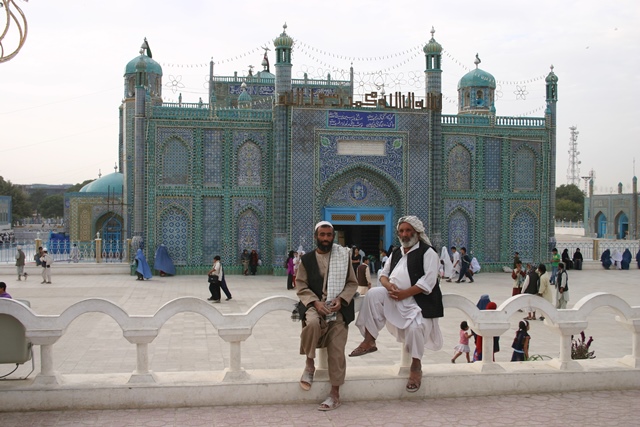
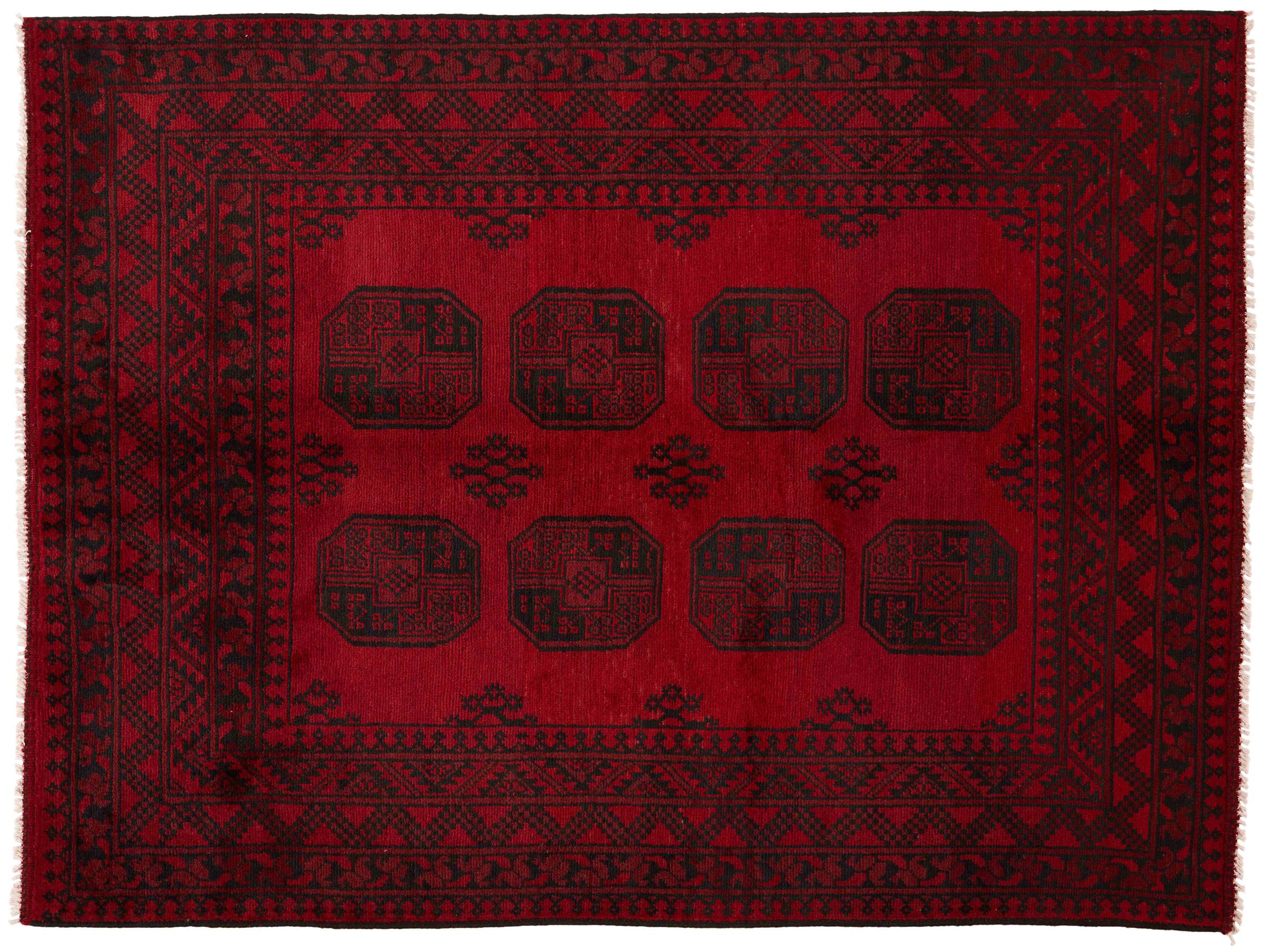
In the meantime, Jamal Abdul Naser continues to return to his homeland year after year. Business must go on, and some of the most beautiful rugs can still be found there. So can extraordinary landscapes that remain almost completely closed off to us — perhaps except for the truly adventurous.
Dániel Mezei