Blog
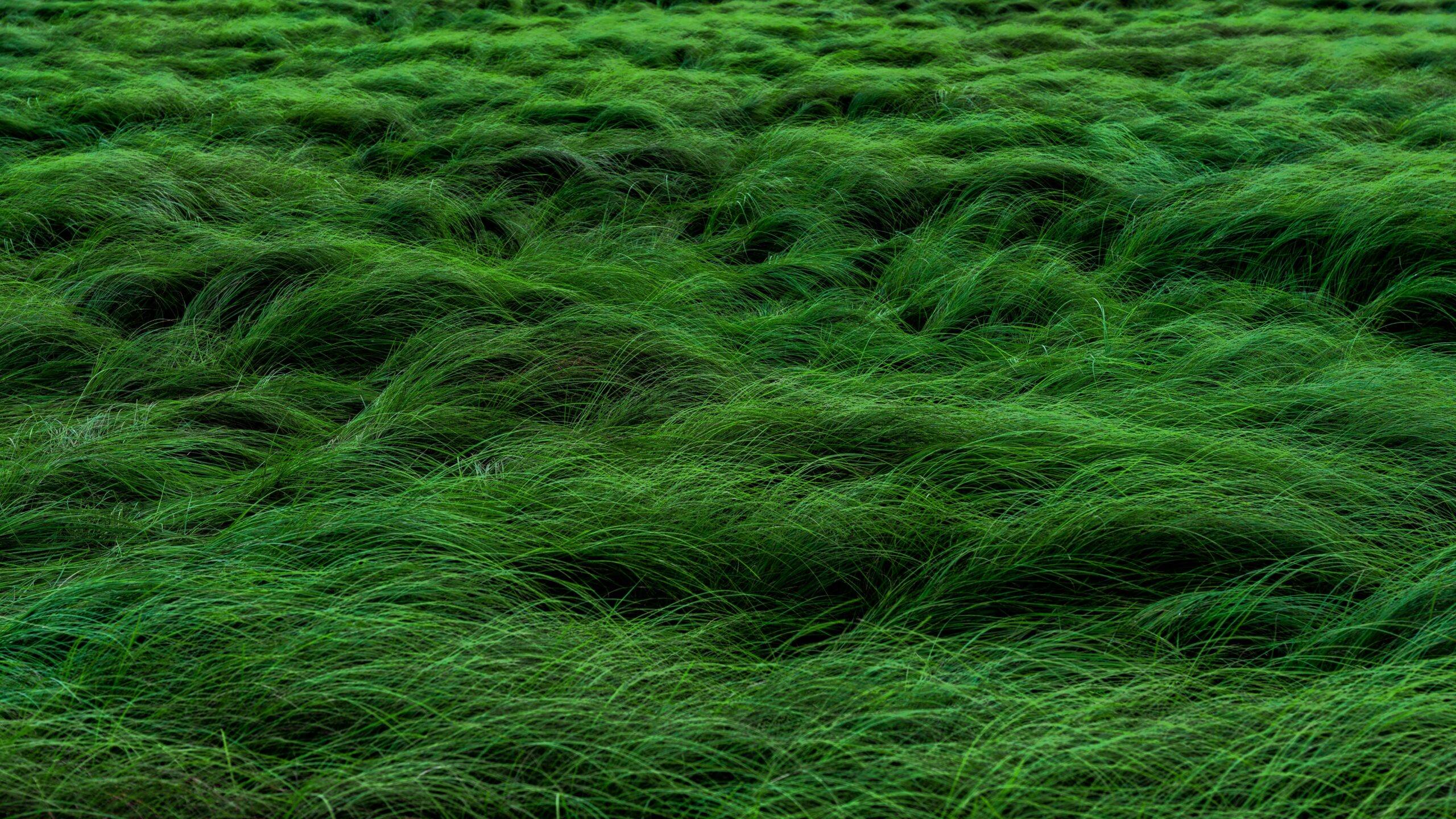
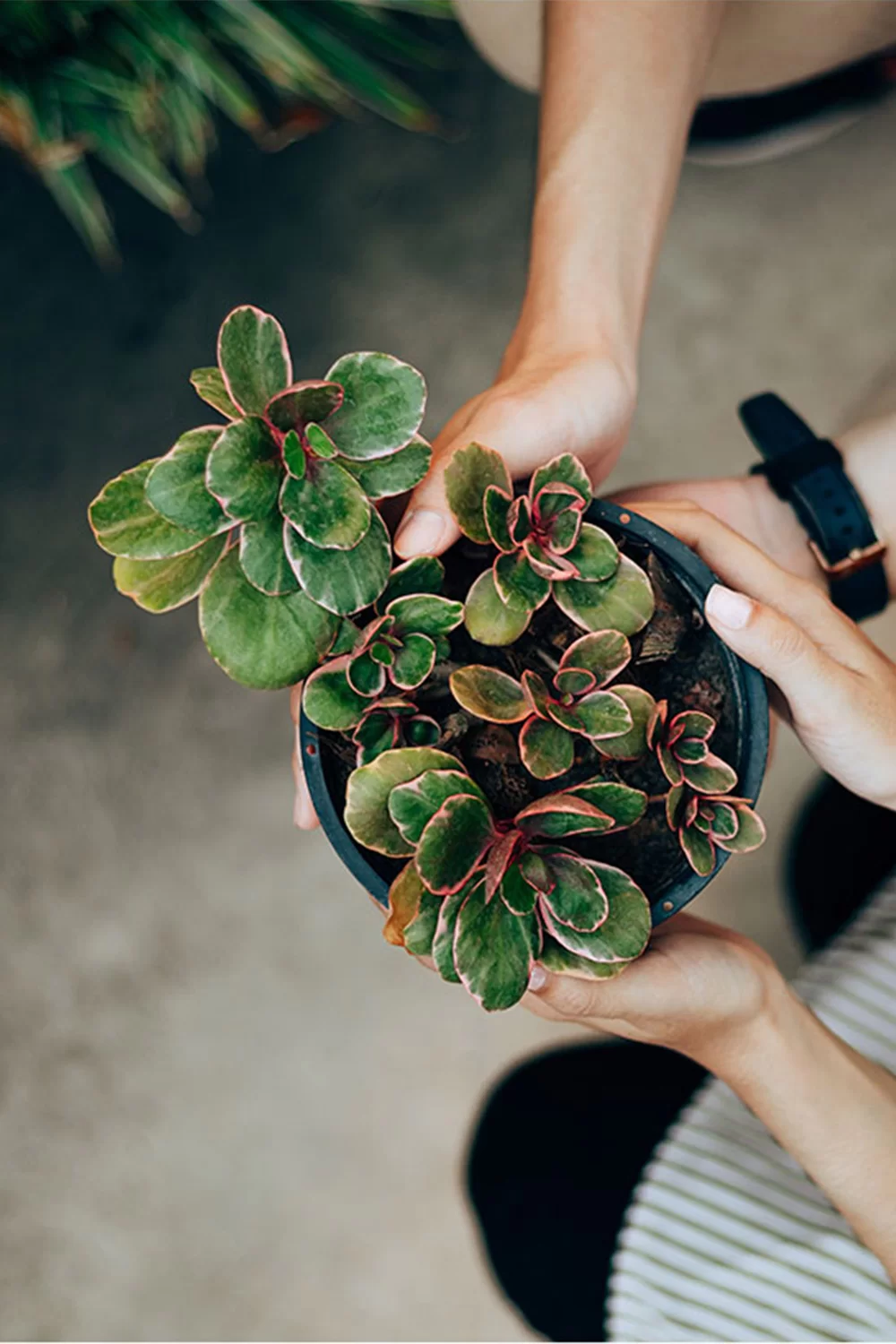
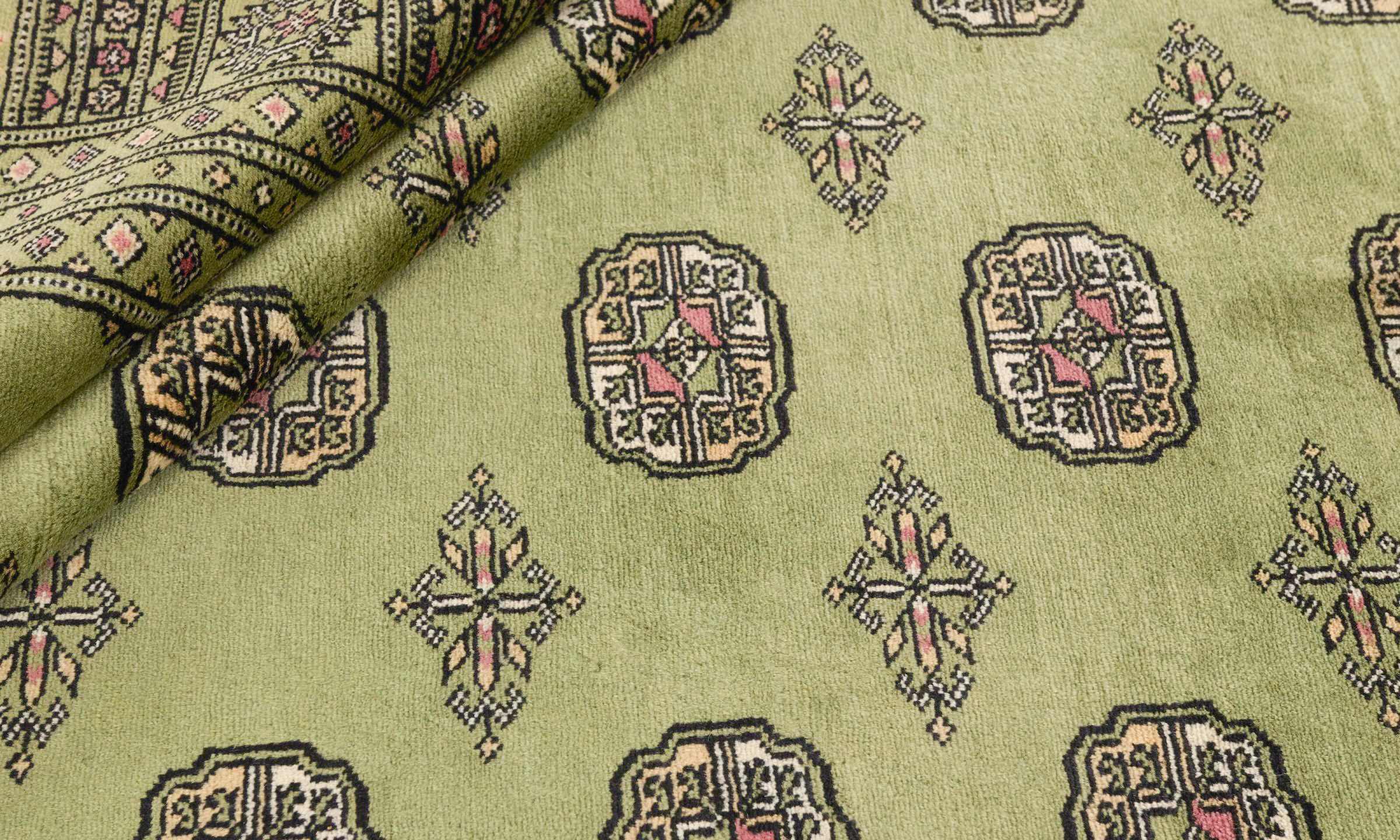
- It represents spring, the renewal of nature and growing life.
- Evergreen plants in particular are associated with symbolism of fertility and immortality.
- Green stands in the “middle” of the colour spectrum, with red as its complementary colour. As a mixture of blue and yellow, it also represents a threefold relationship between colours. This gives green a dual meaning: it can symbolise youth, hope and happiness, but also change, transience and jealousy.
- It combines warmth and cold, as well as the heavenly and the earthly.
- It can also symbolise immaturity, inexperience and naivety.
- In Christianity, green is the colour of immortality and resurrection, and among the Virtues it represents Hope.
In heraldry, green can represent growth and hope. Green is also the opposite of red in safety signalling; for example, it indicates that it is safe to cross the road. It is widely used to represent safety and can also appear on medicines and medical products. Green is closely associated with nature, which is why it is often used to advertise environmentally friendly or “green” products.