An introduction to Bidjar, Bijar and Zandjan rugs

The city of Bidjar in Kurdistan is renowned for its strong, densely knotted rugs. Its history and craftsmanship have profoundly shaped the region’s distinctive rug-making culture and exceptional quality.

Bidjar is a city of around 50,000 inhabitants in the north-western province of Kurdistan. It lies in a fertile valley surrounded by dry mountains and has no major historical monuments. The city primarily serves as a market centre for the surrounding villages.

Its recent history has been dramatic. During the First World War, it was occupied first by Russian forces and then by the Turks, leading to famine and a significant decline in the population. These events are also reflected in the city’s rug-making tradition.

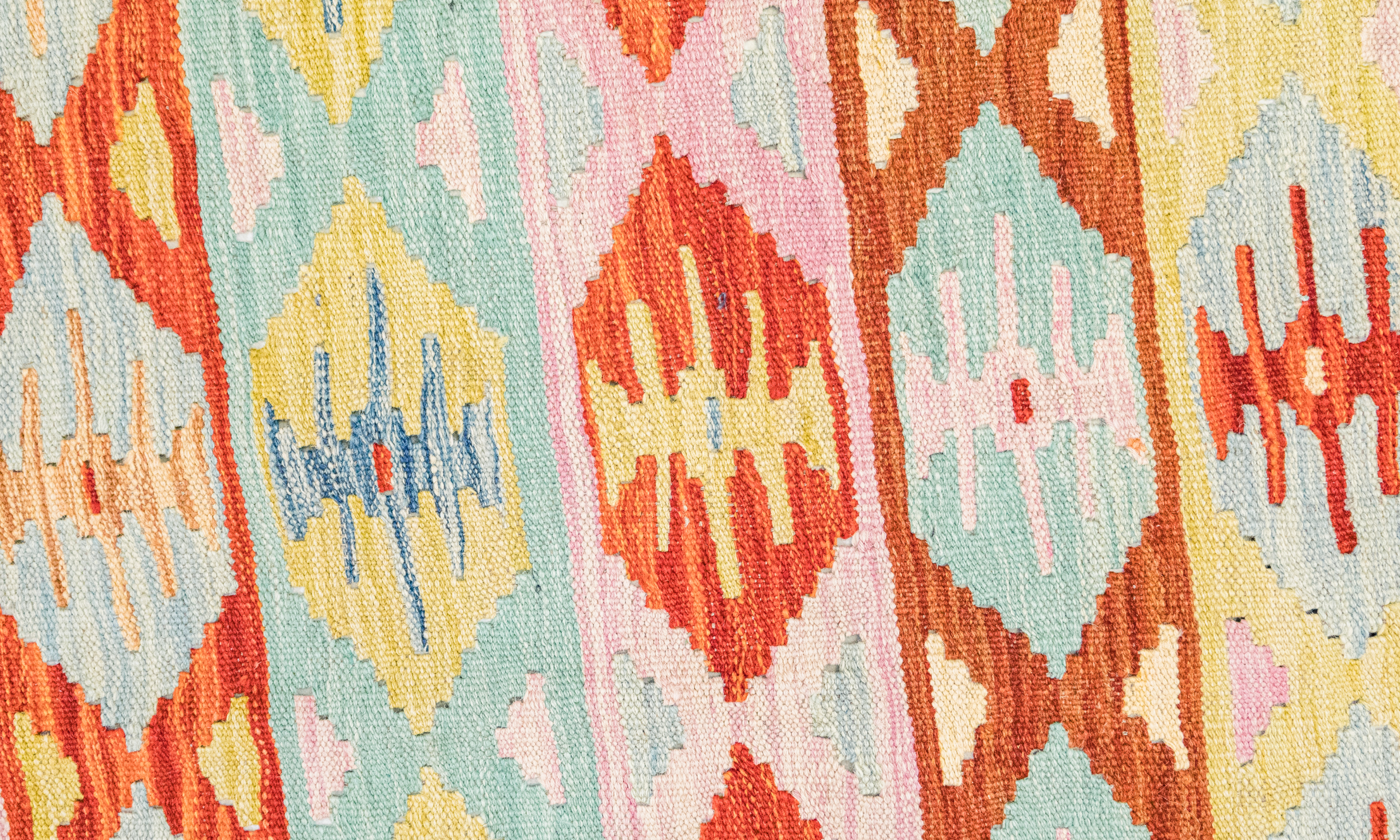
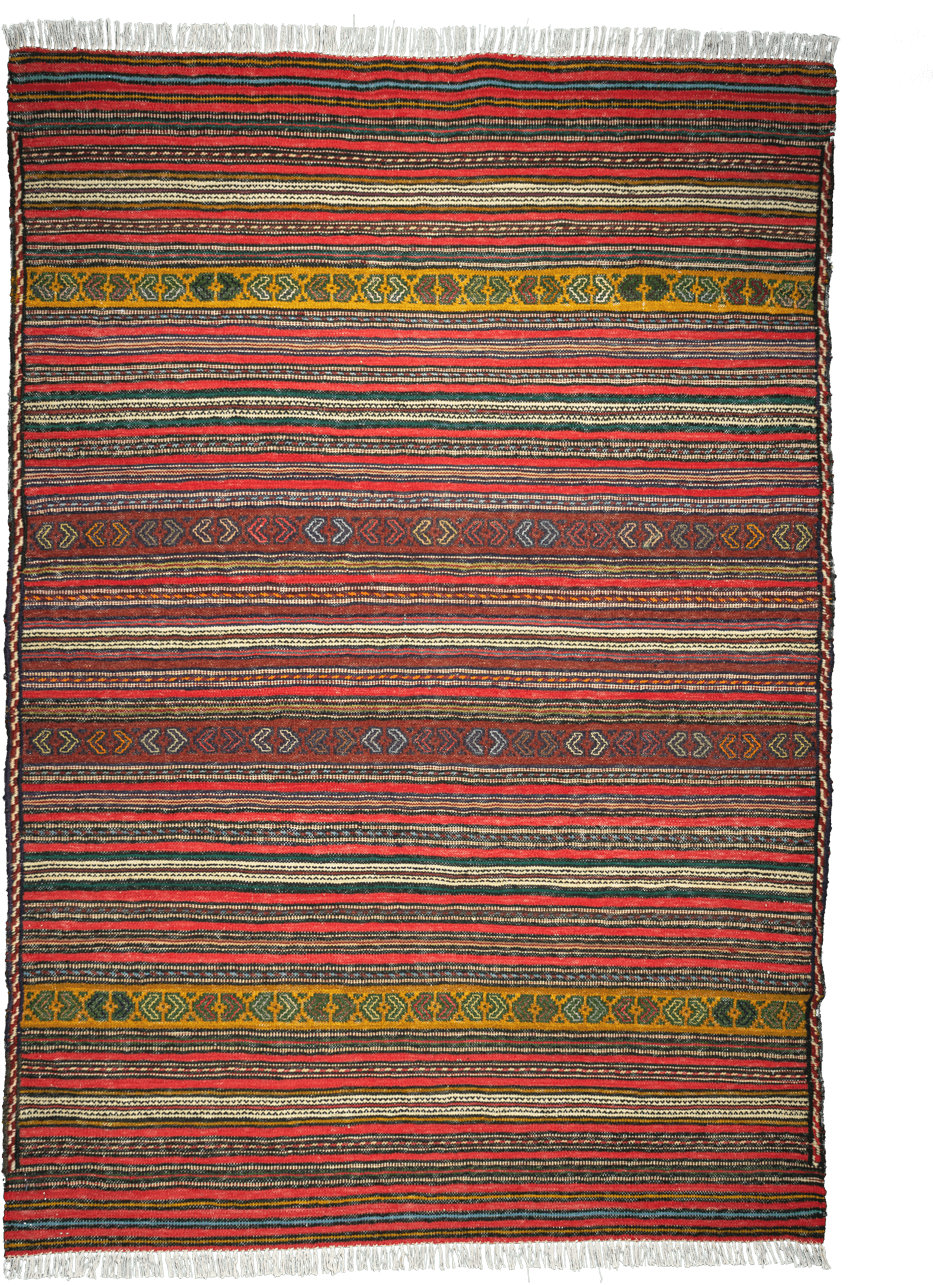
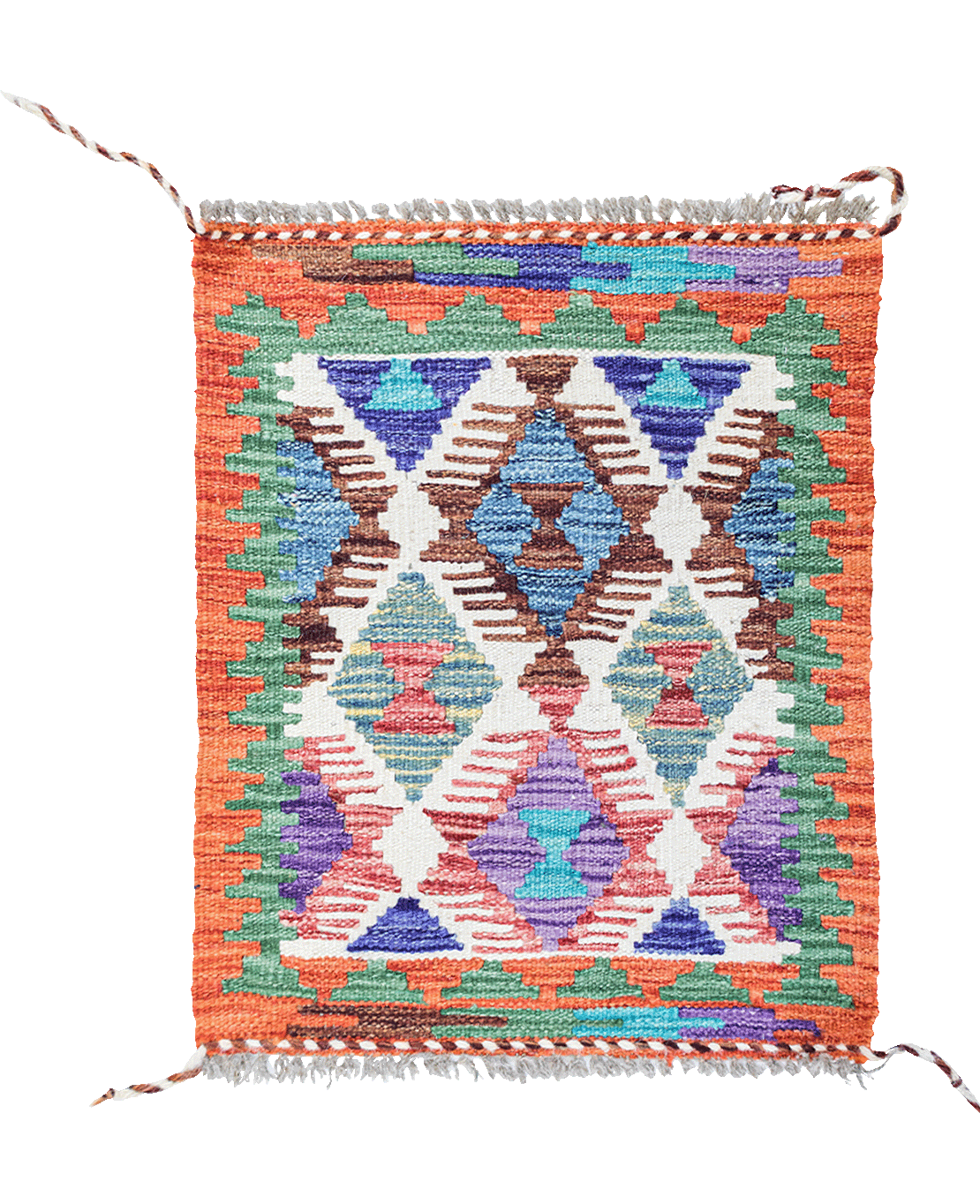
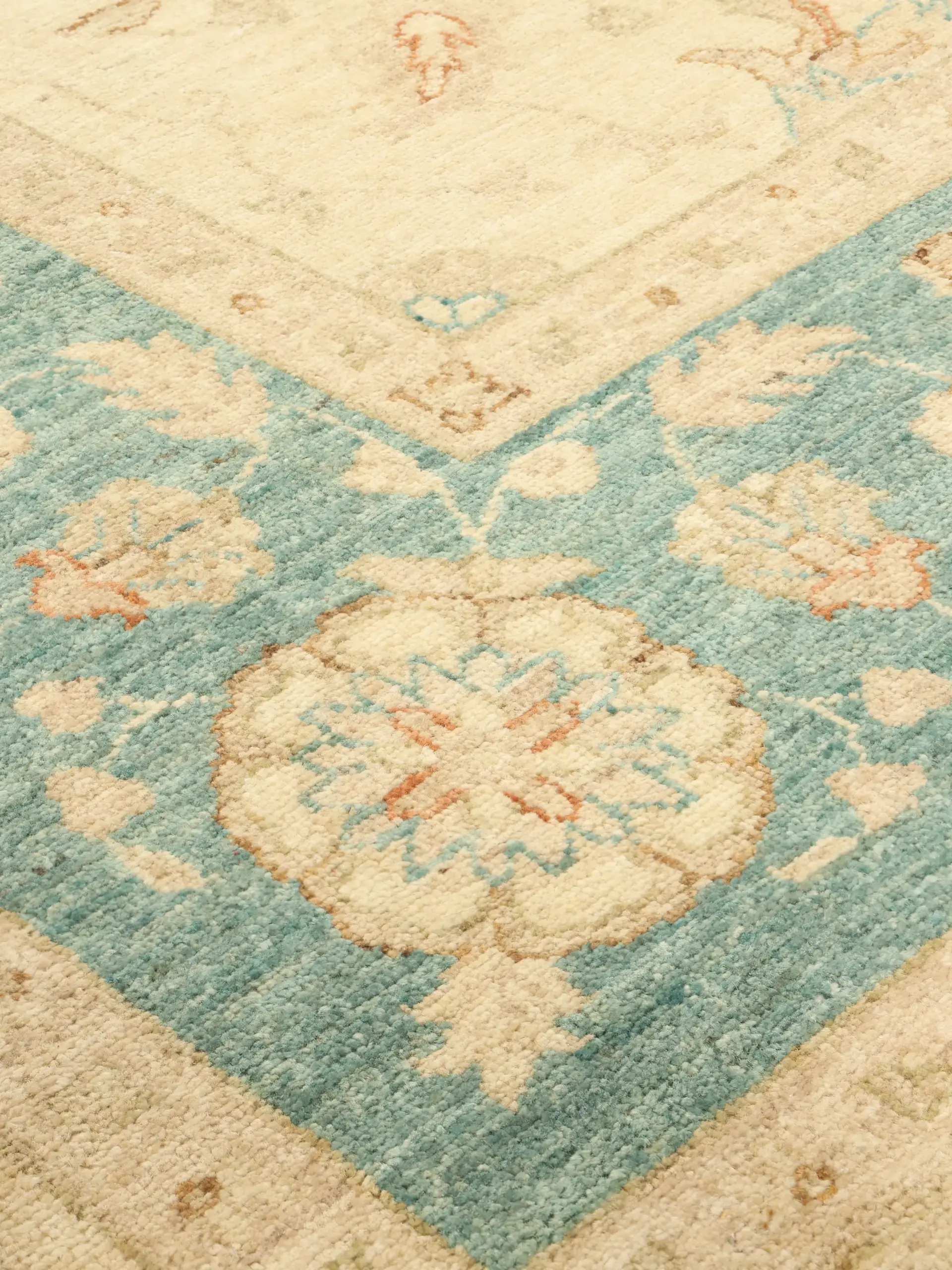
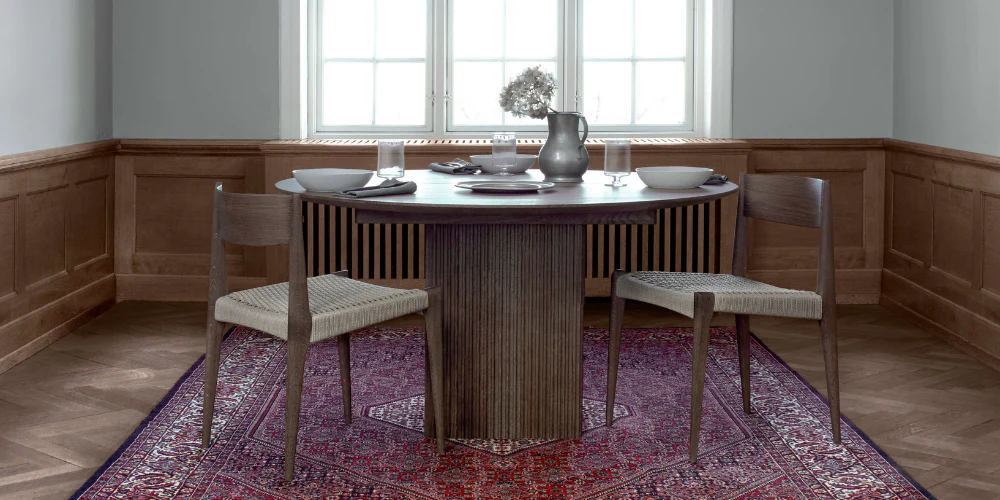
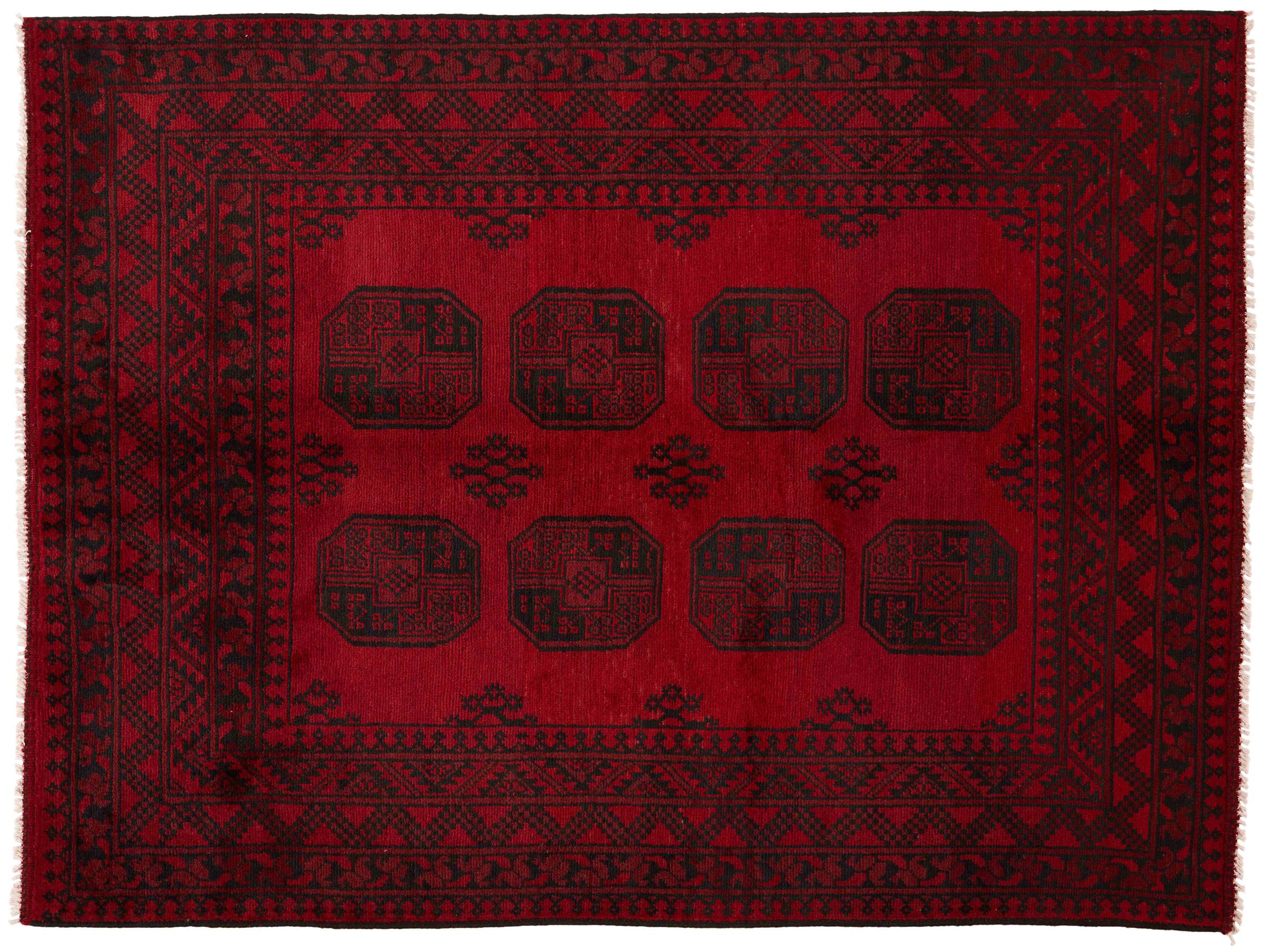
Before the First World War, Bidjar Zandjan rugs were coarsely and firmly knotted with wool warps and wefts. They later became finer and were made on a cotton foundation. Bidjar designs often feature Herati motifs, although Mahi patterns also appear. Their colour palette is typically dominated by vivid reds with lighter borders.

Bidjar rugs have a knot density of between 350,000 and 450,000 knots per square metre. Because they are so tightly knotted, they should always be folded against the direction of the pile, with the fibres facing outwards.

Bidjar rugs contain noticeably more wool than most other rug types. They therefore feel significantly heavier than many other oriental rugs and lie especially firmly once placed on the floor. At the same time, their dense structure provides a resilient and pleasantly soft feel underfoot.
Bidjar / Bijar szőnyegek

Tekintse meg Bidjar/Bijar szőnyegeinket webshopunkon.

Szeretne elsőként értesülni a legújabb híreinkről és linformációinkról?

Cikkeink hasonló témában

Aktscha rugs – Warm-toned classics of Turkmen tradition

Aktscha rugs are a living expression of Turkmen nomadic traditions, with every knot carrying the heritage of Central Asian rug culture. Their deep red ground and traditional gul motifs create a bold yet harmonious visual character. Each piece brings individuality and a sense of history into the home.

2-ply and 3-ply Pakistani rugs – Soft wool and harmonious oriental patterns

These rugs carry forward the refined legacy of Central Asian nomadic traditions, where the orderly simplicity of Tekke and Bokhara patterns meets Pakistani craftsmanship. Their warm colours and soft wool create a cosy, balanced atmosphere.

Afghan kilim rugs – Ancient nomadic weaving traditions in modern homes

Afghan kilim rugs represent one of the oldest forms of Eastern nomadic weaving tradition, featuring a flat, reversible construction and geometric patterns. Durable and easy to use, their natural materials make them a timeless choice for both modern and classic interiors.

Ezek érdekelhetnek még

Ez is érdekes lehet

Ziegler, Ziegler Malmuk and Ziegler Ariana – Craftsmanship, tradition and aesthetic heritage through the eyes of collectors

×
×

Cart