Blog

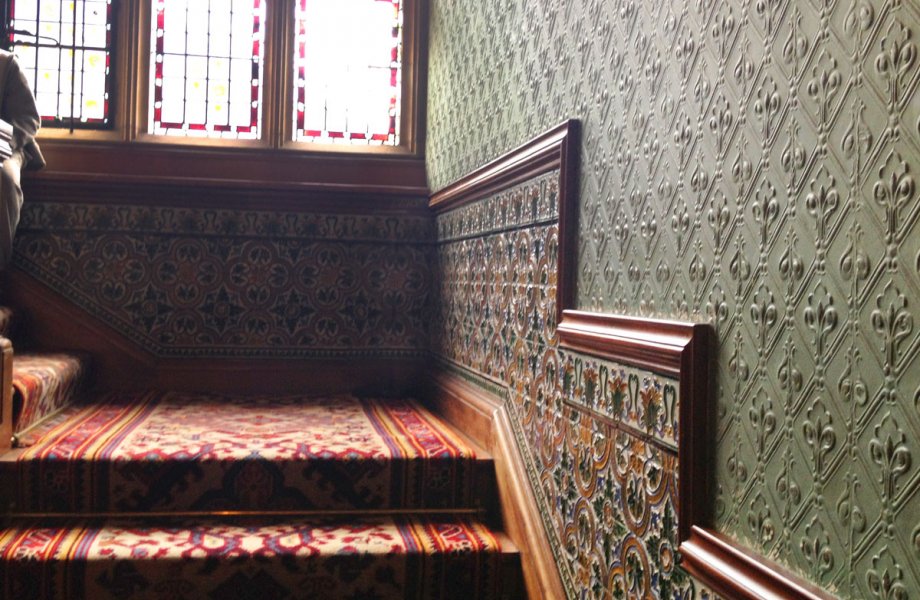
Towards the end of the 19th century, oriental rugs returned to fashion in Europe. Victorians travelled widely and felt a strong fascination with everything from the East.
Europe’s elite greatly influenced the work of rug weavers. They commissioned rugs featuring family coats of arms and national symbols. Royal and wealthy aristocratic families, from Portugal to Poland, spent vast sums on enormous rugs for their palaces and country estates.
For the 1866 Paris World Exhibition, the Polish nobleman Prince Czartoryski lent several 17th-century Persian silk rugs.
A French journalist assumed that the rugs came from a Polish workshop because of their owner. He therefore called them Polonaise rugs. Although this was a misunderstanding, the name remained associated with this type of 17th-century silk rug from Isfahan.
One of Prince Czartoryski’s magnificent Polonaise rugs can still be seen at the Metropolitan Museum of Art in New York.
As oriental objects grew more fashionable, demand also increased. To meet it, workshops began producing rugs too quickly. This marked a period of artistic decline in the Persian rug industry. The arrival of aniline dyes played a major role in this change.
These dyes were expensive. The best-known was a purple shade called fuchsine. Weavers began using them in oriental rugs during the 1870s. At first, they applied only small amounts to add bright accents.
As manufacturers produced more affordable dyes, synthetic colours became increasingly common in rug making. Their use spread especially quickly in Turkey. However, the colours faded easily and spoiled the rug’s overall appearance.
To protect quality, the Persian government threatened severe punishment, including mutilation, for the use of synthetic dyes.
Source: Jamal Abdul Naser
Owner of Kabiri Carpet