Blog
The mysterious craft. The art of rug weaving was developed by nomadic peoples, so the materials and tools used were simple. Most rugs were made from wool shorn from the tribe’s own sheep, washed in a stream and dried in the sun. Yarn made from camel or goat hair was also used occasionally, mainly along the edges of the rug to provide extra strength.
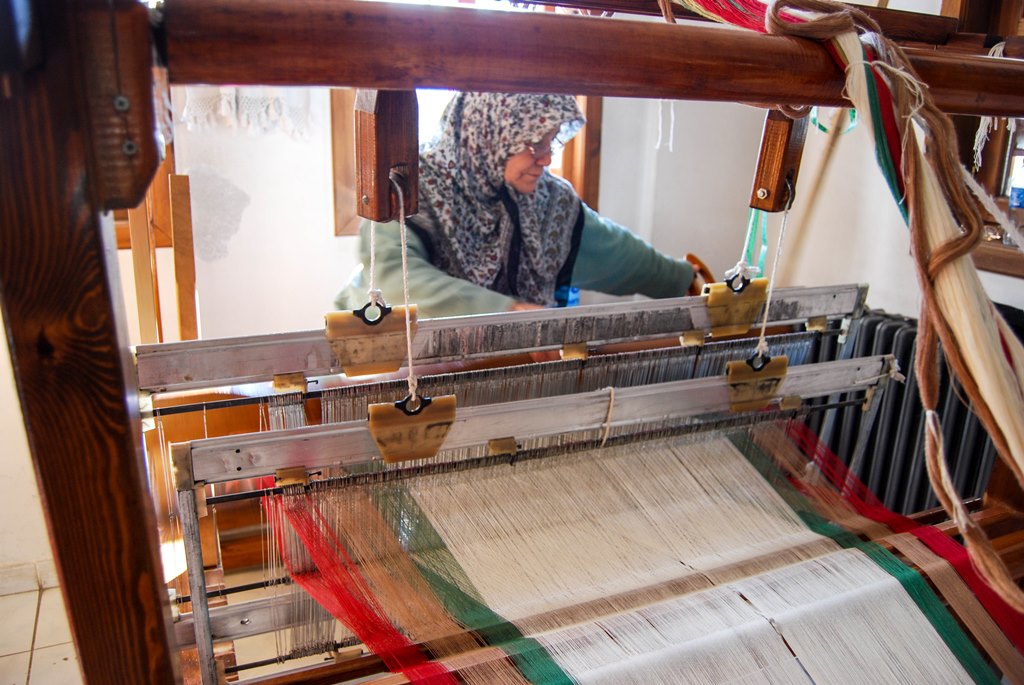
In villages and among nomadic tribes, children’s first task was to card the wool before spinning. Once the fibres had become easier to handle, the older women of the tribe spun them onto simple spindles and dyed them in a wide range of shades using colourants of plant, animal or mineral origin.
To prevent the colours from fading and to make them brighter and more durable, liquid sheep fat was traditionally used as a fixing agent. Today, however, synthetic dyes are used in most places, eliminating this fixing stage.
Apart from the transition to artificial dyes, very few technical innovations have been introduced. The craft has been practised in essentially the same way for more than 2,500 years.
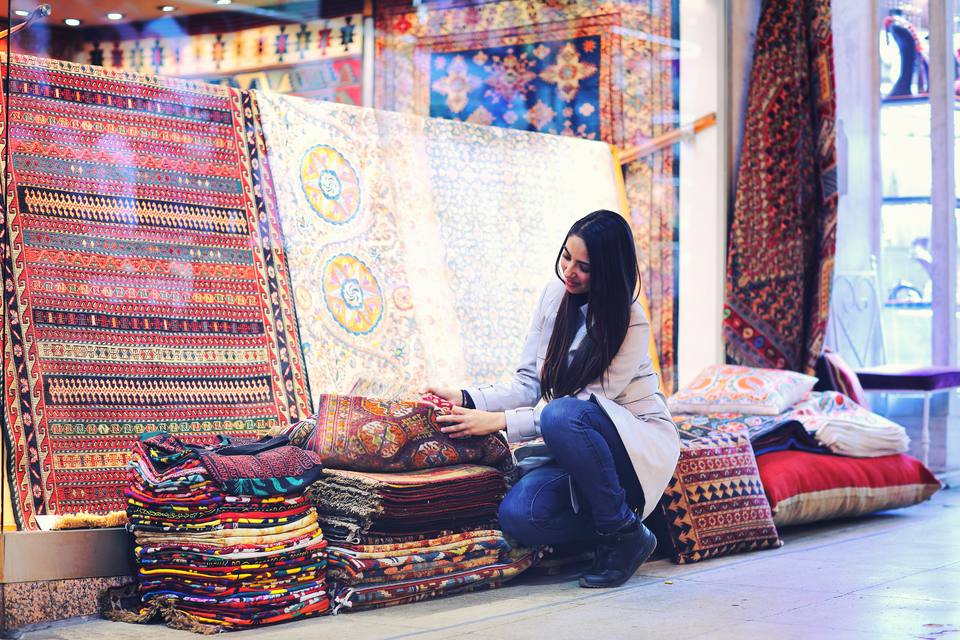
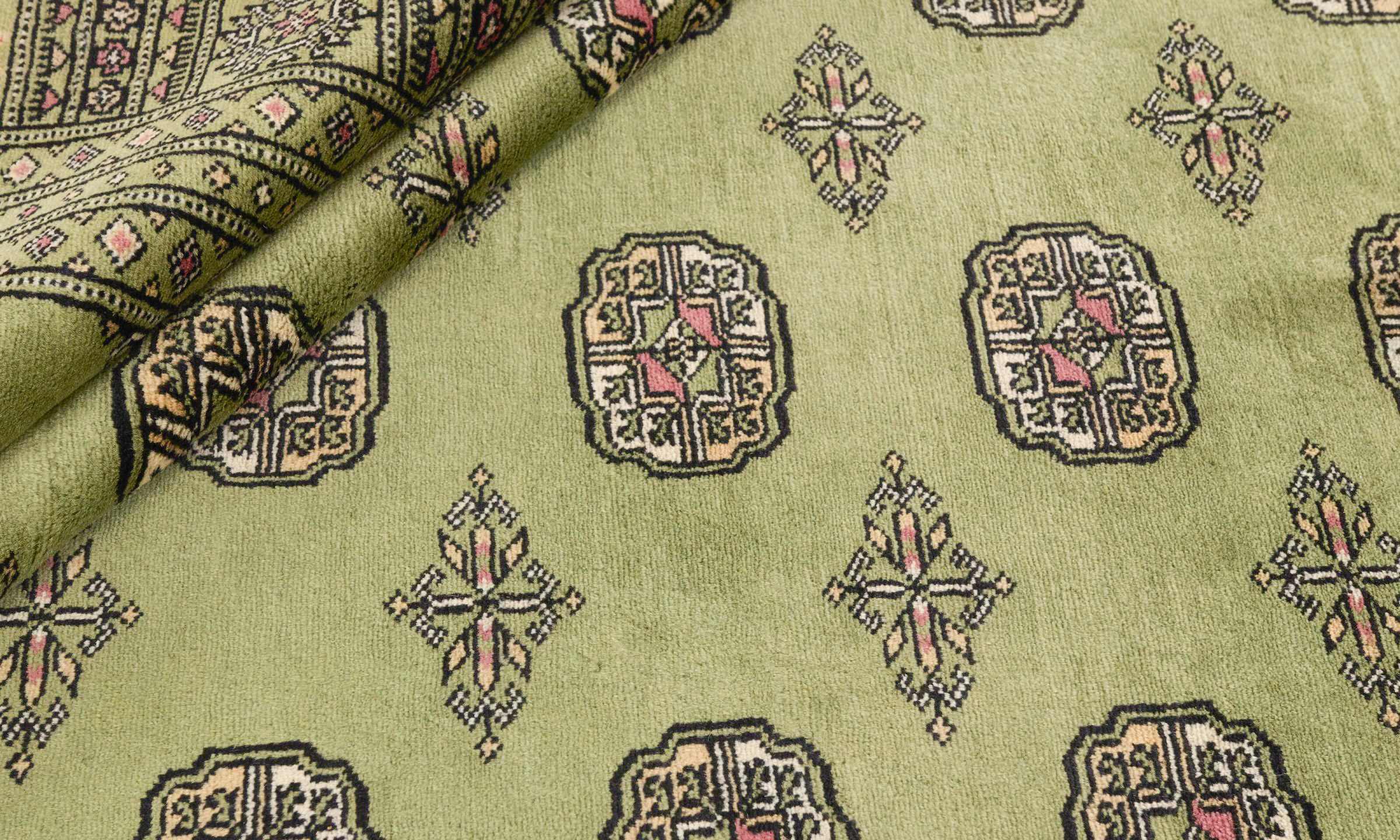
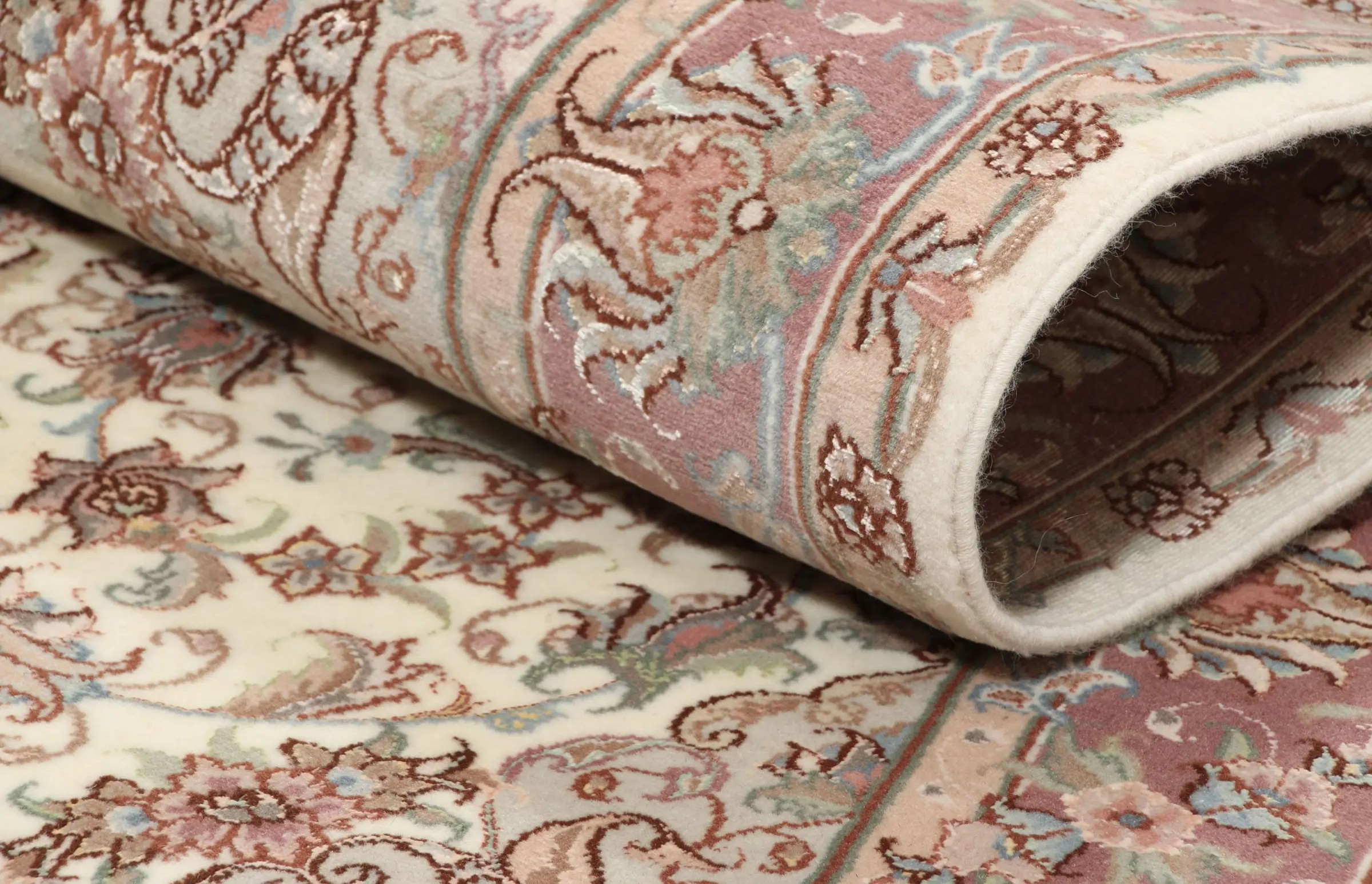
We will not discuss machine-made rugs in detail, but it is worth noting that they can be recognised by the absence of the pattern on the reverse side.
Nomadic peoples always used collapsible looms so that they could simply roll up an unfinished rug and carry it to their next campsite. These looms consist of two straight poles, no longer than a human arm, secured to four thick stakes driven into the ground to keep the frame stable.
The warp threads—the vertical strands—are stretched as closely together as possible between the two poles. The closer these threads are to one another, the more densely the knots will be arranged and the finer the finished rug will become.
Once a border of two to three centimetres has been completed, the first row of knots is begun. Nimble fingers loop the yarn around two warp threads, or more rarely three or four, before pulling the knot tight.
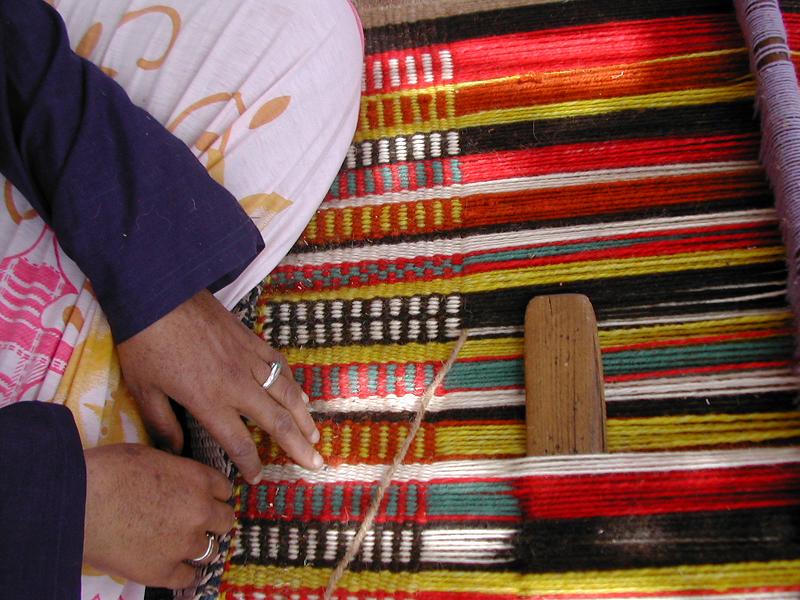
There are two basic types of knot: the Turkish, or Ghiordes knot, and the Persian, or Senneh knot. The type of knot used does not determine the quality or value of a rug, although it can help identify its place of origin.
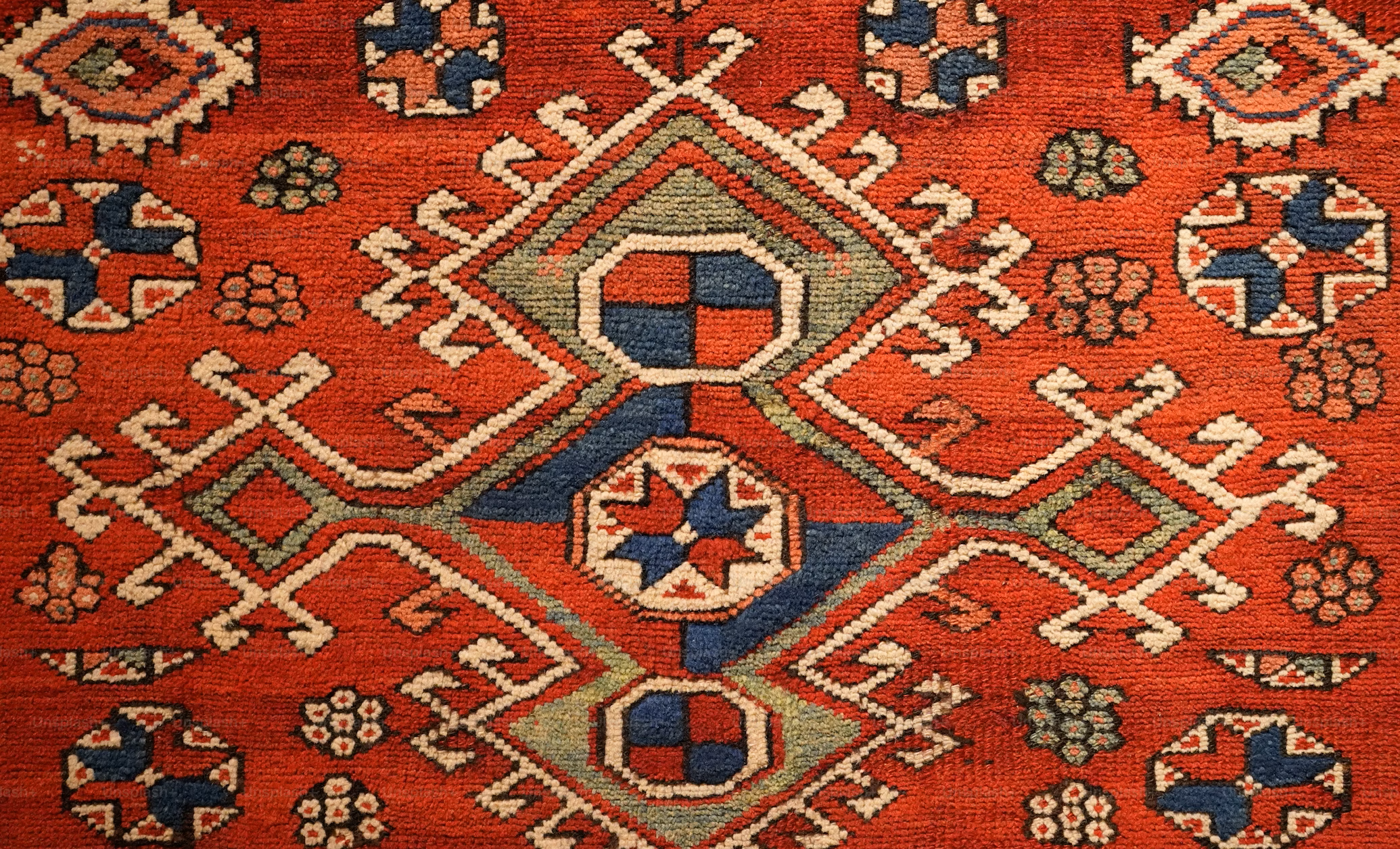
The methods used to create geometric patterns are passed down orally from mother to daughter, but each weaver may combine them according to her own taste. The designs often feature objects and living creatures that are especially dear to the maker, such as birds or dogs, and that hold an important place in the life of the tribe.
/To be continued/
Source: Jamal Abdul Naser
Owner of Kabiri Carpet