Blog
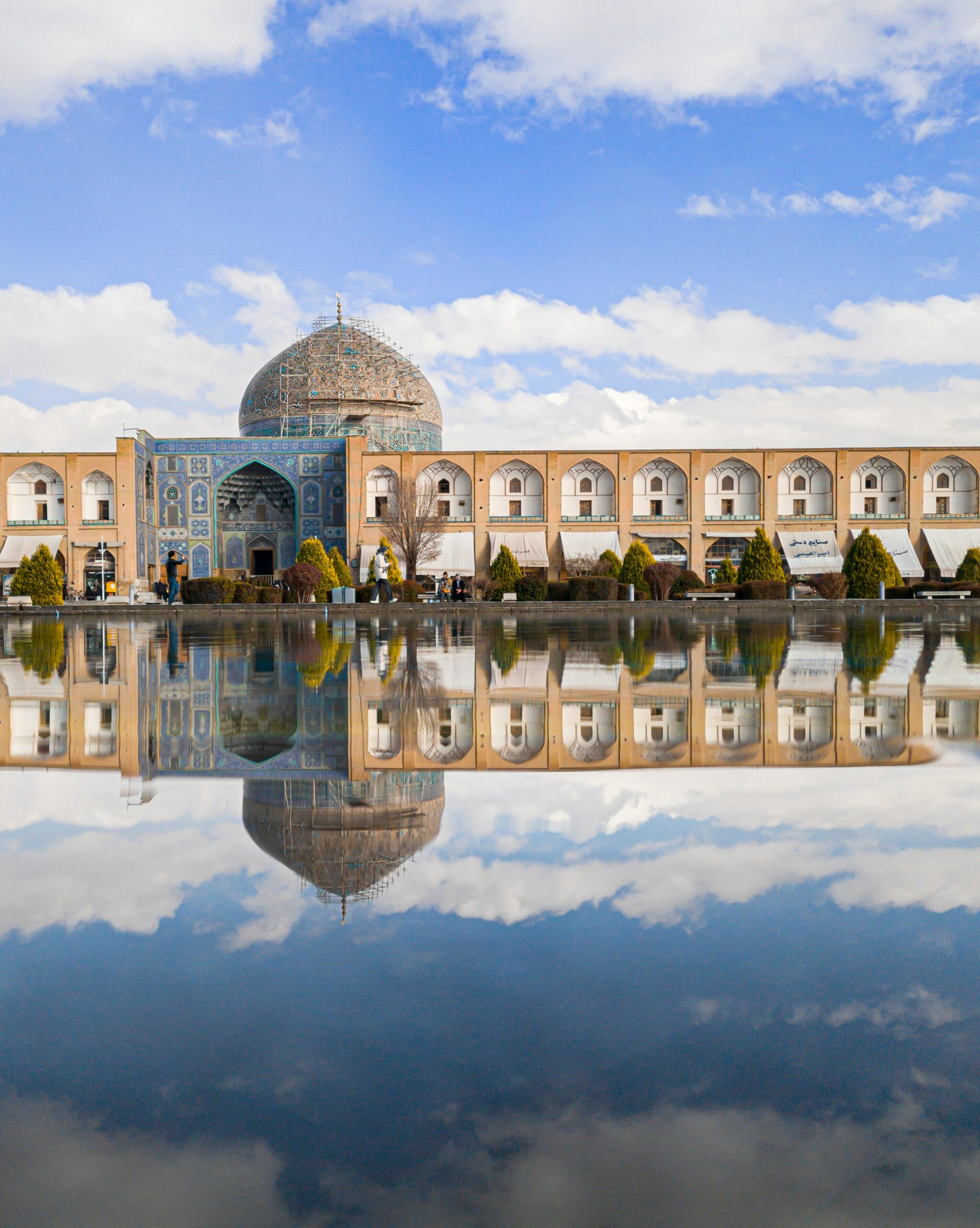
Iran is one of the most important homelands of oriental rugs. Its landscape ranks among the harshest in the world. In this barren, dry region, temperatures swing between scorching heat and bitter cold. Towns and villages therefore developed around oases. Melting snow and irrigation channels supplied these areas with water and made farming possible.
A large part of the population traditionally followed a nomadic way of life. They constantly searched for fresh pastures for their goats and sheep. These herds formed the foundation of their livelihood.
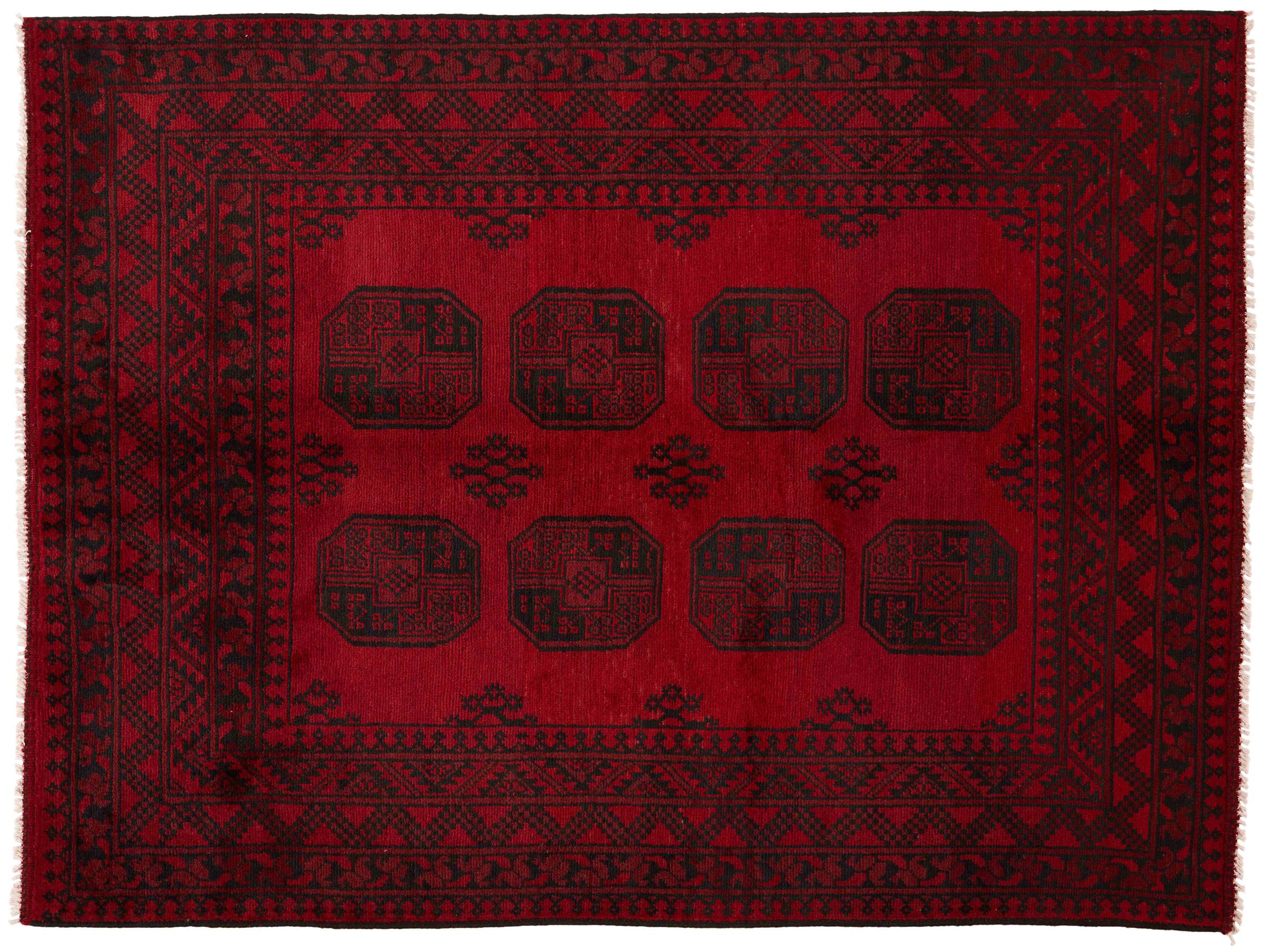
The animals provided meat, milk and wool. People traded both the raw wool and the rugs woven from it. Persians have a deep love of colour, pattern and form. This may reflect their response to the harsh natural environment.
Woven motifs often share similar foundations across the country. However, each tribe interprets them in its own way. The love of decoration appears in many parts of everyday life. Women wear brightly coloured clothes, vivid silk belts and shimmering scarves covered with coins.
Horses and camels play an essential role during migration. Nomads decorate them with woven harnesses, saddlecloths and panniers. Their traditional tents create a striking contrast. The black exteriors look plain, much like the surrounding landscape. Inside, however, the walls burst with colour and pattern.
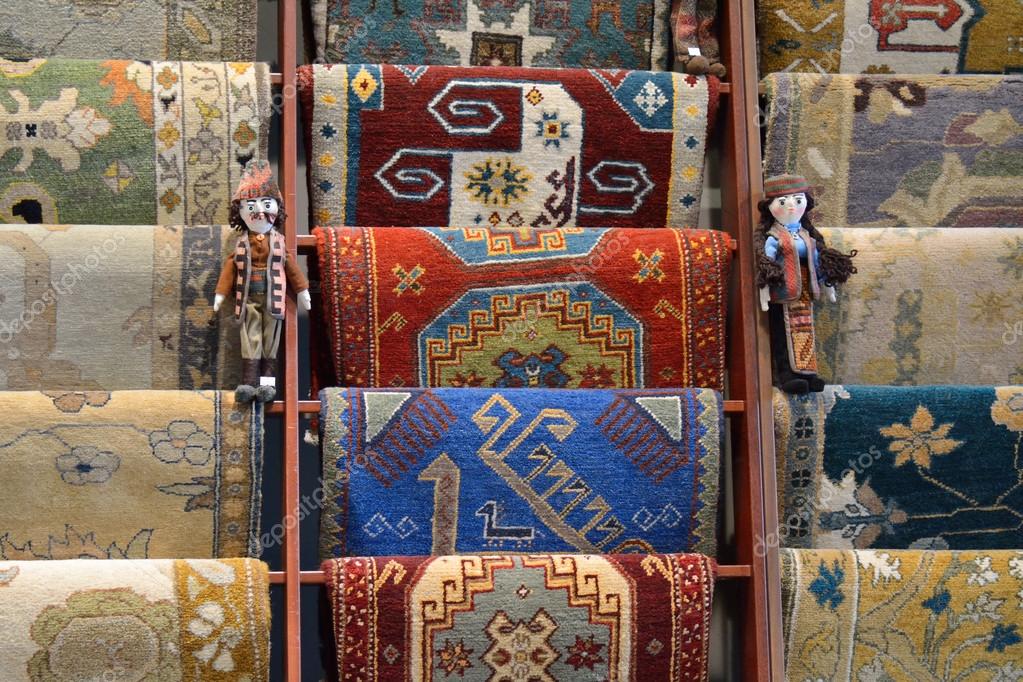
They cover the walls and ceiling with draperies. Simple felt covers the floor, with colourful knotted oriental rugs laid on top.
Rug makers enjoy great respect among their fellow countrymen. Countless stories and legends reveal the special place rugs hold in the hearts of the Persian people.
The next issue of the KABIRI® NEWSLETTER will introduce a few of these legends and tales.
Source: Kunvári Antal
Former member of Kabiri Carpet