Blog
The origins and characteristics of Klardasht rugs
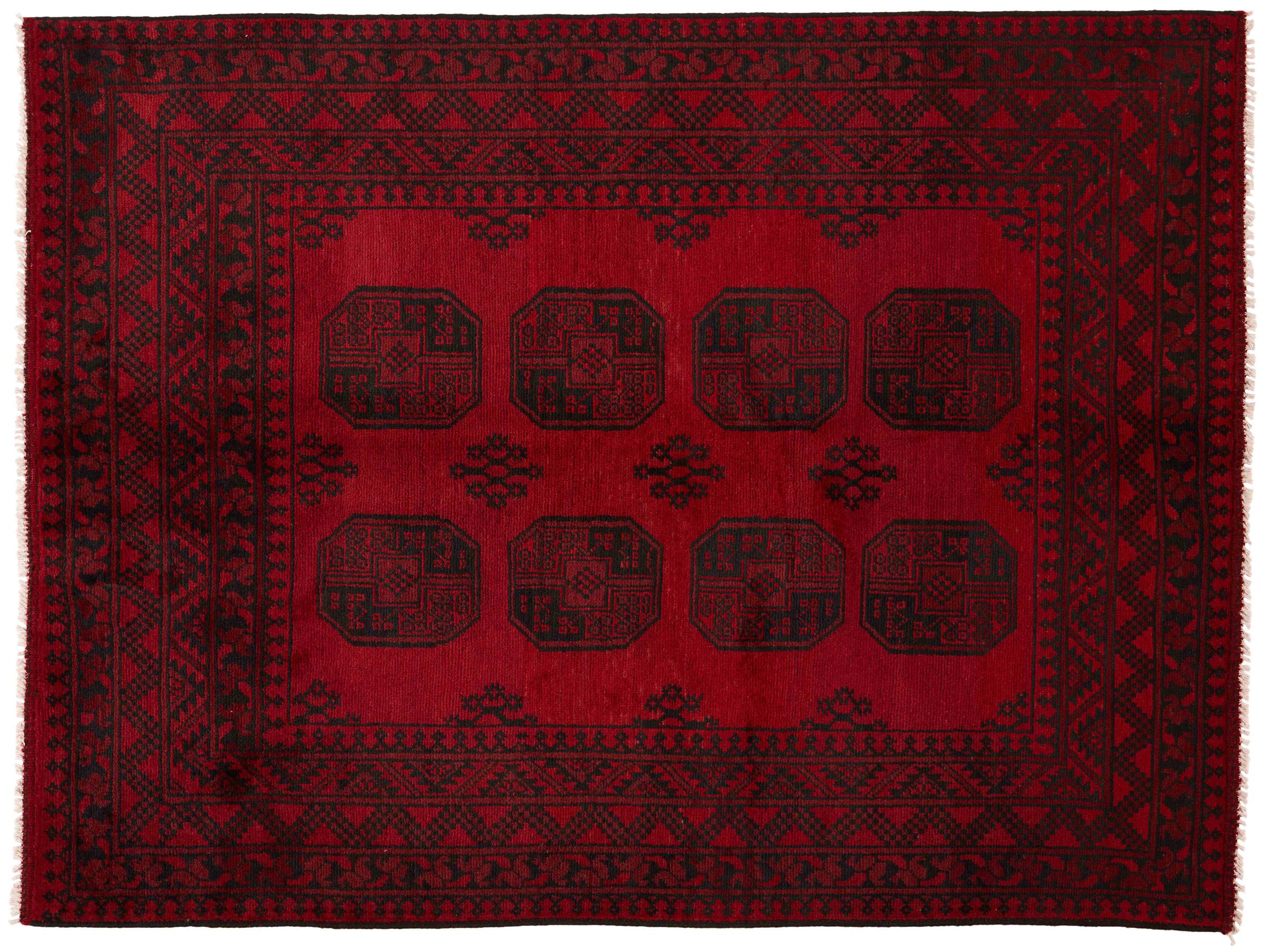
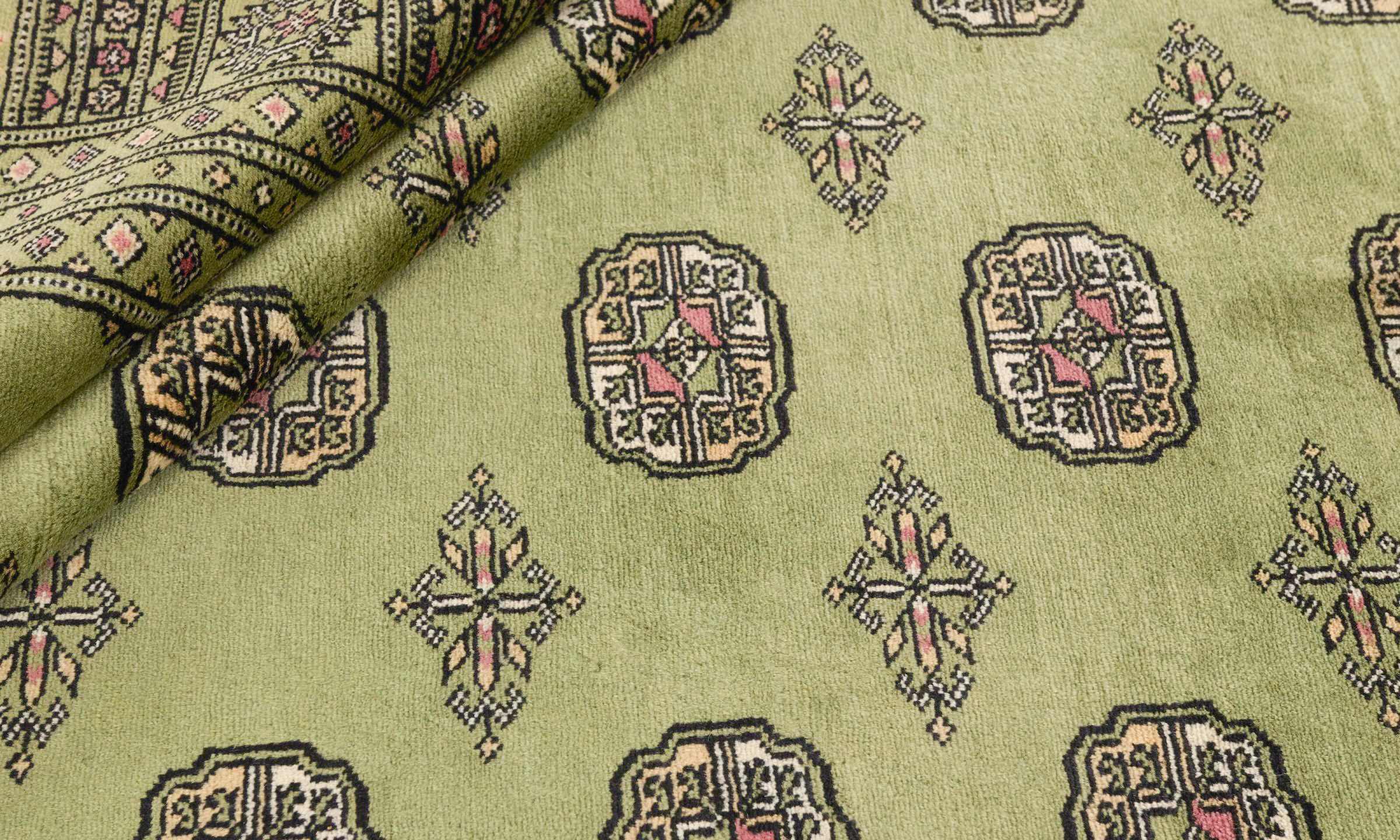
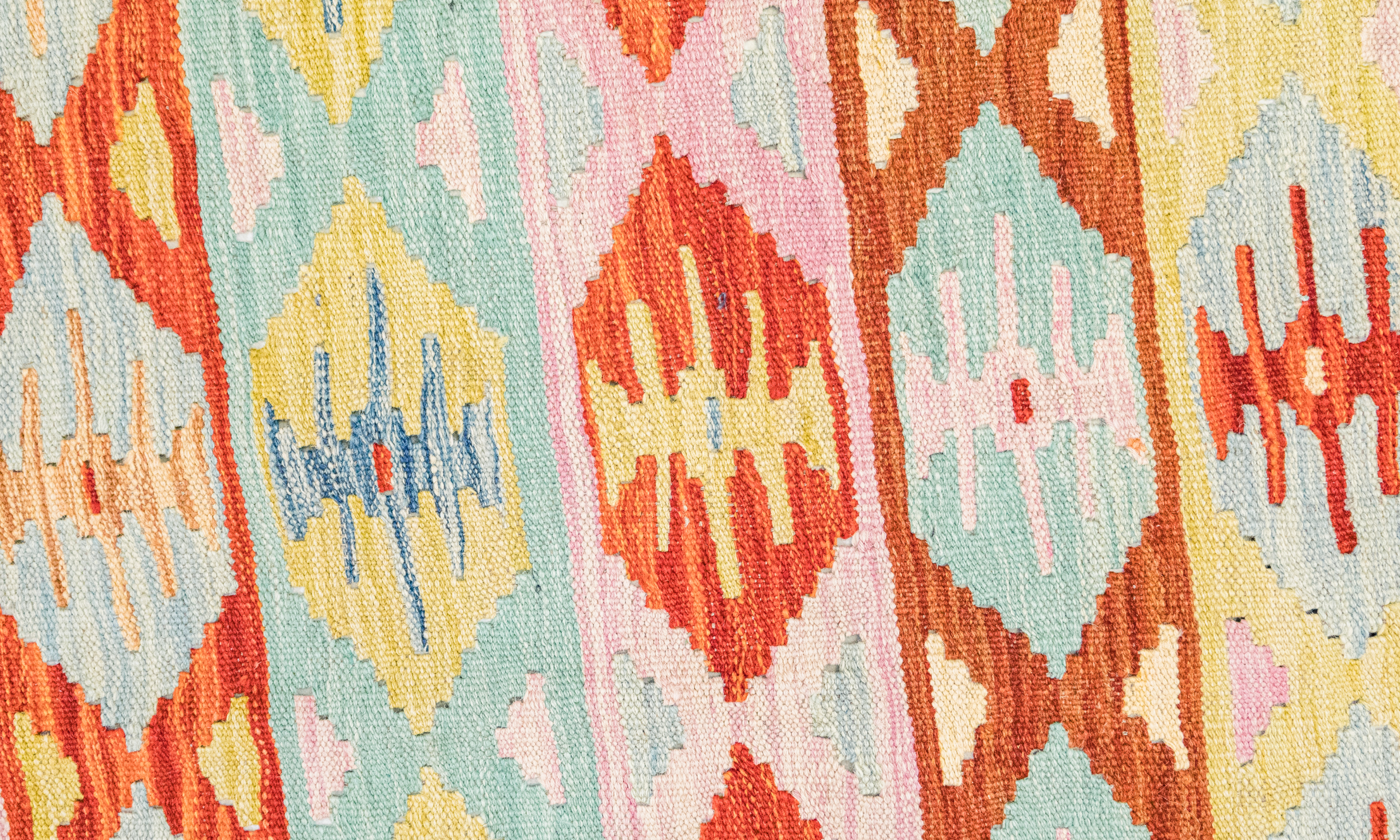
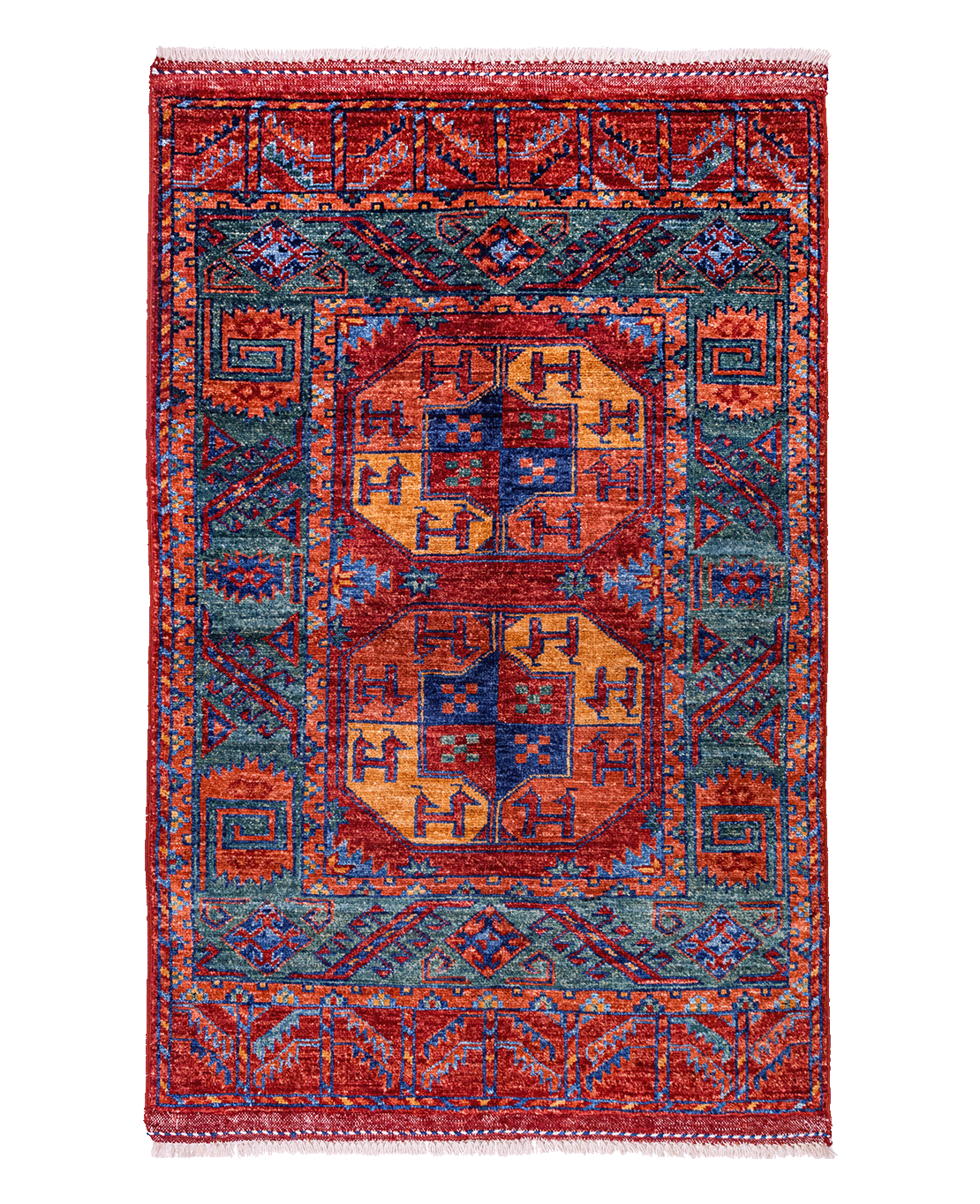
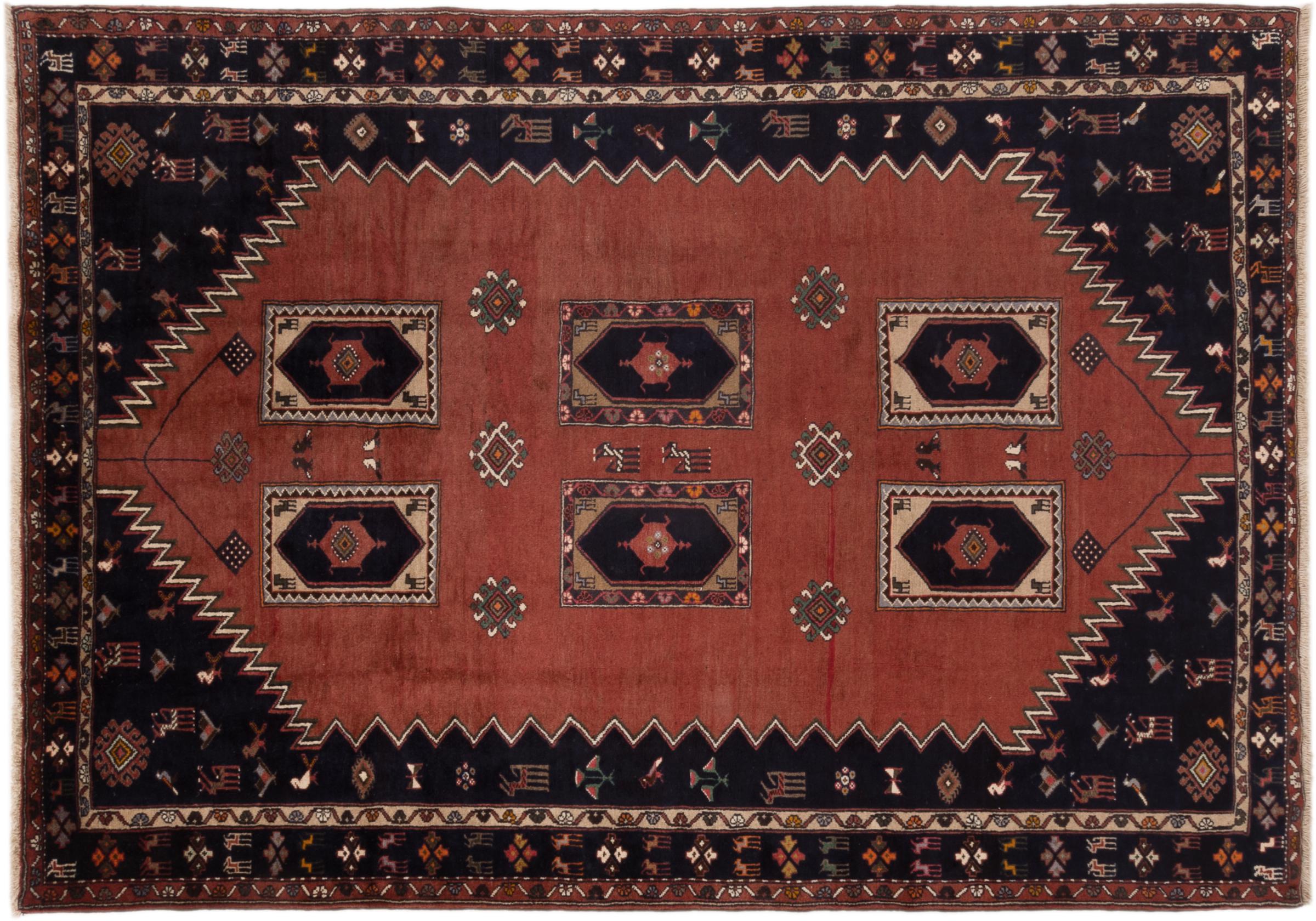
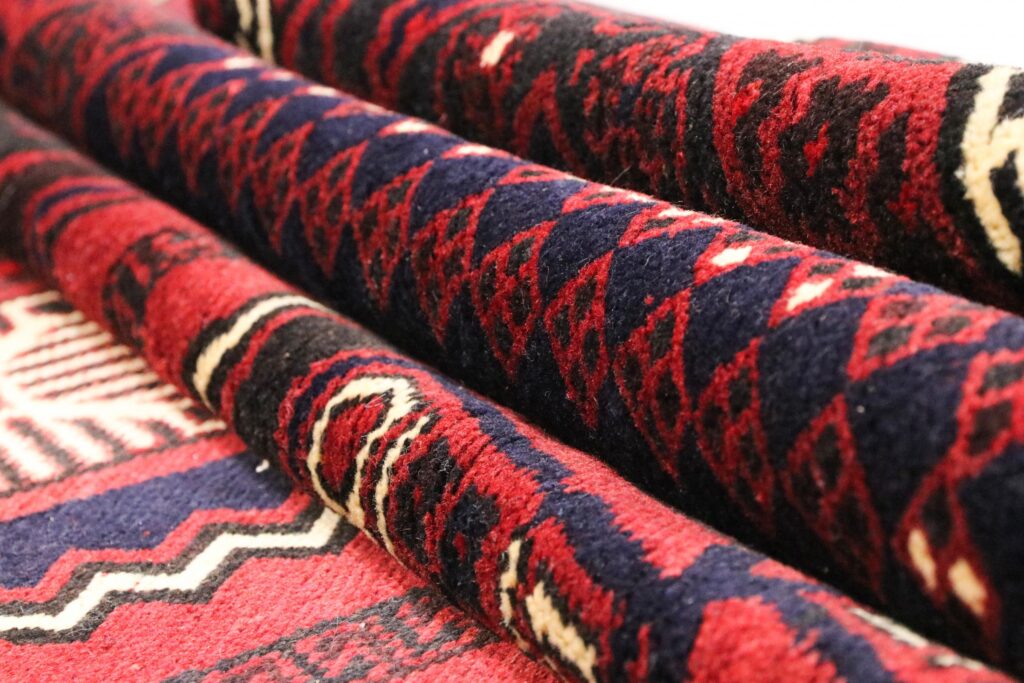
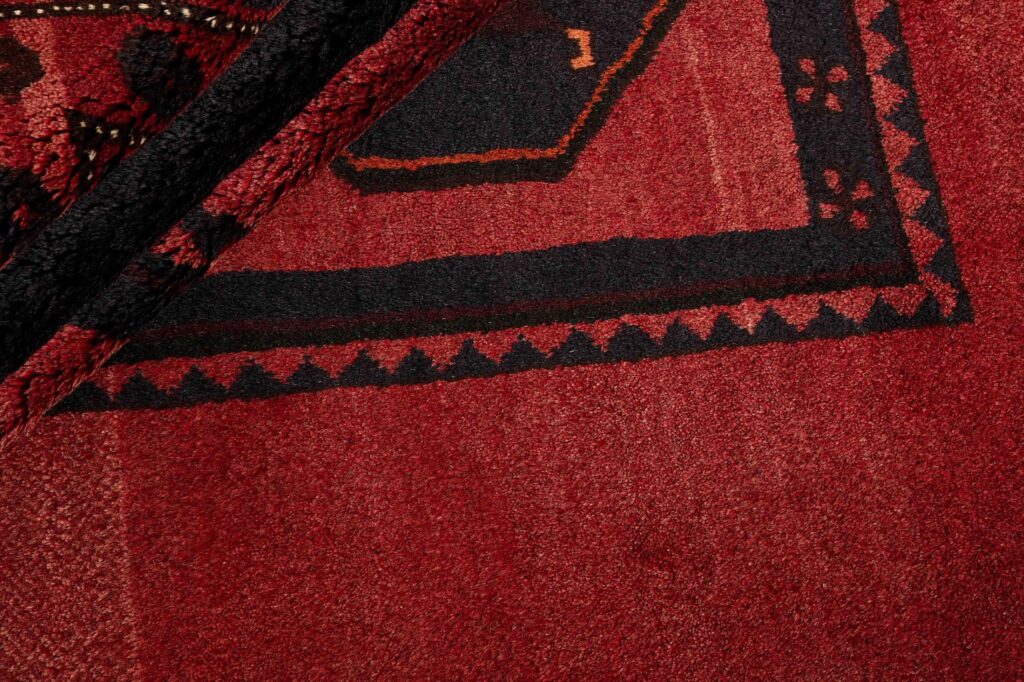
Klardasht is a small town in northern Iran, situated on the southern side of the Alborz Mountains near the Caspian Sea. This geographical location strongly distinguishes it from the surrounding rug-making regions, which is clearly reflected in the unique visual style of Klardasht rugs. Their most distinctive feature is the use of large, clean fields of colour. The designs often have a minimalist character, with broad areas of solid colour interrupted only by smaller contrasting accents that seem to stand out from the surface of the rug. This visual approach is rare in traditional Persian rug culture and gives these pieces a modern, almost abstract appearance.
Patterns and materials
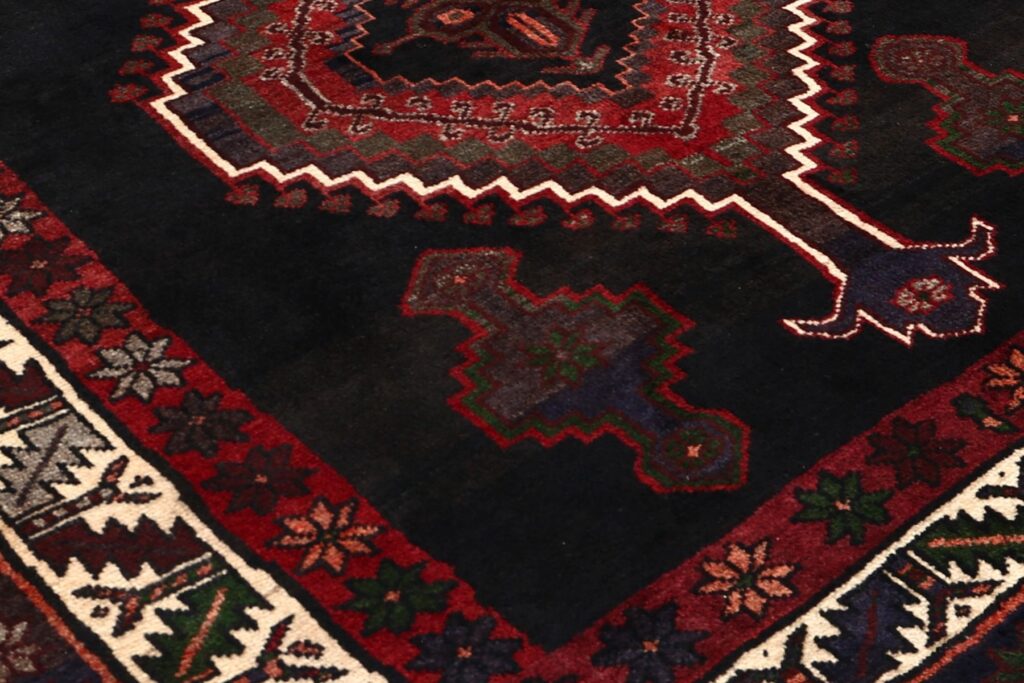
The patterns often feature hexagonal forms framed by simple, rudimentary white lines. A stylised scarab sometimes appears as the central motif. Decorative figures and floral motifs may also feature in the centre and borders, though these are rendered in a restrained, geometric style. Dark blue and brown often dominate the colour palette in bold, block-like arrangements. The rugs are made from thick, soft wool with cotton warp and weft, typically using the Turkish, or Ghiordes, knotting technique. Their knot density generally ranges from 150,000 to 250,000 knots per square metre.
The evolution of Klardasht rug quality
Historically, the quality varied. In the mid-20th century, Klardasht rugs were produced to a high standard. Later, between 1965 and 1980, demand from Western markets led to simpler patterns and colours, resulting in a decline in quality. After the 1979 revolution, however, production returned to a more traditional and balanced standard.
Interior design tips and recommended uses
Thanks to their bold, contrasting appearance, Klardasht rugs work particularly well in modern and minimalist interiors. If a space feels too sterile or monochromatic, these rugs instantly add character and visual depth. Interior design tip: their large blocks of colour look especially striking when paired with light, clean-lined furniture. White, grey and natural wood surfaces highlight the dark blue and brown tones, allowing the rug to become the focal point of the room. In open-plan living areas, the rug can also serve as an effective space-defining element, as its strong visual presence naturally outlines a seating or relaxation zone. It creates a particularly striking contrast in loft-style and Scandinavian interiors.
The value and distinctive qualities of Klardasht rugs
The uniqueness of Klardasht rugs lies in their departure from the traditional ornamental language of Persian rugs. Instead, they rely on geometry, fields of colour and strong contrasts. This modern appearance, combined with traditional hand-knotting, creates a distinctive visual experience. Historical changes, including shifting markets, export demands and cultural transformations, have all influenced the development of the style. Klardasht rugs can therefore be viewed as a living record of evolution within Persian rug culture. A Klardasht rug is an ideal choice for those who wish to bring traditional Persian craftsmanship into their home in a cleaner, more modern visual form.
Source: Jamal Abdul Naser
Owner of Kabiri Carpet