Blog
The origins and characteristics of Gabbeh rugs
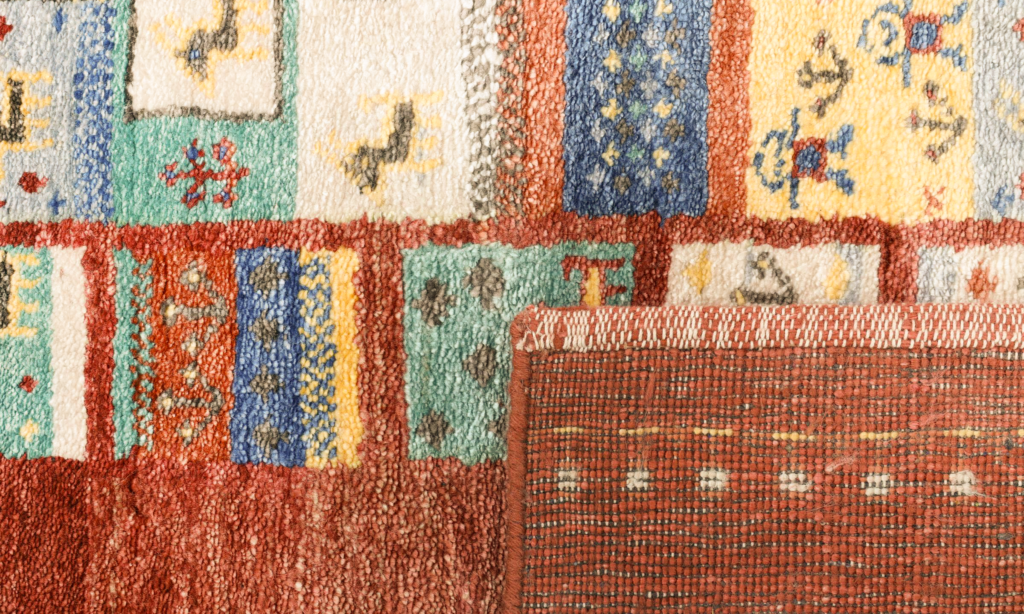
Gabbeh rugs originate from the traditional weaving culture of the Luri people and the nomadic Qashqai tribes of southern Iran. In Persian, the word “gabbeh” means raw or natural, which perfectly reflects the rugs’ clean visual style. These pieces represent one of the freest and most organic branches of Persian rug culture, where the design creates impact through simplicity rather than complexity. They are made from hand-spun wool and traditionally coloured with vegetable dyes. Their thick, soft pile provides a warm and comfortable feel while creating an exceptionally durable structure. The warp, weft and pile are often made entirely from hand-spun wool, further enhancing their natural character.
Patterns and colours
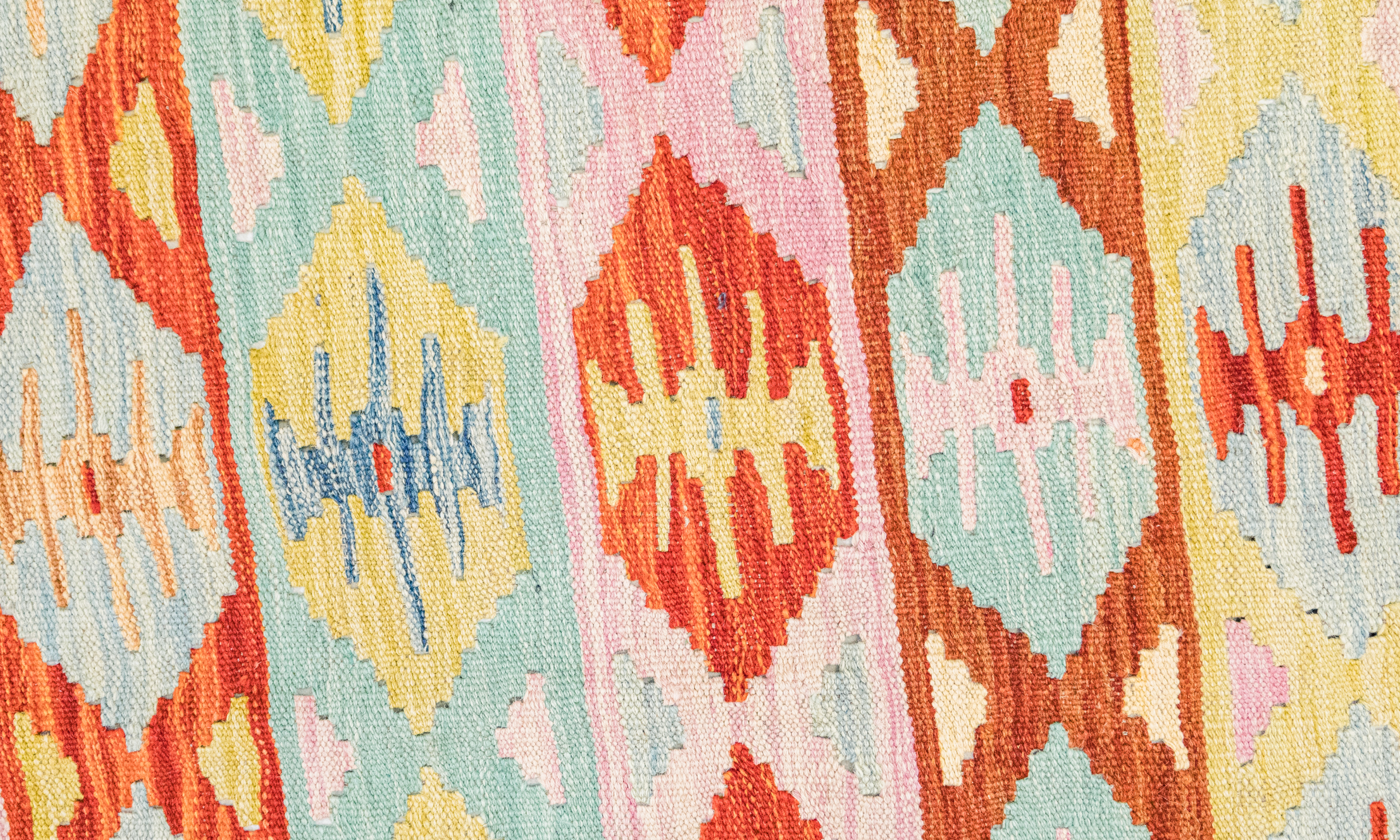
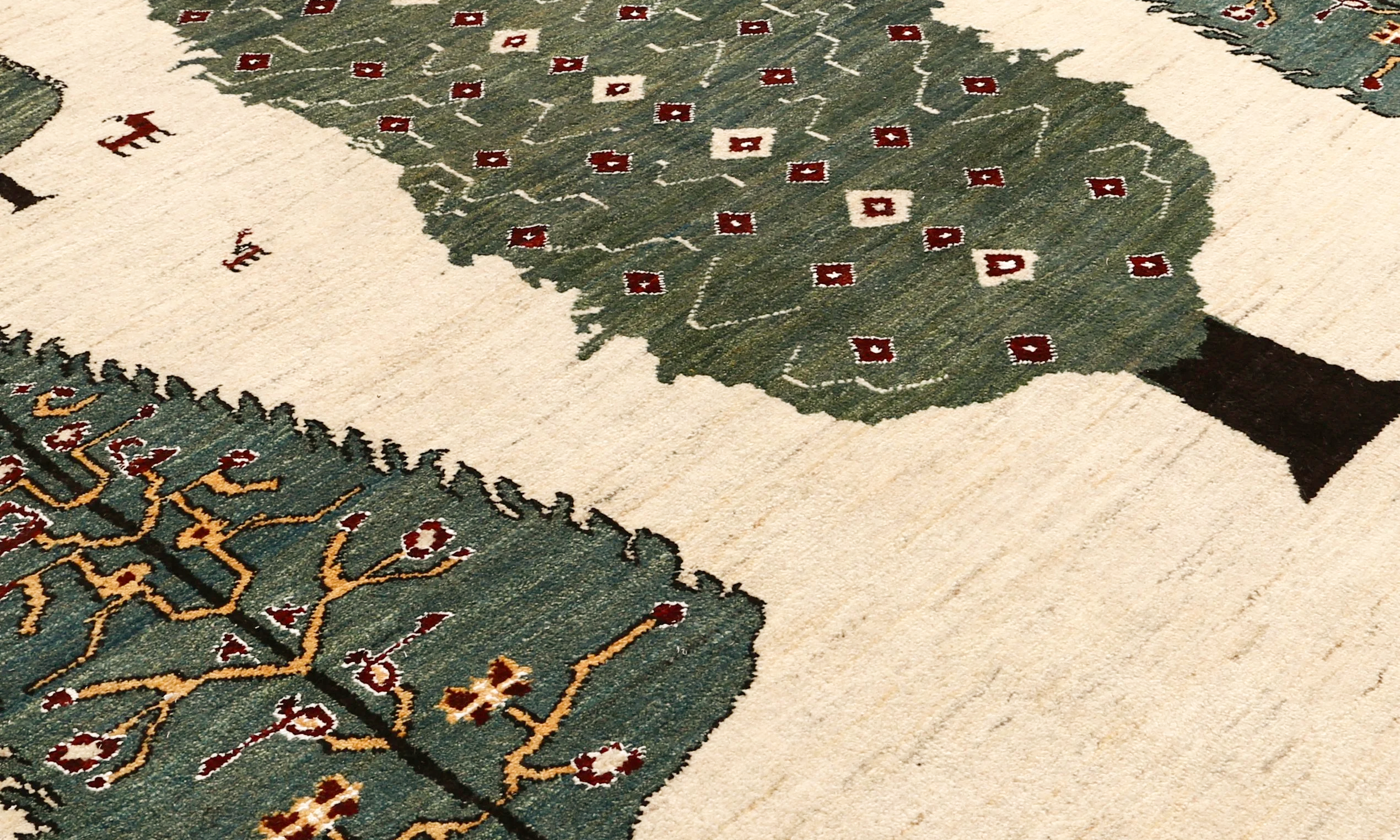
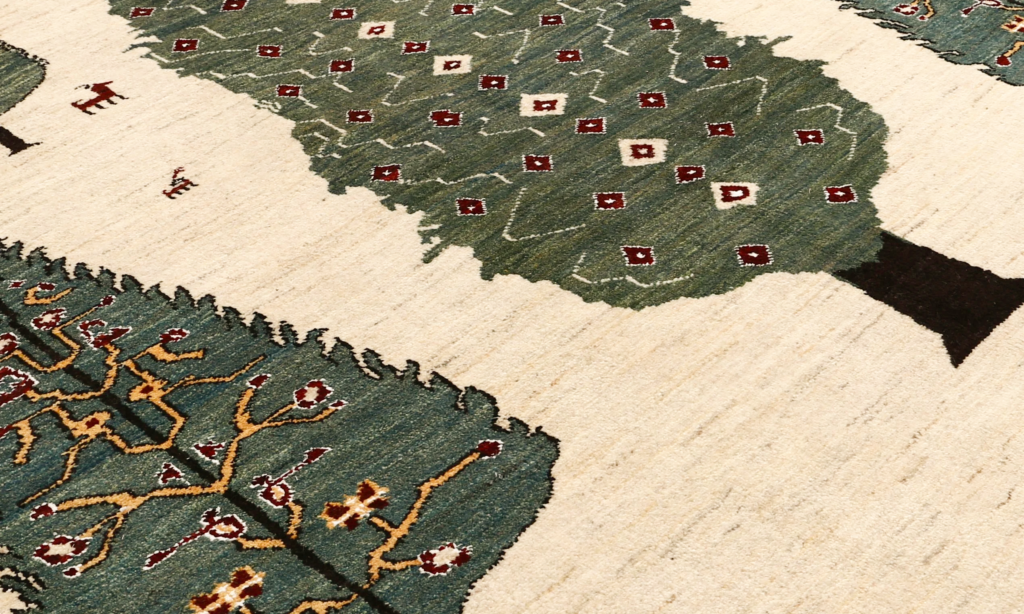
The knot density generally ranges from 150,000 to 250,000 knots per square metre. The patterns are deliberately simplified, often featuring geometric shapes, rhythmic arrangements and large open areas. Qashqai Gabbeh rugs sometimes include animal figures such as goats, camels and lions, usually depicted in a stylised, narrative form. Some pieces even echo motifs found in the reliefs of Persepolis, adding a distinctive historical layer to the rug. The colour palette is dominated by natural shades of beige, red, orange and dark blue.
Gabbeh rugs today
Many Gabbeh rugs are still sold in the bazaars of Shiraz today. Due to their popularity, however, imitations are also frequently produced, particularly in India, where the authentic quality of nomadic weaving is not always achieved.
Interior design tips and recommended uses
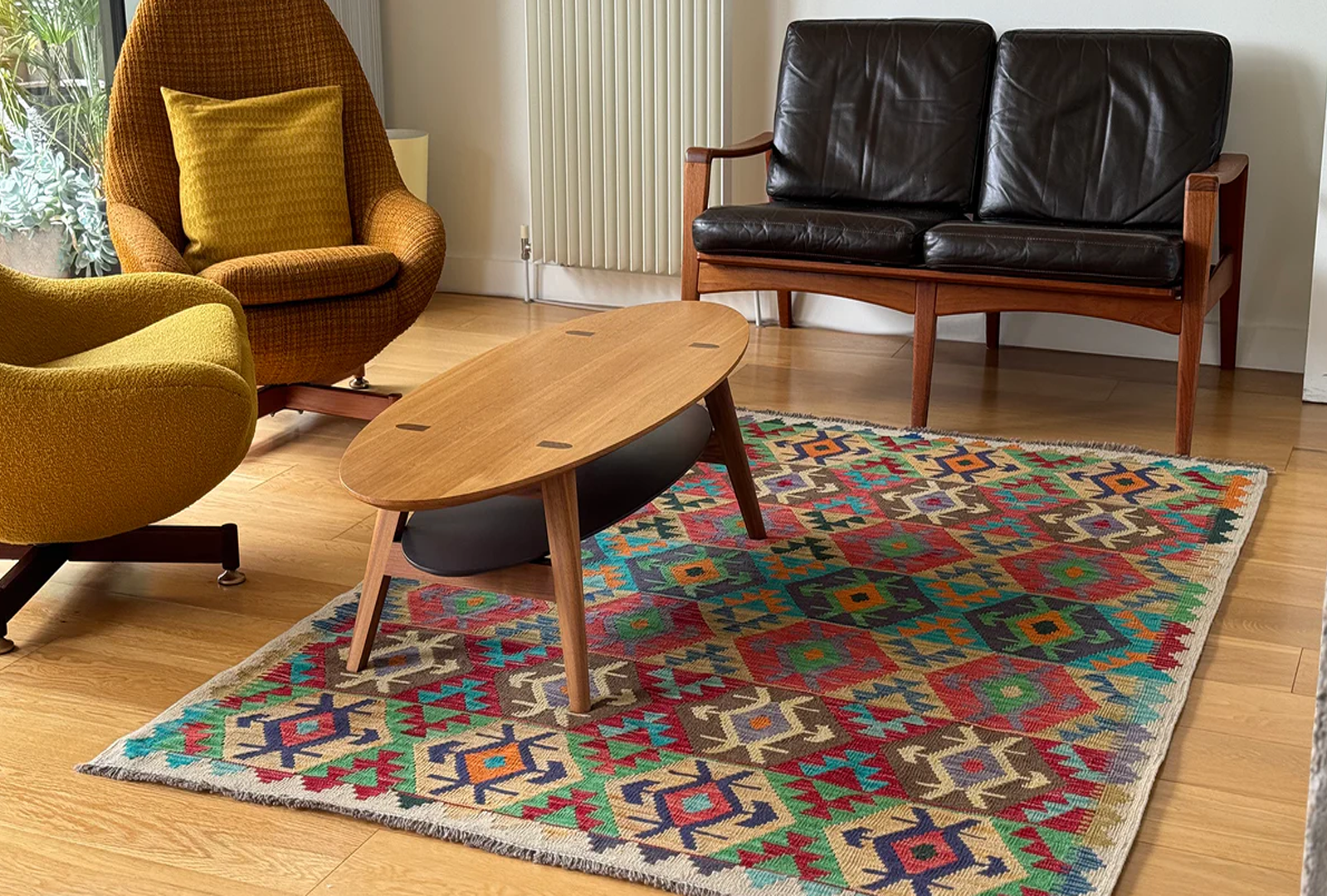
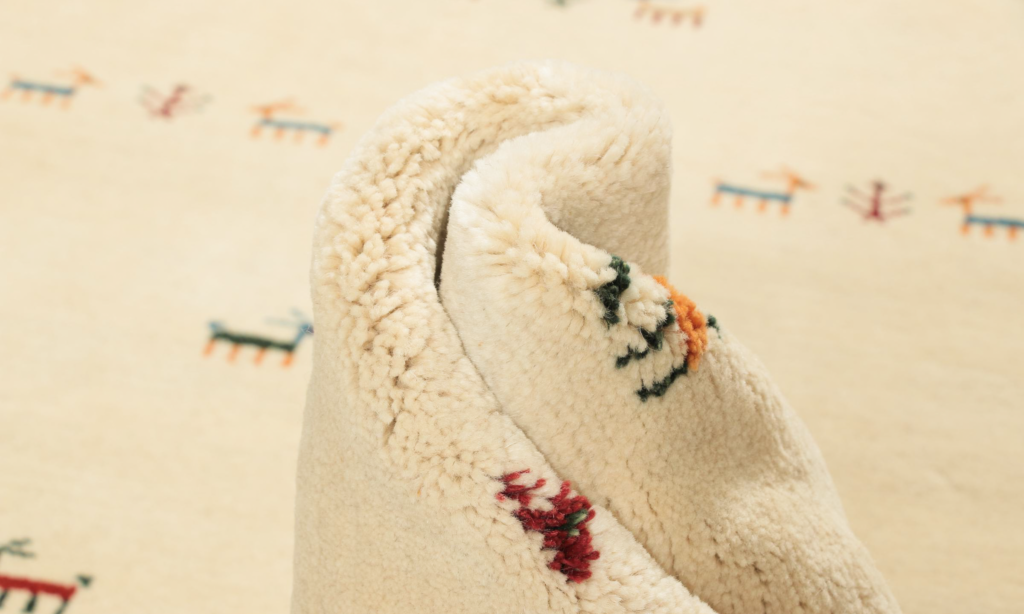
Thanks to their clean yet distinctive appearance, Gabbeh rugs are particularly well suited to modern, Scandinavian and minimalist interiors. Their thick, soft surface makes them ideal for living rooms, bedrooms and reading corners, where both comfort and visual calm are important. Interior design tip: a Gabbeh rug works best when the other elements of the space remain understated. Against light-coloured walls, natural wooden furniture and minimal decoration, the rug becomes both a textural and colourful focal point. Larger areas of solid colour can also help make smaller rooms feel more spacious. Thanks to their thick wool and high level of comfort, Gabbeh rugs are also excellent for barefoot areas, such as beside the bed or in front of a sofa, where the tactile experience forms part of everyday use.
The value and distinctive qualities of Gabbeh rugs
The distinctive appeal of Gabbeh rugs lies in their deliberate simplicity. While many Persian rugs rely on richly detailed ornamentation, Gabbeh rugs place greater emphasis on clean forms and the power of colour. This minimalist yet expressive approach makes them timeless and remarkably versatile. The combination of natural materials, vegetable dyes and nomadic weaving traditions makes every piece unique. No two Gabbeh rugs are exactly alike, further enhancing their handcrafted value. A Gabbeh rug is therefore an ideal choice for those seeking a natural, soft and modern-looking Persian rug that brings calm, character and organic warmth to their home.
Source: Jamal Abdul Naser
Owner of Kabiri Carpet