Buying tips

Buying a rug is not only an aesthetic decision but can also be a long-term investment. This article explains how to recognise genuine hand-knotted rugs and which quality features to look for. It also explores the factors that help a rug retain its value over time.

Source: Origo

Buying a rug can be enjoyable and relaxing. Experts also consider it a worthwhile investment. More valuable hand-knotted rugs can increase in value over time, often faster than inflation. For this reason, many tourists also buy them as investments.

People in cultures around the world have made rugs since ancient times. They used them partly for protection against harsh weather and partly for decoration. Rugs still serve both purposes today.

More valuable hand-knotted rugs can increase in value during use, often at a rate above inflation. This is why many tourists also buy them as investments. Interestingly, the same does not apply to machine-made rugs, even if they use high-quality wool or silk.

The first important question is therefore: how can we tell a machine-made rug from a hand-knotted one?
gallery-aydin-5

The best way to tell the difference is to examine the edges of the rug. On a hand-knotted rug, the warp threads continue into the fringes. On a machine-made rug, these threads are usually sewn in separately.

Another clue appears on the reverse side. Hand-knotted rugs show their patterns and motifs clearly on the back. On machine-made rugs, the design often looks less distinct.

Oriental rugs can also retain significant value over time. Owners increasingly include particularly valuable pieces as separate items in their home insurance policies.

Hungarian insurance companies may accept the purchase invoice as the basis for valuation. For example, the annual insurance cost for an oriental rug worth HUF 1 million may be around HUF 3,000.

unnamed-7

Assessing the quality of a rug is not especially difficult. The evenness and density of the knotting provide an important clue. Turn the rug over, and any irregularities in the knotting become easy to spot.

The quality of the material also matters. Wool quality can range from fine first-shearing lambswool to much lower-grade fibres. You can often judge quality simply by touch.

Another useful test is to roll up the rug and then unroll it. Good-quality wool quickly returns to its original shape. The rug should lie flat and even after unrolling.

Place it on a level surface and inspect it carefully from every side. Check that no waves or ripples remain.
Szeretne elsőként értesülni a legújabb híreinkről és linformációinkról?

Cikkeink hasonló témában

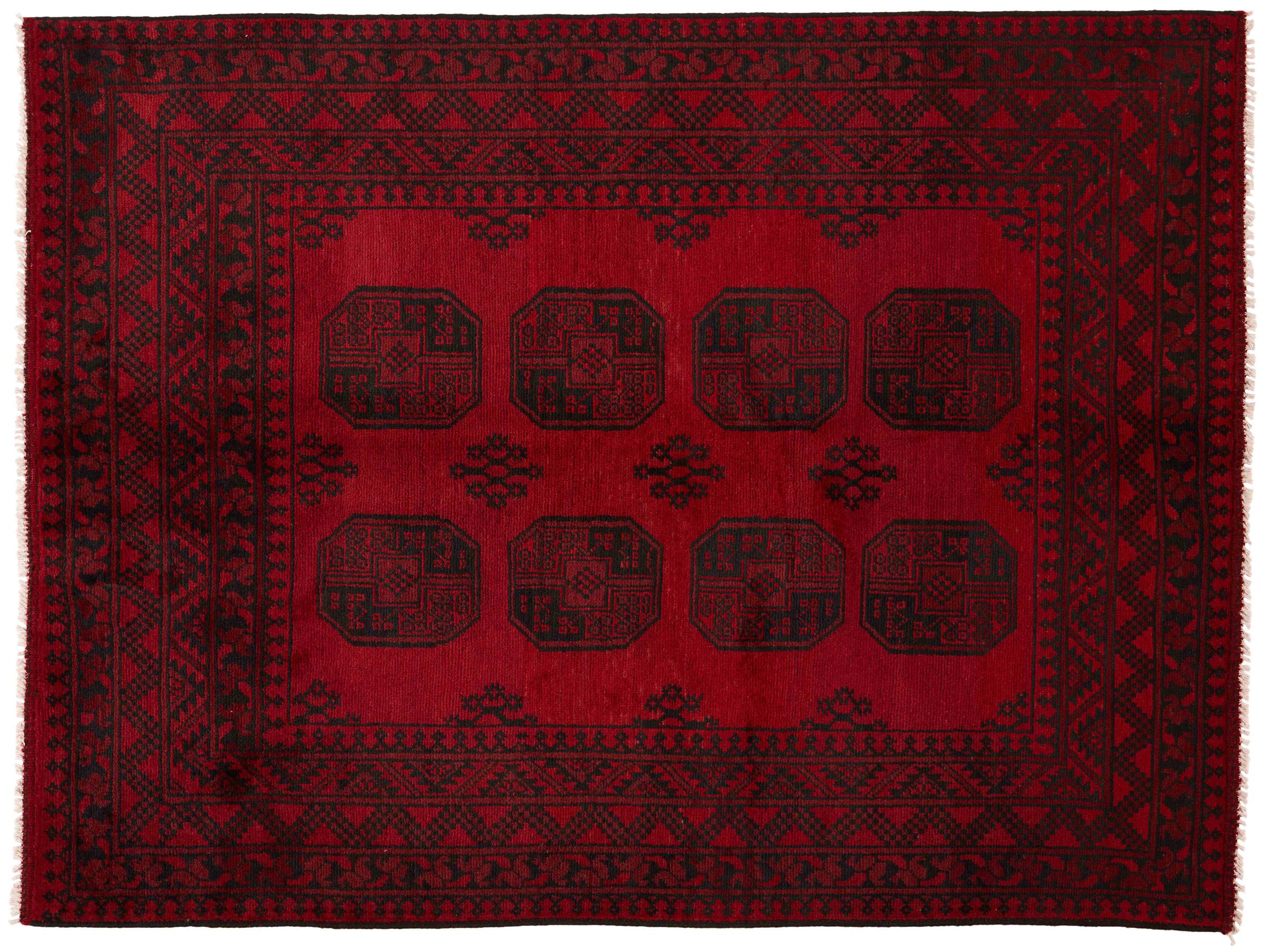
Aktscha rugs – Warm-toned classics of Turkmen tradition

Aktscha rugs are a living expression of Turkmen nomadic traditions, with every knot carrying the heritage of Central Asian rug culture. Their deep red ground and traditional gul motifs create a bold yet harmonious visual character. Each piece brings individuality and a sense of history into the home.

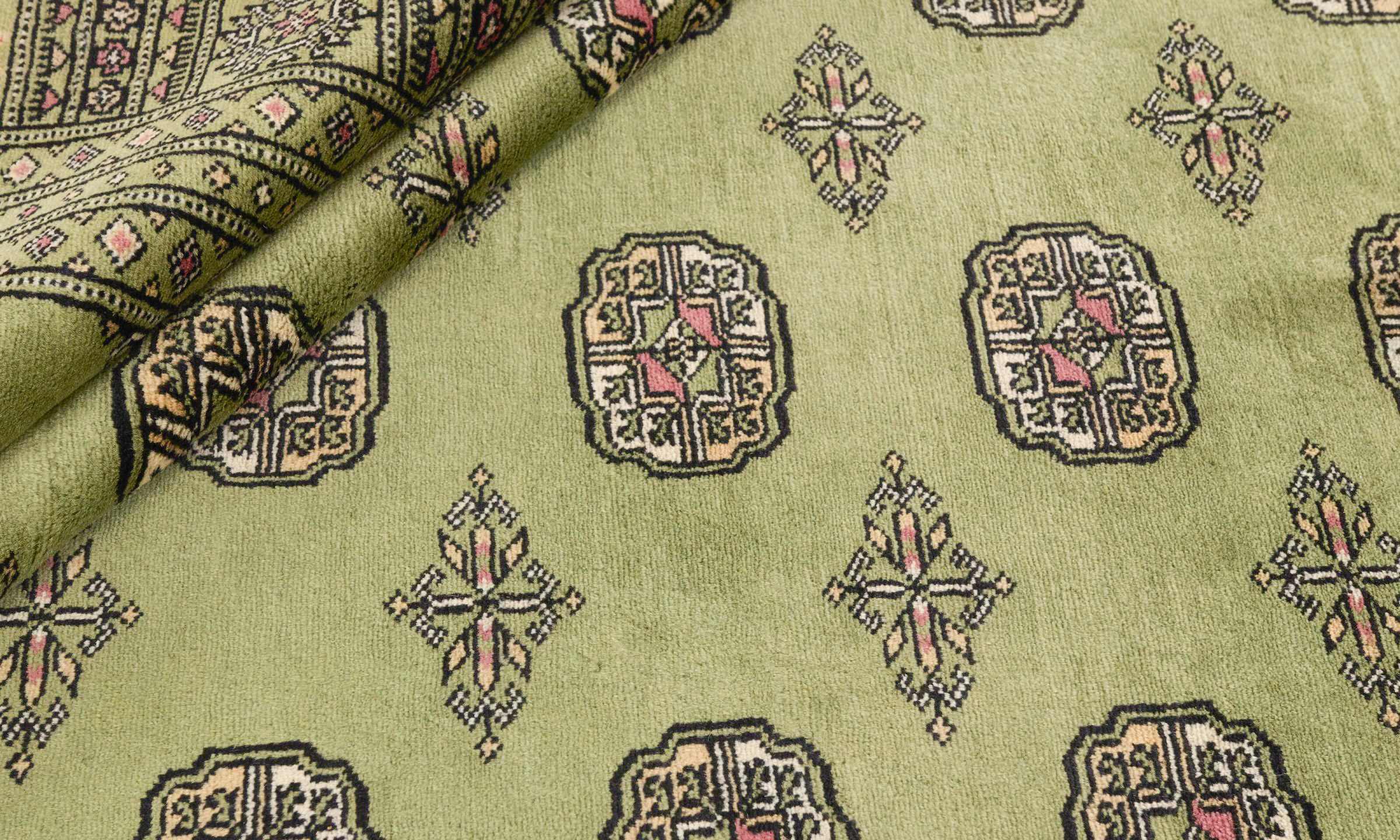
2-ply and 3-ply Pakistani rugs – Soft wool and harmonious oriental patterns

These rugs carry forward the refined legacy of Central Asian nomadic traditions, where the orderly simplicity of Tekke and Bokhara patterns meets Pakistani craftsmanship. Their warm colours and soft wool create a cosy, balanced atmosphere.

Afghan kilim rugs – Ancient nomadic weaving traditions in modern homes

Afghan kilim rugs represent one of the oldest forms of Eastern nomadic weaving tradition, featuring a flat, reversible construction and geometric patterns. Durable and easy to use, their natural materials make them a timeless choice for both modern and classic interiors.

Ezek érdekelhetnek még

Ez is érdekes lehet

Chapters from the true history of oriental rugs VI

×
×

Cart