Blog
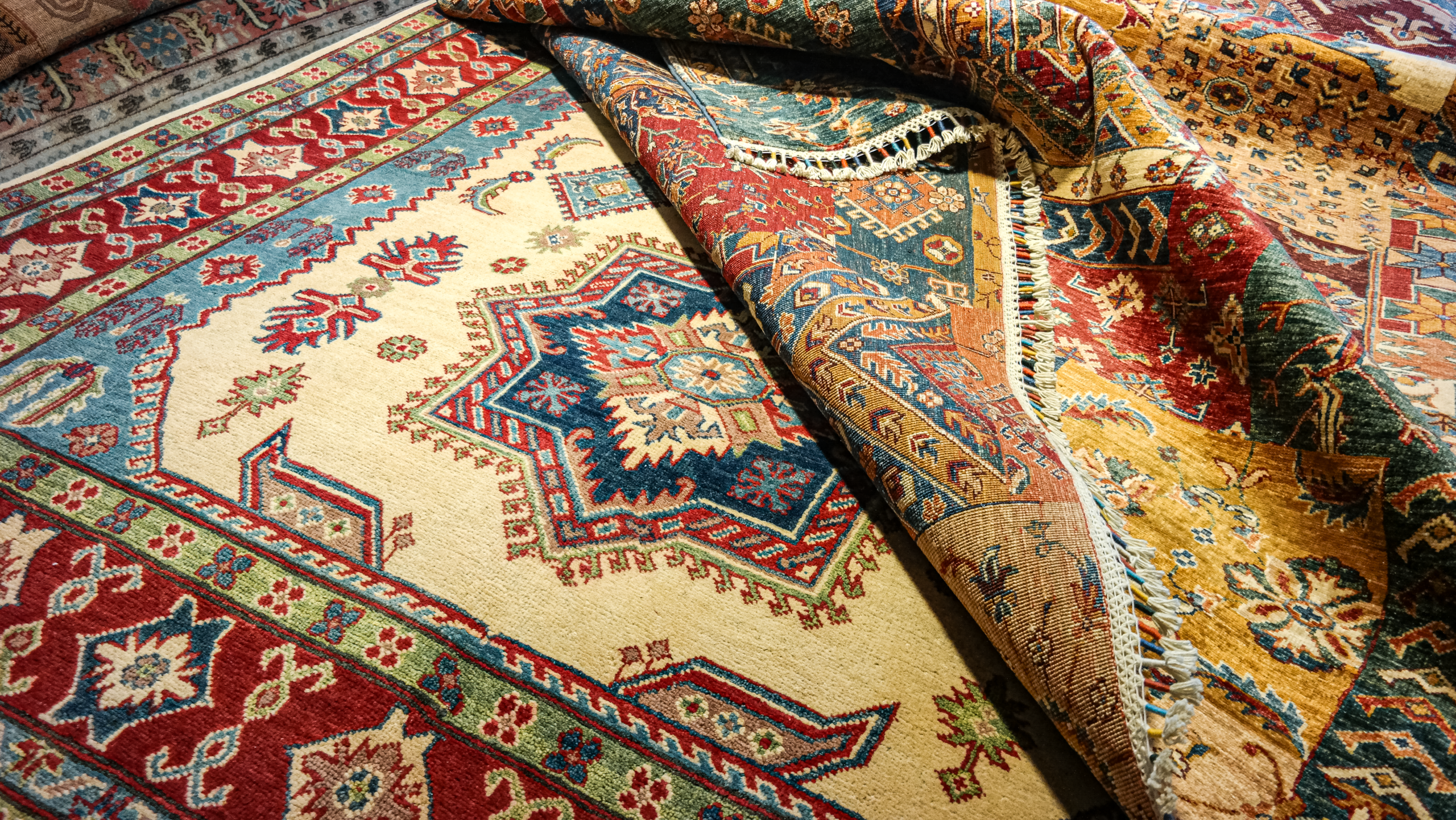
Based on the available evidence, two theories have emerged to explain the motivations behind the creation of the ancestors of today’s rugs.
The mystery behind the origins of oriental rugs
Based on the available evidence, two theories have emerged about why the earliest predecessors of today’s rugs were created.
According to one explanation, the first examples were made and developed by nomadic peoples for practical purposes. They provided protection against the extreme weather conditions of Central Asia. These improved textiles could replace animal skins, which otherwise required the sacrifice of valuable livestock. At first, the knotted wool fibres were left long. As the technique developed, they were cut back to the required length. These textiles were used purely for practical purposes, including as floor coverings inside tents, where they helped protect people from the cold ground.
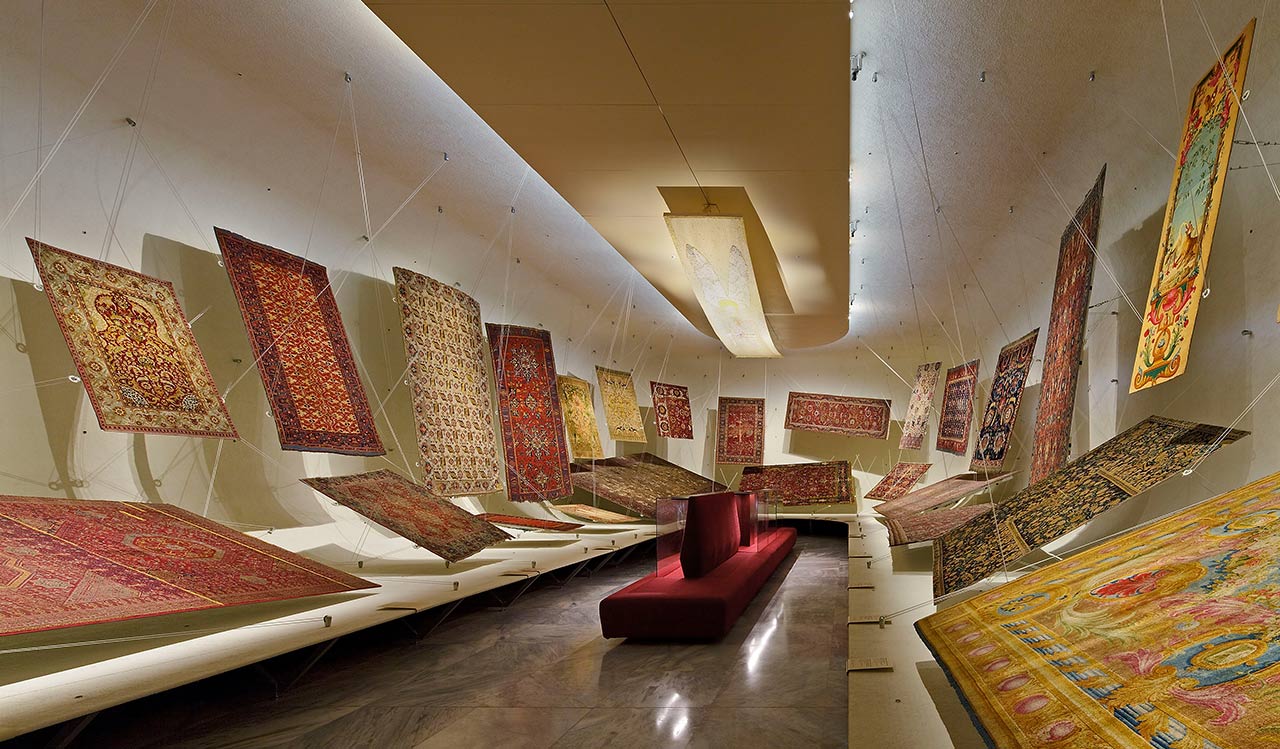
According to the other explanation, the motivation behind making oriental rugs was rooted in artistic and cultural development. From this perspective, nomadic shepherds learned rug-making in the same way as other techniques: through contact with more advanced urban cultures. One important argument in favour of this theory is that the complex technique of knotted rug-making could only have been developed by a technologically more advanced urban society.
Making oriental rugs
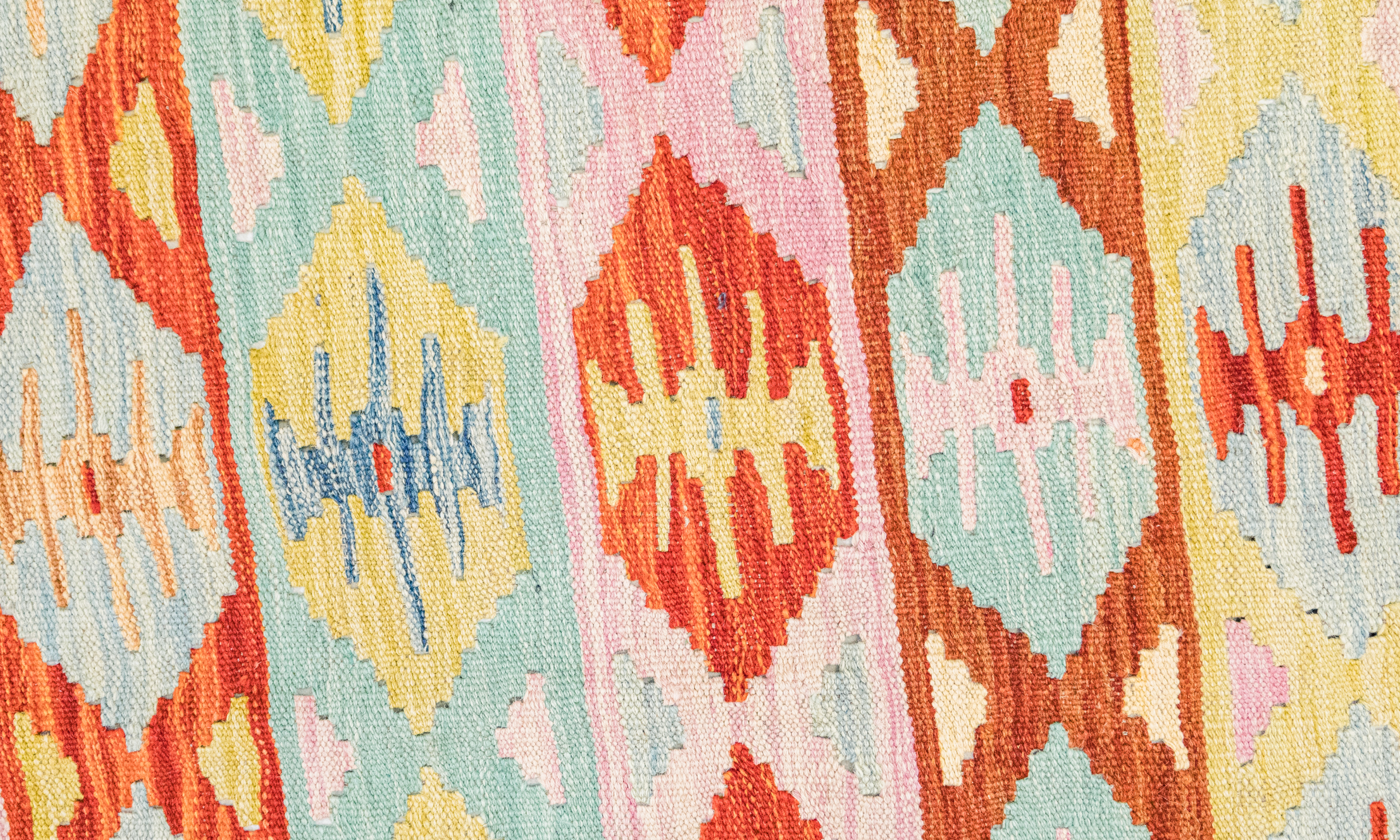
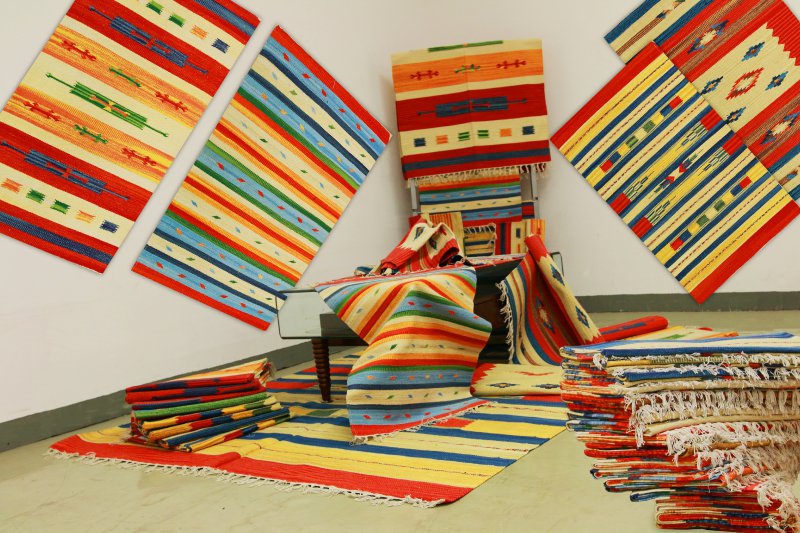
Before describing the production process and characteristics of oriental rugs, we should first distinguish between flatwoven rugs, also known as kilims, and knotted rugs. Flatweaves use simpler techniques, while knotted rugs require a much more complex method that creates a pile surface.
In both cases, sheep’s wool and lambswool are the most commonly used materials. Goat hair, camel hair and silk are also still used today. Coloured metal threads and precious-metal threads may also appear as decorative elements. Cotton is used almost exclusively for the warp threads, where its useful properties can be fully exploited.
If you imagine an oriental rug manufacturer simply ordering yarn online from a wholesaler and then starting up a production line for mass manufacturing, that image needs some correction.
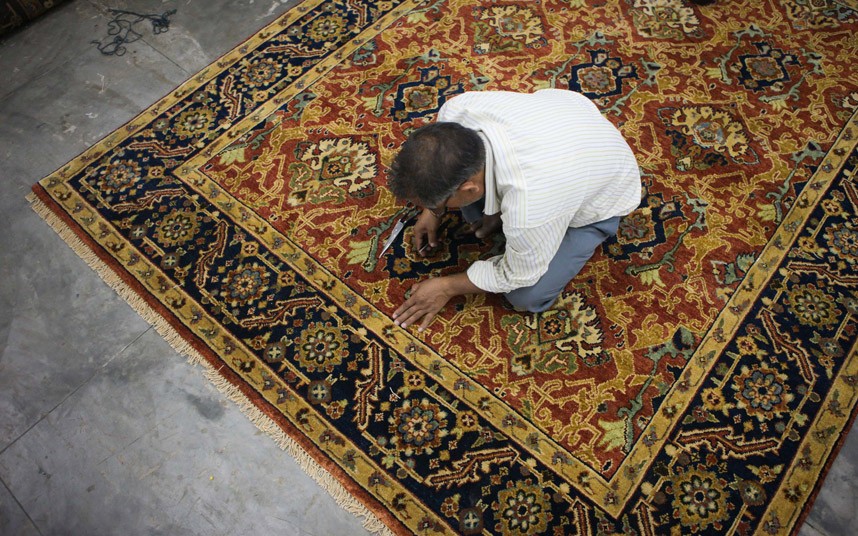
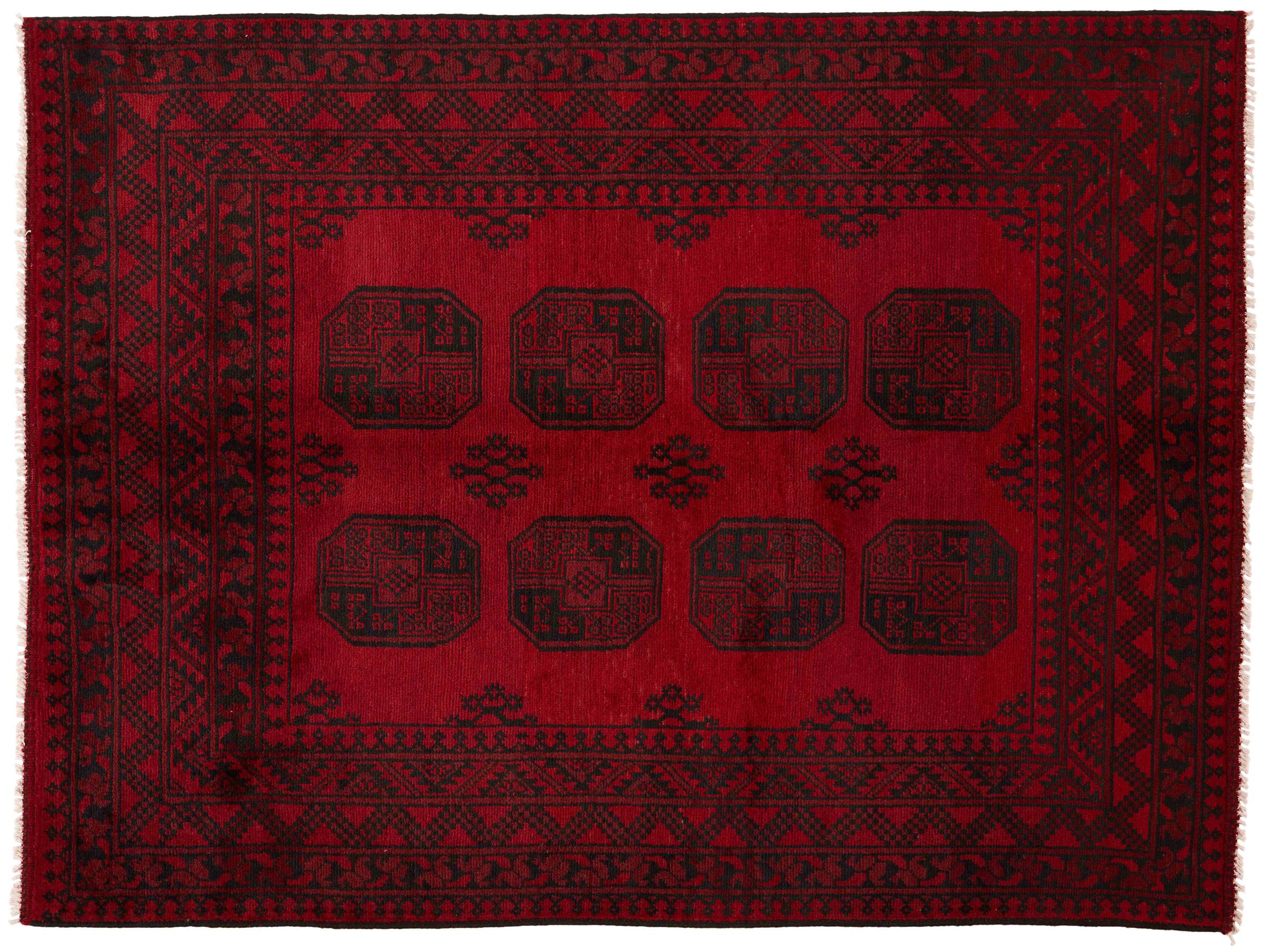
It is important to emphasise that, in this context, even the term “rug manufacturing” is somewhat misleading. Handmade oriental rugs are still produced using small-scale workshop methods rather than mass-production techniques. It is true that by the 20th century, a larger proportion of the yarn used in rug-making was produced by machine. However, some types of rugs still use hand-spun yarn today. This is typical, for example, of nomadic Chobi (Chubi) rugs made in Afghanistan.
As sheep’s wool is the most common material used for the yarn, its main types and characteristics are worth examining. Wool shorn from sheep can be divided into three categories according to quality. The term “wool” is used only for the finest and most elastic fibres. Less elastic fibres are grouped under the term “coarse hair”. The lowest-quality fibres are even thicker, stiffer and duller than these coarse hairs.
Today, polyacrylonitrile or polyester fibres are often blended with wool because they make the finished product easier to care for. The material creases less and generally does not require ironing.
Even these few characteristics show how important the proportions of different materials are in a rug. The quality of wool also depends on several other factors:
- The breed of sheep it comes from
- The region where that breed is raised
- Whether the sheep are shorn once or several times a year
- Whether the wool comes from a winter or spring coat
- Whether the fleece is removed by shearing or another method
- The part of the animal’s body from which the wool comes