Blog

If our aim were to list every material used in hand-knotted oriental rugs, commonly referred to as Persian rugs in Hungary, along with every weaving method, knotting technique, dye source and colouring process, the task would be difficult but possible. Presenting every variation of their fascinating motifs, however, would be almost impossible because of their extraordinary diversity. It could also overwhelm visitors with too much detail.
For this reason, I will focus here on the main types and stylistic characteristics of hand-knotted rugs.
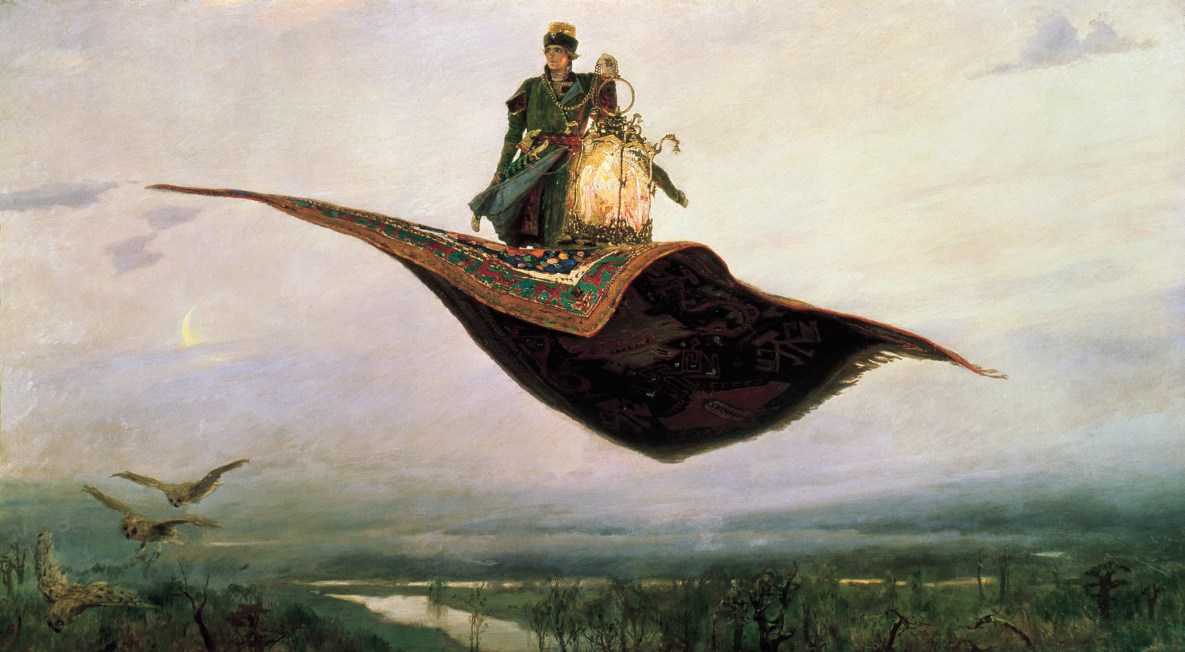
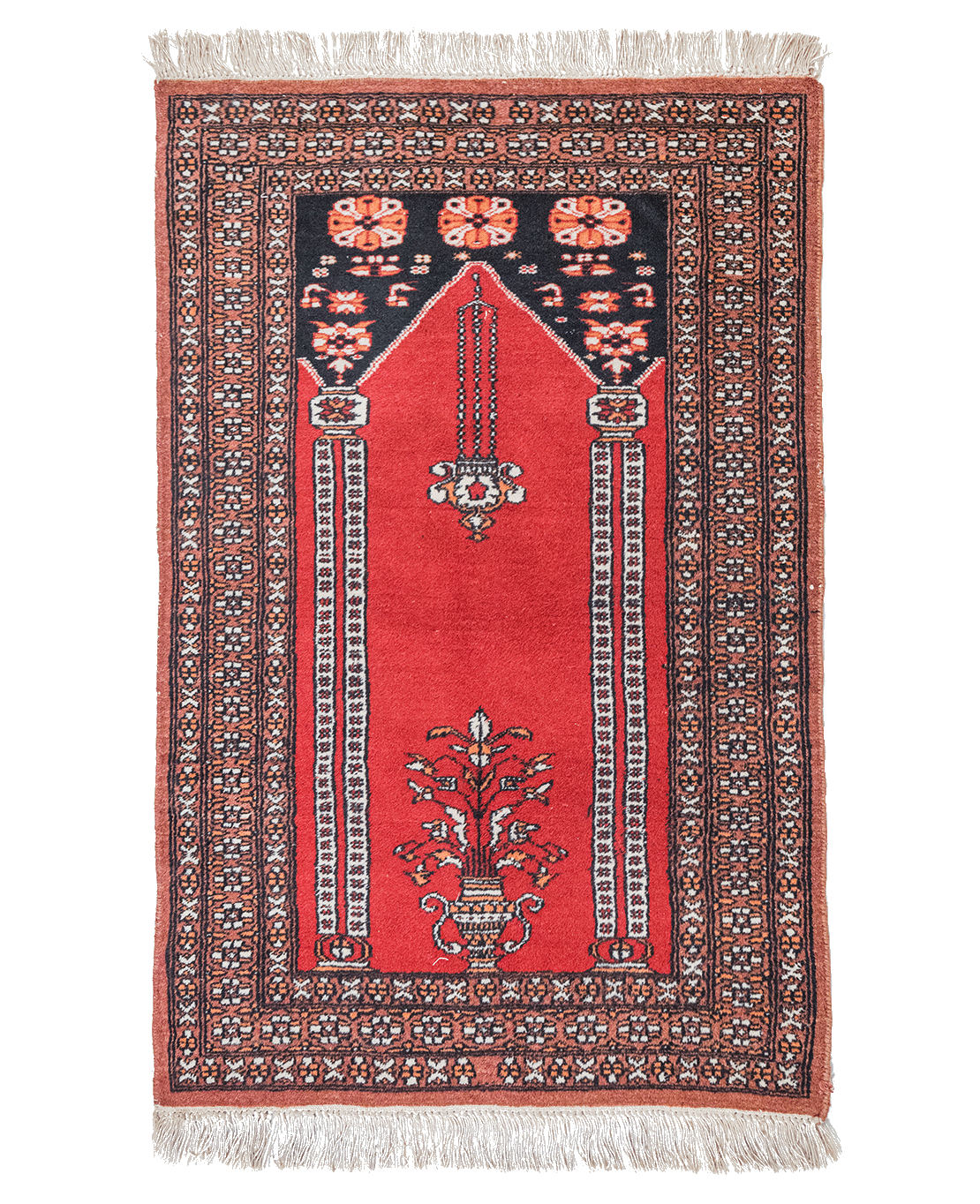
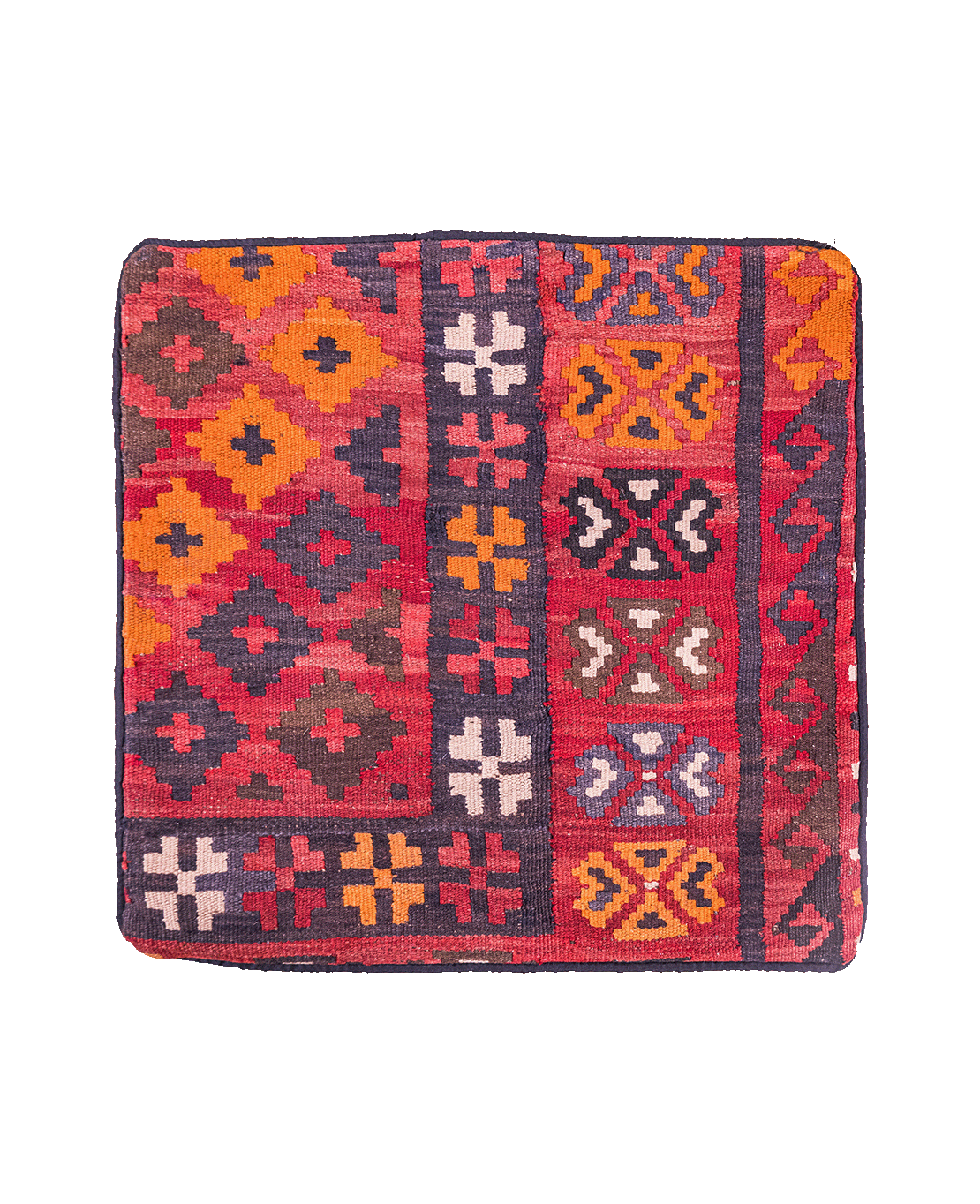
When categorising the designs of “Persian rugs”, we can distinguish three main groups: geometric, floral or vine-based, and figurative motifs.
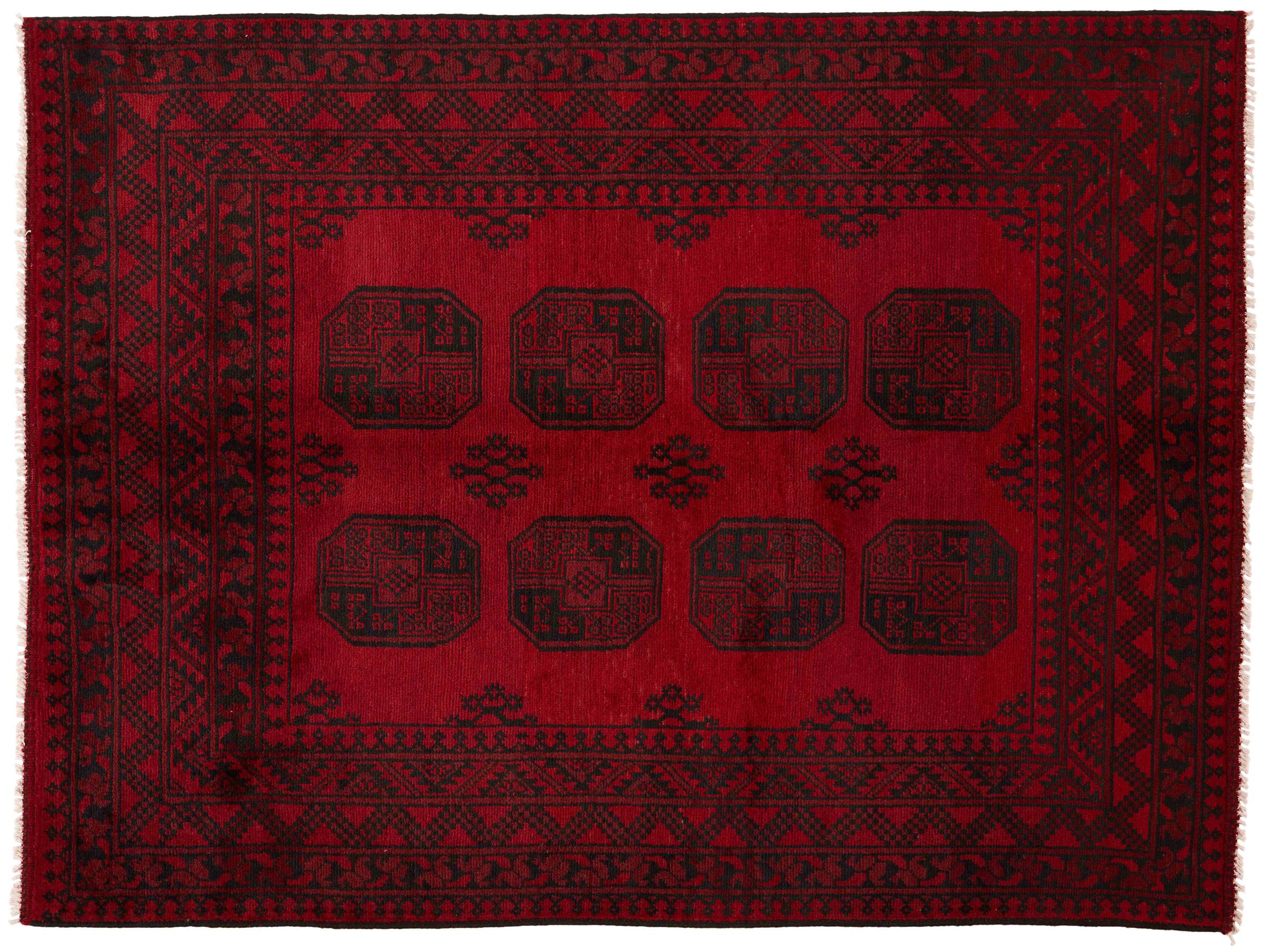
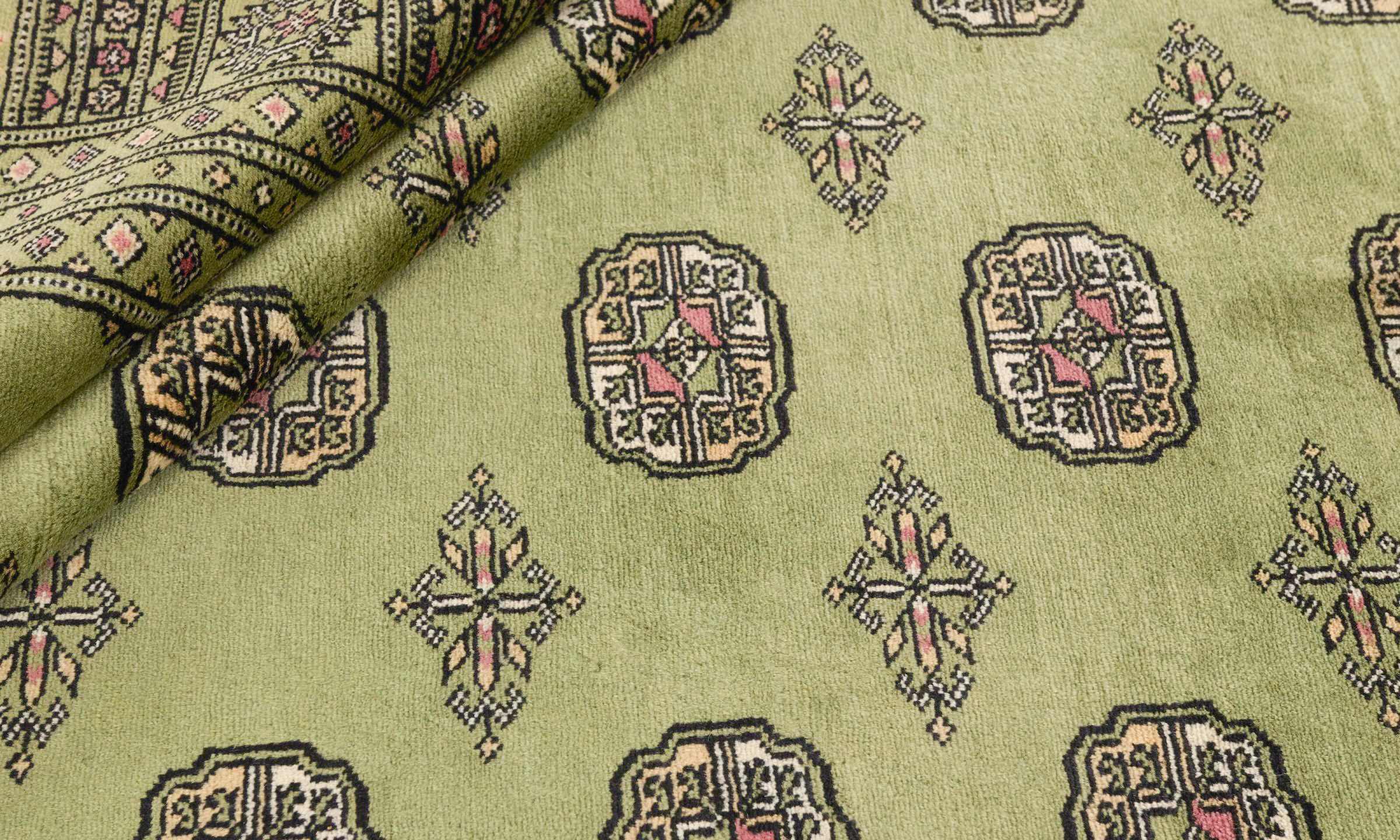
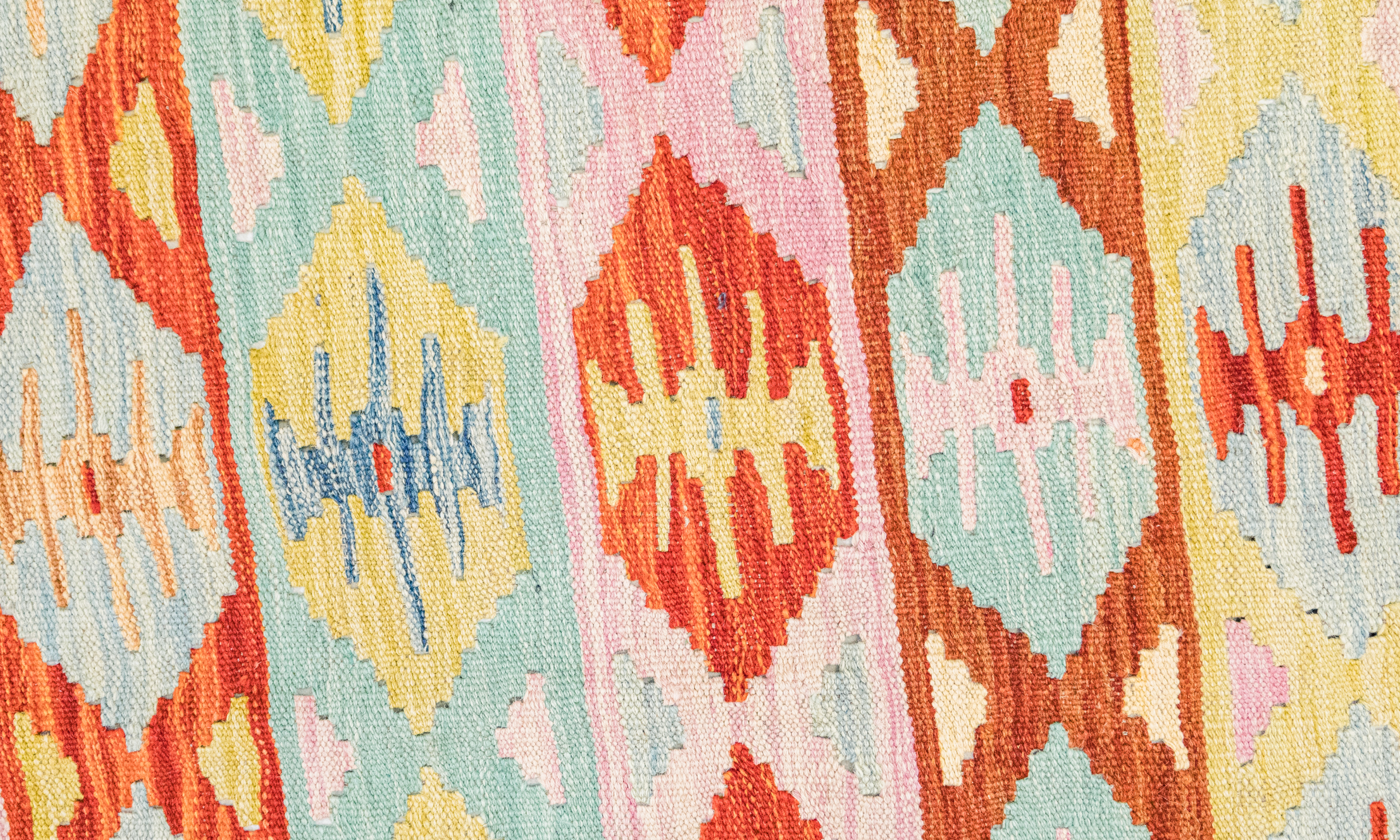
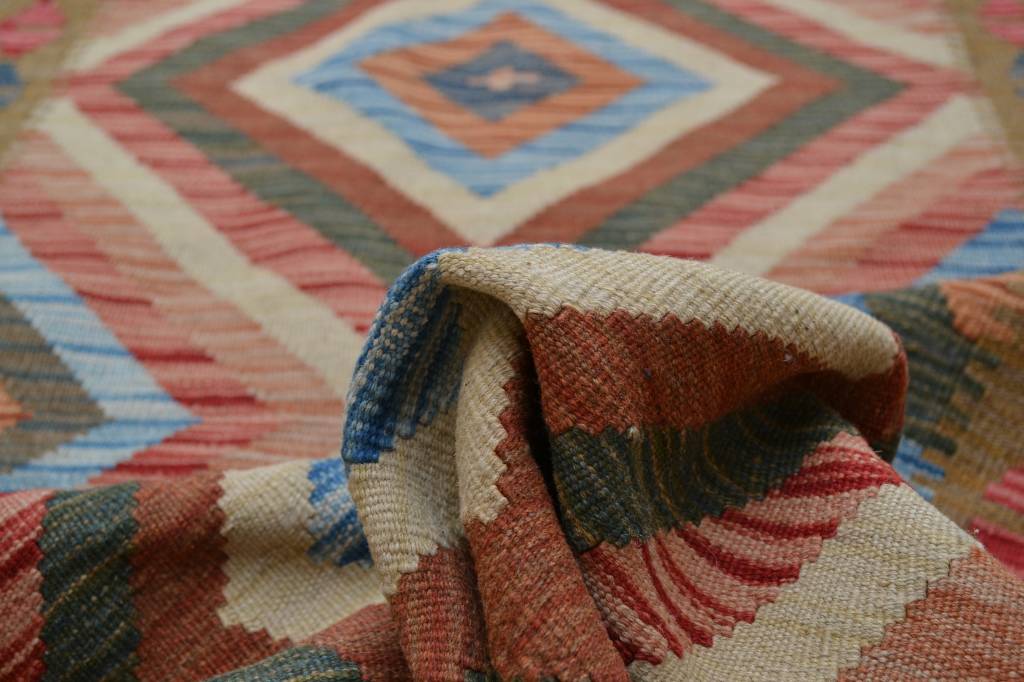
Geometric motifs appear in countless shapes and arrangements, limited only by imagination. At the same time, traditional rug-making regions and cities often have their own characteristic motifs, colour combinations and stylistic features. With some experience, these regional differences can be recognised quite easily.
Different motif styles often appear together on the same rug. Among the examples shown above, this can be seen on the Iranian Qum rug, where floral and figurative motifs are combined. Another approach classifies the first two groups according to their lines, distinguishing between curved and straight designs. Curved patterns are generally associated with more refined urban workshops, while straight-lined designs are more typical of village or nomadic weaving.
The differences between rural and urban styles become especially clear when a fine nomadic rug is placed beside an elegant city-made piece, as shown above. Rug designs can also be classified by their overall composition. Some feature one large central motif surrounded by smaller elements, while others use several medium-sized motifs or many small ones. The Iranian Nain rugs shown above illustrate the contrast between a composition built around one large central motif and another decorated with several smaller floral motifs.
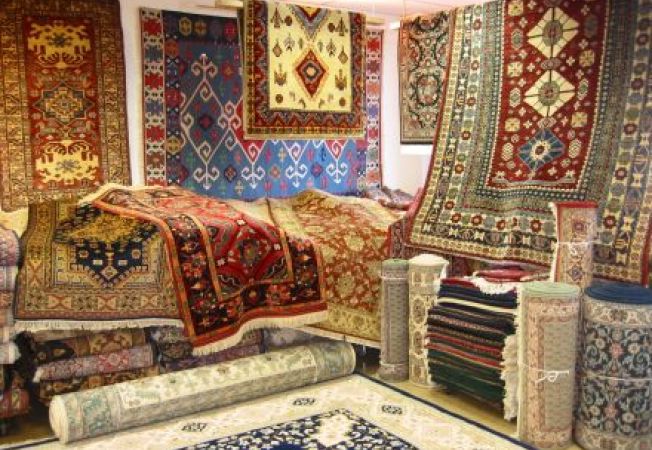
Beyond the classification outlined above, we can also look at how motifs are arranged across the rug. From this perspective, several common layouts can be distinguished: medallion designs, repeating patterns, and compartment or panel designs made up of rectangular, square, diamond-shaped or other fields.
At the same time, these categories often overlap. Many rugs combine repeating motifs with compartment layouts and medallions, creating more complex and varied compositions.