Dyes used in oriental rugs

Oriental rugs were traditionally coloured with natural dyes derived from plant and animal sources. These dyes were often prepared using complex recipes that were carefully guarded secrets.

Until the middle of the 19th century, creating the beautiful colours envisioned for oriental rugs was also a highly complex task. Until 1857, only dyes of plant and animal origin, especially insects, were available.

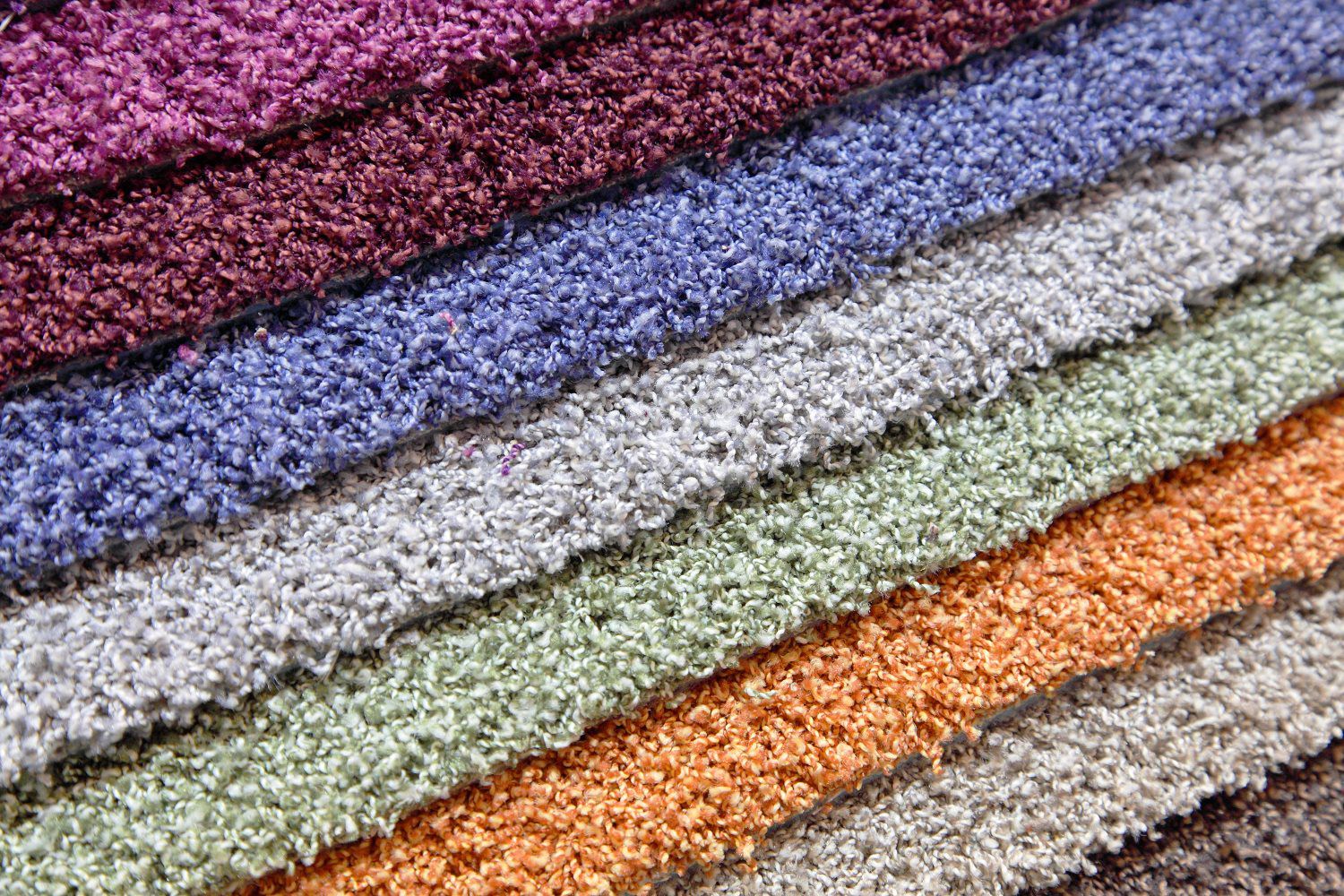
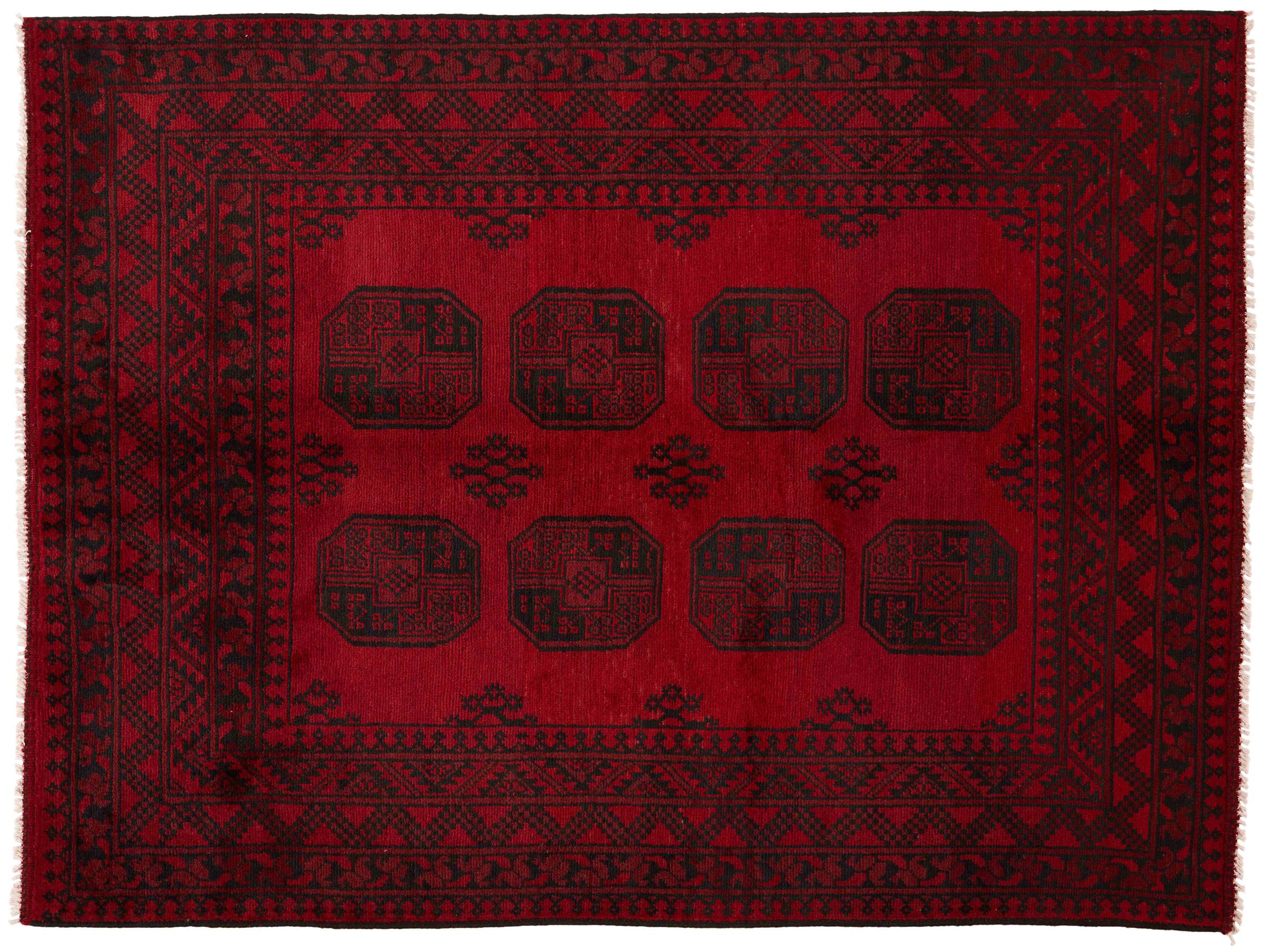
Simpler colours were obtained from natural sources. Yellow, for example, came from saffron or vine leaves. Red could be produced from sour cherry juice or insects, while black came from tea or tobacco leaves and blue from indigo.

More complex and distinctive natural shades were created through individual experience and specialised knowledge. The exact composition of these dyes was often kept as a closely guarded secret.
028bde62-06ae-4500-be68-b99e6c8a28cd_h

After synthetic dyes appeared, they quickly replaced natural colourants because they were cheaper and easier to produce. As artificial dyes improved, virtually every colour and shade became possible.

Today, however, growing environmental awareness has renewed interest in oriental rugs coloured entirely with plant- and insect-based natural dyes.

Szeretne elsőként értesülni a legújabb híreinkről és linformációinkról?

Cikkeink hasonló témában

Aktscha rugs – Warm-toned classics of Turkmen tradition

Aktscha rugs are a living expression of Turkmen nomadic traditions, with every knot carrying the heritage of Central Asian rug culture. Their deep red ground and traditional gul motifs create a bold yet harmonious visual character. Each piece brings individuality and a sense of history into the home.

2-ply and 3-ply Pakistani rugs – Soft wool and harmonious oriental patterns

These rugs carry forward the refined legacy of Central Asian nomadic traditions, where the orderly simplicity of Tekke and Bokhara patterns meets Pakistani craftsmanship. Their warm colours and soft wool create a cosy, balanced atmosphere.

Afghan kilim rugs – Ancient nomadic weaving traditions in modern homes

Afghan kilim rugs represent one of the oldest forms of Eastern nomadic weaving tradition, featuring a flat, reversible construction and geometric patterns. Durable and easy to use, their natural materials make them a timeless choice for both modern and classic interiors.

Ezek érdekelhetnek még

Ez is érdekes lehet

Evaluating oriental rugs

×
×

Cart