Revealing colours – green

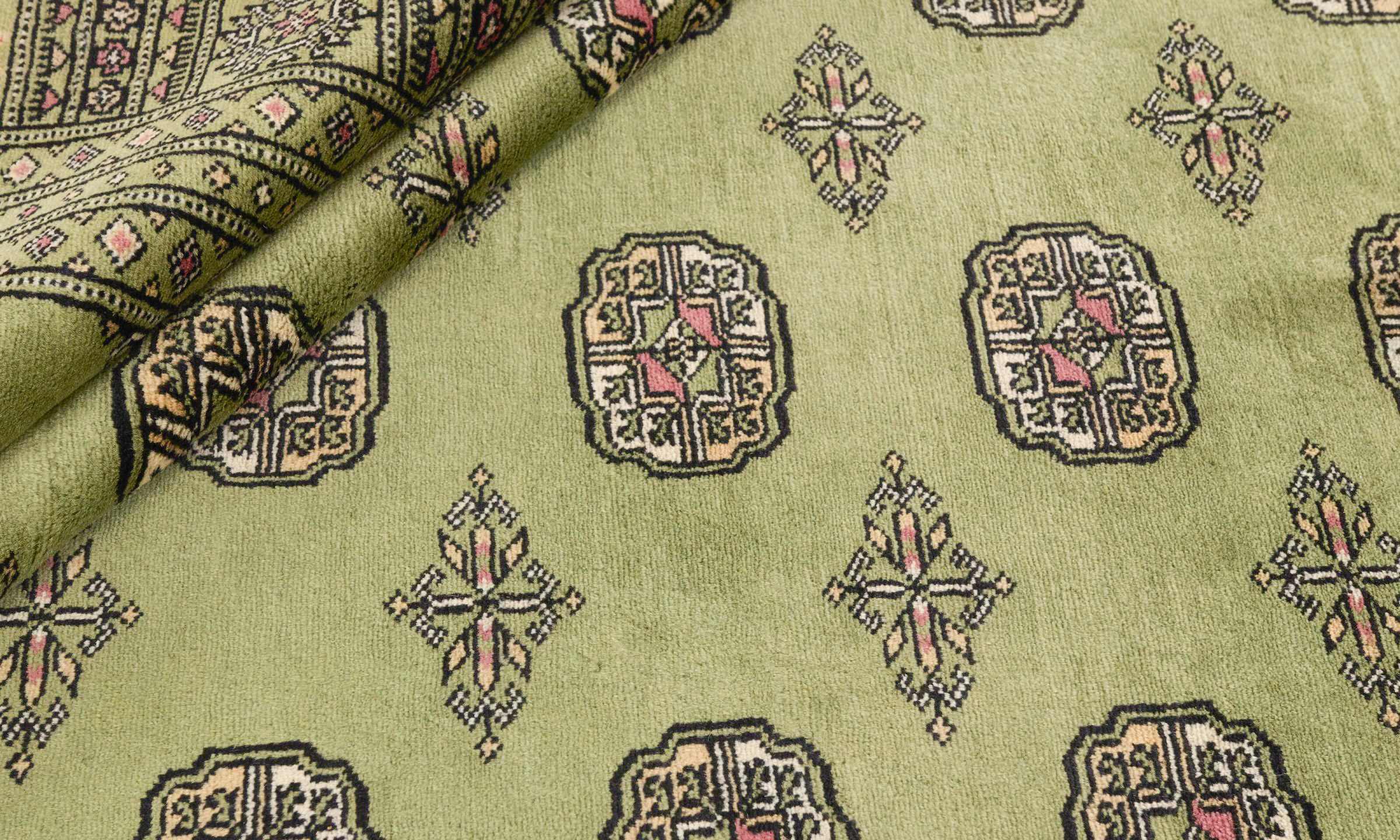
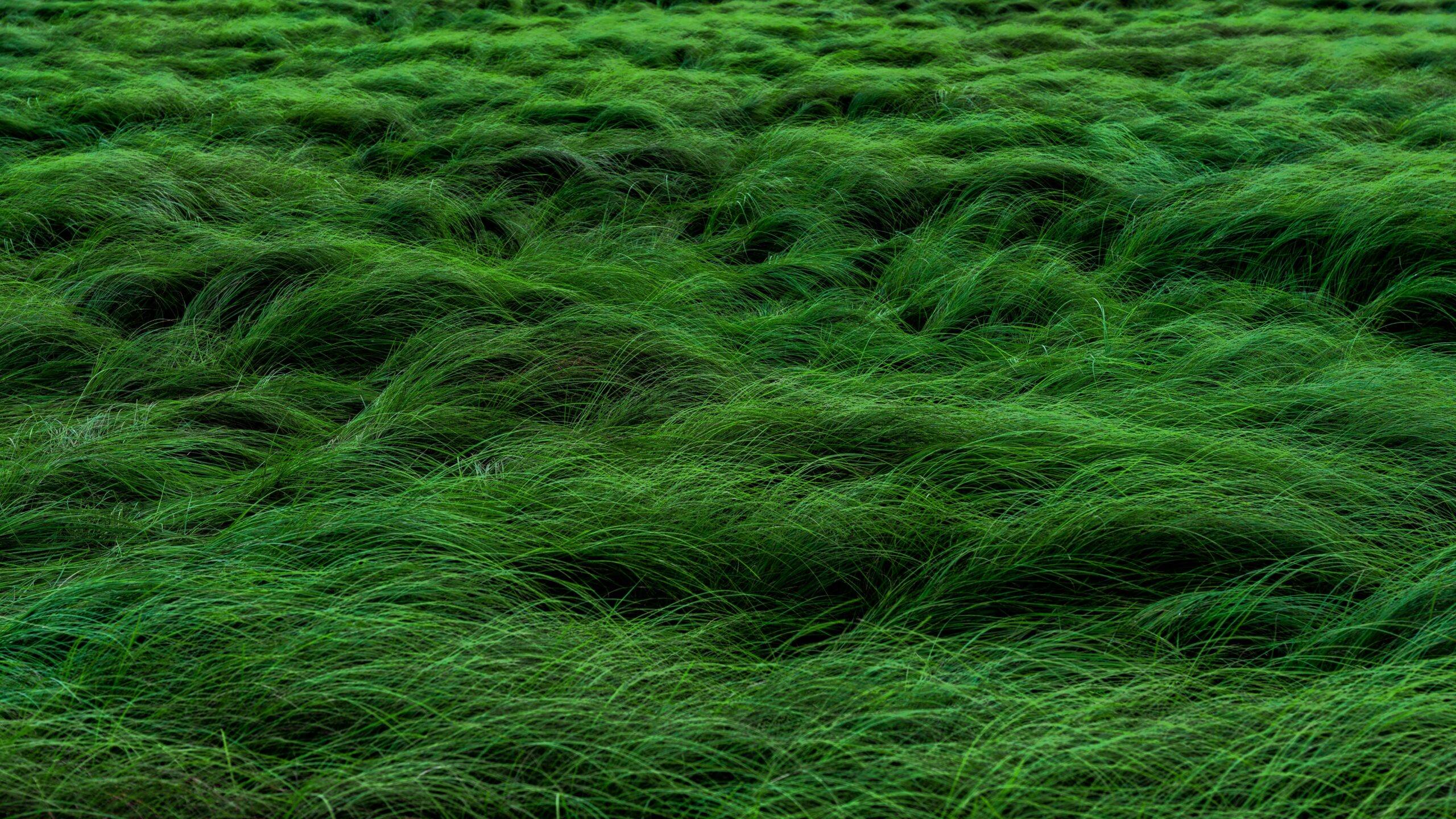
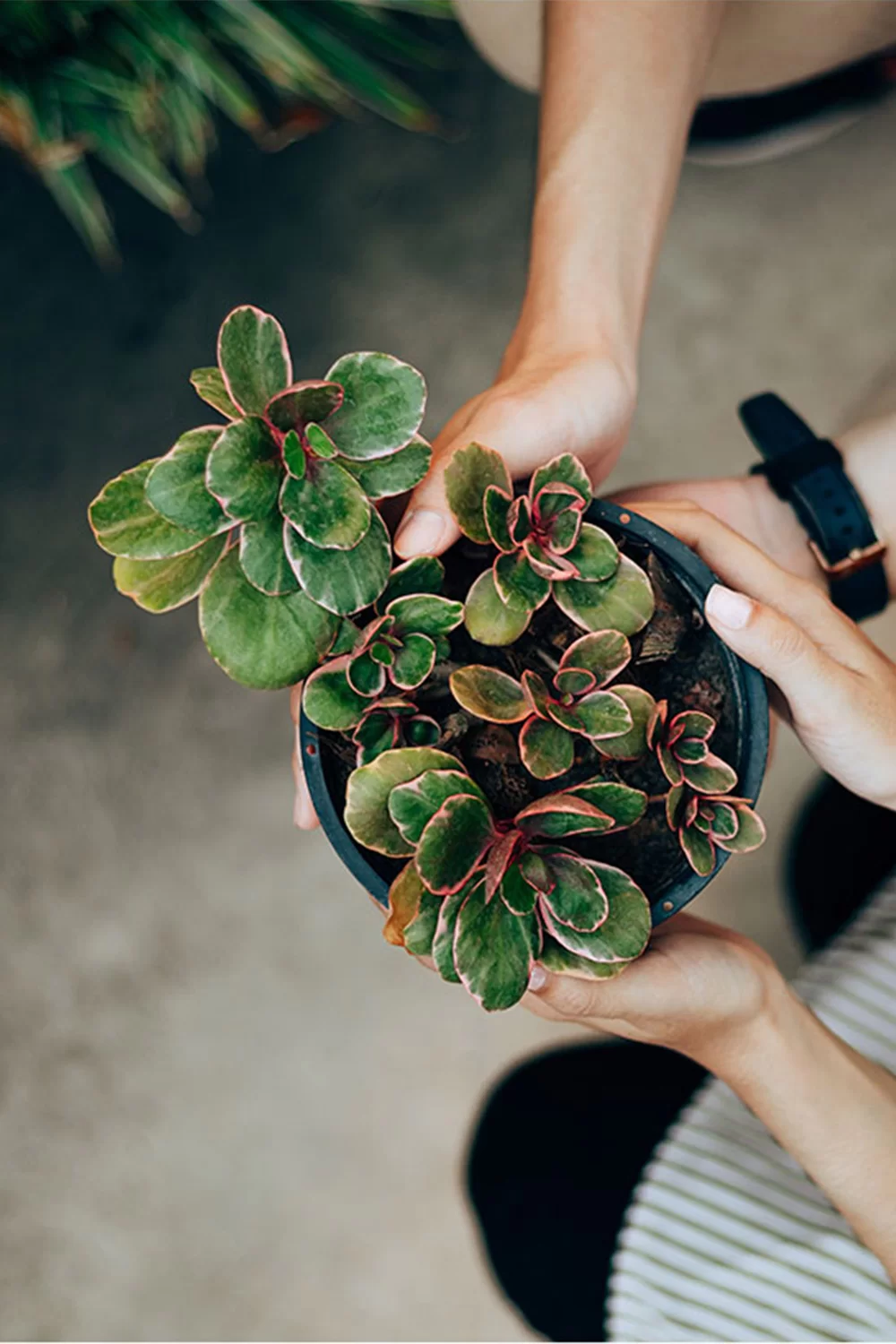
As the colour of nature, green evokes renewal, harmony and balance, while its different shades can express a wide range of emotions and meanings.

  • It represents spring, the renewal of nature and growing life.
  • Evergreen plants in particular are associated with symbolism of fertility and immortality.
  • Green stands in the “middle” of the colour spectrum, with red as its complementary colour. As a mixture of blue and yellow, it also represents a threefold relationship between colours. This gives green a dual meaning: it can symbolise youth, hope and happiness, but also change, transience and jealousy.
  • It combines warmth and cold, as well as the heavenly and the earthly.
  • It can also symbolise immaturity, inexperience and naivety.
  • In Christianity, green is the colour of immortality and resurrection, and among the Virtues it represents Hope.
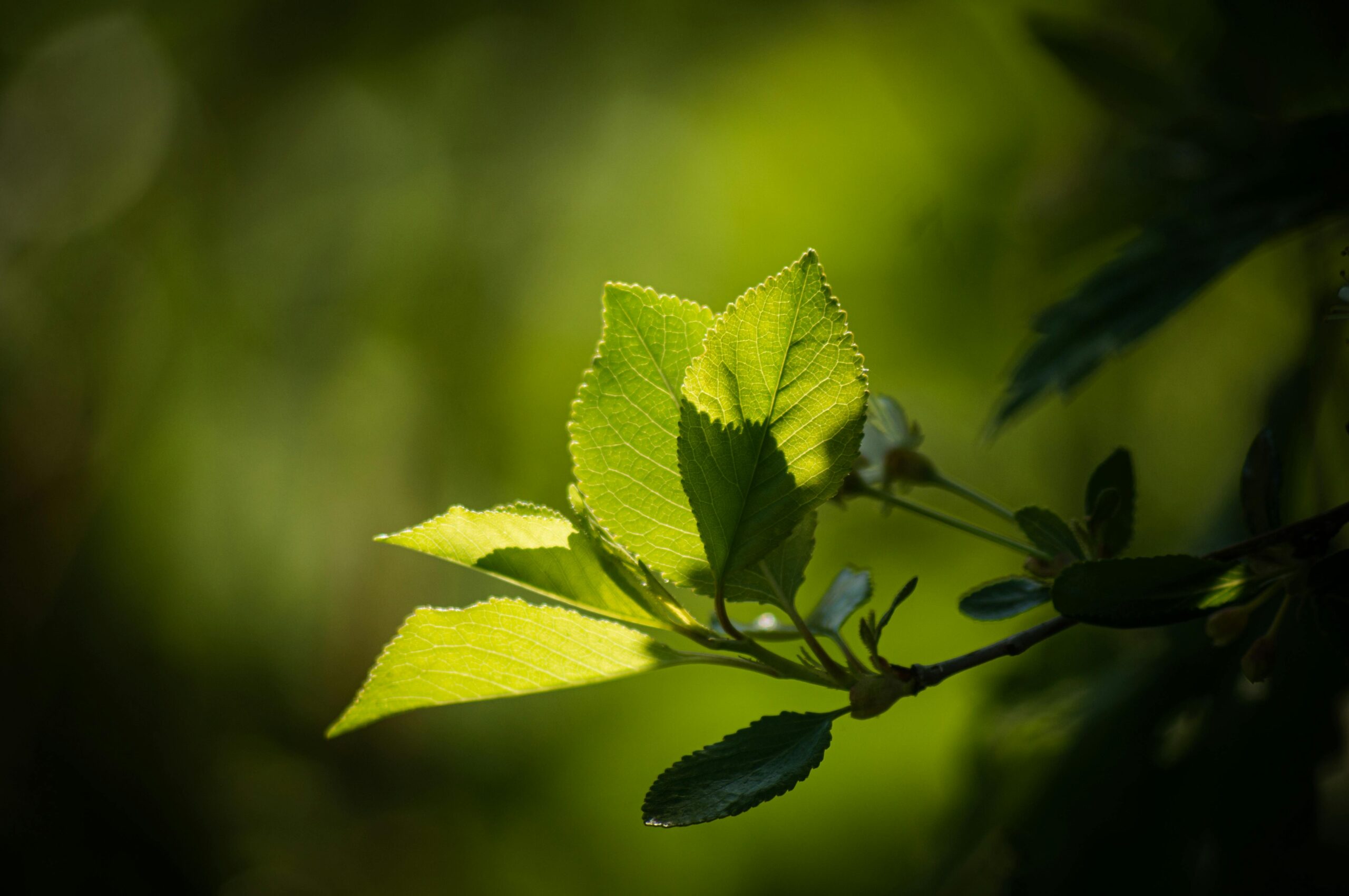
In heraldry, green can represent growth and hope. Green is also the opposite of red in safety signalling; for example, it indicates that it is safe to cross the road. It is widely used to represent safety and can also appear on medicines and medical products. Green is closely associated with nature, which is why it is often used to advertise environmentally friendly or “green” products.

Muted dark green is often associated with money, the material world, banks and Wall Street. Dark green can also suggest ambition, greed and jealousy. Yellow-green is linked to illness, cowardice, conflict and jealousy. Seaweed green is associated with emotional healing and protection. Olive green is traditionally a colour of peace, as reflected in organisations such as Greenpeace.

Szeretne elsőként értesülni a legújabb híreinkről és linformációinkról?

Cikkeink hasonló témában

Aktscha rugs – Warm-toned classics of Turkmen tradition

Aktscha rugs are a living expression of Turkmen nomadic traditions, with every knot carrying the heritage of Central Asian rug culture. Their deep red ground and traditional gul motifs create a bold yet harmonious visual character. Each piece brings individuality and a sense of history into the home.

2-ply and 3-ply Pakistani rugs – Soft wool and harmonious oriental patterns

These rugs carry forward the refined legacy of Central Asian nomadic traditions, where the orderly simplicity of Tekke and Bokhara patterns meets Pakistani craftsmanship. Their warm colours and soft wool create a cosy, balanced atmosphere.

Afghan kilim rugs – Ancient nomadic weaving traditions in modern homes

Afghan kilim rugs represent one of the oldest forms of Eastern nomadic weaving tradition, featuring a flat, reversible construction and geometric patterns. Durable and easy to use, their natural materials make them a timeless choice for both modern and classic interiors.

Ezek érdekelhetnek még

Ez is érdekes lehet

Making oriental rugs

×
×

Cart