Hamadan – The colourful heart of Persian rug art

Hamadan rugs originate from one of Iran’s most ancient regions, with diverse designs rooted in village traditions. These durable, hand-knotted pieces are living expressions of Persian culture.

The city of Hamadan and its surrounding region form one of Iran’s most ancient settlements and have always played an important role throughout history—not only as a cultural and commercial centre, but also as a leading hub of craftsmanship and rug weaving. The region’s rug-making traditions unite ancient Persian aesthetics with the centuries-old experience of local communities. Hamadan rugs are more than functional objects; they are living expressions of the region’s identity, stylistic diversity and artisanal expertise.

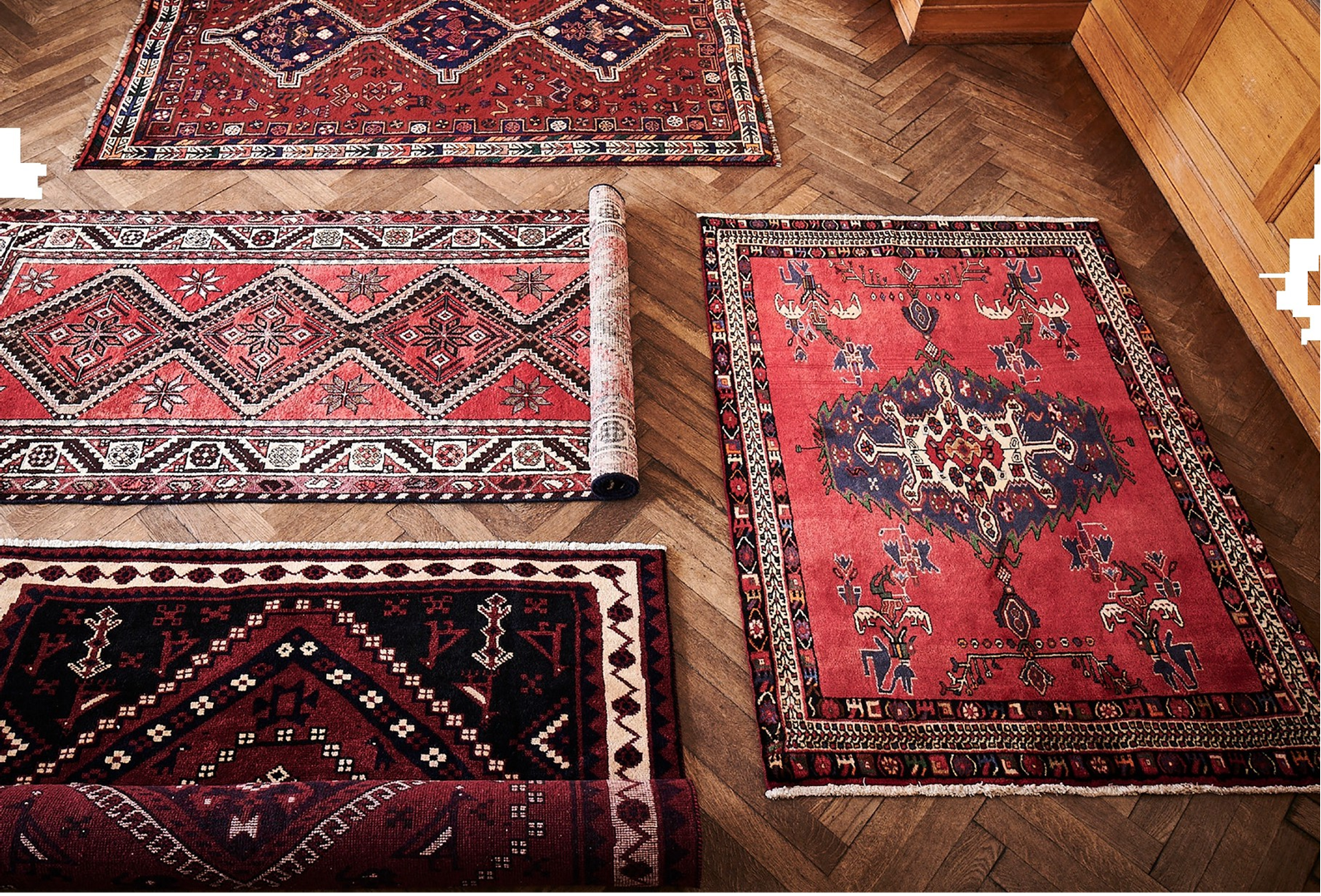
Two main types of rugs can be distinguished in the Hamadan region:

  • So-called urban rugs, also known as Shahrbaff pieces, are produced in modern workshops according to stricter manufacturing standards, often under partial state supervision. These rugs offer consistent quality and aesthetic coherence, embodying a more “classical” Hamadan style.
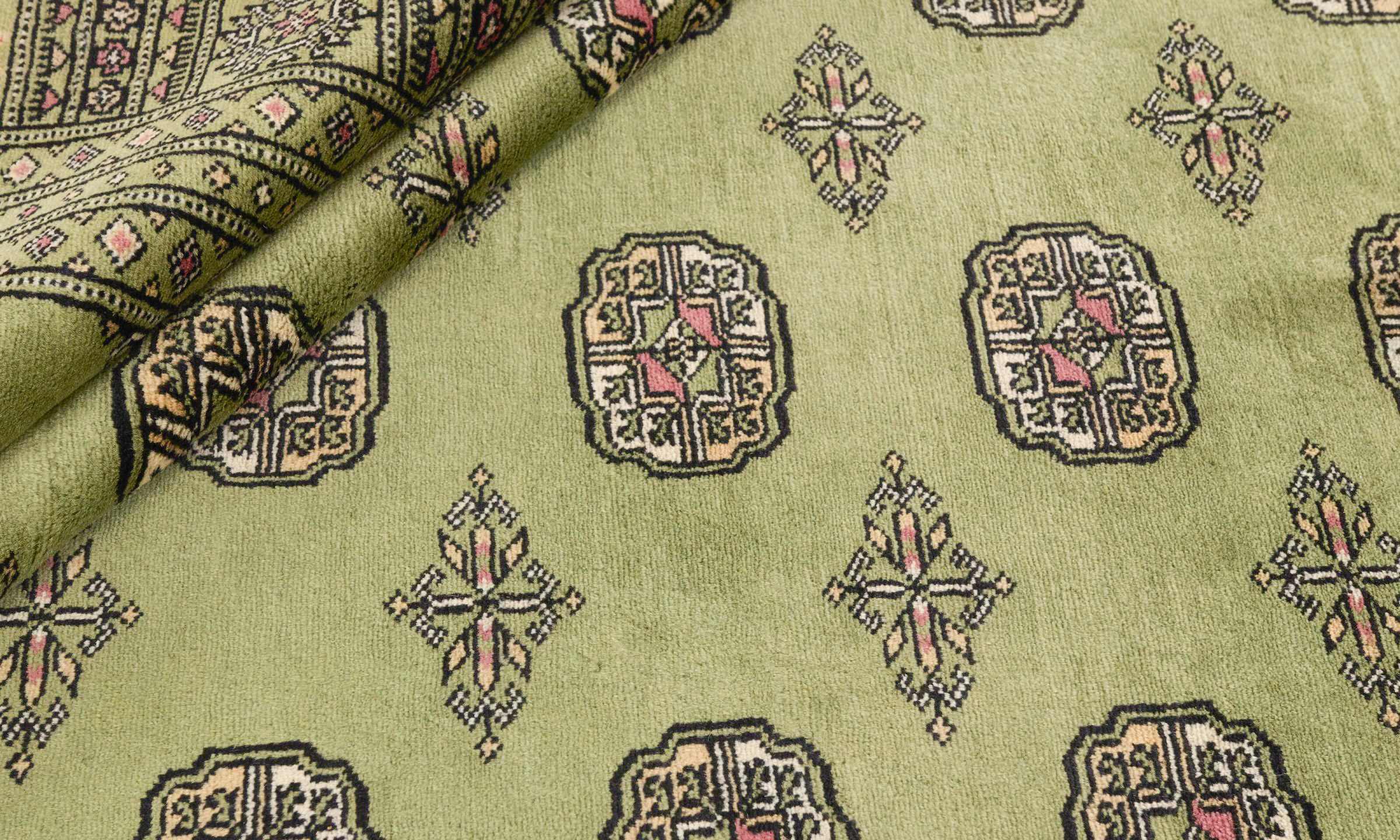
  • By contrast, village rugs are made by skilled artisans from the region’s smaller settlements. These rugs have a more organic and individual character, as each village—such as Borchalu, Tuserkman, Memraban, Khamseh, Begardeh, Enjilas, Hosseinabad or Zandjan—draws on its own collection of motifs passed down through generations. As a result, Hamadan rugs feature an especially rich and diverse range of designs, including geometric forms, floral motifs, medallions and even abstract elements.

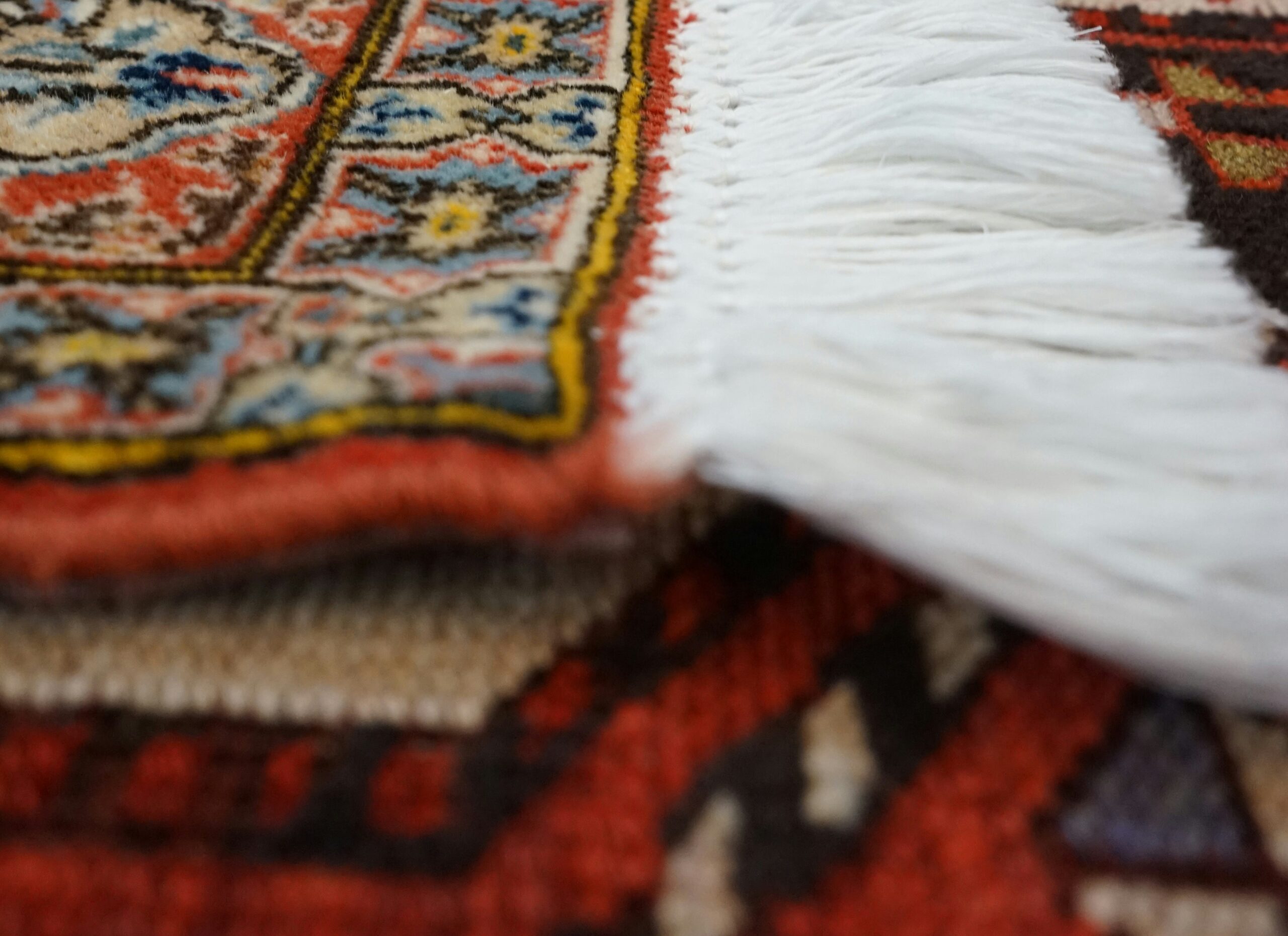
Hamadan rugs are technically impressive as well. They are made on a strong cotton warp with a dense wool pile and use the Ghiordes, or Turkish, knot—one of the most stable and durable knotting methods. Their average knot density ranges from 150,000 to 250,000 knots per square metre, ensuring lasting quality in the world of hand-knotted rugs.

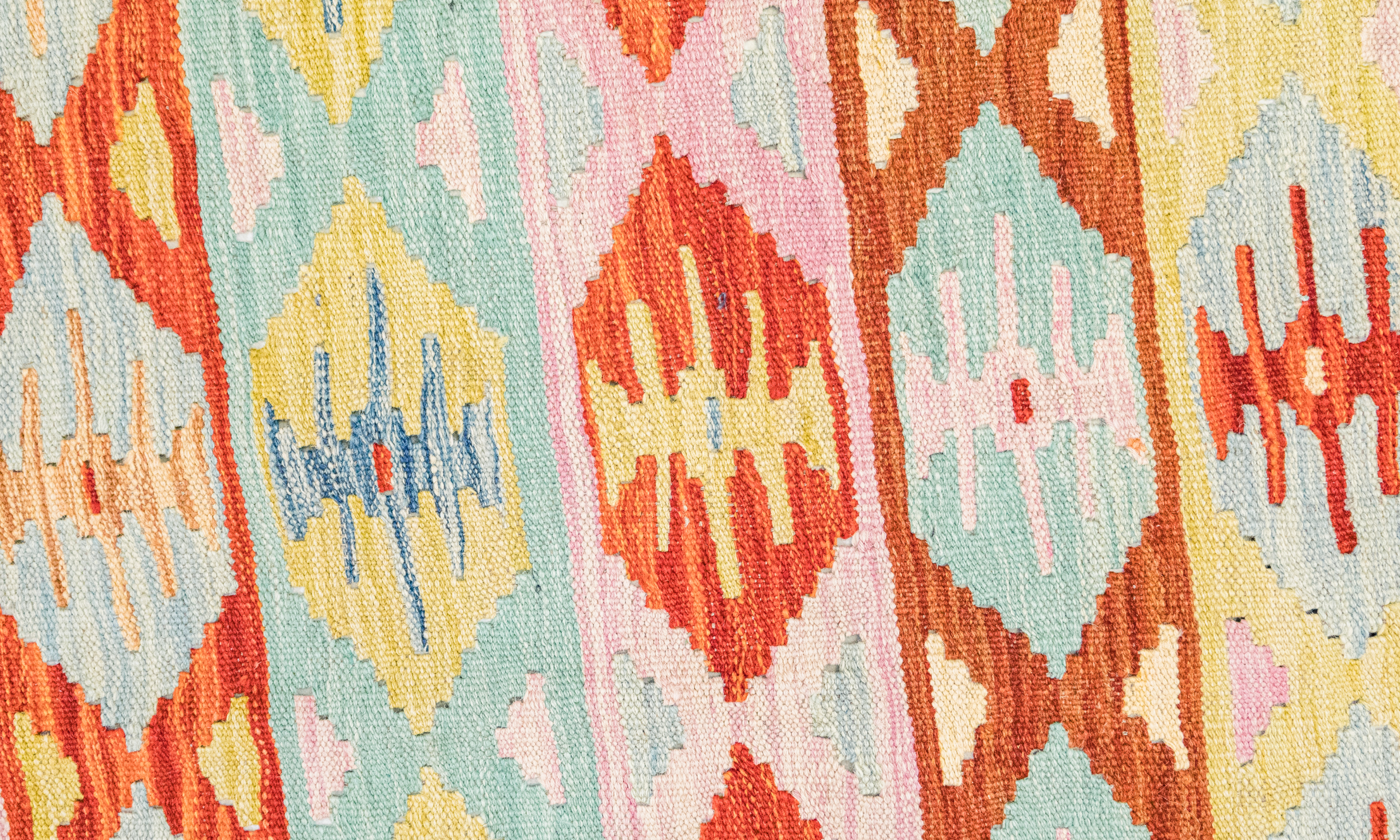
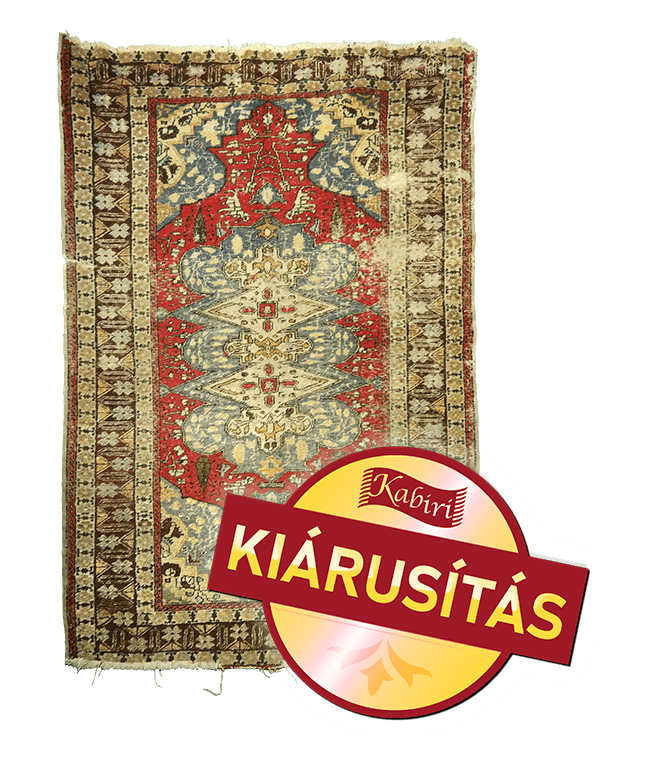
Their style is bold and distinctive, characterised by strong colours such as deep brown, crimson, brick red, dark blue and cream. Although their designs often follow traditional motifs, they can also appear almost whimsical, further enhancing the unique, “living” character of these handmade pieces.

Hamadan rugs are an excellent choice for everyday use, as they are robust, insulating and highly durable while preserving the rich visual language of their Persian heritage. Such a rug is more than an interior furnishing; it is a culturally significant work of art that brings centuries of tradition into a modern home.

Source: Jamal Abdul Naser
Owner of Kabiri Carpet

Szeretne elsőként értesülni a legújabb híreinkről és linformációinkról?

Cikkeink hasonló témában

Aktscha rugs – Warm-toned classics of Turkmen tradition

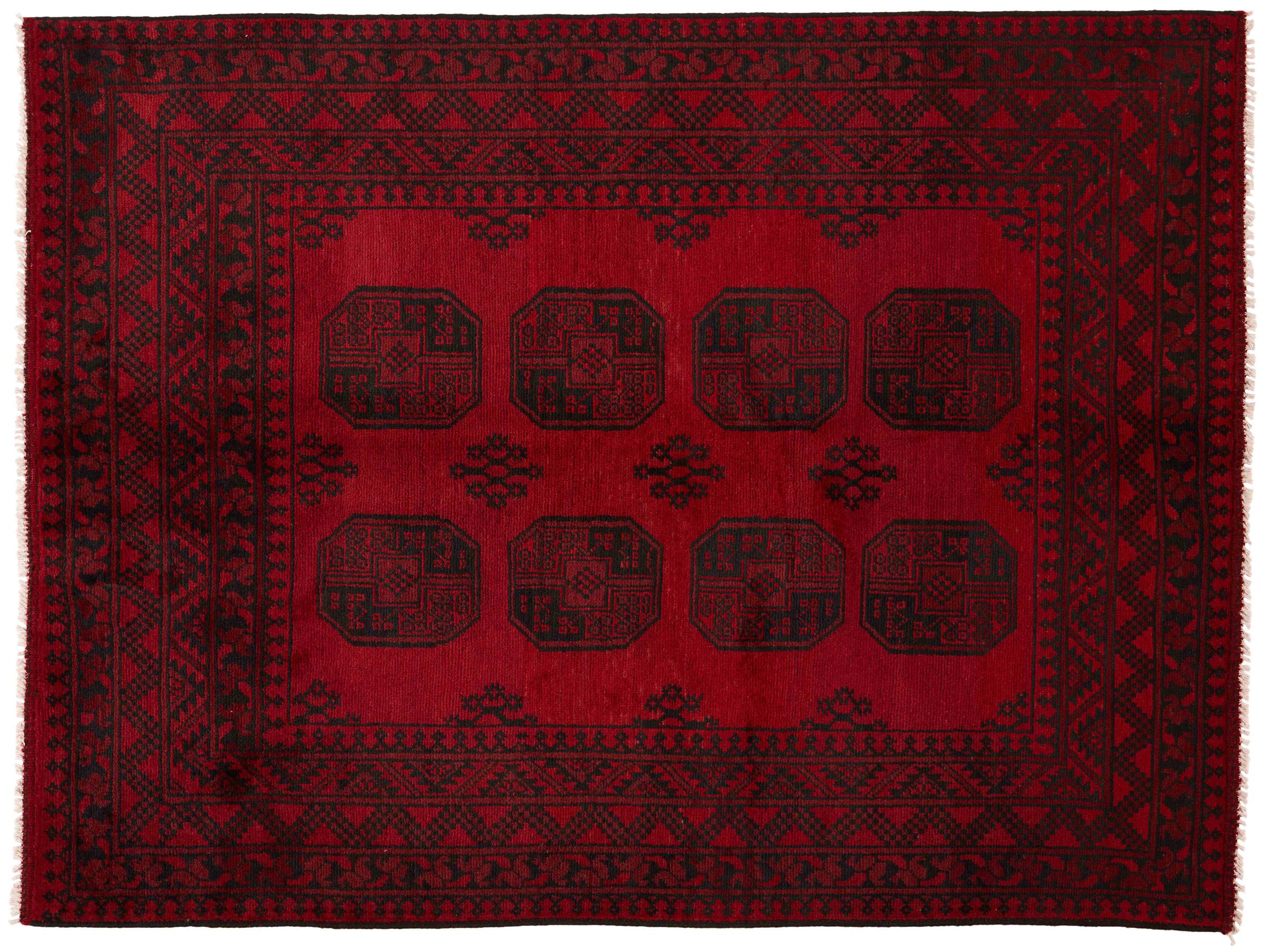
Aktscha rugs are a living expression of Turkmen nomadic traditions, with every knot carrying the heritage of Central Asian rug culture. Their deep red ground and traditional gul motifs create a bold yet harmonious visual character. Each piece brings individuality and a sense of history into the home.

2-ply and 3-ply Pakistani rugs – Soft wool and harmonious oriental patterns

These rugs carry forward the refined legacy of Central Asian nomadic traditions, where the orderly simplicity of Tekke and Bokhara patterns meets Pakistani craftsmanship. Their warm colours and soft wool create a cosy, balanced atmosphere.

Afghan kilim rugs – Ancient nomadic weaving traditions in modern homes

Afghan kilim rugs represent one of the oldest forms of Eastern nomadic weaving tradition, featuring a flat, reversible construction and geometric patterns. Durable and easy to use, their natural materials make them a timeless choice for both modern and classic interiors.

Ezek érdekelhetnek még

Ez is érdekes lehet

Removing pet hair from rugs

×
×

Cart