Blog

An Armenian rug is a knotted Caucasian rug dating from the 16th and 17th centuries. Among the peoples of the Caucasus, Armenians are considered some of the earliest rug makers. This view is supported by the fact that many rug motifs correspond to some of the oldest decorative traditions found in Armenian-inhabited regions.
These motifs include dragons, phoenixes and animal figures on early examples, while later rugs feature mainly palmette designs. Distinct types of early Armenian rugs include tree, bird and Bastard rugs. Their central fields display archaic motifs, while the borders are relatively simple.
They first reached Europe around 1880, where they were known as Kuba rugs. The Museum of Applied Arts in Budapest also holds an Armenian rug in its collection.
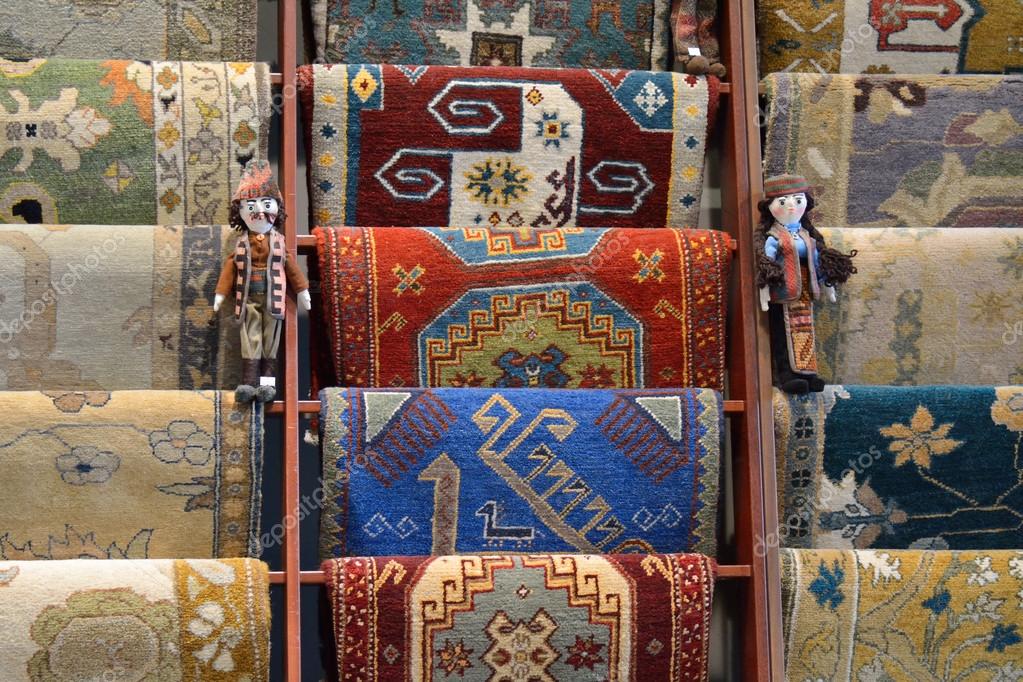
More recent Armenian rugs showing Persian influences, such as Urfa and Sivas rugs, are produced on an industrial scale.