Evaluating oriental rugs

Expertise and trust play a key role in assessing oriental rugs. Their quality depends on many different factors rather than a single characteristic, while customer satisfaction also relies on personalised advice.

We often come across websites that tend to highlight and overemphasise a single characteristic of oriental rugs as if it were the most important measure of quality. Based on 20 years of practical experience, I have found that most customers focus on these supposedly crucial parameters and try to compare the value of rugs by looking at them side by side.

c67aee28281c47917674

Customers often focus first on knot count and knot density, then use these figures together with the rug’s dimensions to make comparisons. As useful as it might seem to simplify the question in this way, it can lead to very misleading conclusions.

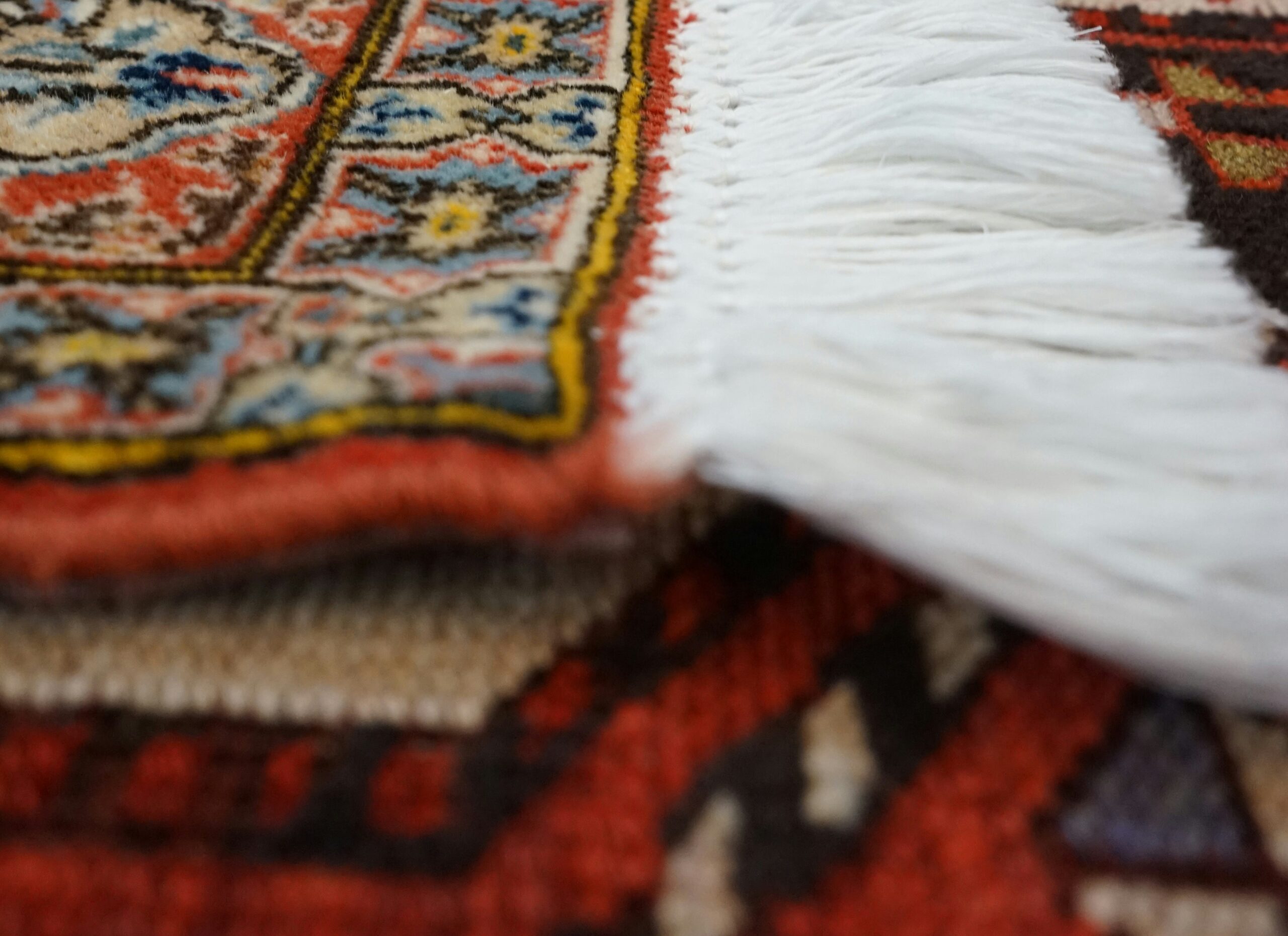
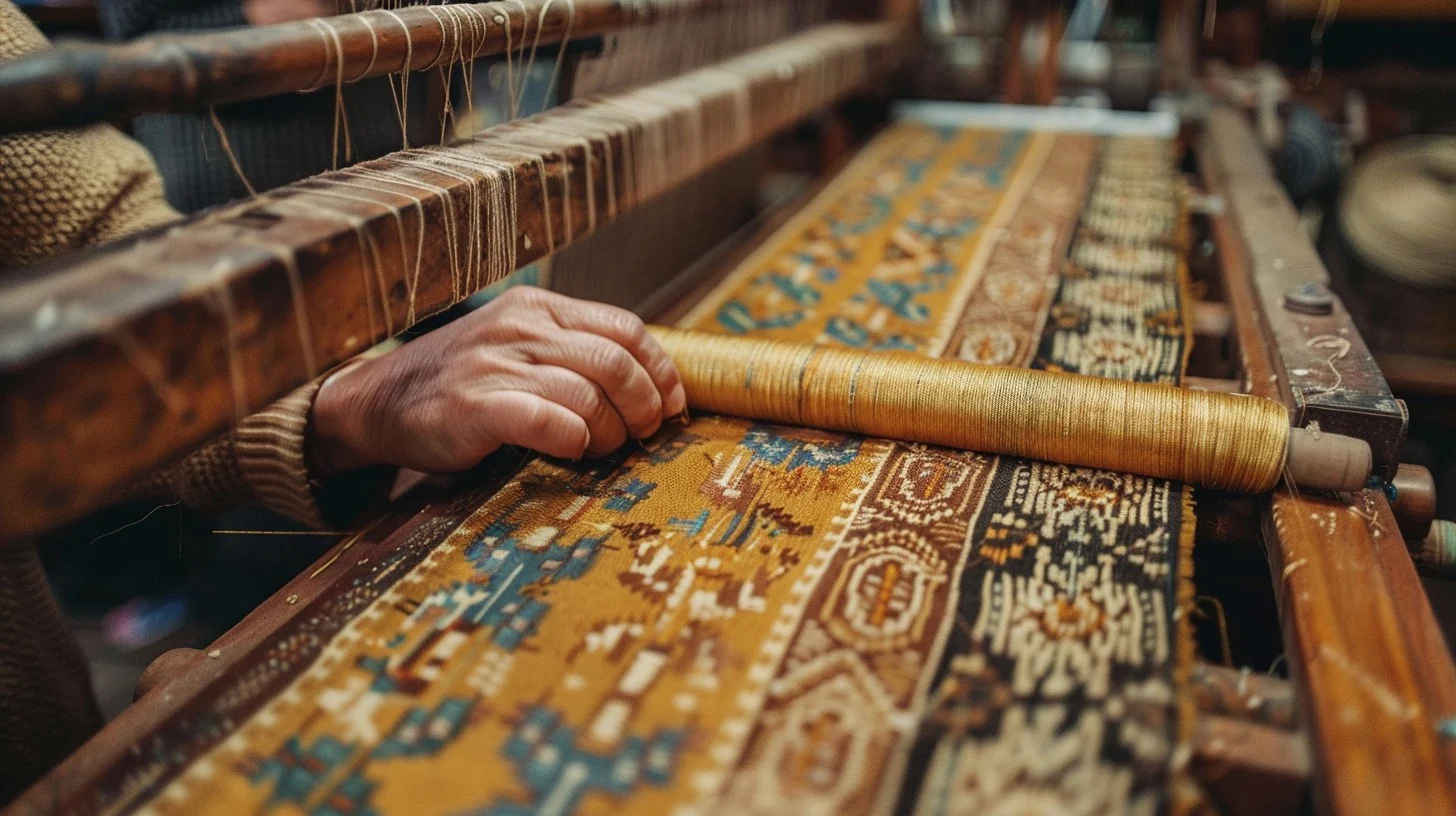
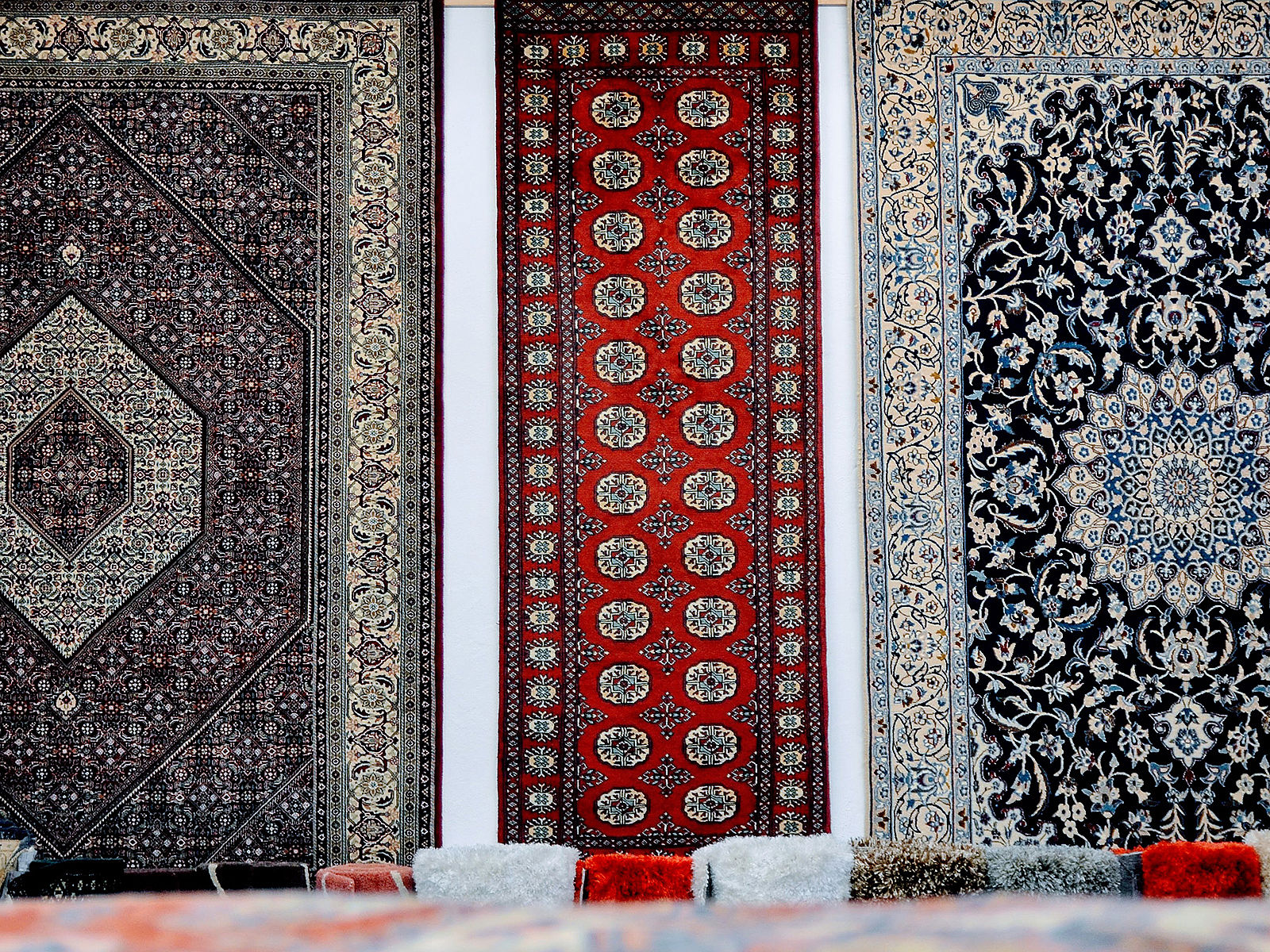
Without going too deeply into the technical details, I would still like to offer some guidance on the basic characteristics that should be considered. For hand-knotted rugs, important factors include the material used for the yarn, such as the type and quality of wool, as well as the knotting technique and density. The design, motifs, colouring, origin and age of the rug also matter. These characteristics can occur in countless combinations, which is why it is always worth relying on the advice of a specialist.
prague ariana carpets 3-resize_ariana-carpets-persian-carpets

For this reason, I consider it extremely important to build trust between the seller and the customer. I am very proud that for the past 20 years, customers and visitors have left Kabiri Carpet, located in the heart of Buda, satisfied. This has remained true even when they did not immediately find the rug of their dreams during their first visit.
Szeretne elsőként értesülni a legújabb híreinkről és linformációinkról?

Cikkeink hasonló témában

Aktscha rugs – Warm-toned classics of Turkmen tradition

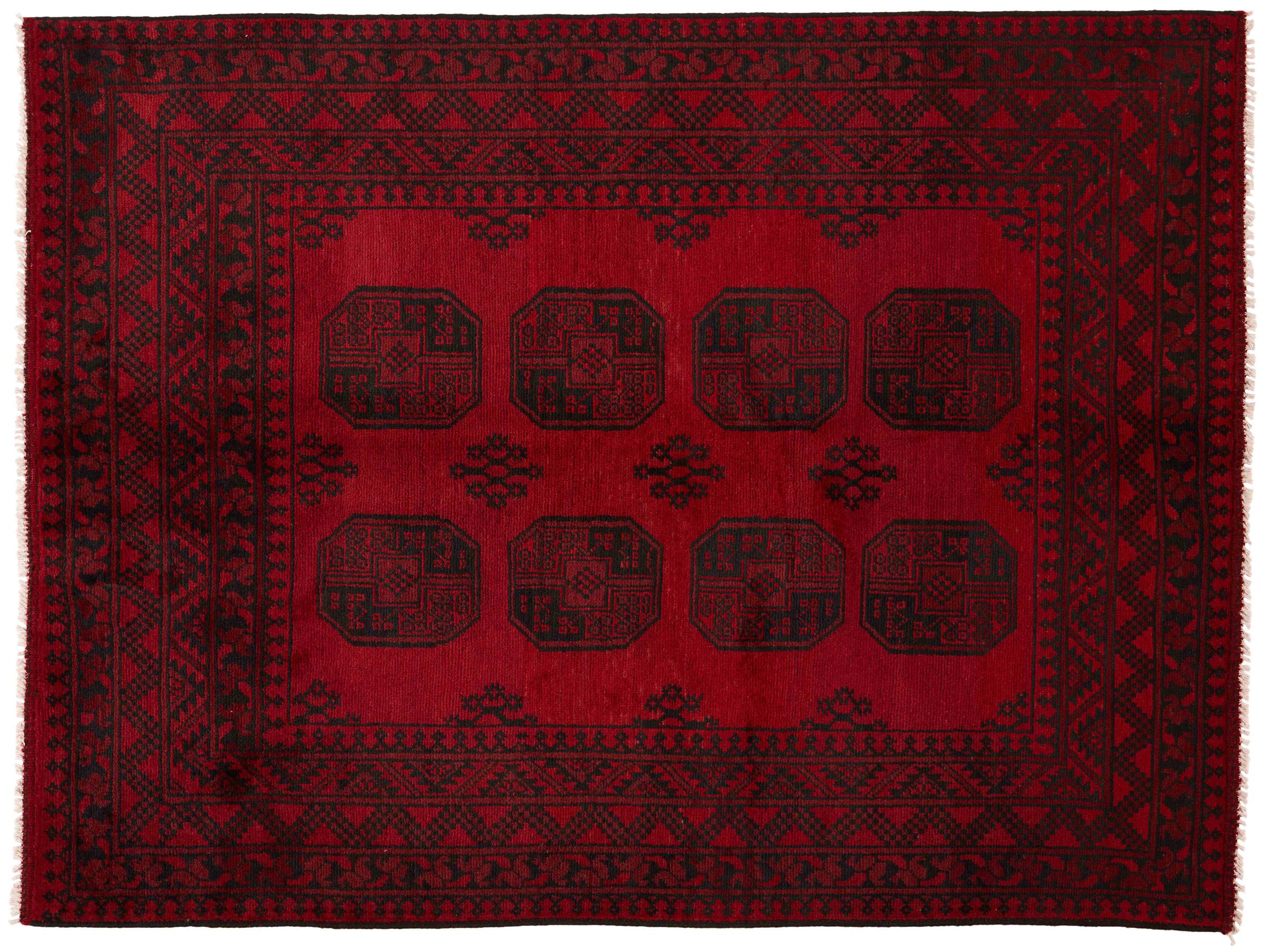
Aktscha rugs are a living expression of Turkmen nomadic traditions, with every knot carrying the heritage of Central Asian rug culture. Their deep red ground and traditional gul motifs create a bold yet harmonious visual character. Each piece brings individuality and a sense of history into the home.

2-ply and 3-ply Pakistani rugs – Soft wool and harmonious oriental patterns

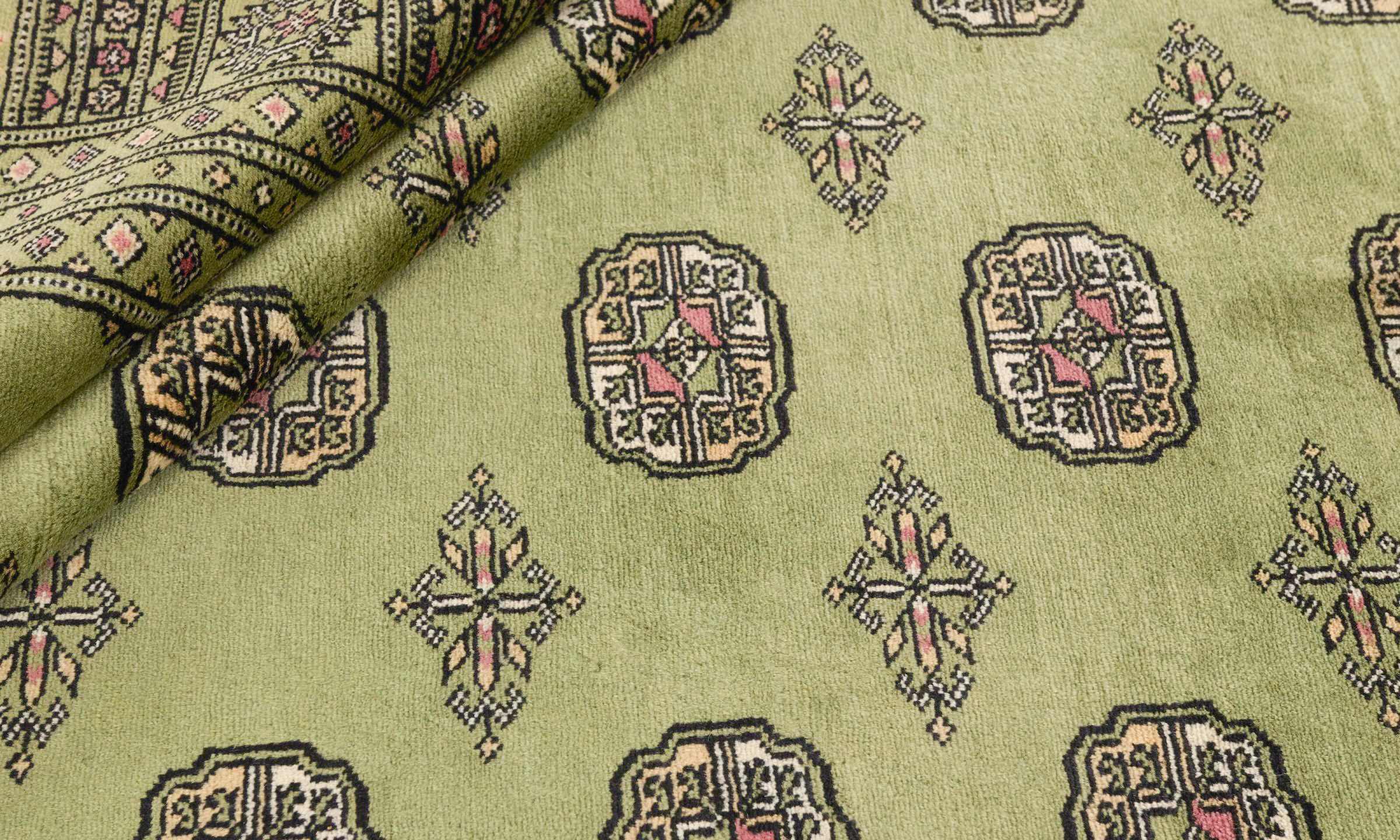
These rugs carry forward the refined legacy of Central Asian nomadic traditions, where the orderly simplicity of Tekke and Bokhara patterns meets Pakistani craftsmanship. Their warm colours and soft wool create a cosy, balanced atmosphere.

Afghan kilim rugs – Ancient nomadic weaving traditions in modern homes

Afghan kilim rugs represent one of the oldest forms of Eastern nomadic weaving tradition, featuring a flat, reversible construction and geometric patterns. Durable and easy to use, their natural materials make them a timeless choice for both modern and classic interiors.

Ezek érdekelhetnek még

Ez is érdekes lehet

Chapters from the true history of oriental rugs IX.

×
×

Cart