Patterns of oriental rugs

The rich patterns of oriental rugs offer an almost endless variety, where traditional motifs and styles are creatively combined.

If our aim were to list every material used in hand-knotted oriental rugs, commonly referred to as Persian rugs in Hungary, together with every weaving method, knotting technique, dye source, type of dye and colouring process, the task would be difficult, but still possible.

However, presenting every variation of the fascinating motifs found in these rugs would be almost impossible because of their extraordinary diversity. It could also overwhelm visitors with too much detail. For this reason, I will focus here on the main types and stylistic characteristics of hand-knotted rugs.

c67aee28281c47917674

When categorising the patterns of “Persian rugs”, three main groups can be distinguished: geometric, floral or vine-based, and figurative designs.

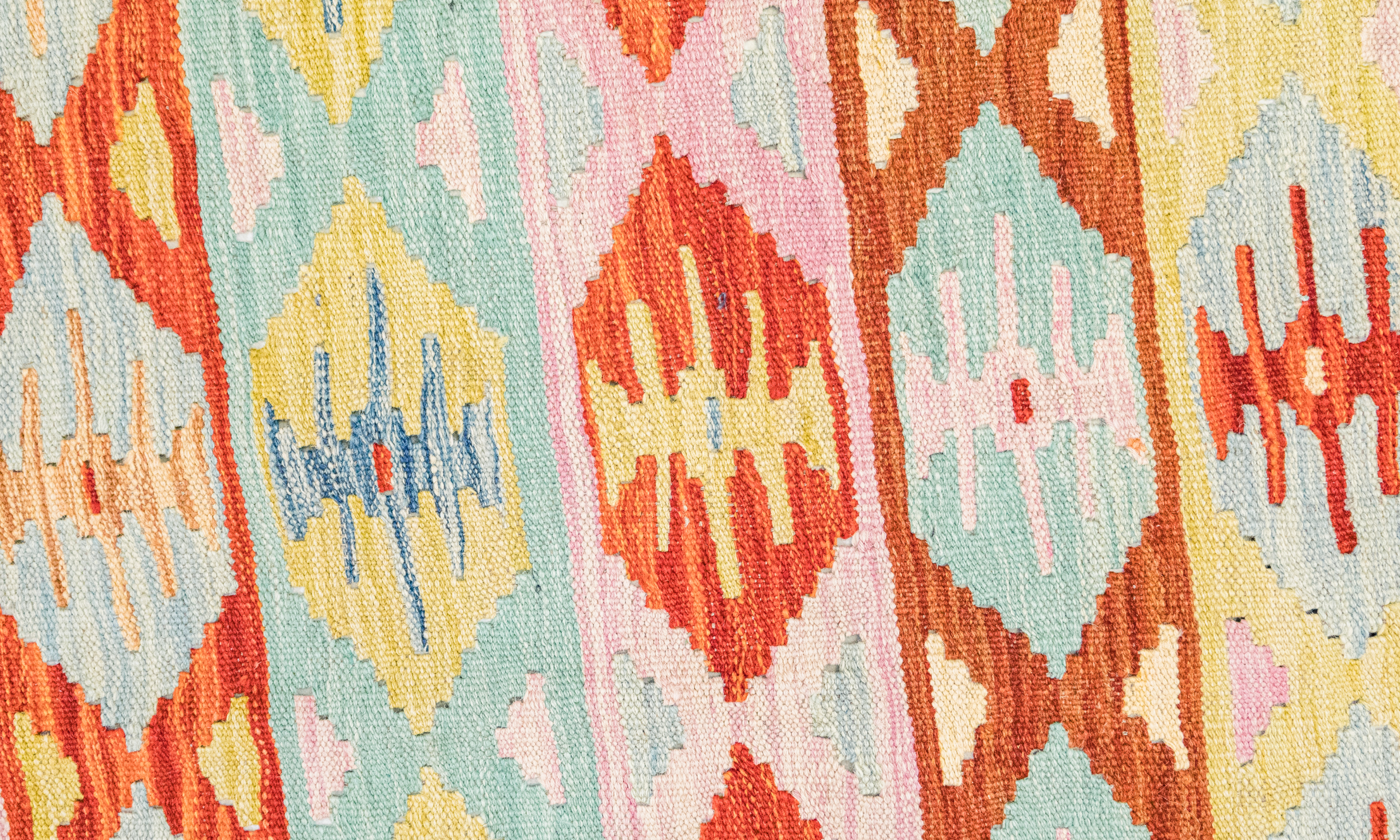
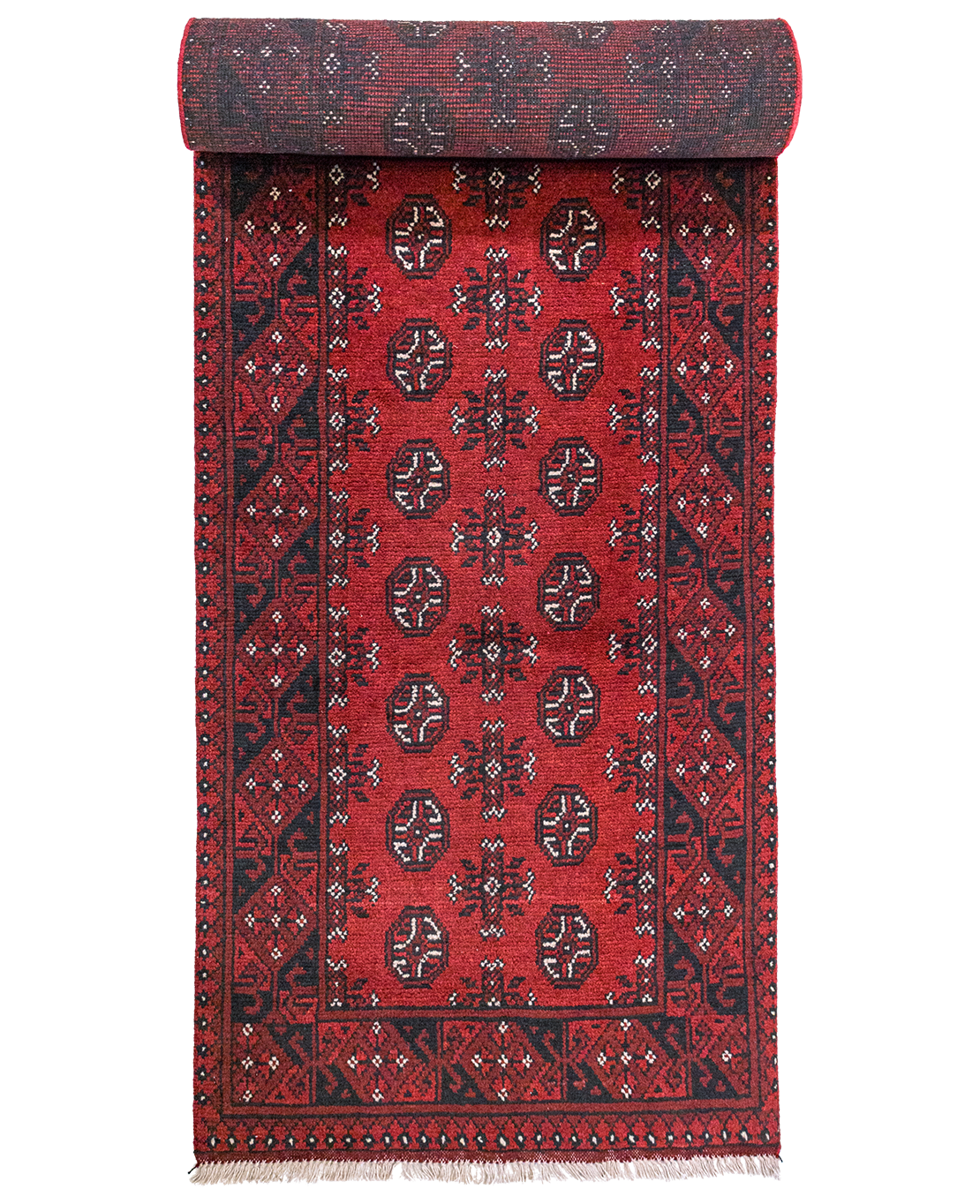
The image on the left shows a Herati rug, while the image on the right features the geometric motifs of an Afghan Bokhara rug. Geometric motifs appear in countless shapes and arrangements, limited only by imagination. At the same time, traditional rug-making regions often have their own characteristic motifs, colours and stylistic features, which can be recognised with some experience.
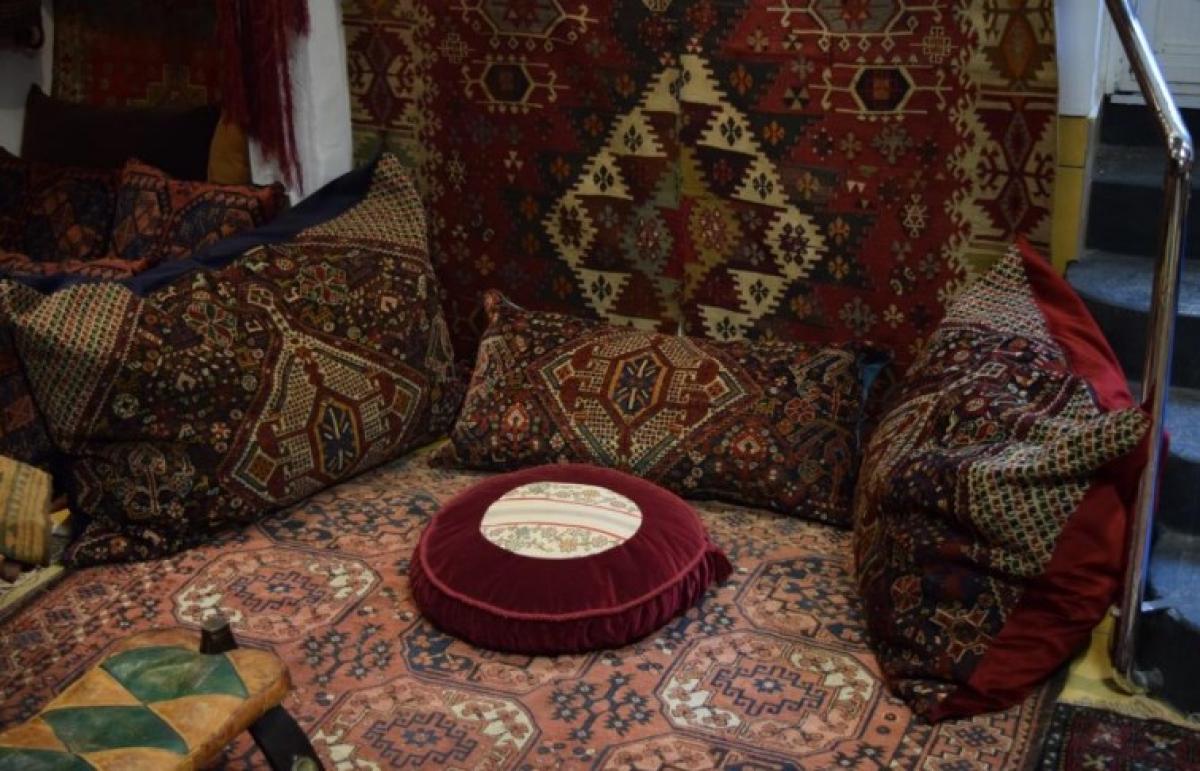
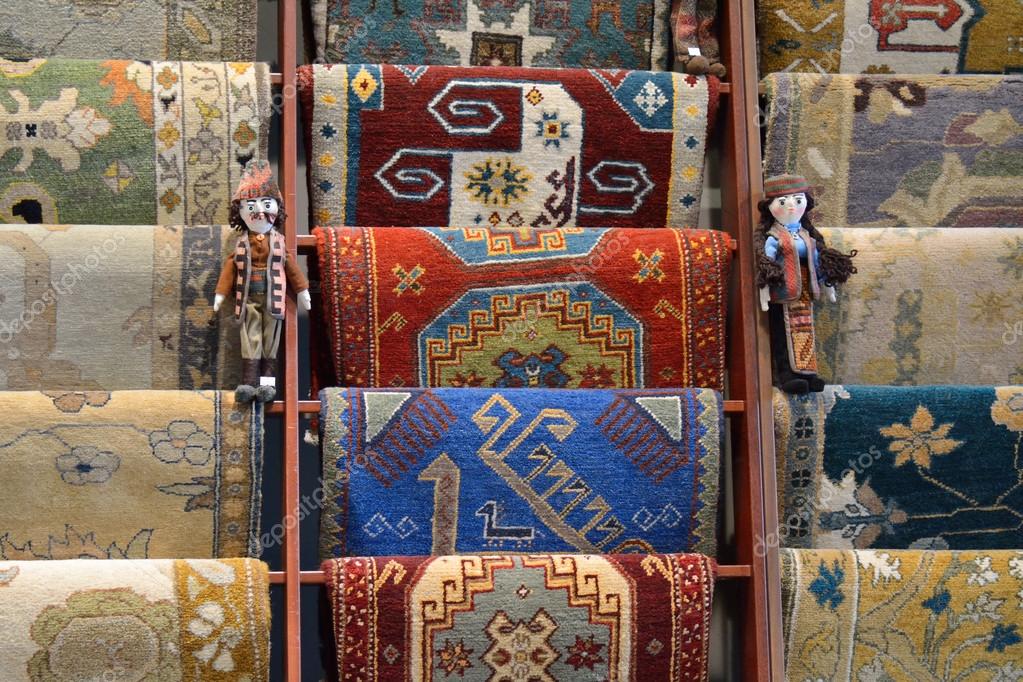
image192

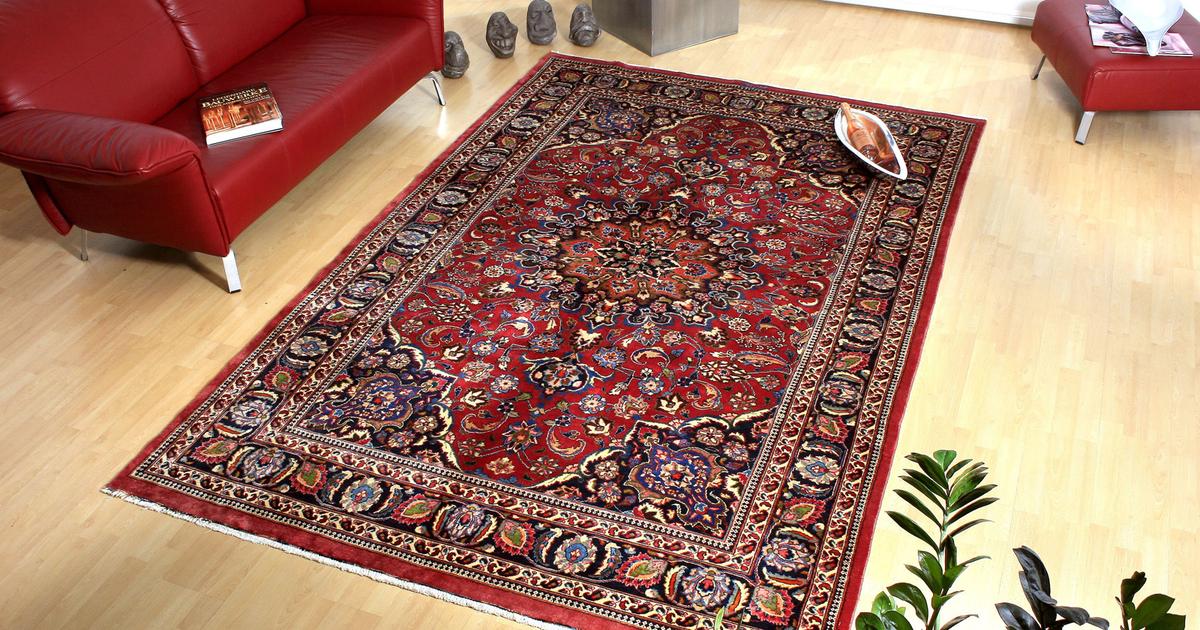
Different motif styles are often combined. Among the rugs shown above, this can be seen on the Iranian Qum rug, where floral and figurative motifs appear together. Another approach classifies the first two groups according to their lines, distinguishing between curved and straight designs. Curved patterns are generally associated with the higher level of craftsmanship found in urban workshops, while straight lines are more typical of village or nomadic weaving.

depositphotos_48474159-stock-photo-traditional-armenian-carpets

The Baluch rug shown here clearly displays the simpler lines and more restrained patterns typical of nomadic and village workshops.

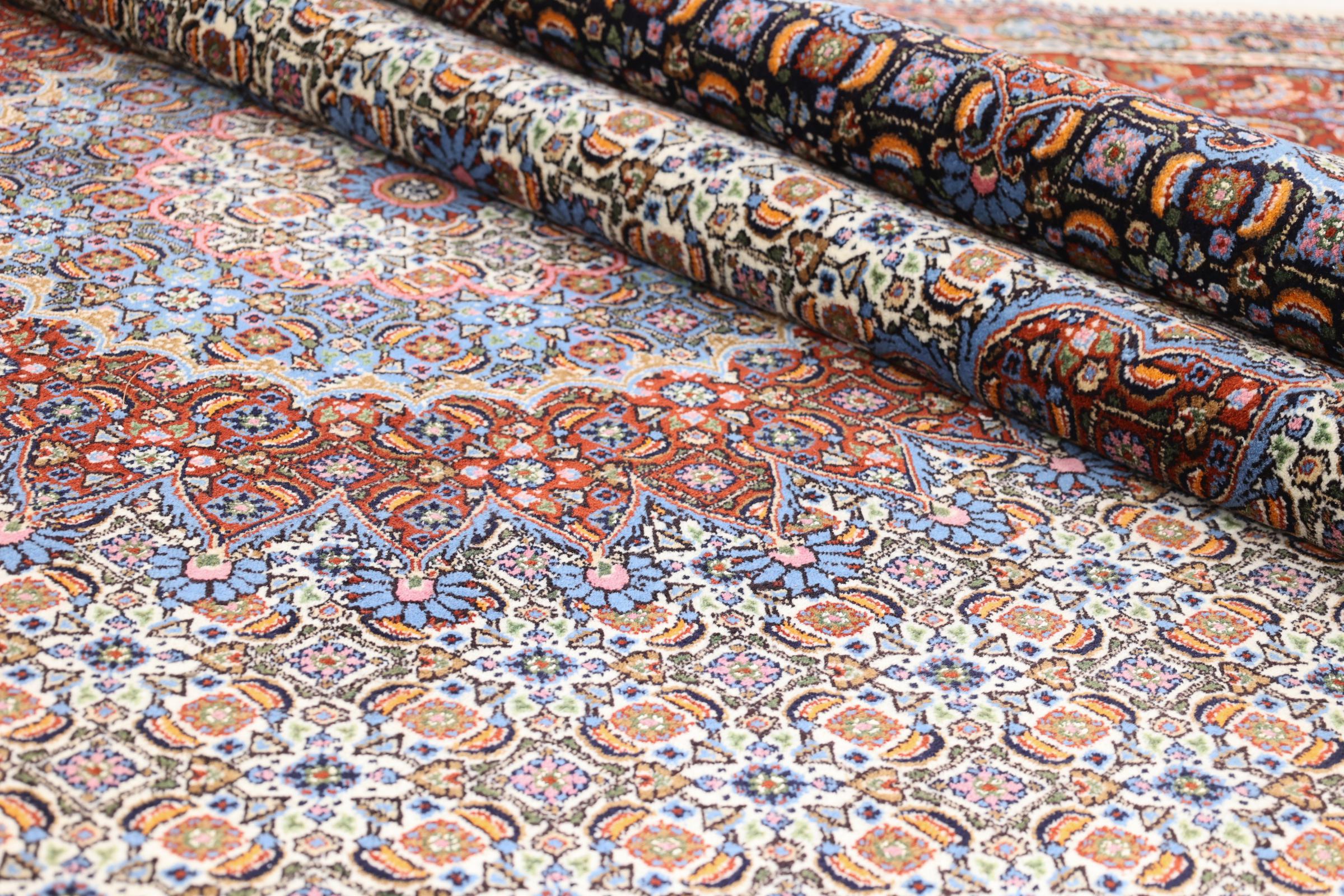
The differences between rural and urban styles become especially clear when a richly detailed city-made rug is placed beside it. A design may be built around one large central motif, or it may consist of several smaller elements or many tiny decorative details. In the Iranian Nain rugs shown above, we can see the contrast between a composition centred on one large motif and another featuring several smaller floral or vine-based motifs.

Beyond the classifications outlined above, motif placement can also be viewed from another perspective. Common arrangements include medallion designs, repeating patterns and compartment layouts made up of differently shaped fields. These categories often overlap, and many rugs combine repeating motifs with compartment designs and medallions.
Szeretne elsőként értesülni a legújabb híreinkről és linformációinkról?

Cikkeink hasonló témában

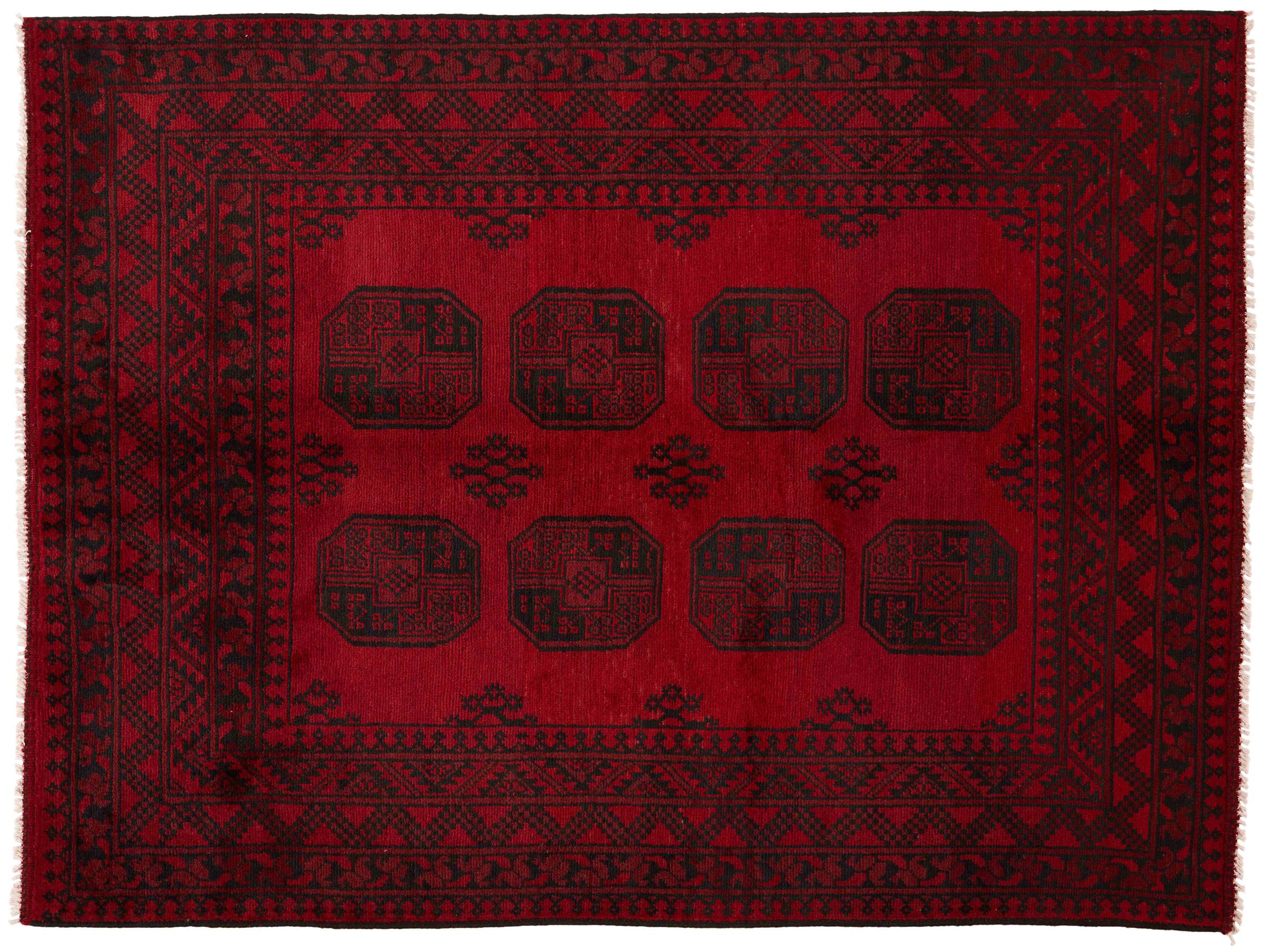
Aktscha rugs – Warm-toned classics of Turkmen tradition

Aktscha rugs are a living expression of Turkmen nomadic traditions, with every knot carrying the heritage of Central Asian rug culture. Their deep red ground and traditional gul motifs create a bold yet harmonious visual character. Each piece brings individuality and a sense of history into the home.

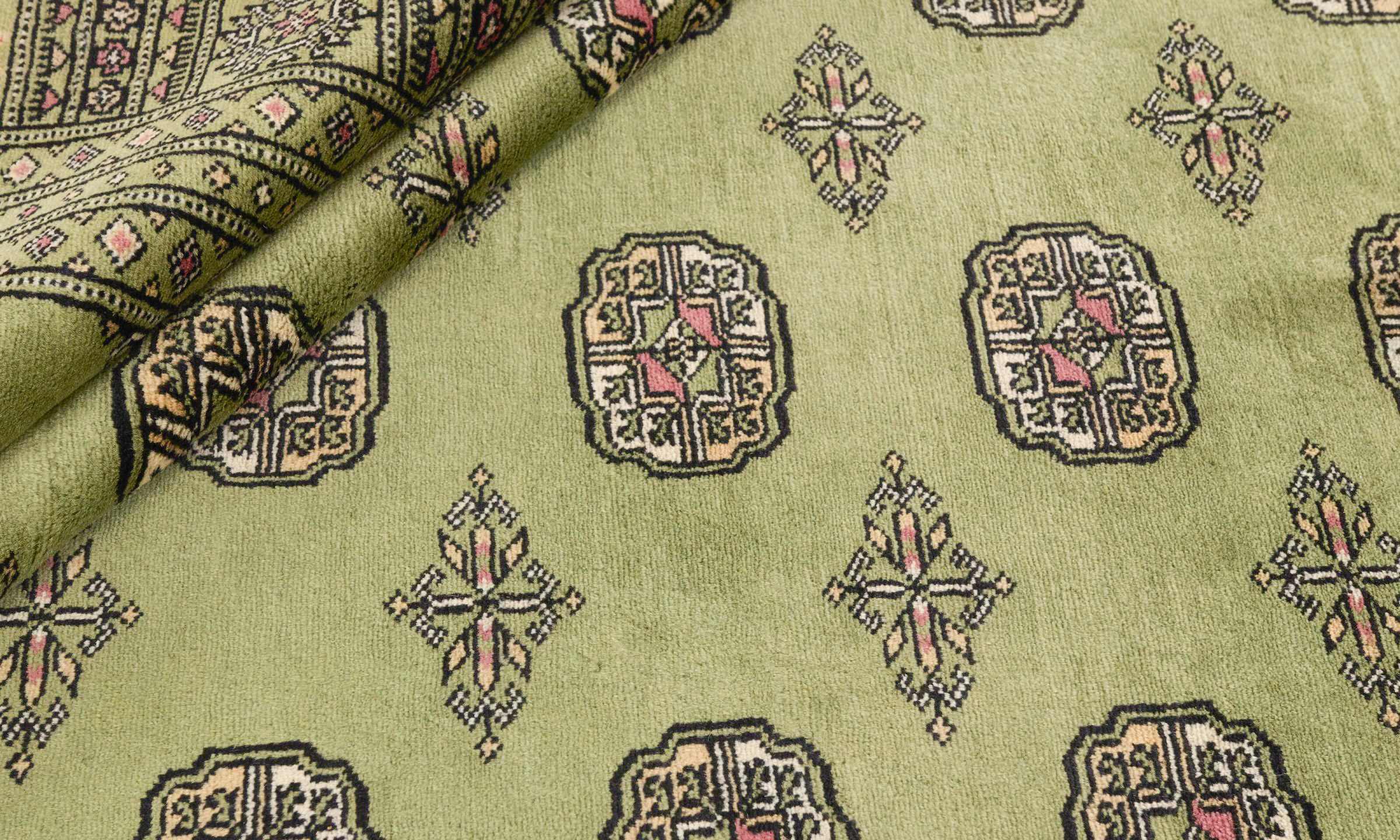
2-ply and 3-ply Pakistani rugs – Soft wool and harmonious oriental patterns

These rugs carry forward the refined legacy of Central Asian nomadic traditions, where the orderly simplicity of Tekke and Bokhara patterns meets Pakistani craftsmanship. Their warm colours and soft wool create a cosy, balanced atmosphere.

Afghan kilim rugs – Ancient nomadic weaving traditions in modern homes

Afghan kilim rugs represent one of the oldest forms of Eastern nomadic weaving tradition, featuring a flat, reversible construction and geometric patterns. Durable and easy to use, their natural materials make them a timeless choice for both modern and classic interiors.

Ezek érdekelhetnek még

Ez is érdekes lehet

Moud Mahi rugs – The timeless beauty of the classic Persian fish pattern

×
×

Cart