Blog
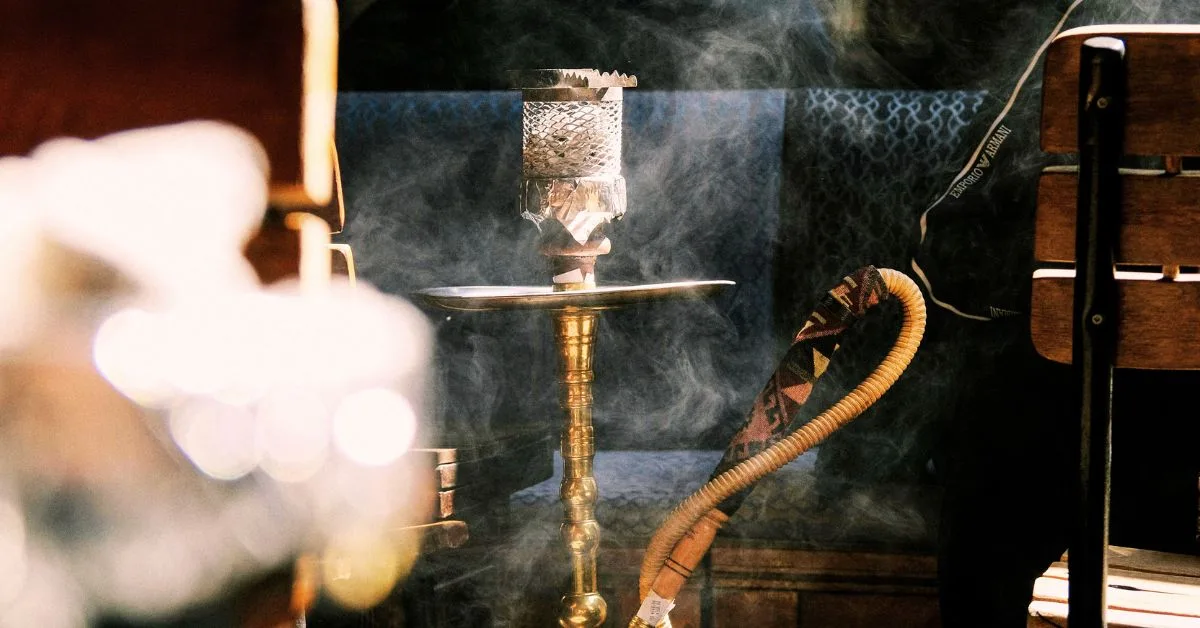
The shisha is said to have been used by Pygmy peoples in Africa long before the time of Christopher Columbus. It was made from various materials, with one of the most common versions using a coconut shell. This is also reflected in the name nargile or narghilea, a word associated with coconut in Persian and Hindi.
Shisha smoking became widespread across Africa, Asia Minor and India. It remains extremely popular in the Arab world today, while the custom has also become increasingly common in Europe and the United States.
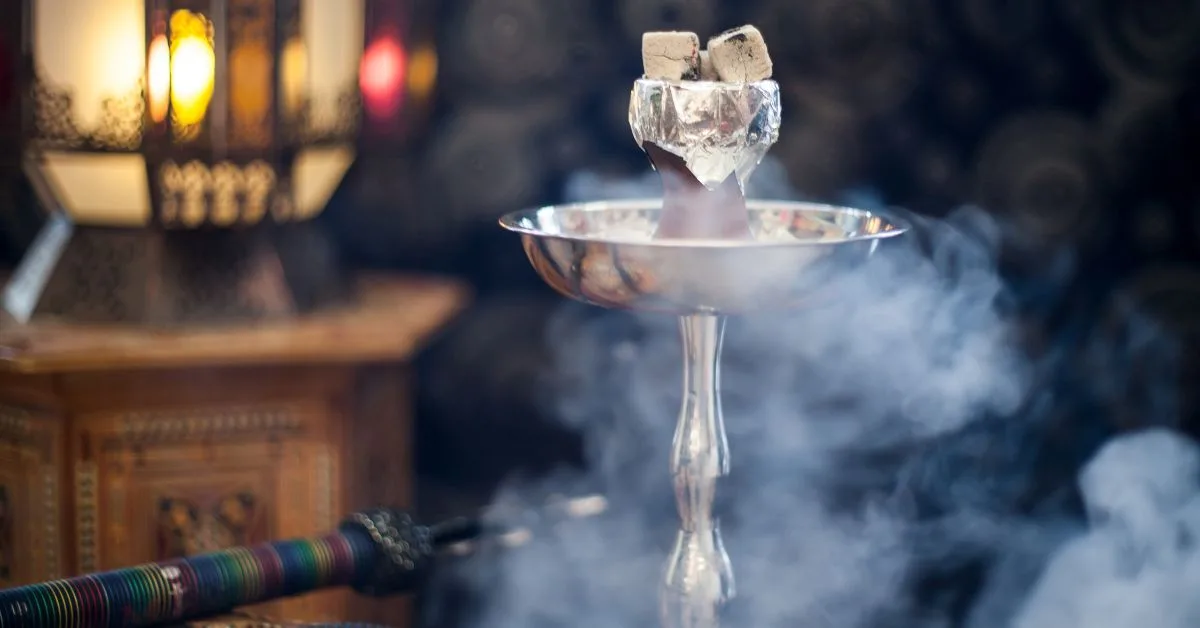
Many early metal versions were made entirely from brass, while modern shishas more commonly use stainless steel. As glass became more widely available, glass bases gradually replaced earlier containers. These were often beautifully painted and decorated.
Decoration could include patterns engraved into the metal, painted details, carved wooden elements and textiles. Today, plastic decorative elements are also commonly used.

Unlike the European pipe, a shisha is usually shared by several people. Some models are designed specifically for this purpose and have multiple hoses. In Hungary, shops mostly sell single-hose versions, although multi-hose and rotating shishas are also available. The rotating designs allow the hose connection to turn with the pipe, so the hose does not become twisted around the body when passed from one person to another.
A traditional single-hose shisha can also be shared. According to formal etiquette, the hose should be passed with the mouthpiece pointing downwards and using the right hand. Other traditions suggest that the hose should not be handed directly to another person at all, but simply placed down for them to pick up.

Comparing the health effects of shisha and cigarettes
- People generally do not smoke shisha every hour, but perhaps once or twice a week. This means the amount of smoke involved is not the same as for a regular cigarette smoker. Contrary to popular belief, it does not contain nicotine or any substance or chemical that causes addiction or dependence.
- A cigarette filter has poorer filtering properties than water.
- Shisha smoke has a pleasant aroma, while cigarette smoke is unpleasant to many people.
- The smell of shisha smoke can be removed from a room simply by airing it, while cigarette smoke tends to cling to textiles.
- Shisha smoke contains only a small amount of tar when the tobacco has completely burned and become charred.
- Shisha tobacco does contain nicotine, usually between 0.05% and 0.5%. However, the amount of other harmful substances is lower because the smoke is filtered through water.