Blog

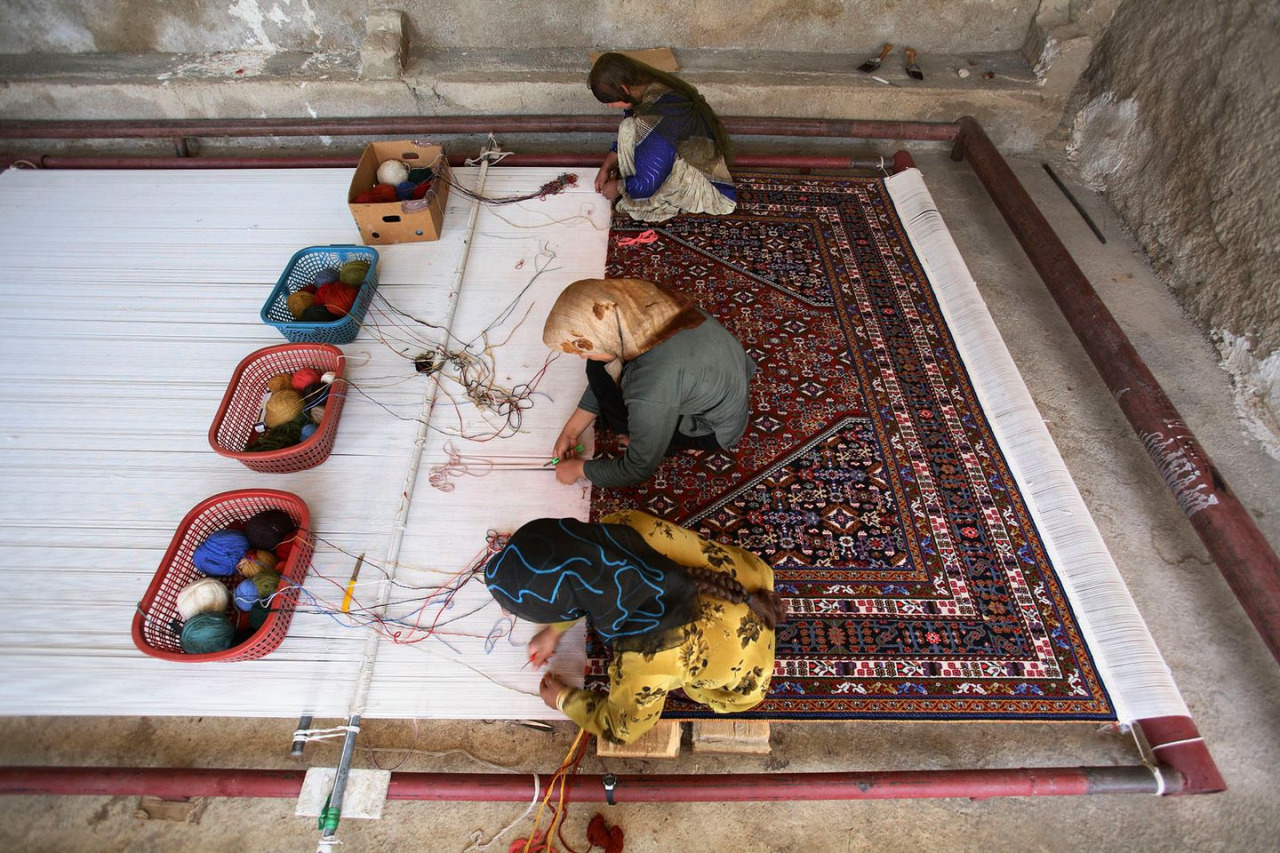
More complex natural dyes, capable of producing distinctive shades, were developed through individual experience and specialised knowledge. Their exact recipes were often kept as closely guarded secrets. After synthetic dyes appeared, they quickly replaced natural colourants because they were cheaper and easier to produce.
As artificial dyes improved, virtually every colour and shade became possible. Today, however, growing environmental awareness has renewed interest in oriental rugs coloured entirely with plant- and insect-based natural dyes.