Blog
KABIRI Carpet’s March message
In Persia, refined plant motifs and central medallions gradually replaced geometric patterns. Rugs served not only as decoration, but also as sources of comfort and financial security. In Europe, they spread after the Crusades and became so popular that France established its own rug-making workshops.
“Increasing value through lower prices!”
Chapters from the history of oriental rugs II
We continue the fascinating story of oriental rugs.
We should also mention the remarkable legends preserved in scattered written sources. One of the best-known tells of the Spring Carpet of Khosrow I, the Persian king who ruled from AD 531 to 579.
To celebrate his victory over the Romans and the conquest of southern Arabia, the ruler commissioned a rug of extraordinary beauty.
The rug may have measured more than 100 metres in length and 300 metres in width. It depicted a garden and featured hundreds of precious stones. The king could walk along its woven “paths” and admire flowers and fruit made from gemstones and gold thread.
Arab conquerors took control of the Persian Empire in 641. Sadly for today’s rug lovers, they cut the Spring Carpet into pieces. It had ranked among the royal palace’s most valuable treasures.
By the dawn of Islamic culture in the 7th century, rug weaving had already existed as an art and specialised craft for around 2,000 years. Many historians believe that, from this point onwards, the history of Islam also became the history of the rug.
Warrior tribes spread their faith among the conquered and converted peoples of the Middle East and Central Asia. Centralised power created a more stable society. Rulers could then redirect some of the energy and resources once spent on warfare towards the arts.
In the 12th and 13th centuries, the Seljuks rose to power from Central Asia. Their rule marked the beginning of a brilliant period in Islamic art. Support from royal courts played a vital role in the flourishing of Islamic art and rug making.
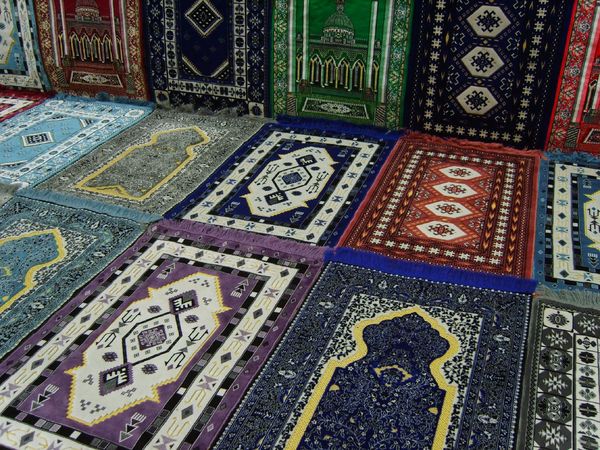
In Persia, refined plant motifs gradually replaced earlier geometric patterns. The central medallion became especially popular. Illustrators of the Quran, Islam’s sacred text, also used this motif frequently.
People valued rugs for their beauty and portability. For both nomadic communities and city dwellers, they also represented financial security. Some rugs made daily life more comfortable. Others were created for sale at the bazaar, either immediately or when money became necessary.
European trade in oriental rugs began in the 11th century, when the first Crusaders returned home. By the 14th century, rugs had become so widespread in Europe that they began to appear in paintings.
Italian artists often included richly decorated rugs in portraits of leading figures, such as Queen Elizabeth I. One heavily patterned type later became known as the Holbein rug, after the court painter. Another style received the name Lotto rug for the same reason, after the 16th-century Italian artist.
The intricate and expensive rugs of Asia Minor became highly sought after in France. So much money left the country that the trade began to affect the economy.
King Henry IV therefore ordered the establishment of rug-making workshops within France.
/To be continued/
Szeretne elsőként értesülni a legújabb híreinkről és linformációinkról?
Cikkeink hasonló témában
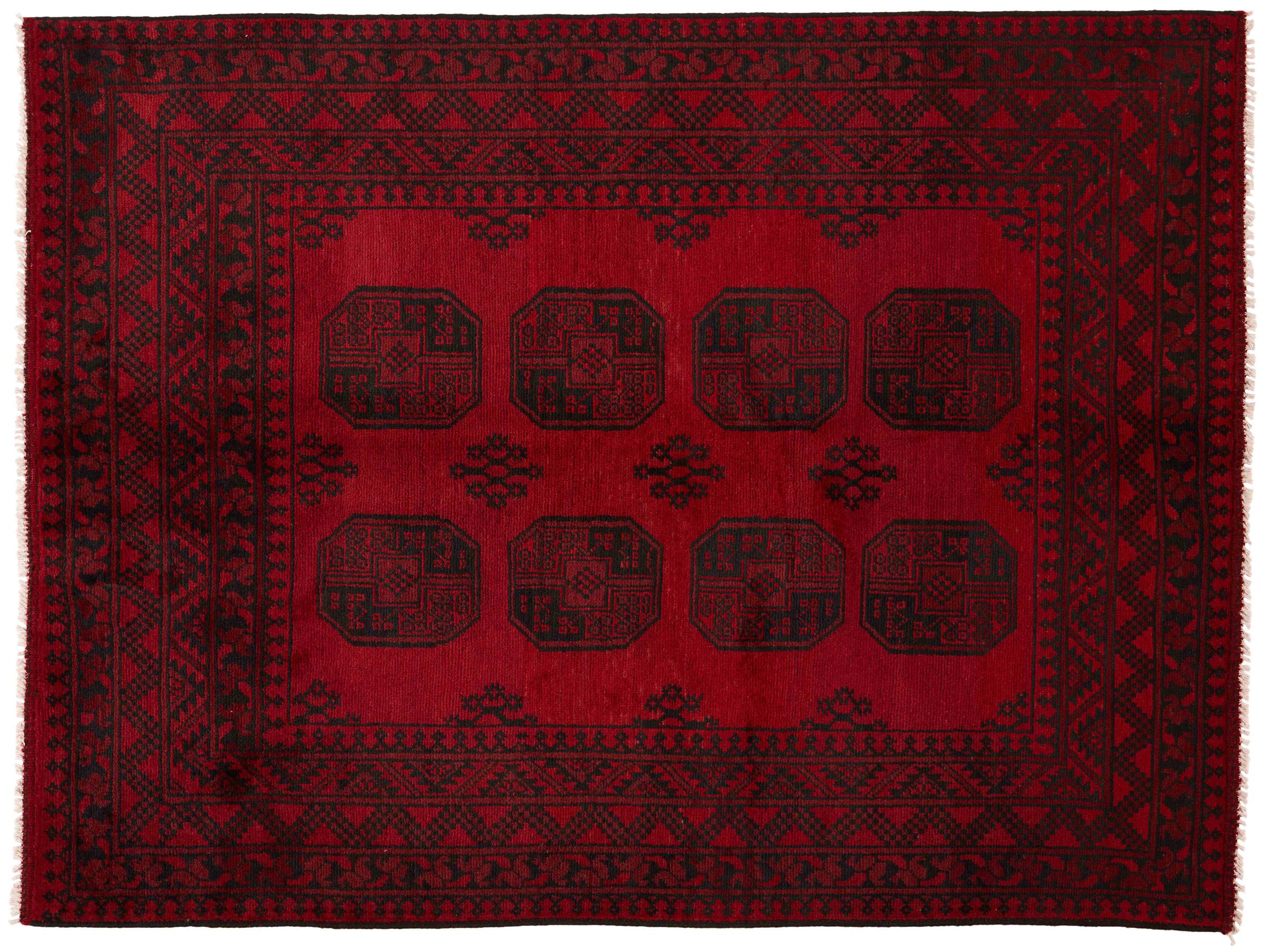
Aktscha rugs – Warm-toned classics of Turkmen tradition
Aktscha rugs are a living expression of Turkmen nomadic traditions, with every knot carrying the heritage of Central Asian rug culture. Their deep red ground and traditional gul motifs create a bold yet harmonious visual character. Each piece brings individuality and a sense of history into the home.
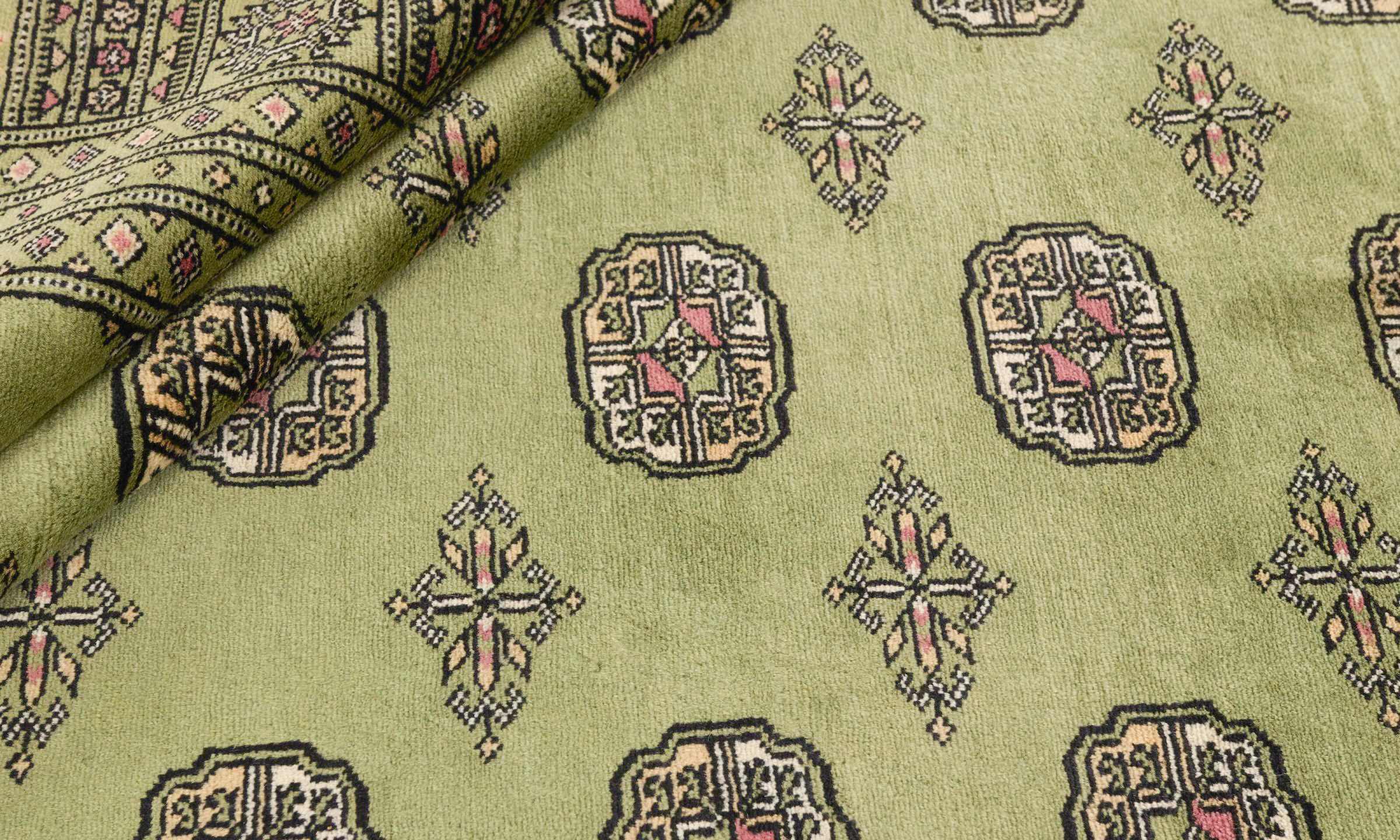
2-ply and 3-ply Pakistani rugs – Soft wool and harmonious oriental patterns
These rugs carry forward the refined legacy of Central Asian nomadic traditions, where the orderly simplicity of Tekke and Bokhara patterns meets Pakistani craftsmanship. Their warm colours and soft wool create a cosy, balanced atmosphere.