Blog
The origins and characteristics of antique kilim rugs
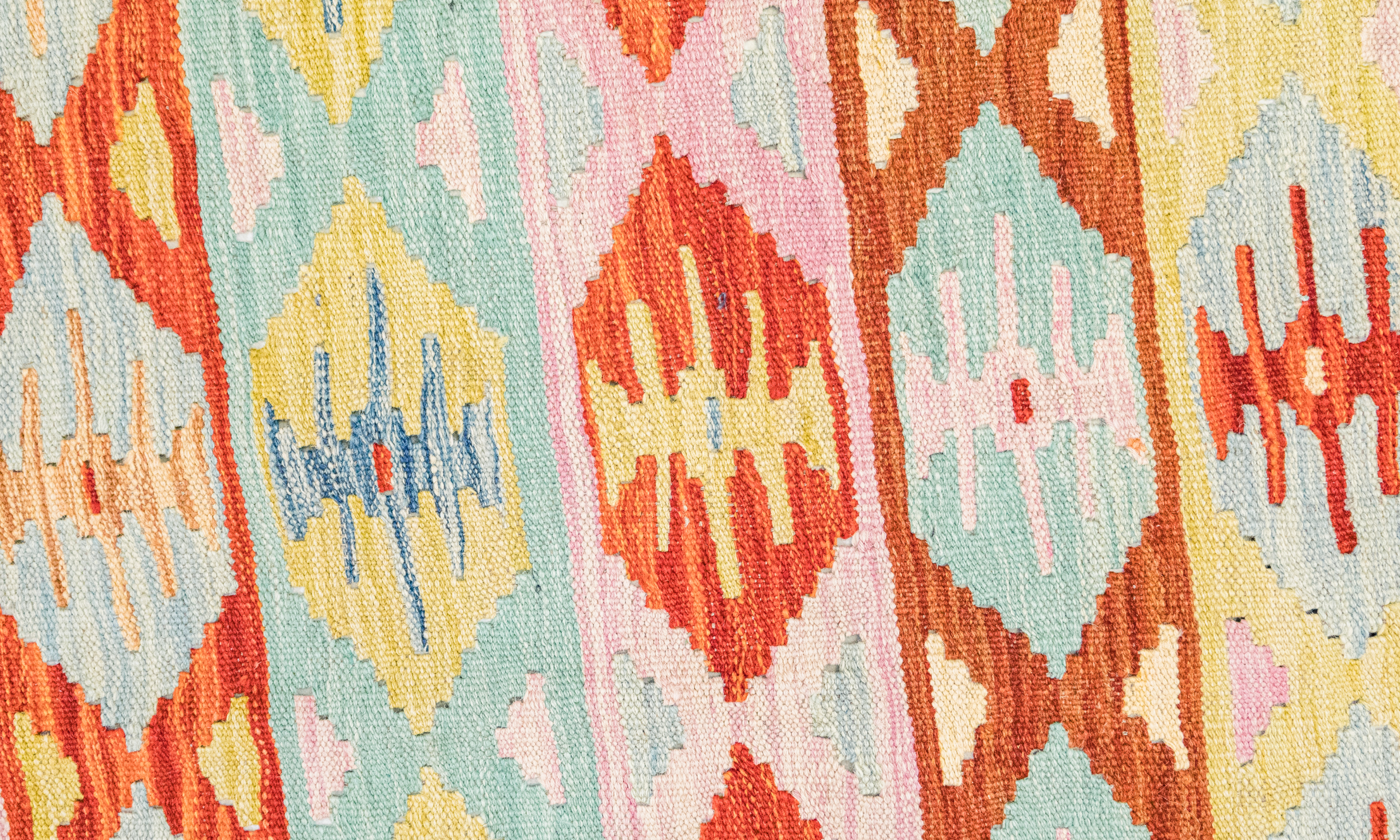
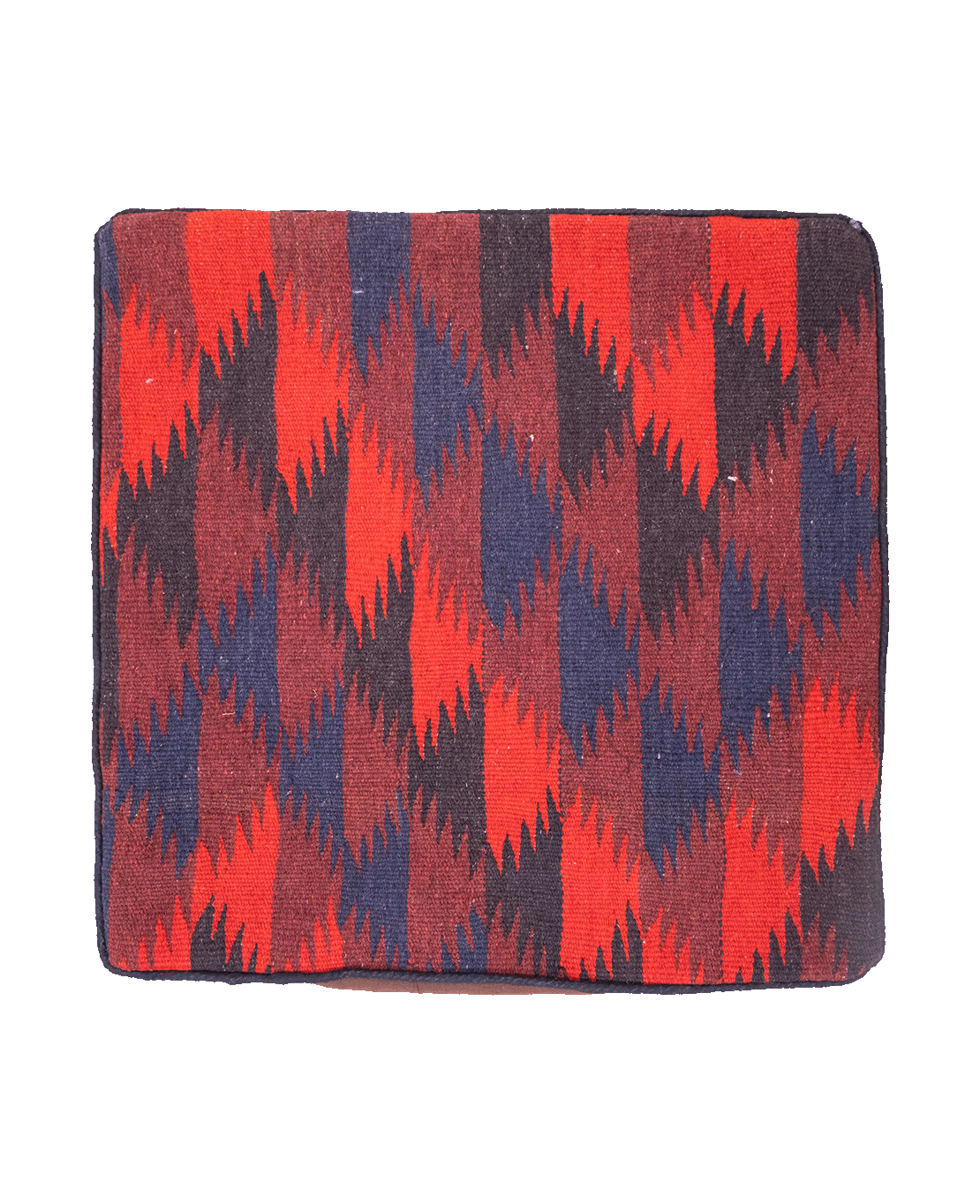
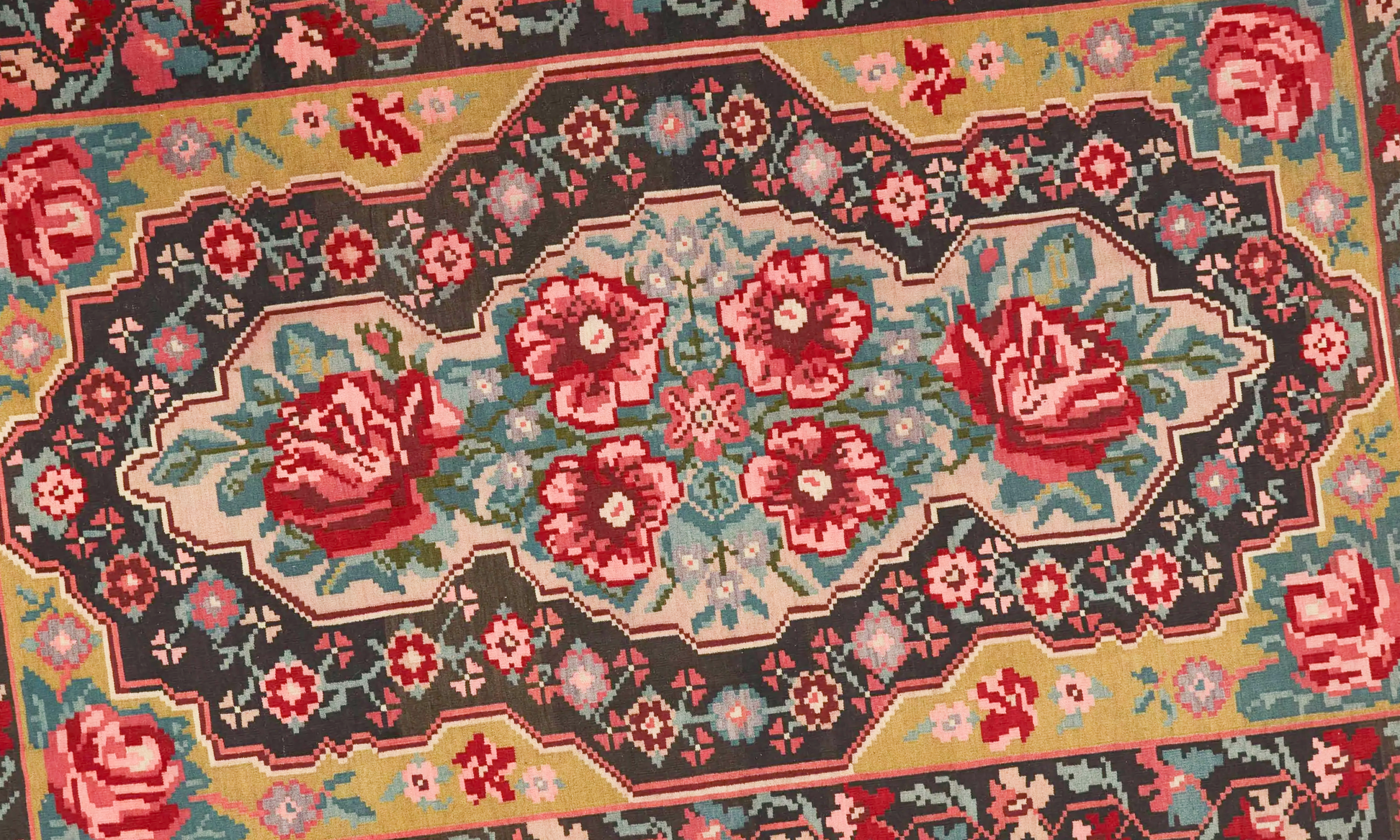
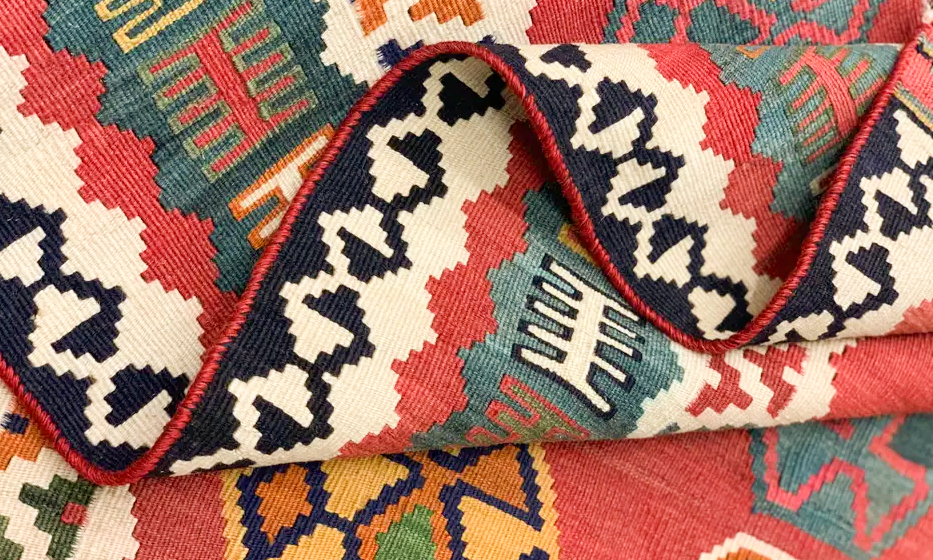
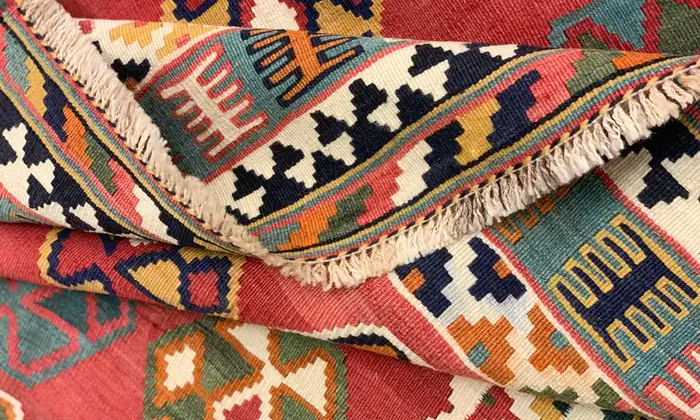
Antique kilim rugs are distinctive reminders of the centuries-old weaving traditions of Eastern nomadic peoples. These rugs are typically elongated in shape and were originally used as everyday household items in nomadic tents. Kilims are woven rather than knotted, giving them a lighter, flatter structure while remaining exceptionally durable and versatile. Such kilims are often 50–80 years old, although even older examples are not uncommon, and many have preserved their beauty and practicality to this day.
Nomadic communities made these rugs according to their own needs, so every piece has a unique combination of patterns and colours. Geometric motifs, natural tones and the subtle variations created by handweaving all contribute to the fact that no two antique kilims are ever exactly alike.
Interior design applications and style recommendations
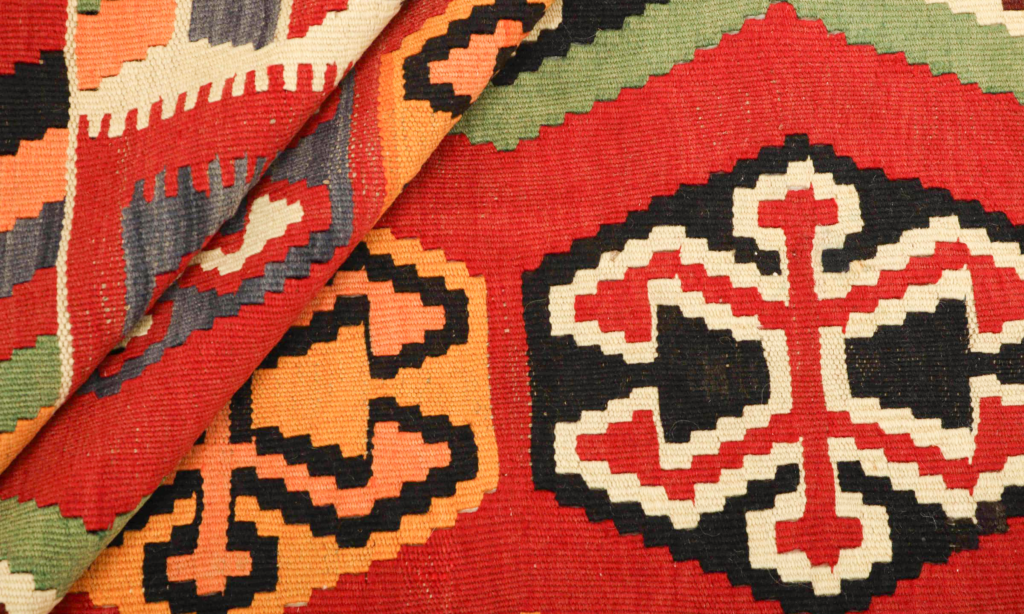
Thanks to their versatility, these kilims work beautifully in a wide range of interiors. Their flatwoven construction makes them ideal for living rooms, dining rooms, entrance halls and even bedrooms, where they create a natural and welcoming atmosphere. They complement bohemian, rustic, Scandinavian and modern interiors particularly well, as their understated elegance and authentic character pair easily with different interior design styles.
Kilims were traditionally layered over other rugs for insulation, and this layered look remains a popular interior design solution today. An antique kilim pairs especially well with natural wooden furniture, linen textiles and earthy tones, while its unique history brings distinctive character to the space.
More than a rug – The legacy of the nomadic way of life
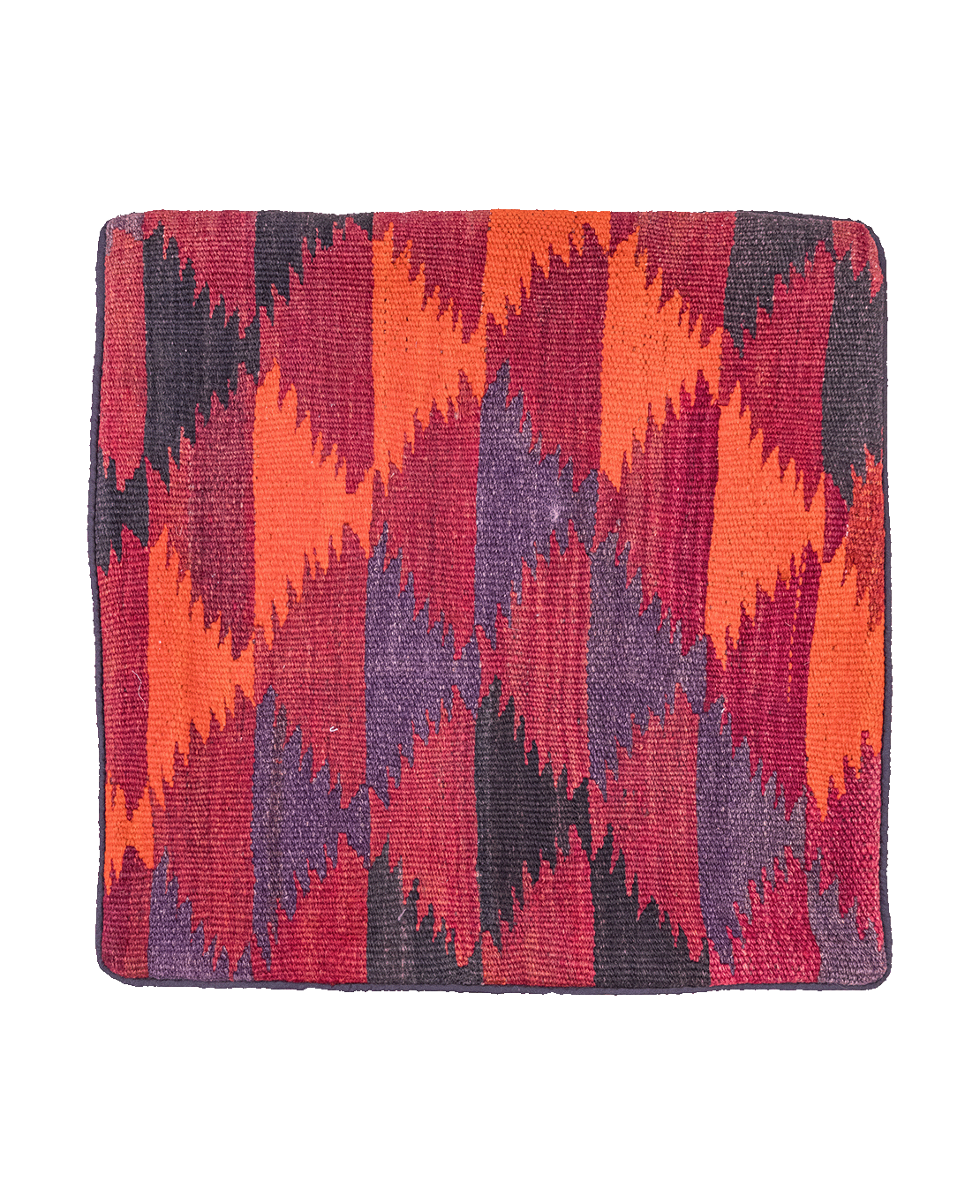
Antique kilim rugs were originally used for much more than floor covering. Nomadic communities used them for many different purposes, including as seating and sleeping surfaces, blankets, storage bags and even parts of animal equipment. This versatility and practicality can still be felt in every piece today.
An antique kilim rug is not merely a decorative element, but a piece of Eastern nomadic culture that carries stories passed down through generations. Its handwoven construction, durable natural materials and traditional patterns represent lasting value, bringing a distinctive atmosphere and authentic character to modern homes.