Blog
Source: Origo
Buying a rug can be enjoyable and relaxing. Experts also consider it a worthwhile investment. More valuable hand-knotted rugs can increase in value over time, often faster than inflation. For this reason, many tourists also buy them as investments.
People in cultures around the world have made rugs since ancient times. They used them partly for protection against harsh weather and partly for decoration. Rugs still serve both purposes today.
More valuable hand-knotted rugs can increase in value during use, often at a rate above inflation. This is why many tourists also buy them as investments. Interestingly, the same does not apply to machine-made rugs, even if they use high-quality wool or silk.
The first important question is therefore: how can we tell a machine-made rug from a hand-knotted one?
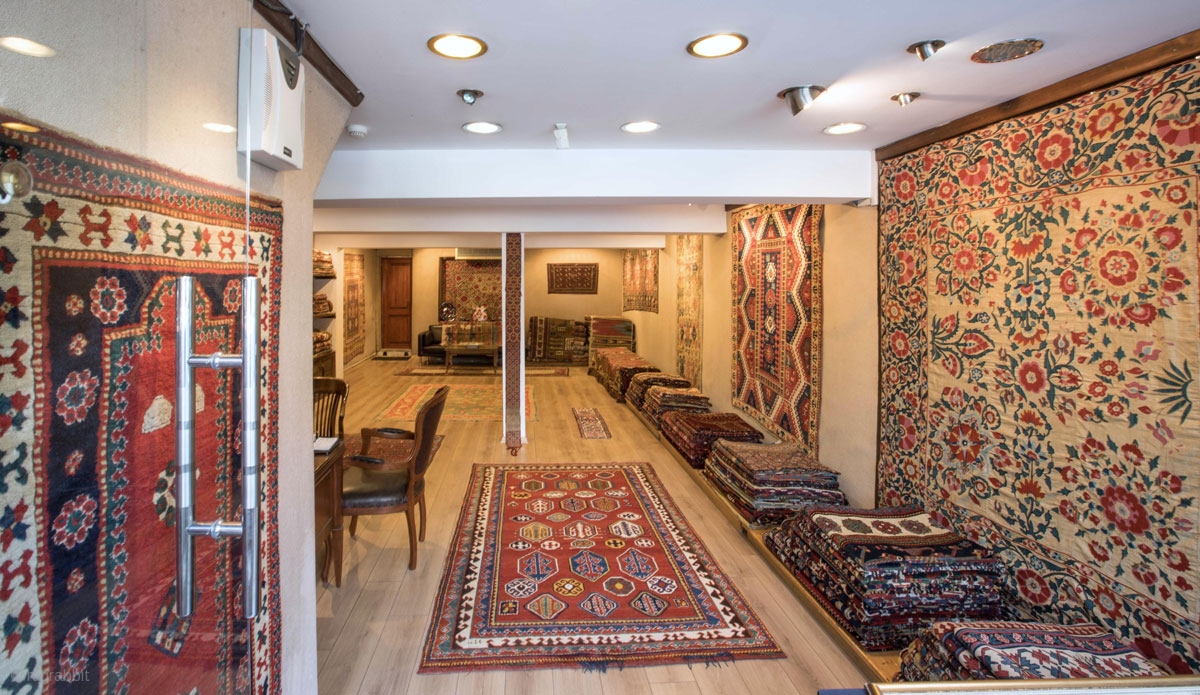
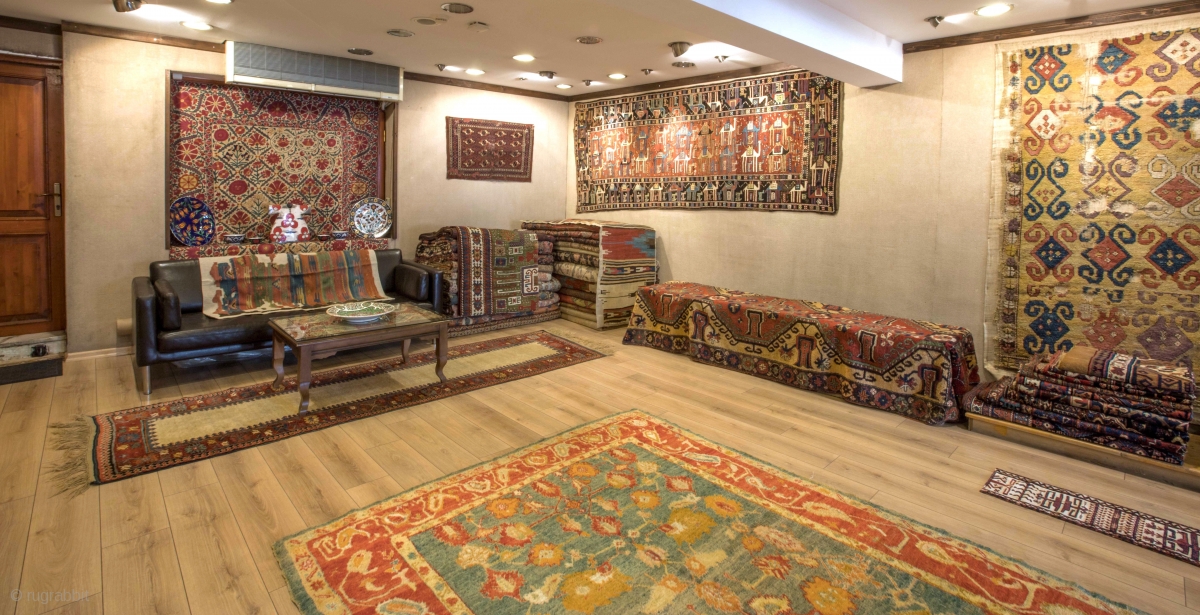
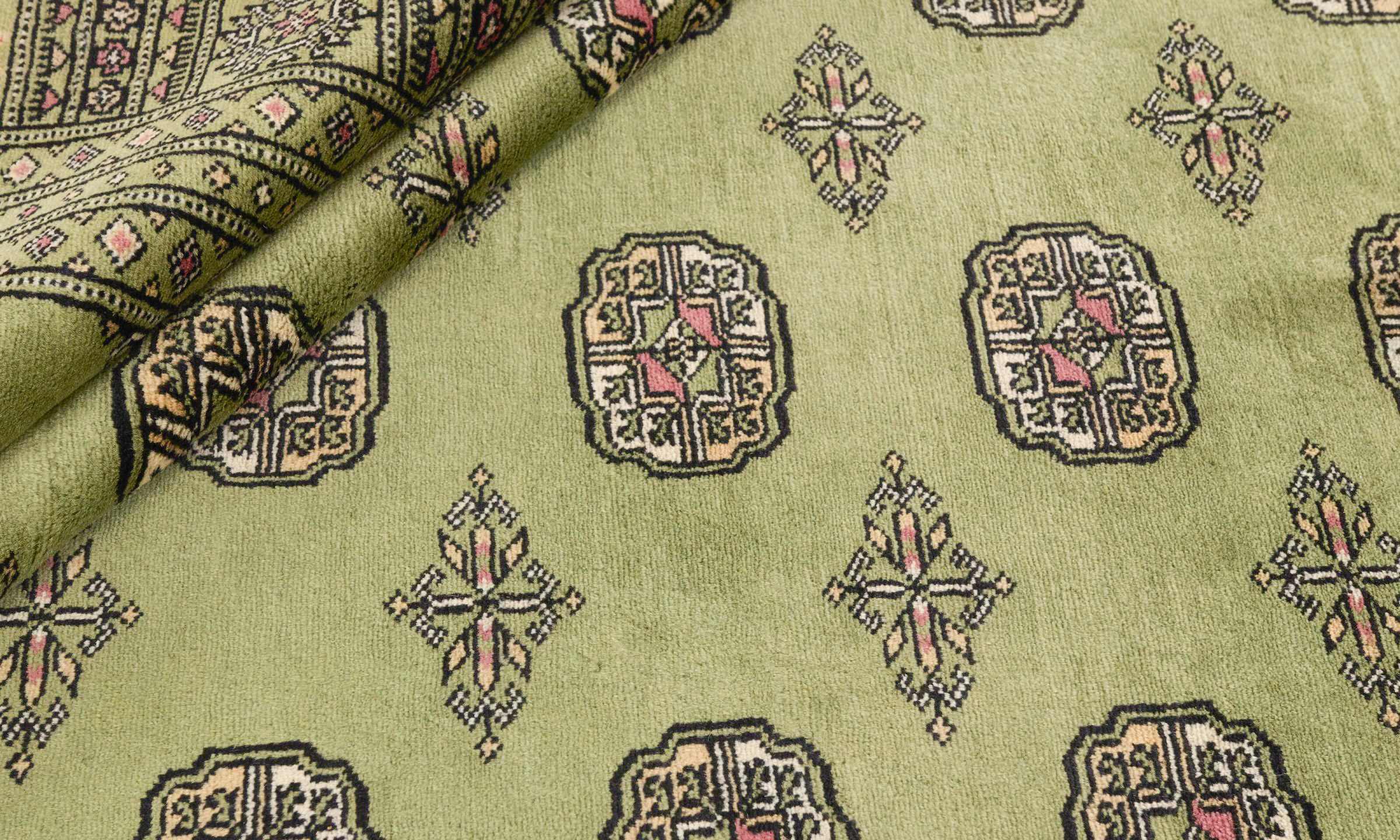
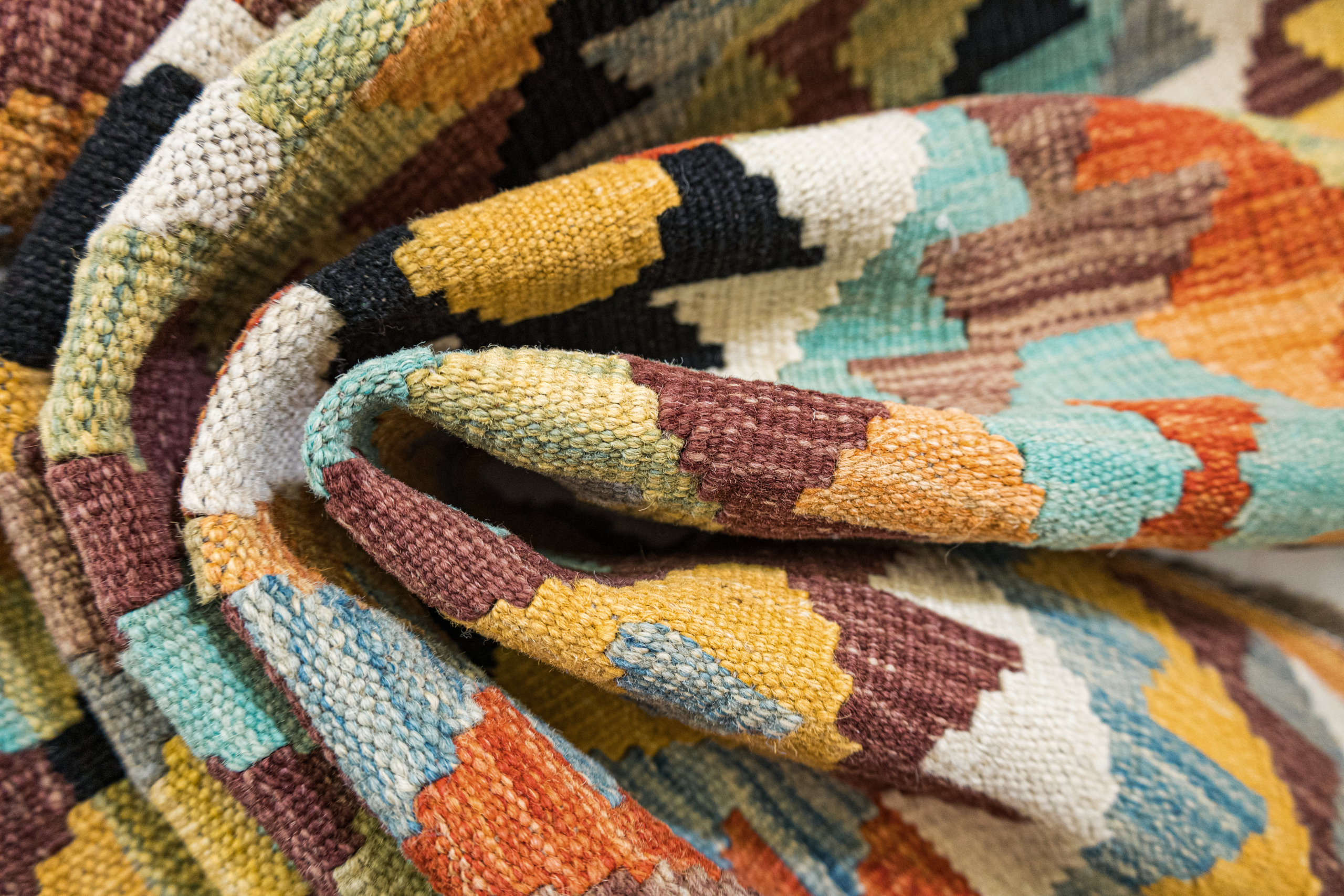
Assessing the quality of a rug is not especially difficult. The evenness and density of the knotting provide an important clue. Turn the rug over, and any irregularities in the knotting become easy to spot.
The quality of the material also matters. Wool quality can range from fine first-shearing lambswool to much lower-grade fibres. You can often judge quality simply by touch.
Another useful test is to roll up the rug and then unroll it. Good-quality wool quickly returns to its original shape. The rug should lie flat and even after unrolling.
Place it on a level surface and inspect it carefully from every side. Check that no waves or ripples remain.