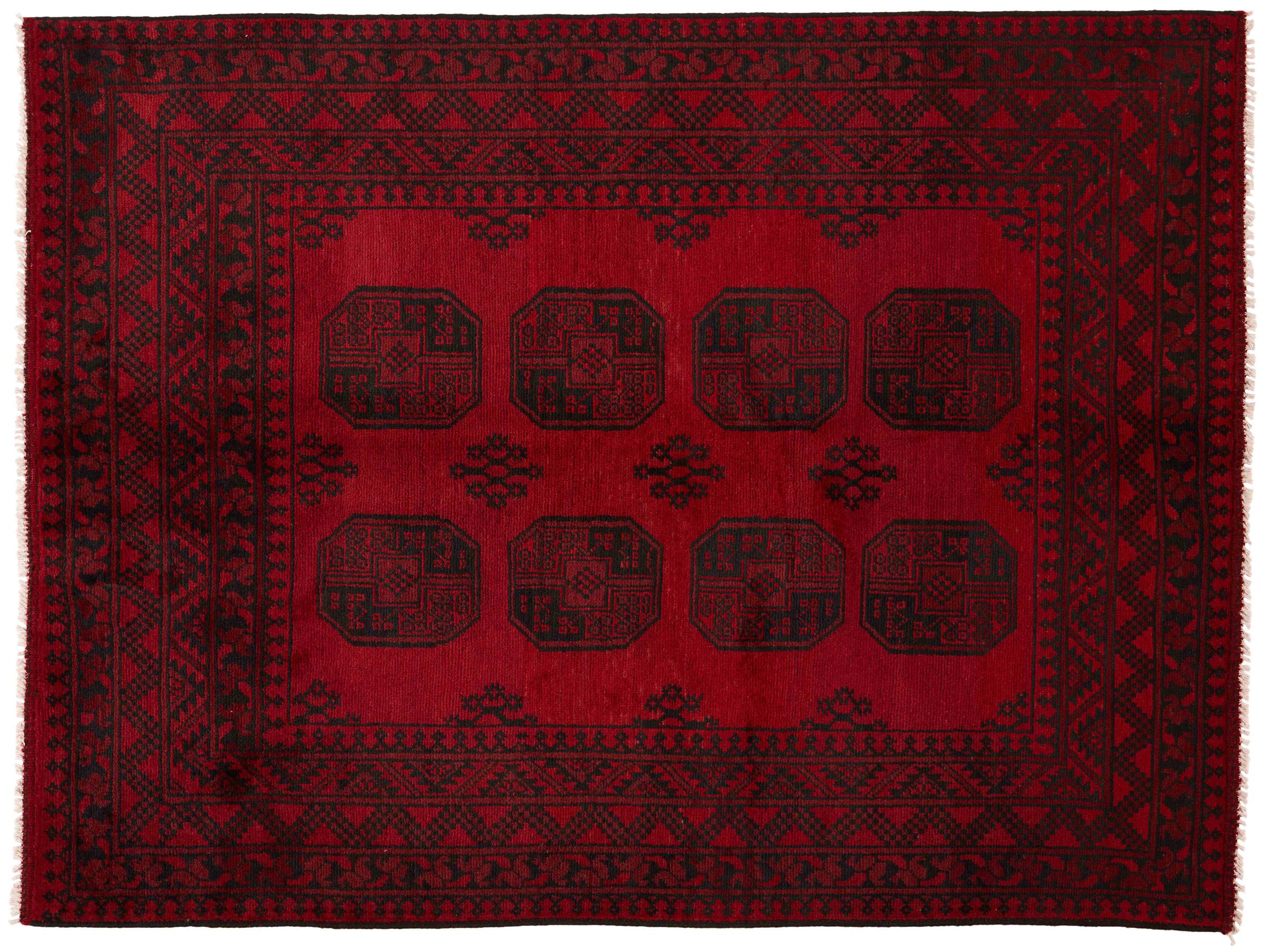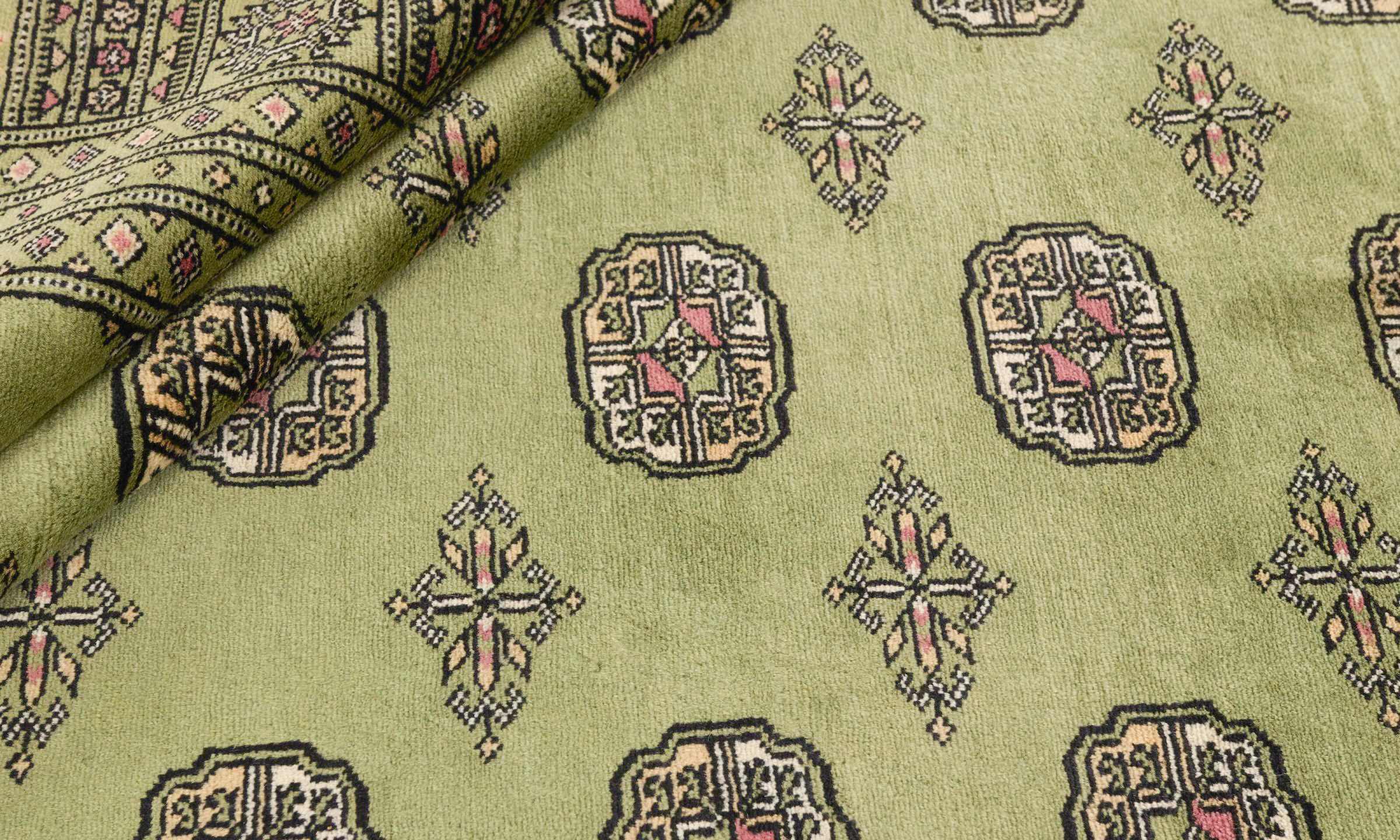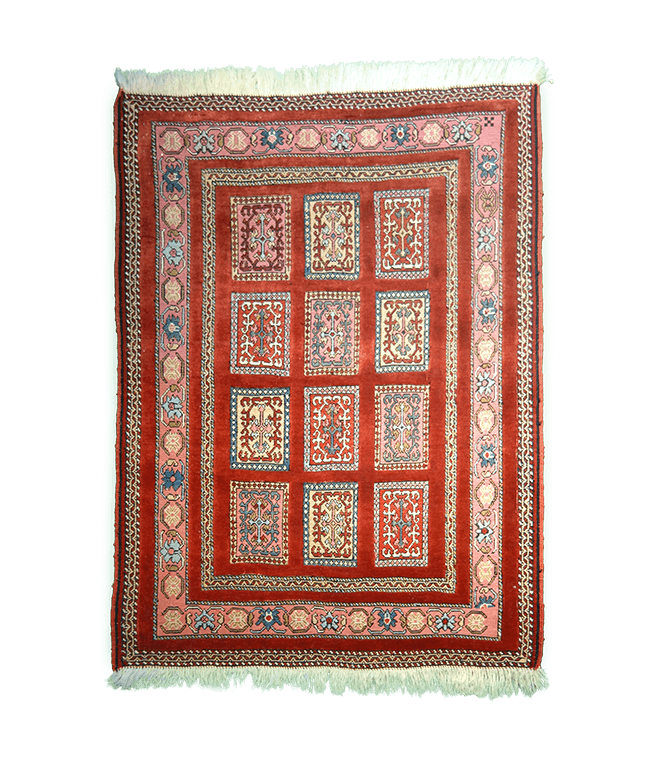
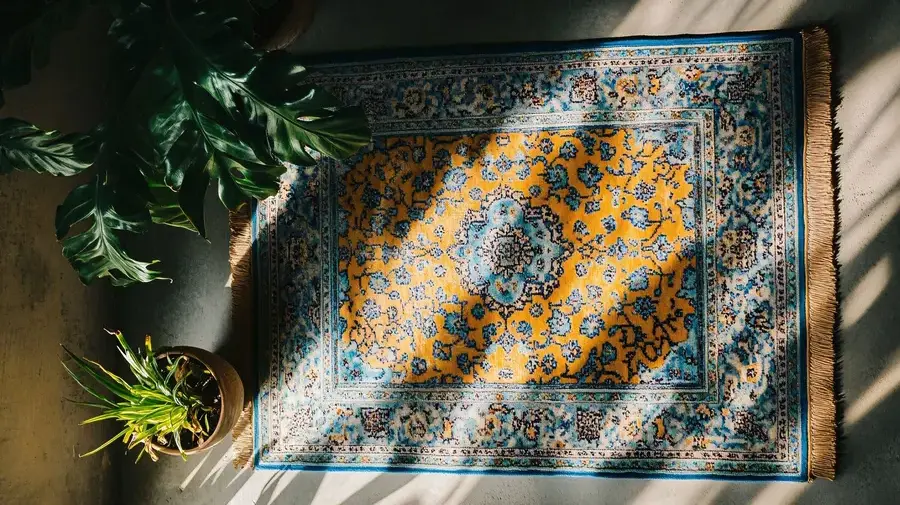
The fascinating, colourful and almost always unique oriental rugs have captivated people around the world. In the West, rugs from Eastern countries and regions became widely known as “Persian rugs”. This is probably because most rugs reaching Europe came from the territory of ancient Persia in the Middle East.
Based on archaeological finds, however, the cradle of oriental rugs lies in East Turkestan in Central Asia. The earliest known wool rug, dating from the 5th century BC, was discovered by archaeologists near Pazyryk.
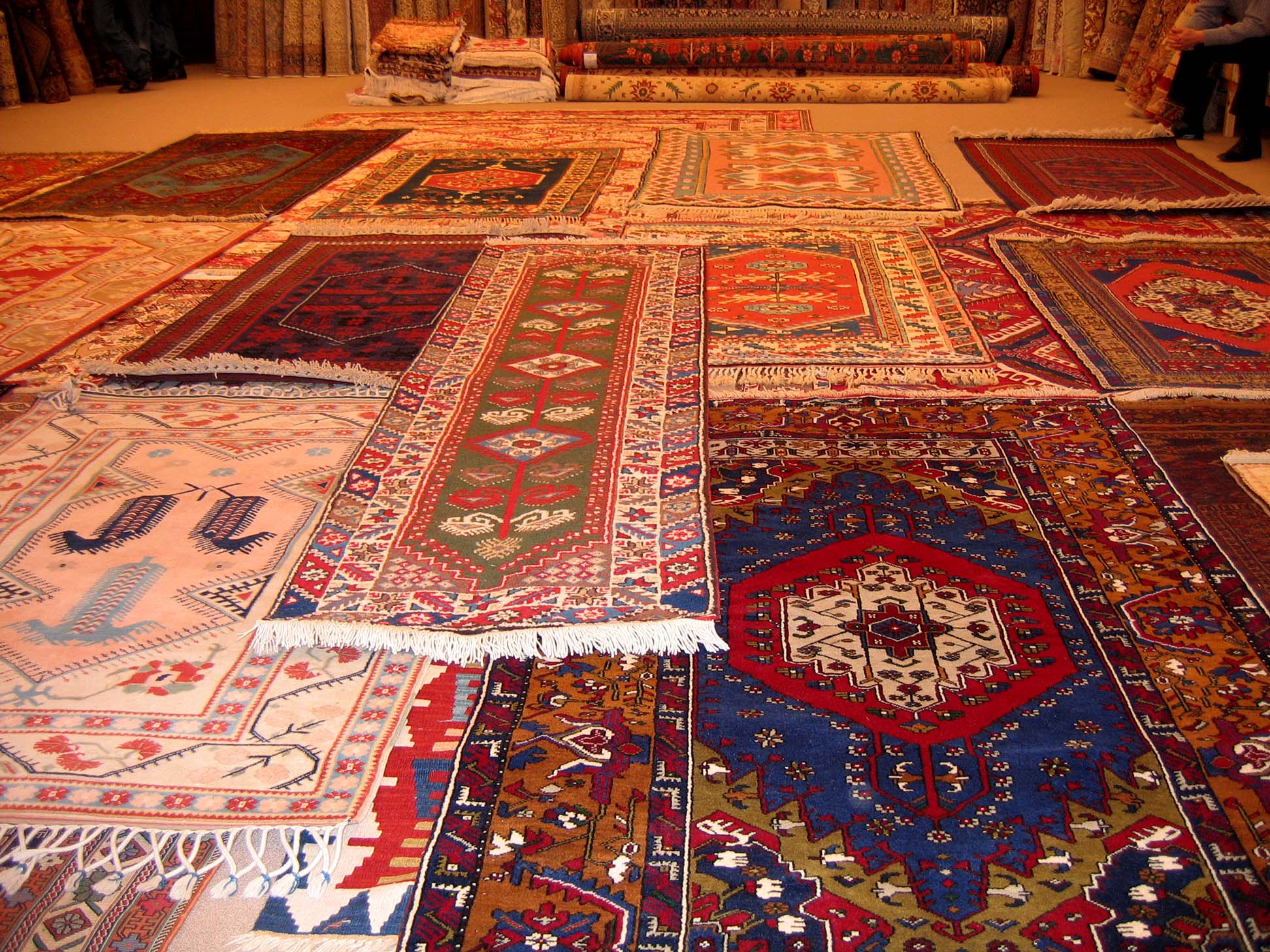
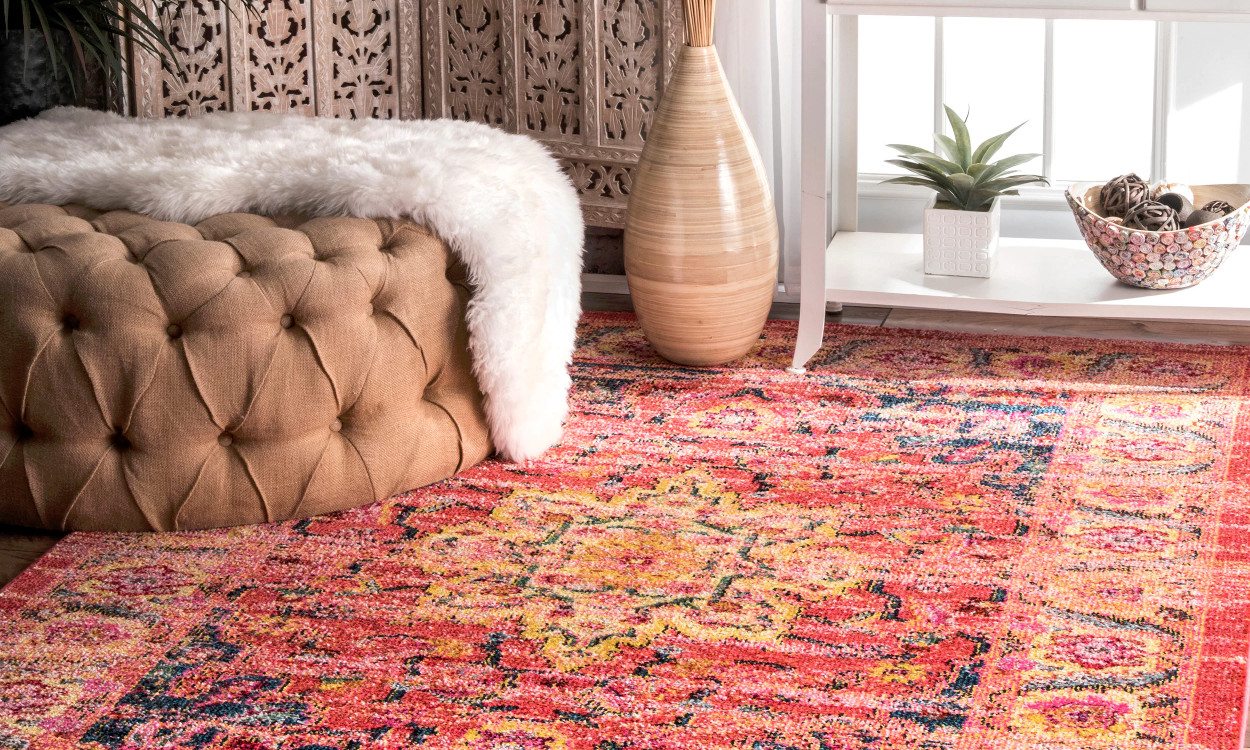
Mesopotamian clay tablets from the 3rd century BC show that wool products were already traded extensively at the time. This active trade allowed woollen textiles from Turkestan to reach Persia, Anatolia, the Caucasus, China, India and Europe. Marco Polo’s Il Milione offers an insight into the world of the wool textile trade. His writings also reveal the impression oriental rugs made on him. He wrote: “Here they make the finest and most beautifully coloured rugs in the world.”

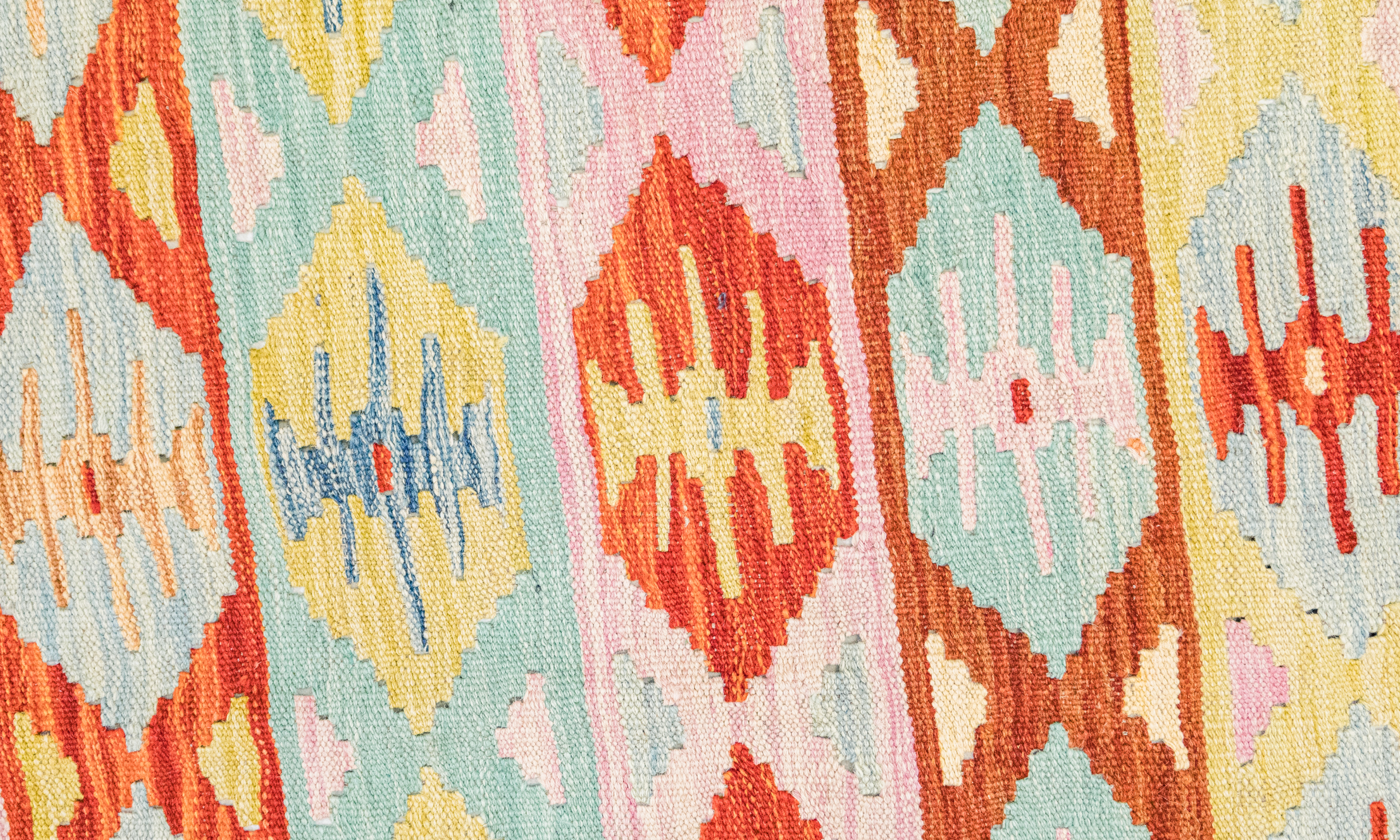
In my view, without questioning the practicality of the term “Persian rug”, “oriental rug” is more precise. In recent decades, the term has also come to include kilims, known in some regions as kelims, and other woven textiles. It therefore no longer refers only to knotted rugs.