Persian rug or oriental rug?

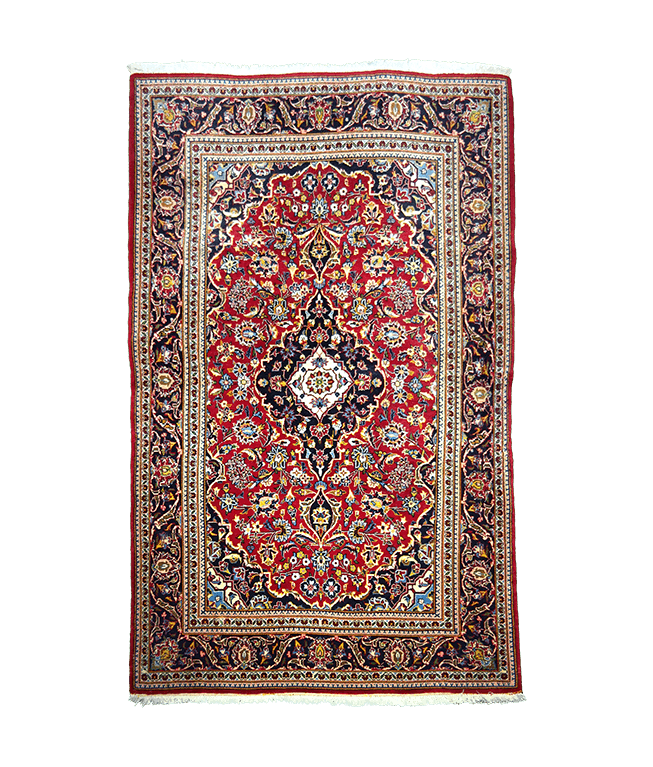
The term “Persian rug” is widely known, but the world of oriental rugs is far richer. They reflect many different cultures and centuries of history.

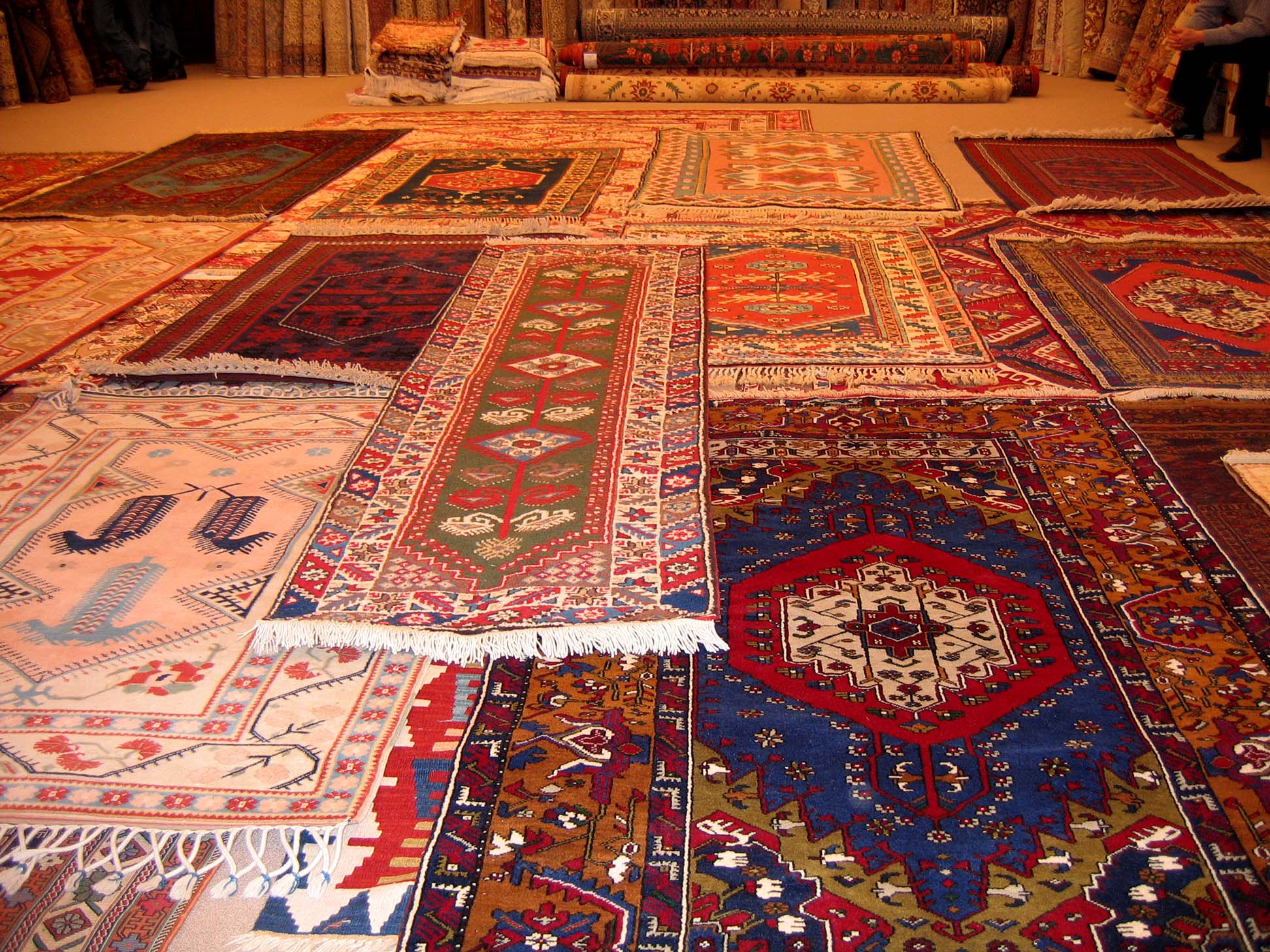
The fascinating, colourful and almost always unique oriental rugs have captivated people around the world. In the West, rugs from Eastern countries and regions became widely known as “Persian rugs”. This is probably because most rugs reaching Europe came from the territory of ancient Persia in the Middle East.

Based on archaeological finds, however, the cradle of oriental rugs lies in East Turkestan in Central Asia. The earliest known wool rug, dating from the 5th century BC, was discovered by archaeologists near Pazyryk.
3-Winter-Carpet-Cleaning-Tips

Mesopotamian clay tablets from the 3rd century BC show that wool products were already traded extensively at the time. This active trade allowed woollen textiles from Turkestan to reach Persia, Anatolia, the Caucasus, China, India and Europe. Marco Polo’s Il Milione offers an insight into the world of the wool textile trade. His writings also reveal the impression oriental rugs made on him. He wrote: “Here they make the finest and most beautifully coloured rugs in the world.”

buying-a-persian-rug

In my view, without questioning the practicality of the term “Persian rug”, “oriental rug” is more precise. In recent decades, the term has also come to include kilims, known in some regions as kelims, and other woven textiles. It therefore no longer refers only to knotted rugs.

Szeretne elsőként értesülni a legújabb híreinkről és linformációinkról?

Cikkeink hasonló témában

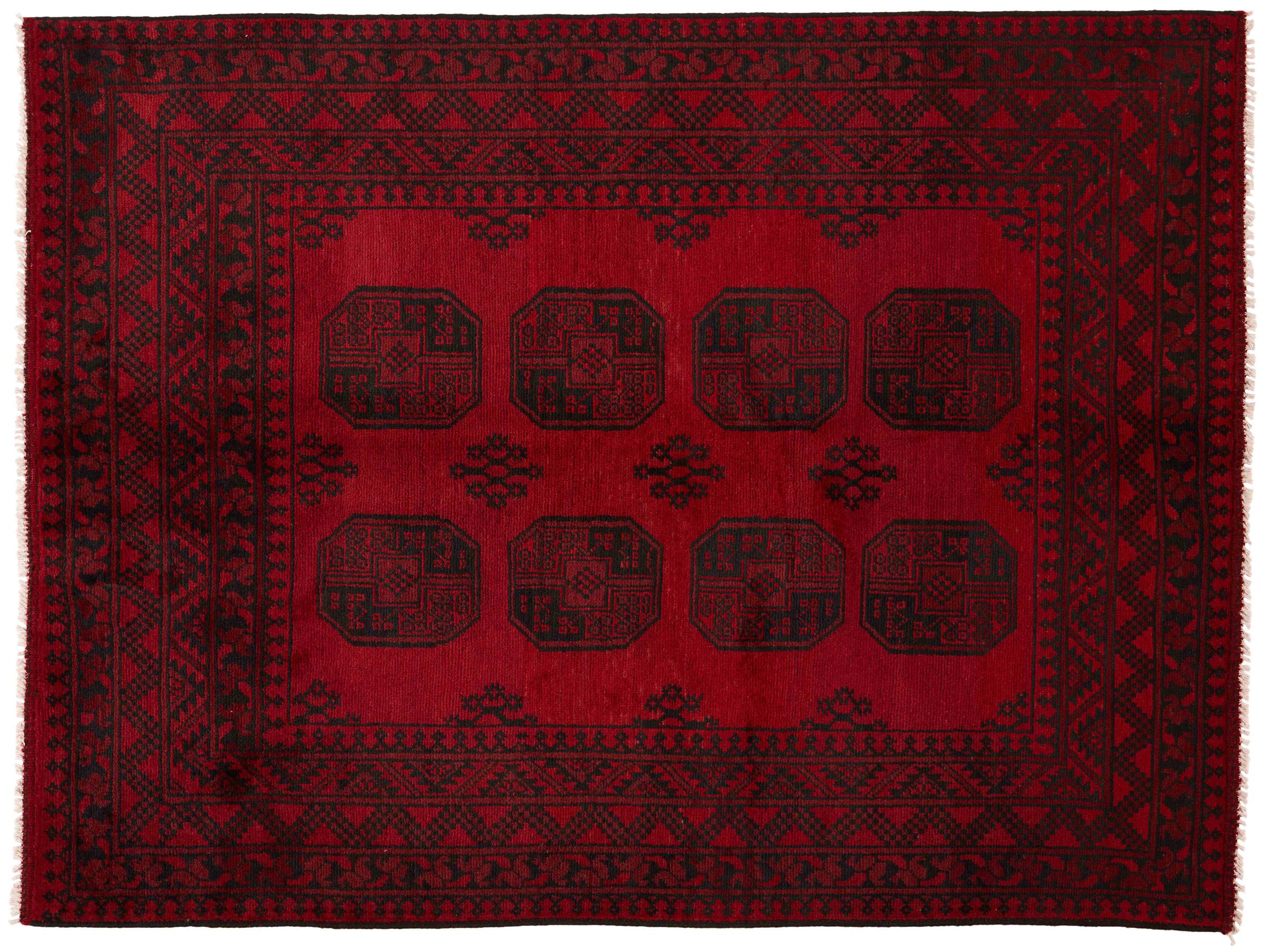
Aktscha rugs – Warm-toned classics of Turkmen tradition

Aktscha rugs are a living expression of Turkmen nomadic traditions, with every knot carrying the heritage of Central Asian rug culture. Their deep red ground and traditional gul motifs create a bold yet harmonious visual character. Each piece brings individuality and a sense of history into the home.

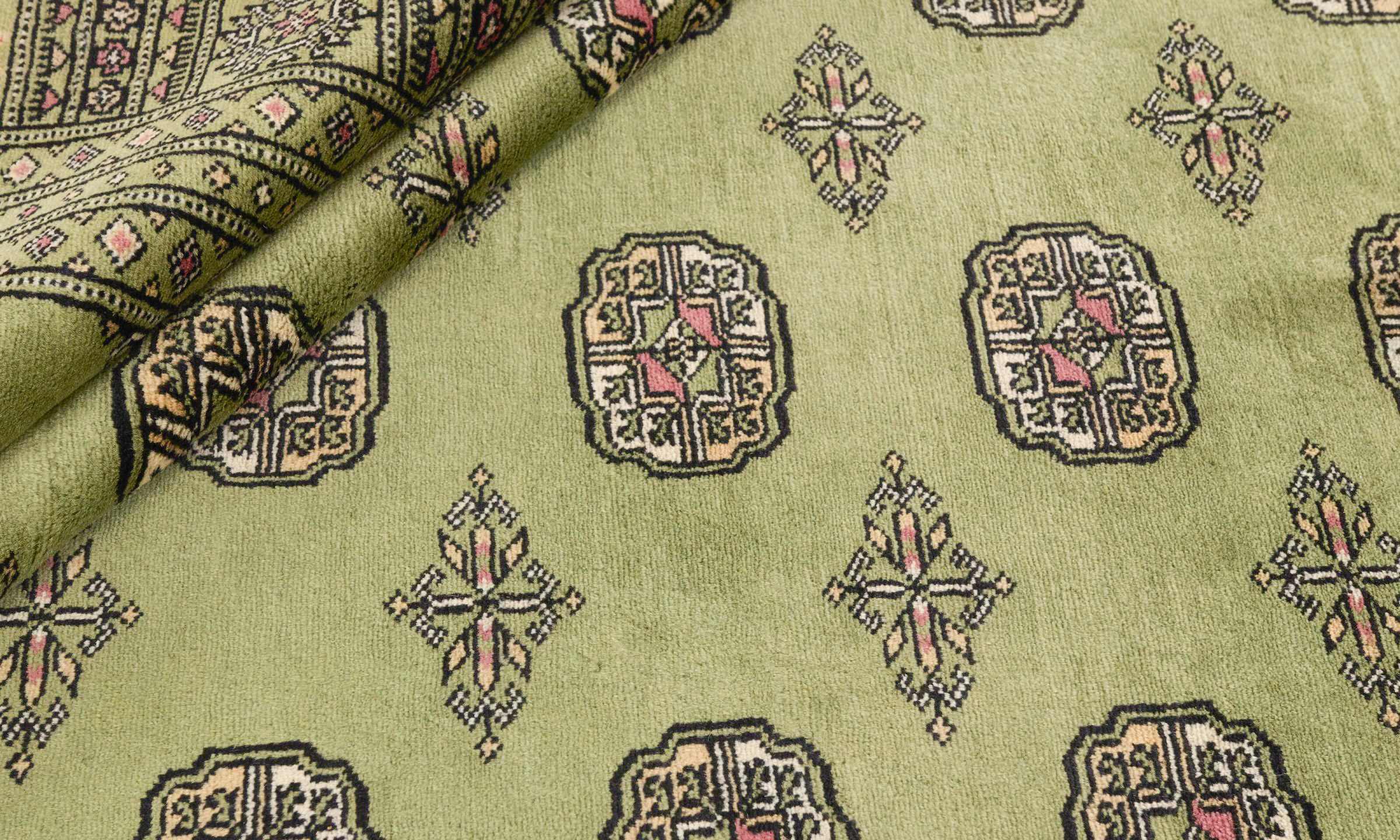
2-ply and 3-ply Pakistani rugs – Soft wool and harmonious oriental patterns

These rugs carry forward the refined legacy of Central Asian nomadic traditions, where the orderly simplicity of Tekke and Bokhara patterns meets Pakistani craftsmanship. Their warm colours and soft wool create a cosy, balanced atmosphere.

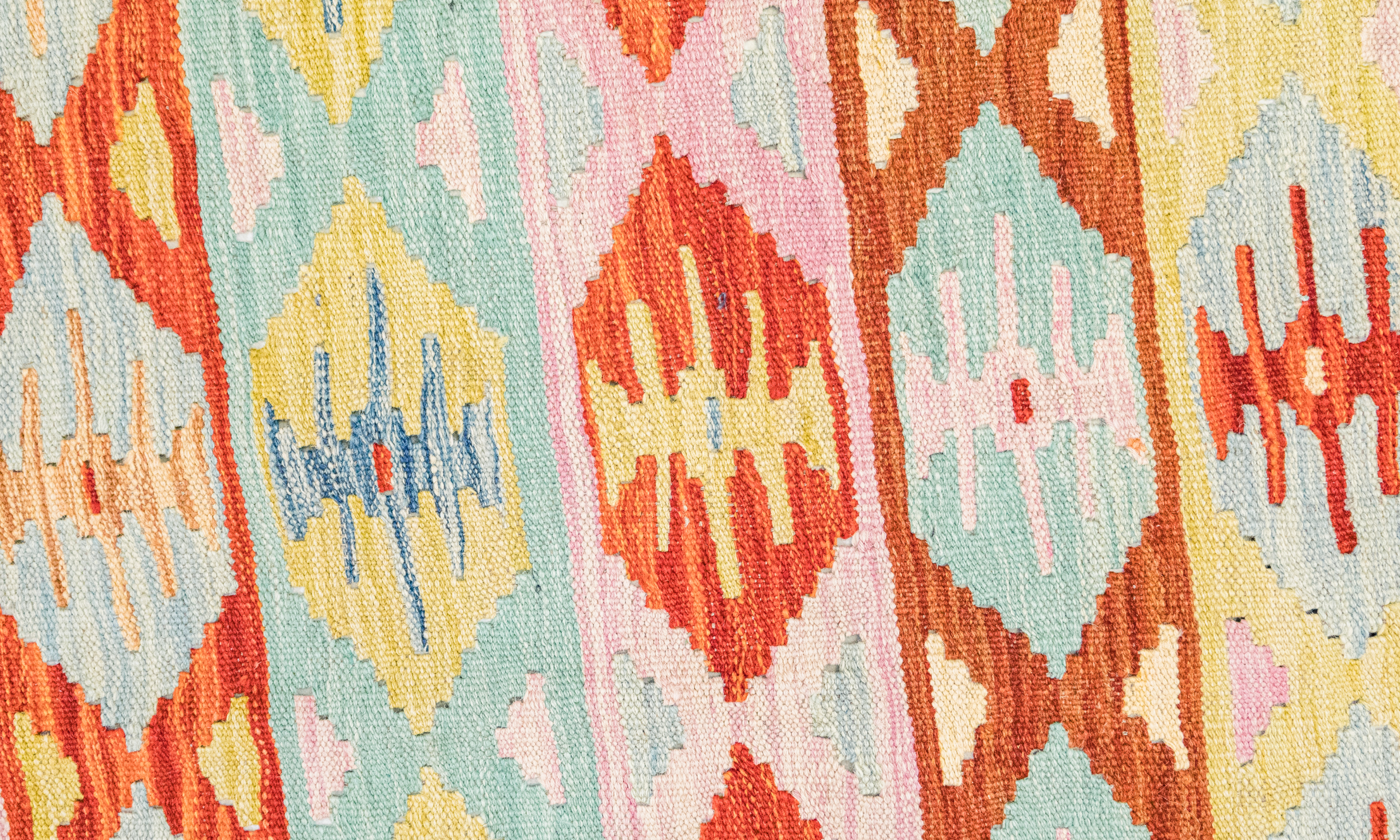
Afghan kilim rugs – Ancient nomadic weaving traditions in modern homes

Afghan kilim rugs represent one of the oldest forms of Eastern nomadic weaving tradition, featuring a flat, reversible construction and geometric patterns. Durable and easy to use, their natural materials make them a timeless choice for both modern and classic interiors.

Ezek érdekelhetnek még

Ez is érdekes lehet

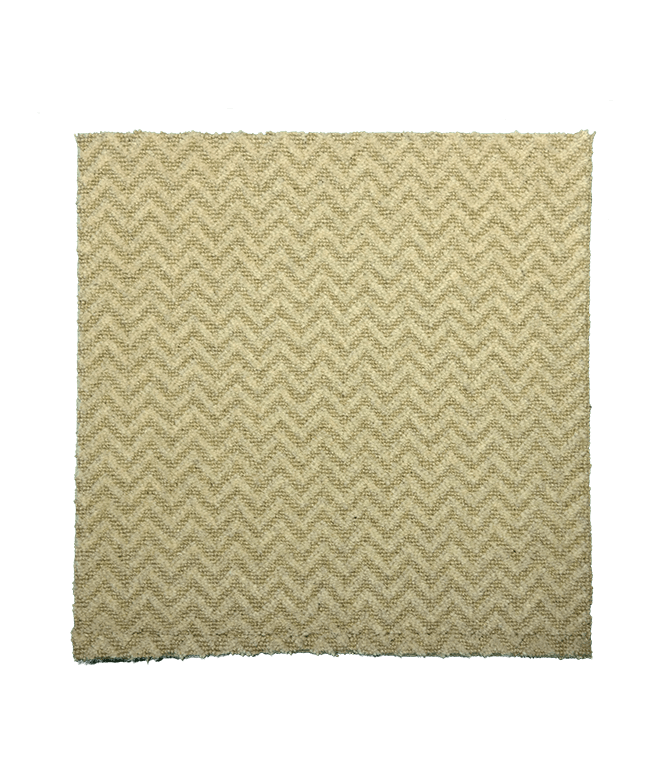
Nain Kashmar rugs – The classic Nain style in a more accessible form

×
×

Cart