Blog
The origins and characteristics of Balutch rugs
Balutch (Baloch) rugs are associated with the nomadic Baloch people, who live in the eastern regions of the Orient, particularly along the borderlands of Pakistan and Afghanistan. Rug-making traditions are also significant in Khorasan Province in north-eastern Iran, where around a dozen tribes practise hand-knotting. Finished rugs are often transported to major trading centres such as Mashhad, Nishapur, Birjand and Zabol.
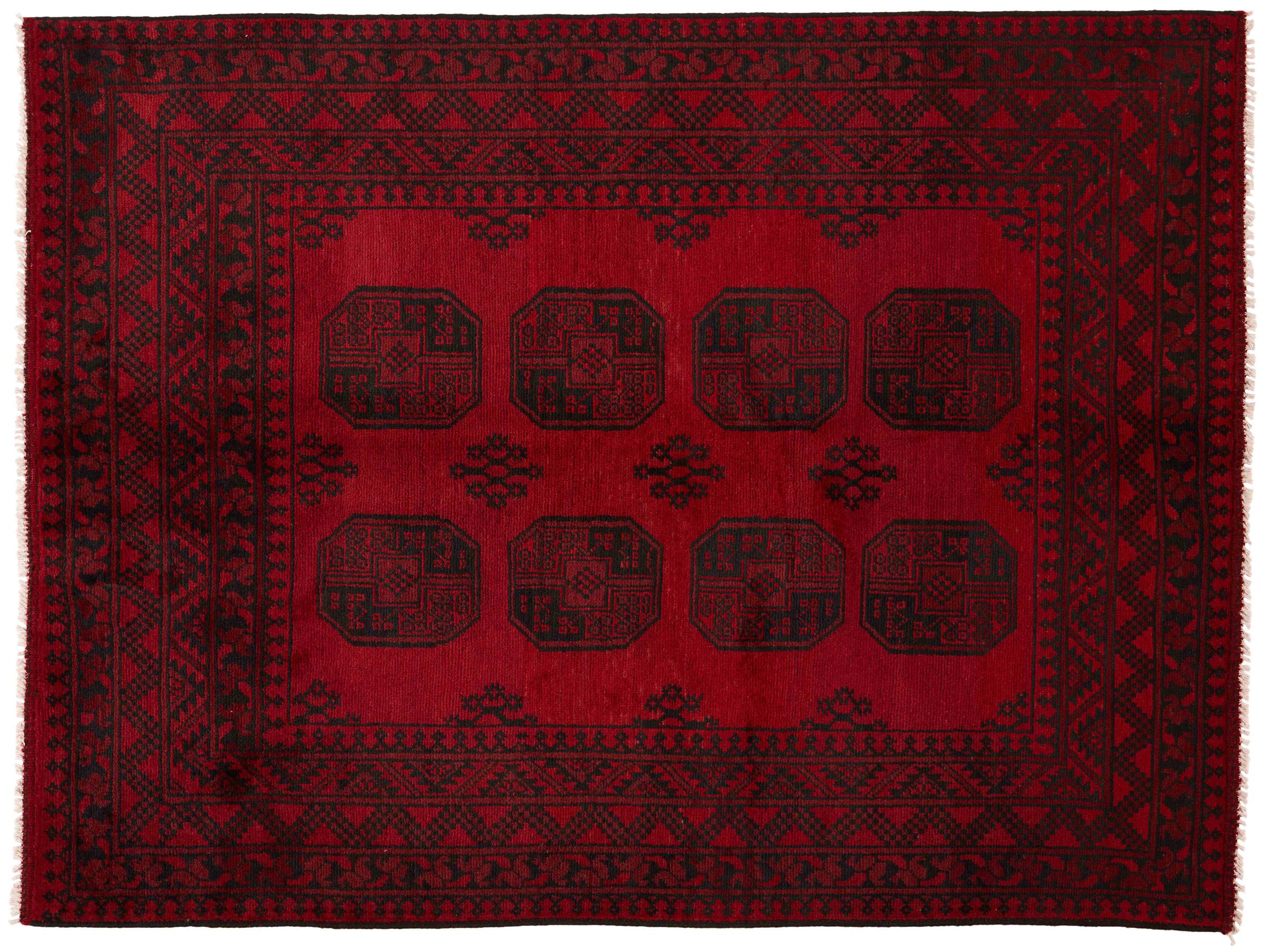
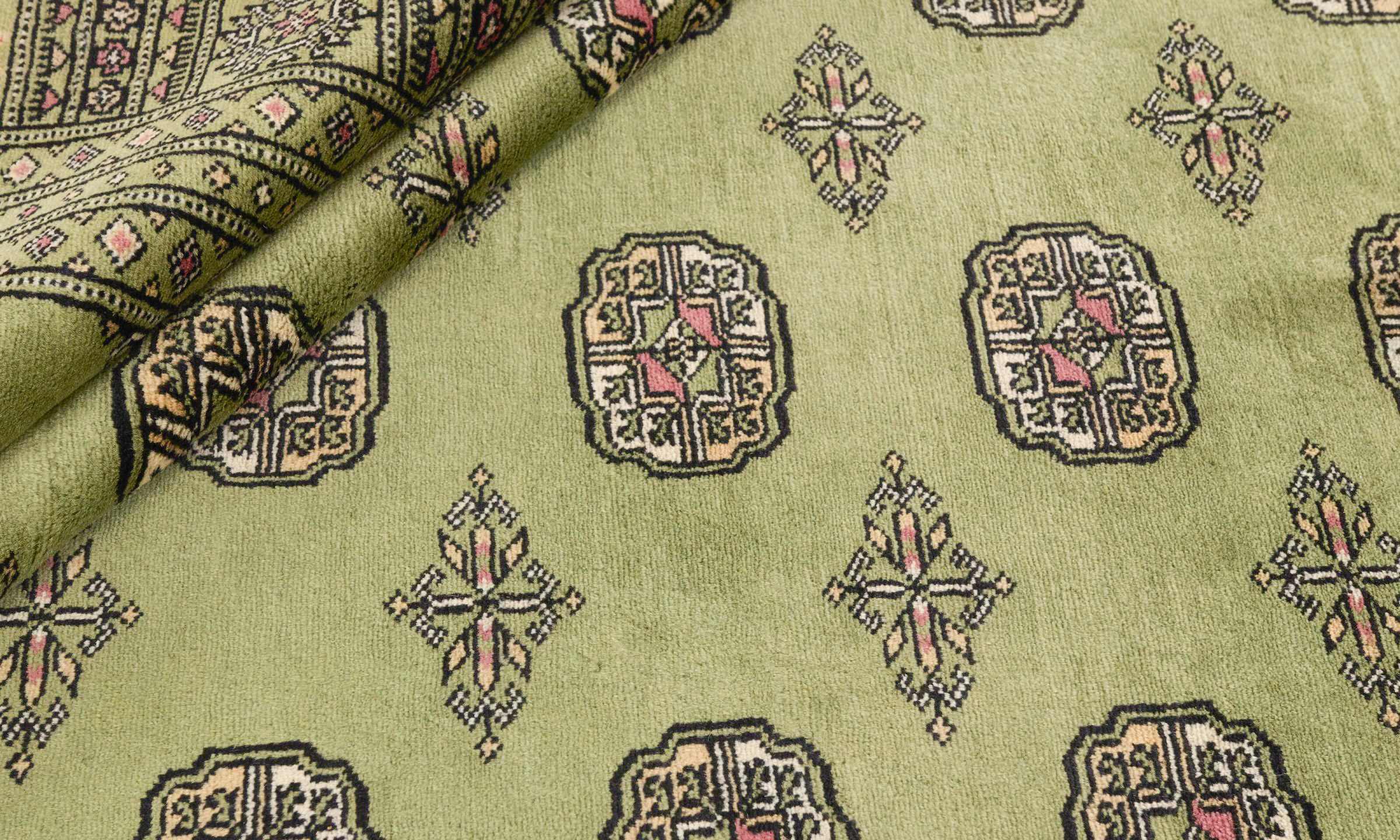
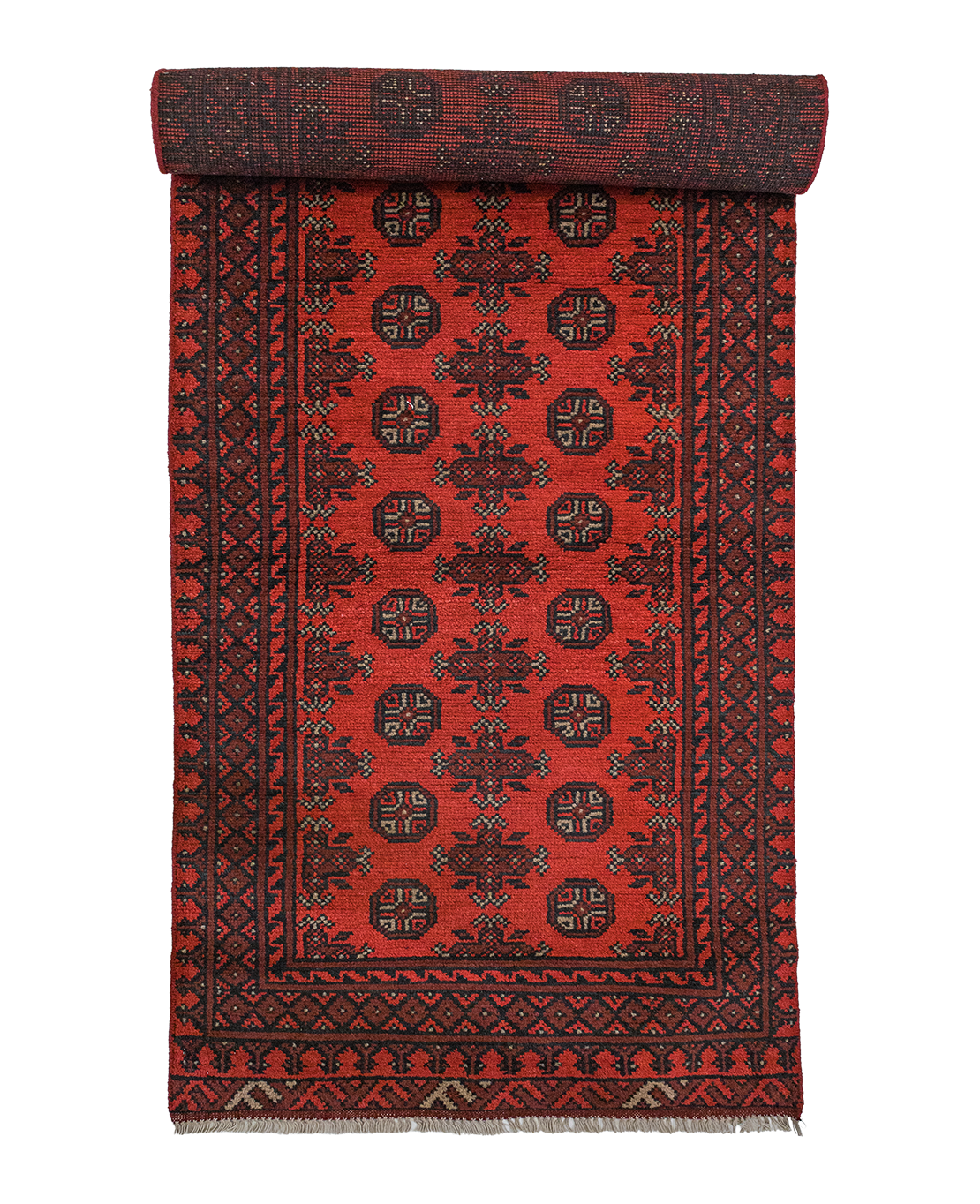
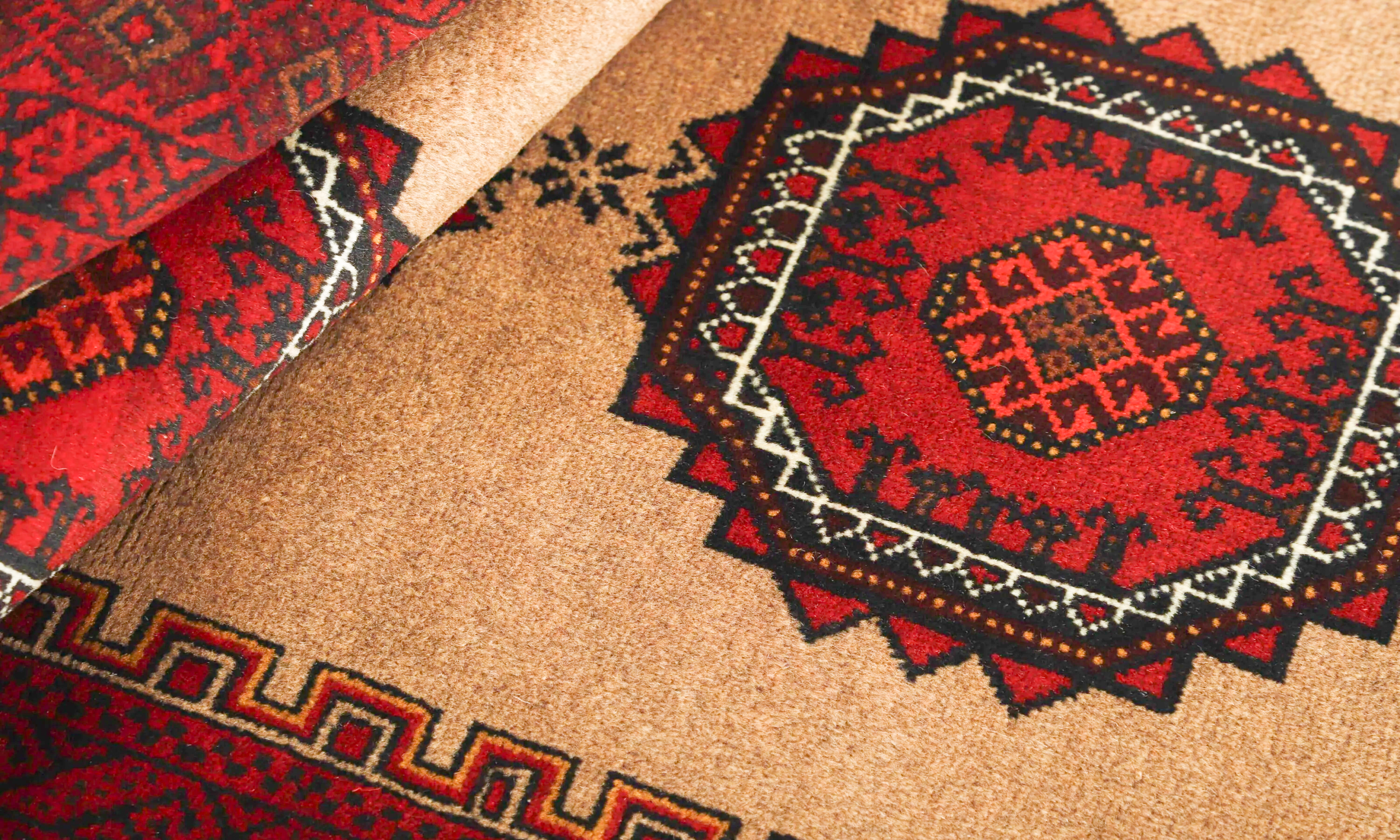
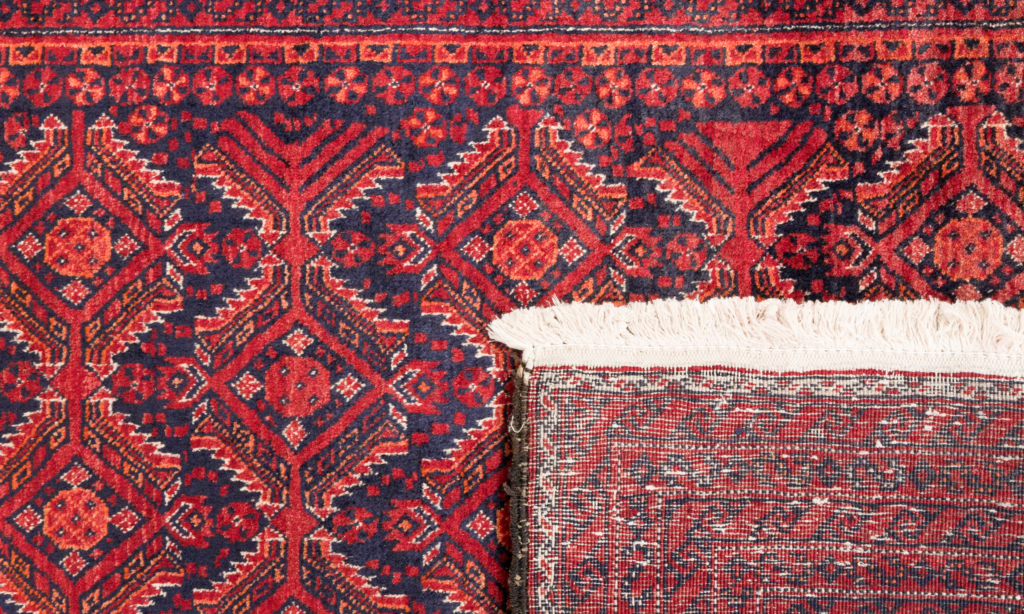
Balutch rugs are among the simplest yet most distinctive examples of nomadic rug culture. They are usually made in smaller sizes, often in a prayer-rug format. Their prayer-niche-inspired motifs are geometric, frequently featuring a clean arch formed from two rectangular shapes with strong symbolic meaning. Their designs also show influences from neighbouring Kurdish and Turkmen tribes. Stylised animals, birds and human figures are common, although they always appear in highly simplified forms.
Materials, colours and structural characteristics
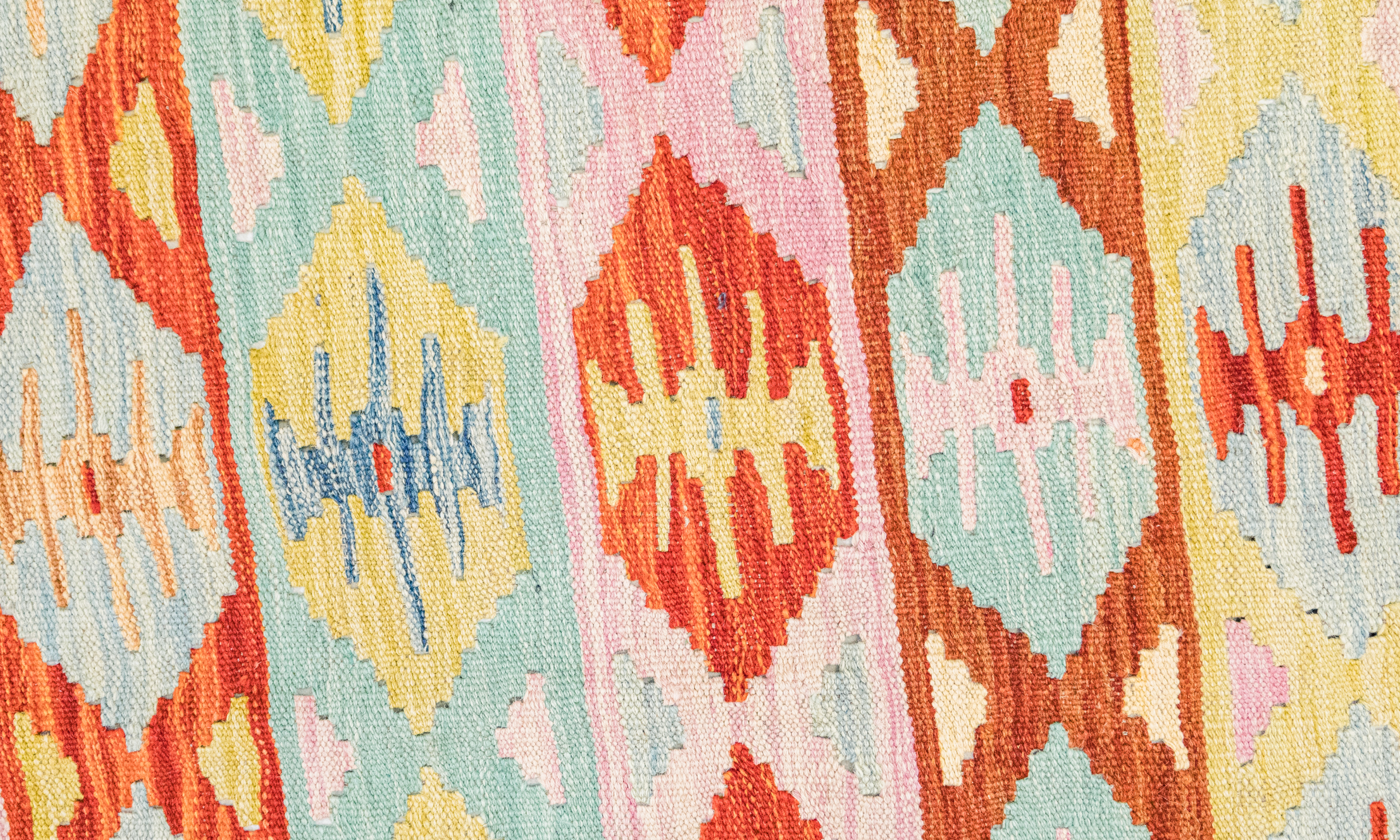
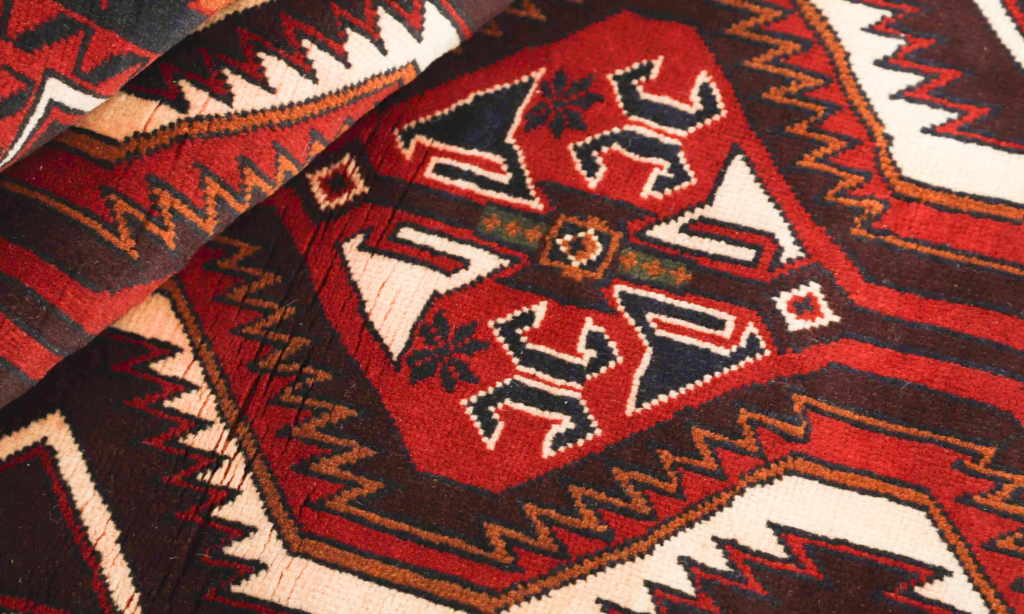
The colour palette typically combines deep red, dark blue and white, creating a bold, contrasting effect. The rugs are made from 100% wool and have a relatively low knot density of 80,000–150,000 knots per square metre, resulting in a thick, robust structure. Many pieces also feature a kilim border with a brocade-like weave at one end.
Interior design tips and recommended uses
Because of their small size and bold patterns, Balutch rugs make excellent statement accessories. They work well in entrance halls, bedrooms and smaller living rooms, where a distinctive piece can create a strong visual focal point. Interior design tip: Balutch rugs look especially striking in darker, warm-toned interiors, where their deep red and blue shades stand out. In minimalist settings, they provide a bold contrast, while in bohemian or ethnic-style spaces they blend naturally with layered textures. Their prayer-rug format also makes them ideal for wall display, where the geometric architectural design can stand alone as a decorative work of art.
The value and distinctive qualities of Balutch rugs
The value of Balutch rugs lies in their honest simplicity and their direct reflection of the nomadic way of life. These rugs make an impact not through elaborate decoration, but through character: every knot carries a story from the desert and semi-nomadic world. Tribal influences, natural wool and hand-dyeing all contribute to making each piece unique. Their smaller size and compact format make them especially easy to collect and use across different interiors. A Balutch rug is therefore an ideal choice for those seeking an authentic, characterful and easy-to-place Persian rug of nomadic origin that is both decorative and culturally rich.
Source: Jamal Abdul Naser
Owner of Kabiri Carpet