Blog
The origins and characteristics of Tabriz rugs
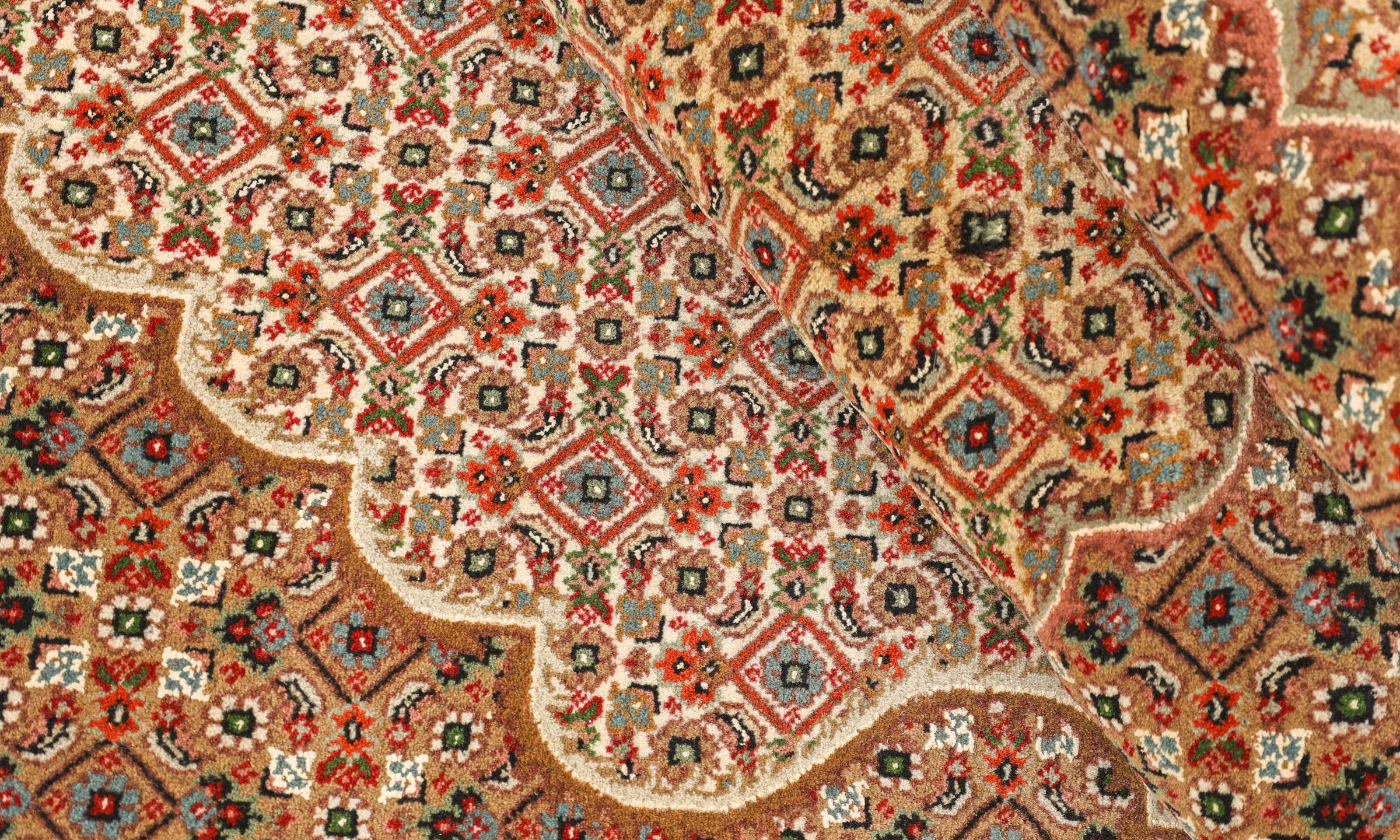
Tabriz is one of Iran’s largest and most important rug-making centres, located around 600 kilometres west of Tehran. With a population of more than 1.5 million, the city is the capital of East Azerbaijan Province and has been a major centre of Persian rug weaving for centuries. Craftsmen in the region produce some of the world’s finest hand-knotted rugs, renowned for their intricate patterns and refined workmanship. The best-known feature of the Tabriz style is its composition arranged around a central medallion, often surrounded by the classic mahi, or fish, motif. The designs are exceptionally detailed, harmonious and well balanced, making Tabriz rugs some of the most highly regarded examples of Persian rug art. Tabriz Royal and Tabriz Indi rugs are made in India, but their patterns and construction are inspired by traditional Persian Tabriz rugs. These pieces make the classic Tabriz style accessible to a wider range of customers. Although they are not produced in original Iranian workshops, their appearance closely follows traditional Tabriz compositions, including the central medallion layout and richly detailed ornamentation.
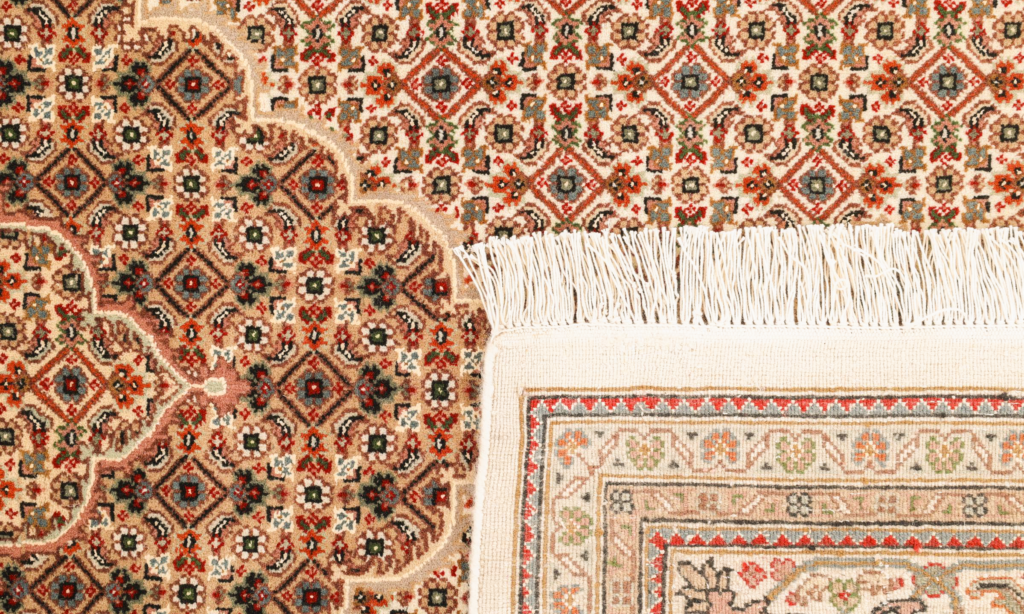
Tabriz Royal – Intricate craftsmanship and an elegant appearance
Tabriz Royal rugs belong to the higher-quality segment of the category. They are hand-knotted, with a knot density typically ranging from 250,000 to 350,000 knots per square metre, allowing for fine details and complex pattern structures. Thanks to the denser knotting, the designs appear more precise, the outlines sharper and the overall effect more refined. The colours are generally understated and harmonious, allowing the intricate pattern to remain the main focus of the composition. Tabriz Royal rugs give the interior an especially elegant appearance while preserving the timeless character of classic Persian style. In many cases, the Royal category offers a look that closely resembles original Tabriz rugs at first glance. On the market, terms such as “Tabriz reproduction”, “copy” or “Tabriz-style rug” are often used to indicate that these pieces follow the visual language of the famous Persian originals but are not made in the city of Tabriz.
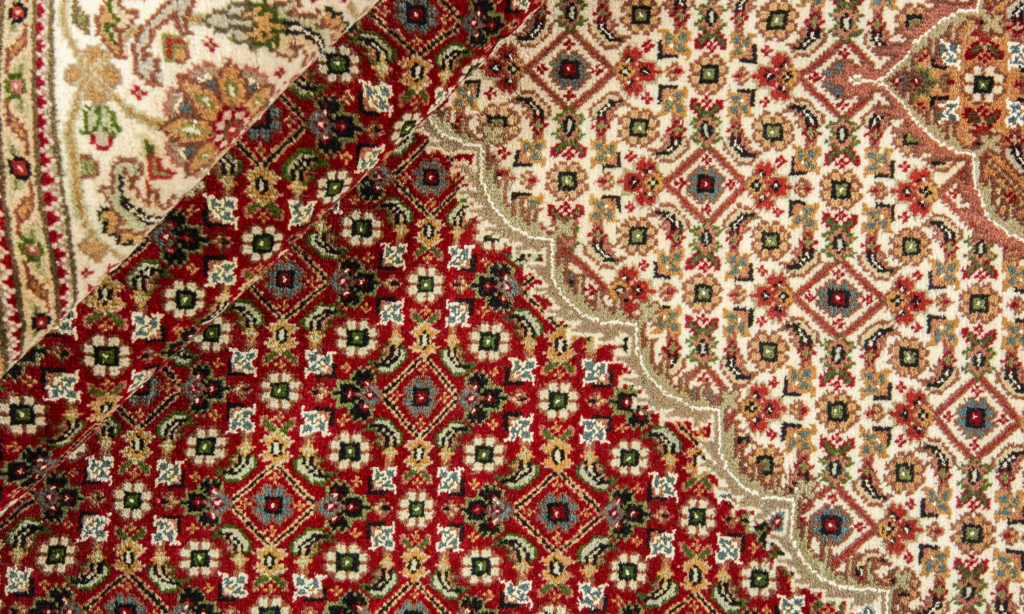
Tabriz Indi – A more accessible version of the Tabriz style
Tabriz Indi rugs also follow the classic Tabriz design tradition, but they are made with a lower knot density, generally ranging from 150,000 to 250,000 knots per square metre. Their patterns are slightly less detailed, yet the traditional medallion layout and Persian ornamentation remain clearly recognisable. In the rug trade, these pieces are often regarded as reproductions or copies of the Tabriz style because they are not made in the original workshops of Tabriz. Even so, their appearance and aesthetic value are often remarkably close to traditional Persian models, while they remain within a more affordable price range. The main reason for the popularity of Tabriz Indi rugs is that they make the elegance of classic Tabriz design available at a lower price. This makes them an attractive choice for those seeking traditional Persian style without necessarily investing in a collector-grade rug.
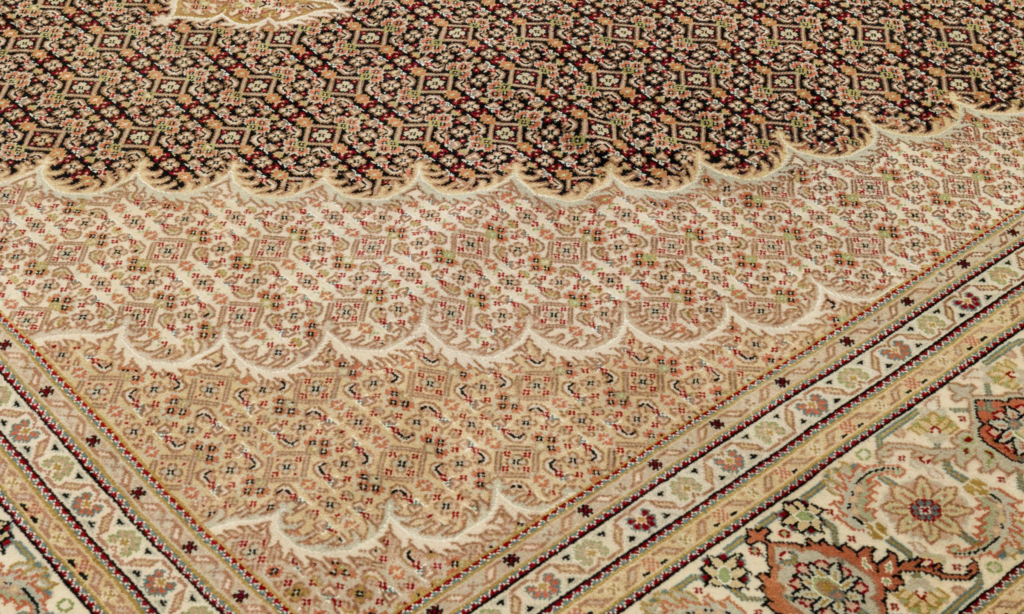
Interior design tips and recommended uses
Tabriz Royal and Tabriz Indi rugs are best suited to interiors where elegance, refinement and a prestigious appearance take centre stage. Their exceptionally intricate patterns and richly detailed compositions give the space a luxurious feel, while their generally understated, monochromatic or subtly shaded colour palettes remain harmonious and timeless. Tabriz-style rugs are typically produced in larger sizes, making them particularly effective in grand, centrally arranged interiors. Furniture placement often follows the rug’s central medallion, creating a natural focal point within the room. The symmetrical composition establishes a strong sense of visual order, enhancing the elegance and classic character of the space. The richly detailed ornamentation gives the rug remarkable depth: viewed up close, new pattern elements continue to emerge, while from a distance it presents a unified and harmonious overall impression. As a result, Tabriz rugs serve not merely as accessories, but as defining decorative elements within the interior.
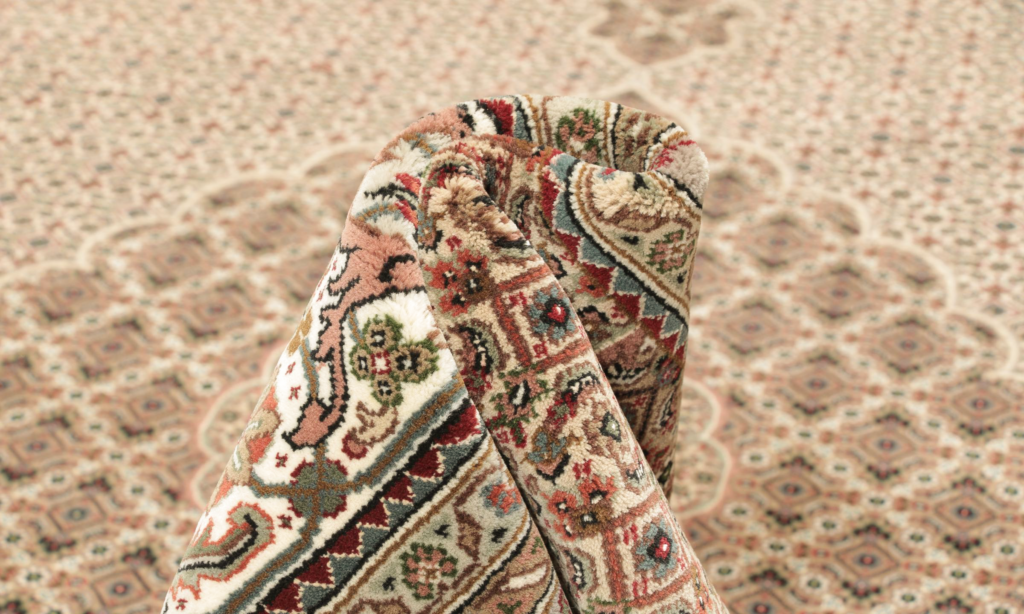
The value and distinctive qualities of Tabriz rugs
The value of Tabriz rugs lies in their craftsmanship, precision and refined patterns. The city’s centuries-old weaving traditions, together with technical innovations such as the specialised knotting hook, have helped establish Tabriz as one of the highest expressions of Persian rug making. The Royal and Indi versions together meet a wide range of modern market needs, from more detailed and exclusive-looking models to more affordable yet visually striking classic rugs. Both share a respect for Tabriz traditions, rich ornamentation and timeless elegance. Tabriz Royal and Tabriz Indi rugs are an ideal choice for those who want to make classic Persian patterns, intricate craftsmanship and a prestigious appearance a defining feature of their home.
Source: Jamal Abdul Naser
Owner of Kabiri Carpet