Blog
Useful advice
A well-maintained rug can preserve its beautiful appearance for generations. It can also remain a vibrant feature of the home for many years.
Like other rugs, hand-knotted Persian rugs need regular cleaning and maintenance. Without proper care, they may lose their original sheen and rich colours. We recommend only manual cleaning and, when necessary, hand washing for hand-knotted Persian rugs.

Machine washing can damage the careful handwork and knot structure. Harsh treatment and chemicals may also cause the colours to bleed.
Useful tip: Test any cleaning method on a small, hidden area first. We recommend the following methods:
Cleaning with a clothes brush – This is the gentlest and most suitable method. Brush the rug against the pile first, then in the direction of the pile. Repeat once a month.
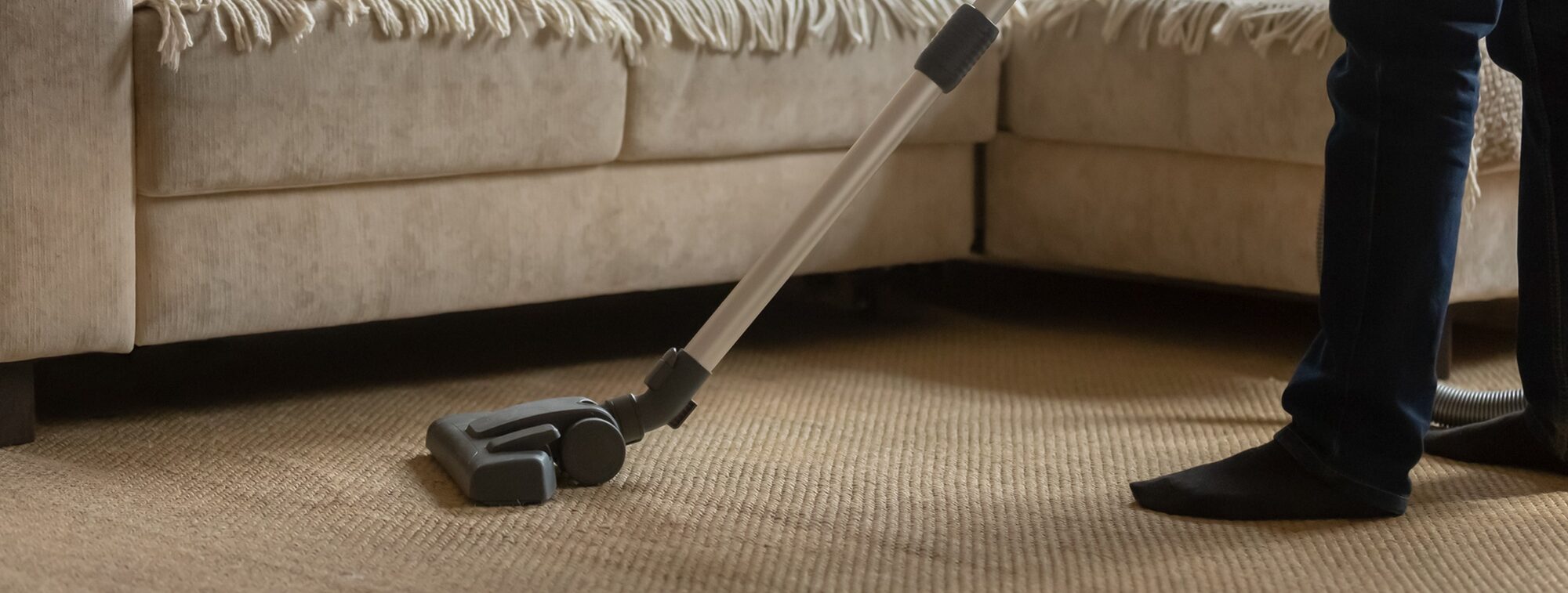
Vacuum cleaning – Always use the lowest suction setting. Strong suction may damage the rug. Vacuum once a week.
Removing stains (cola, ketchup, coffee, red wine or ice cream)
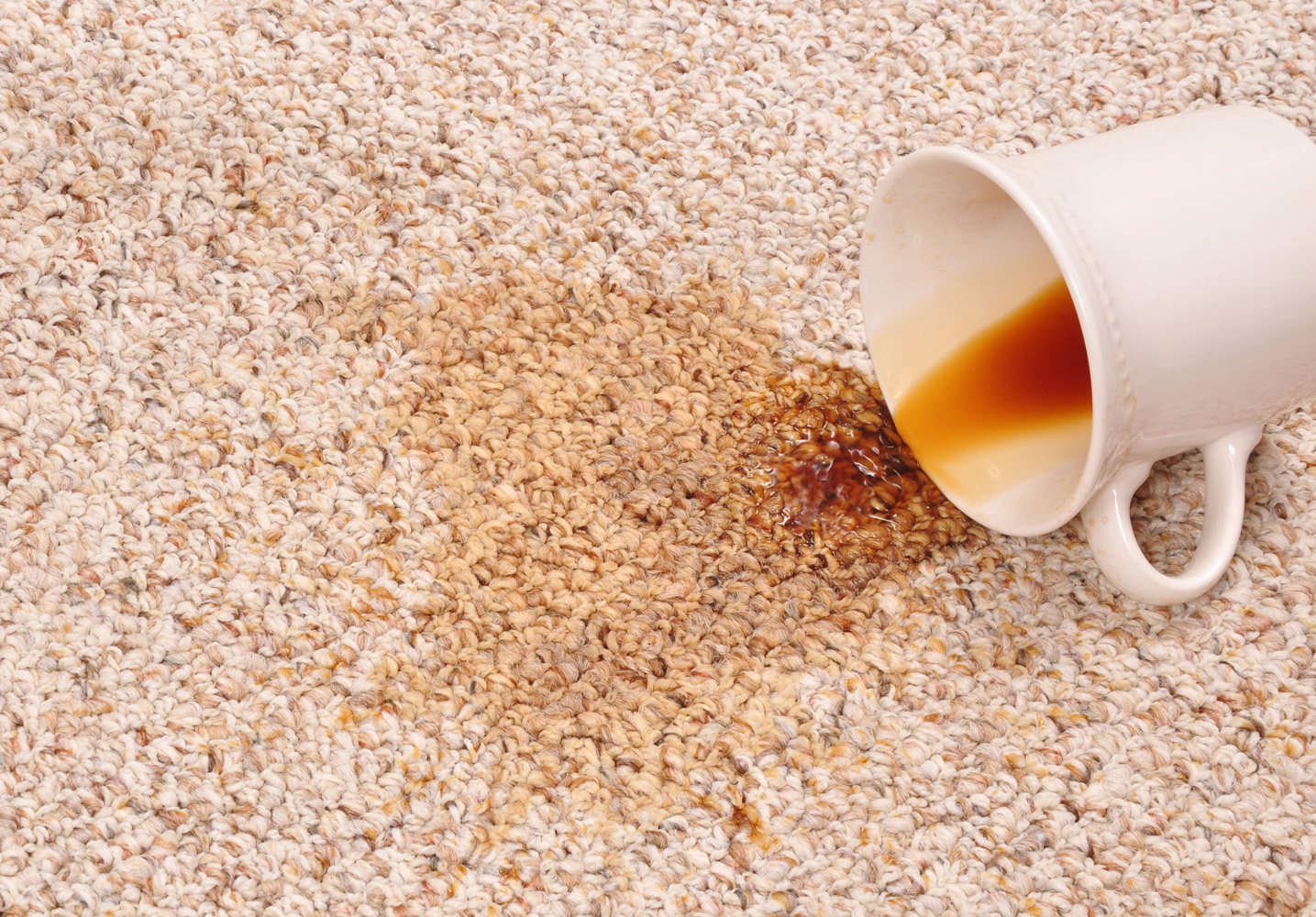
When liquid spills onto the rug, absorb it immediately before it reaches the deeper layers. Do not rub the stain. Rubbing can spread it and damage the fibres.
After absorbing the liquid, press the stain gently with a cloth dampened with cold water. Work from the edges towards the centre. Repeat until the stain disappears.
Next, press the area with a cloth dipped in diluted vinegar. This helps prevent the colours from bleeding.
Dry the treated area as quickly as possible. Use a fan or a hairdryer on a cold setting. Brush the rug several times while it dries. Always finish by brushing in the direction of the pile.
CAUTION: Never use hot water or alkaline detergent for cleaning.
Consult a professional to remove grease or oil stains.
IMPORTANT: We do not recommend cleaning silk rugs at home.
Moths: Moths may become a problem when rugs do not receive daily use, for example on a wall or in a wardrobe. Brush the rug once a month and place lavender behind it. Avoid hanging the rug on a damp wall.
Thorough rug cleaning requires specialist knowledge. These tips only provide general guidance, and you follow them at your own risk.
Cleaning with a stiff-bristled clothes brush
This method offers the gentlest and most suitable care for hand-knotted Persian rugs. Brush against the pile first, then brush in the direction of the pile. Repeat this process once a month.
Note: We recommend a stiff-bristled brush made from natural materials.
Cleaning with a carpet beater
Gently beating the rug with a broad carpet beater can remove dust without causing damage. After dusting, brush both sides as described above.
Note: Beat the pile surface of the rug, not the reverse side.
Vacuum cleaning
Always use the vacuum cleaner on its lowest setting. Strong suction can easily damage the delicate hand-knotted structure and ruin the rug. You may vacuum as often as necessary when using low suction.
Colour fading
This is a common problem. A few days of sunlight should not affect the colour intensity of Persian rugs. However, prolonged exposure may cause fading.
Useful tip: When sunlight reaches only one half of the rug, rotate it once a month. This ensures that both sides receive similar exposure and helps prevent uneven fading. Whenever possible, keep the rug away from strong sunlight.
Stains
Stains can cause serious problems for a rug. Removing them requires great care, so only attempt home treatment when truly necessary.
Removing wax and chewing gum
Place ice cubes in a plastic bag and use them to harden the wax or chewing gum. Then carefully scrape away the material with a blunt knife.
To remove any remaining wax, place an absorbent cloth over the stain. Press it gently with a warm iron. Do not use a hot iron.
Removing grease and oil stains
These stains are difficult to remove safely. We recommend contacting a professional.
IMPORTANT!
We do not recommend cleaning certain rugs, such as silk rugs, at home.
Long-term storage
- Only store a rug for a long period after cleaning it thoroughly.
- After cleaning, roll the rug loosely and place mothballs between the layers.
- Use a linen or cotton bag to allow ventilation, then sew the bag closed. Avoid nylon.