Blog
The origins and characteristics of Afshar rugs
Afshar rugs originate from one of the most important craft traditions of the Afshar tribe, who followed a nomadic way of life for centuries across various mountainous and semi-desert regions of Iran. Today, they live mainly in the highlands around Azerbaijan, as well as in Razavi Khorasan Province and the Kerman region. The tribe’s historical significance is illustrated by its best-known member, Nader Shah, who established a major imperial power in the 18th century.
Afshar rugs are not associated with a single city, but are often classified according to their trading centres. The best-known types originate from the areas around Shahr-e-Babak and Sirjan, located in the south-western part of Kerman Province. Sirjan is an especially ancient settlement, with surviving traces dating back to the 10th century.
Patterns, colours and structural characteristics
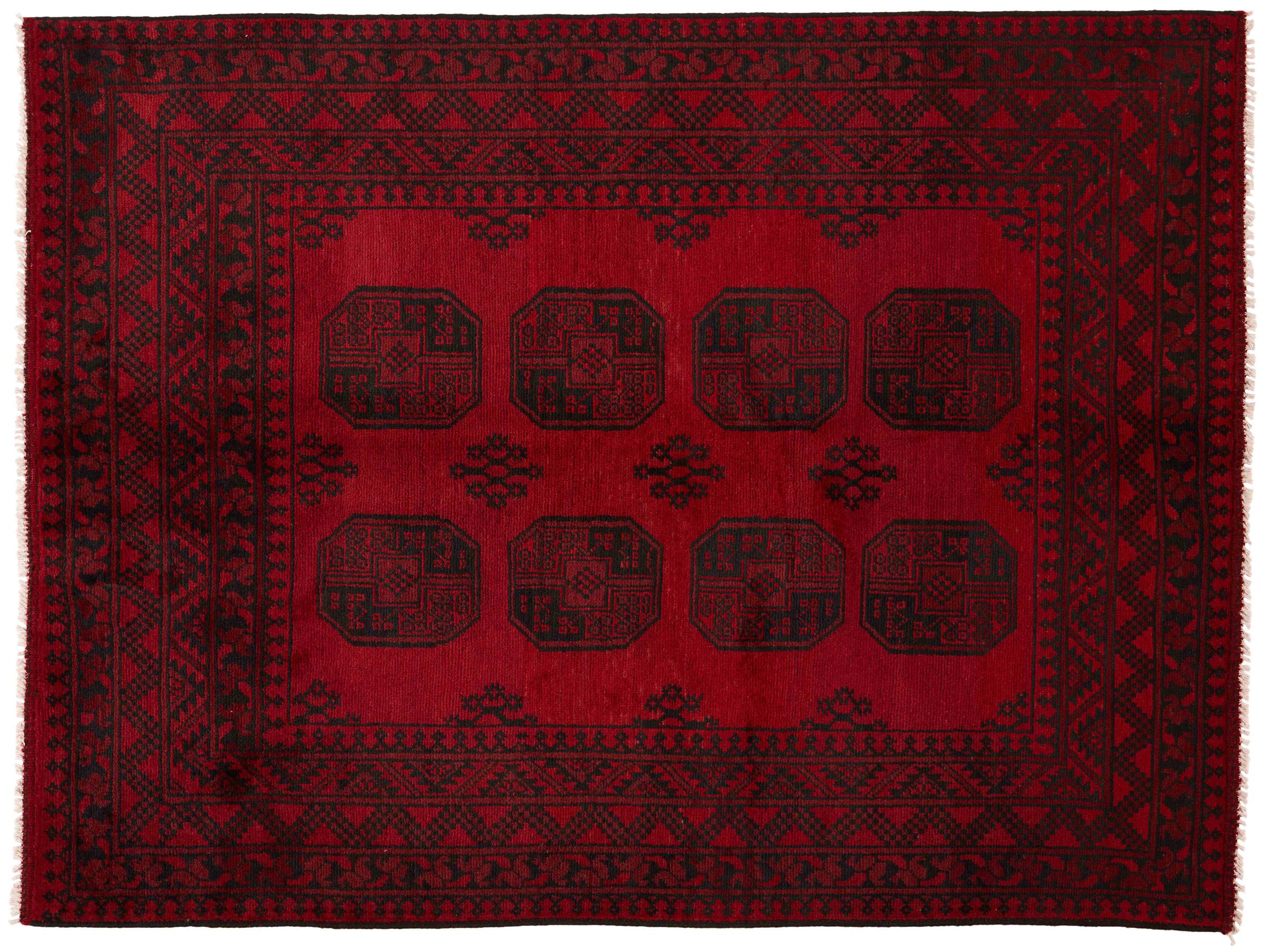
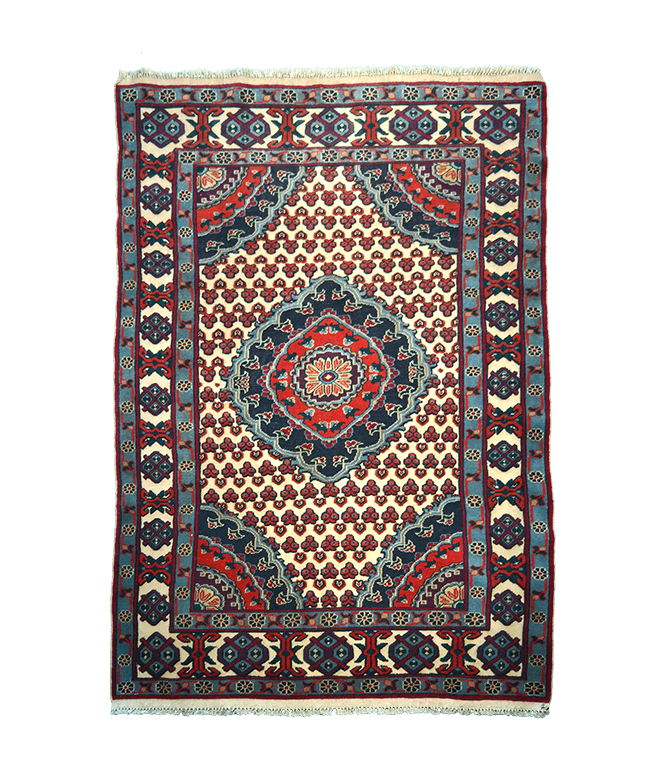
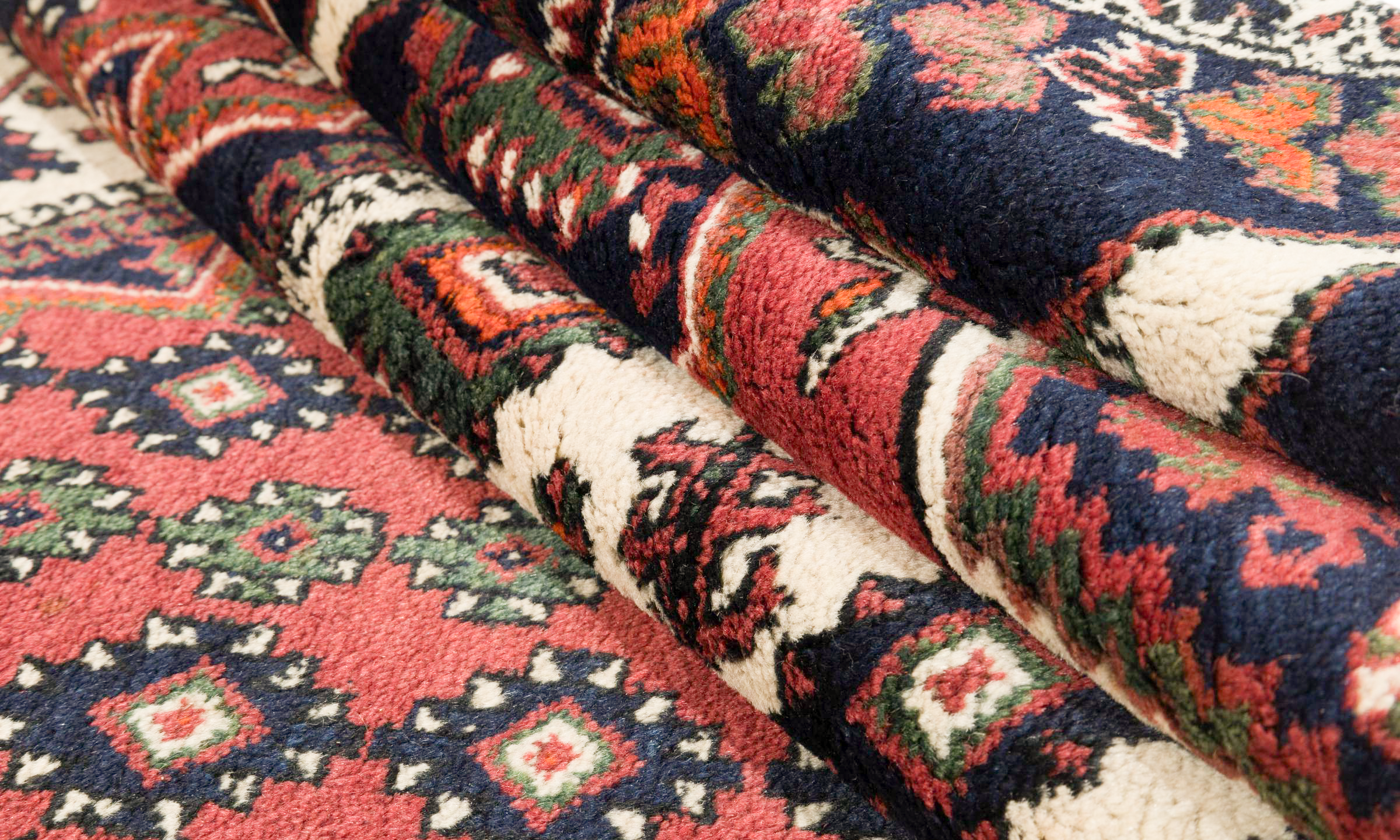
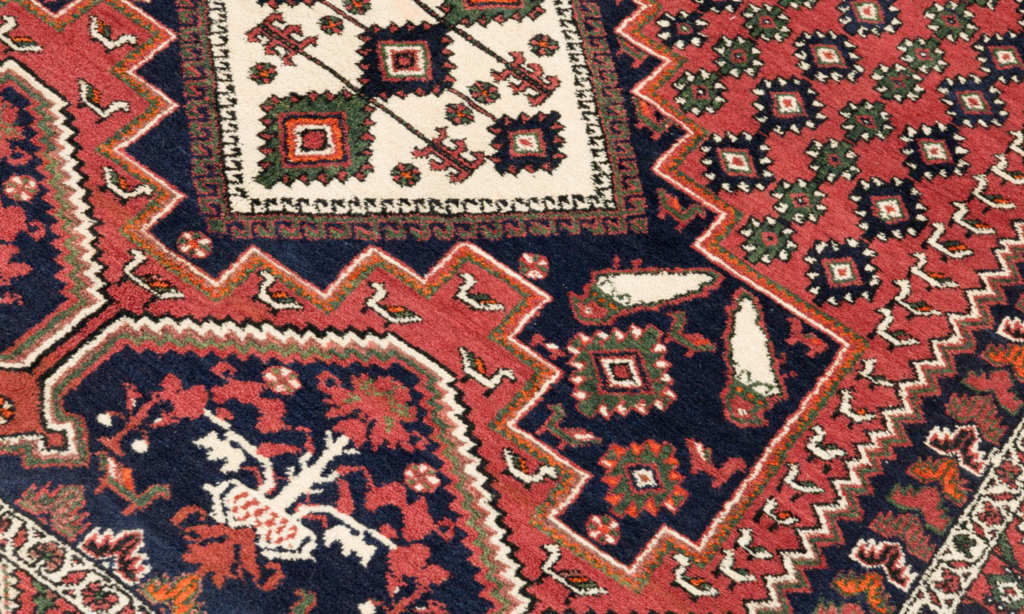
The colour palette of these rugs is typically defined by rust red, deep blue and earthy tones, creating a natural, slightly rustic appearance. Their knot density generally ranges from 150,000 to 250,000 knots per square metre, providing a stable and durable structure. The designs are highly varied, including both central medallion compositions and repeating geometric patterns. As the rugs are made in nomadic settings, every piece differs slightly, giving it a unique “weaver’s signature”. Their geometric visual language also works particularly well in modern and minimalist interiors.
Interior design tips and recommended uses
Thanks to their distinctive yet well-balanced appearance, Afshar rugs work beautifully in a wide range of interiors. They are especially suitable for living rooms, dining rooms and studies, where they bring both warmth and visual structure to the space. Interior design tip: their rust-red and blue tones pair exceptionally well with natural wooden furniture, leather accents and earth-toned textiles. In modern interiors, the geometric patterns create a strong contrast with clean lines, allowing the rug to become a focal point. Smaller Afshar rugs work well in entrance halls or reading corners, while larger pieces help anchor and visually unify living spaces.
The value and distinctive qualities of Afshar rugs
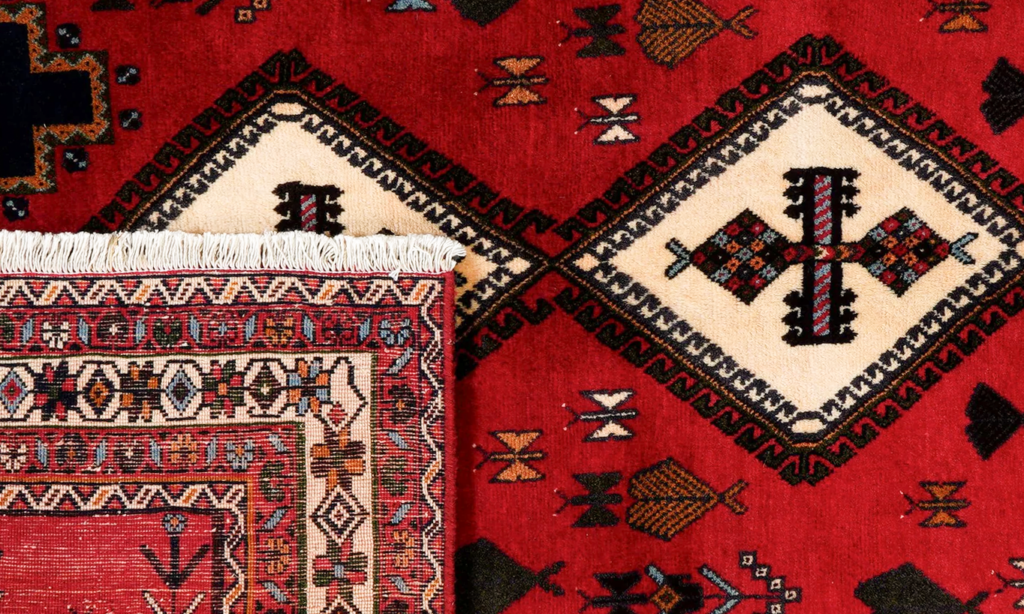
The distinctive quality of Afshar rugs lies in the meeting of nomadic traditions and urban trading influences. Every piece is unique, as the patterns do not follow rigid templates but also reflect the creativity of the weavers. Their historical background, including the imperial legacy of Nader Shah, further enhances their cultural significance, while contemporary pieces continue to preserve traditional craft techniques. An Afshar rug is therefore an ideal choice for those seeking a bold yet versatile Persian rug that is authentic, durable and equally well suited to modern interiors.
Source: Jamal Abdul Naser
Owner of Kabiri Carpet