Blog
The origins and characteristics of Shiraz rugs
Shiraz is one of Iran’s most significant historic cities, located near the Zagros Mountains. With a population of around 1.5 million, the city served as a cultural and political centre for centuries and has often been called the city of poetry, flowers and literature. It is known for its calm, slower pace of life, which is also reflected in local craft traditions. The term Shiraz rugs does not refer only to pieces made in the city itself. Rugs woven in the surrounding villages and nomadic communities, especially by the Qashqai tribes, are also sold under this name. Local traders bring these pieces to the markets of Shiraz, making the city an important collecting and trading centre for the region’s rug culture.
The patterns and materials of Shiraz rugs
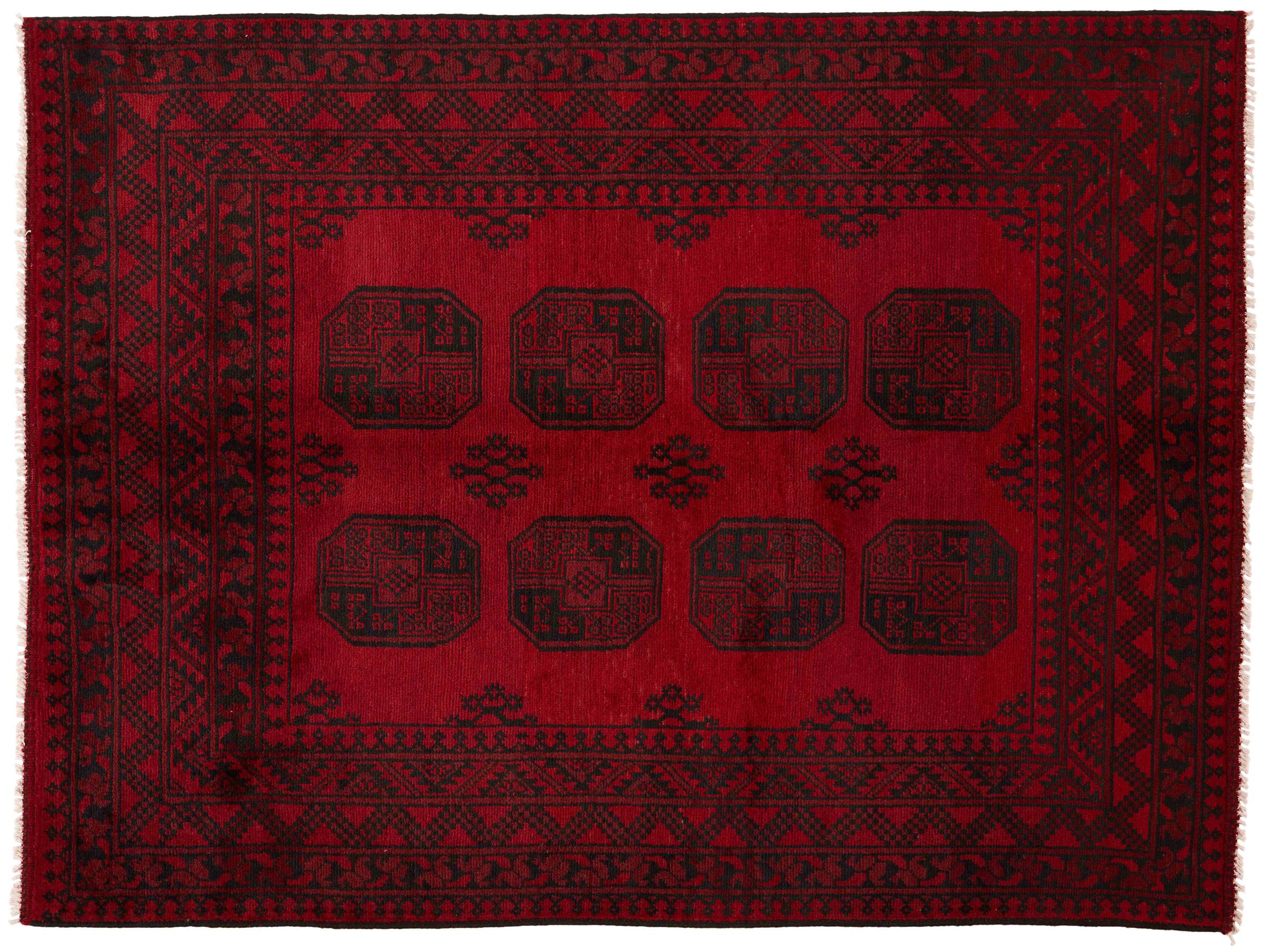
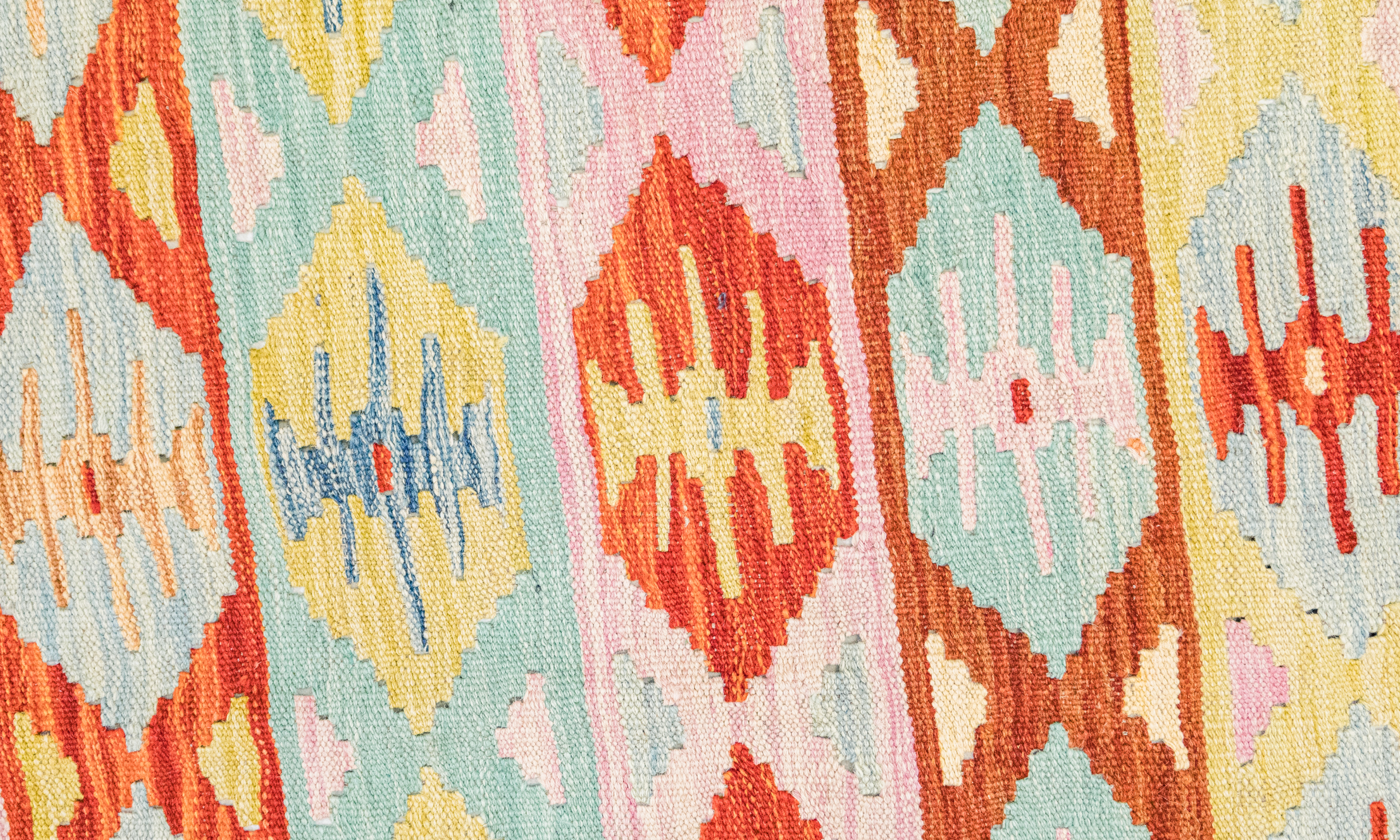
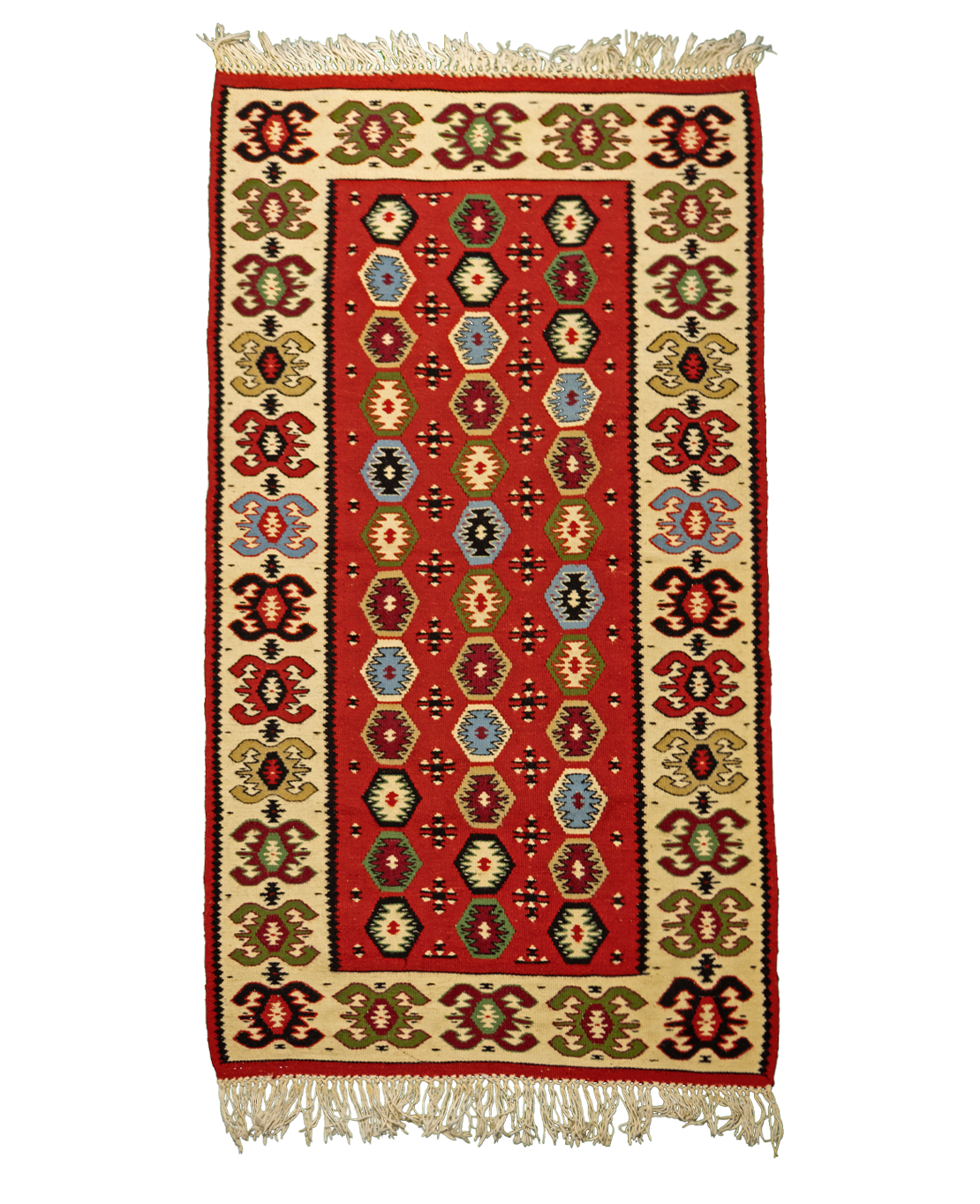
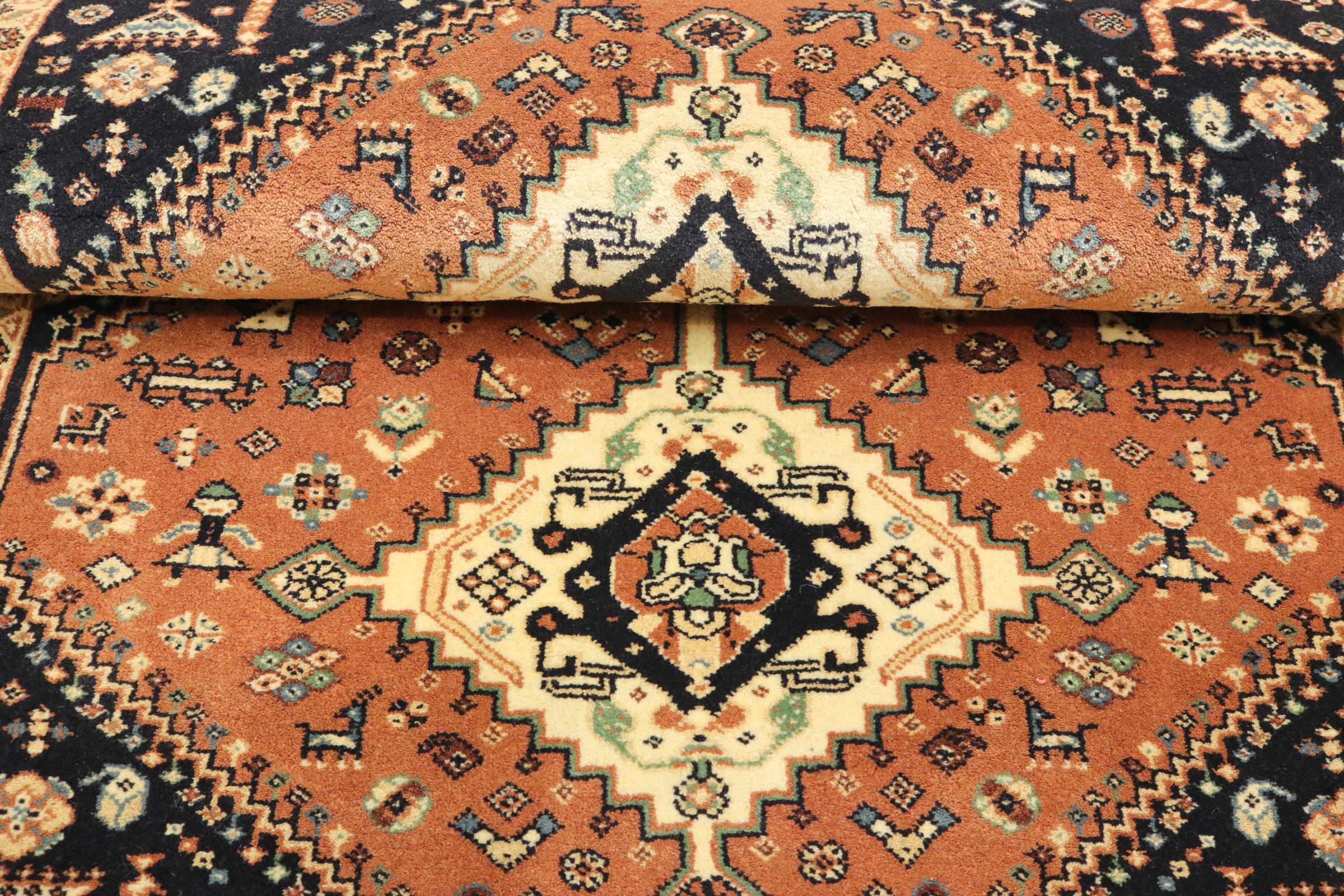
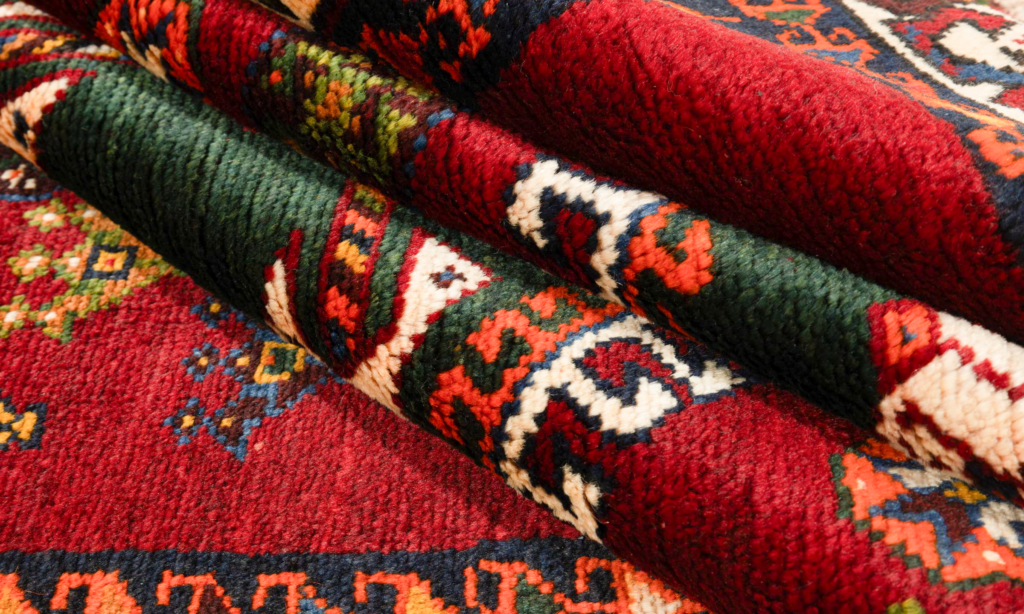
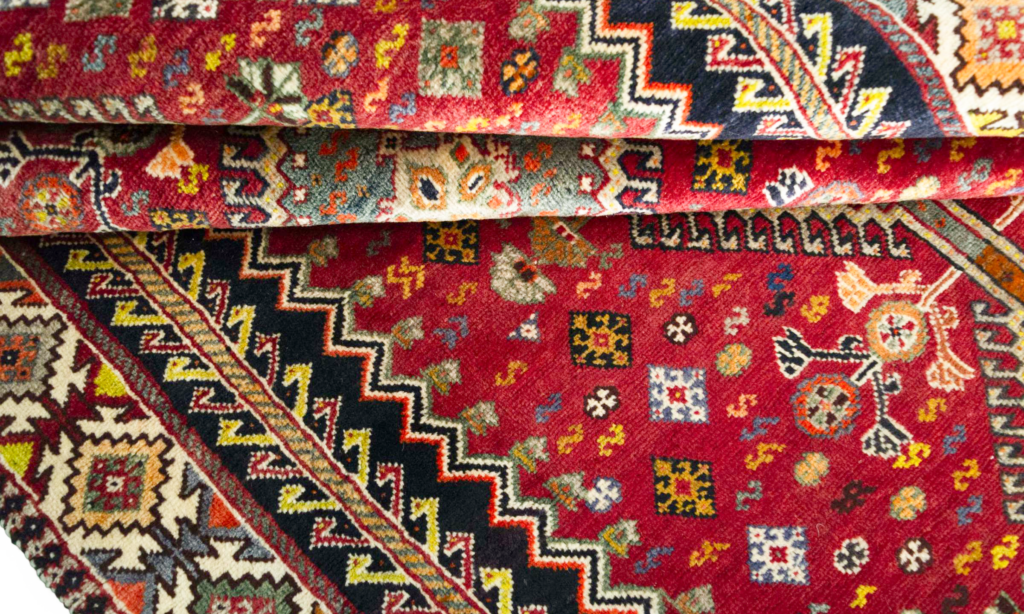
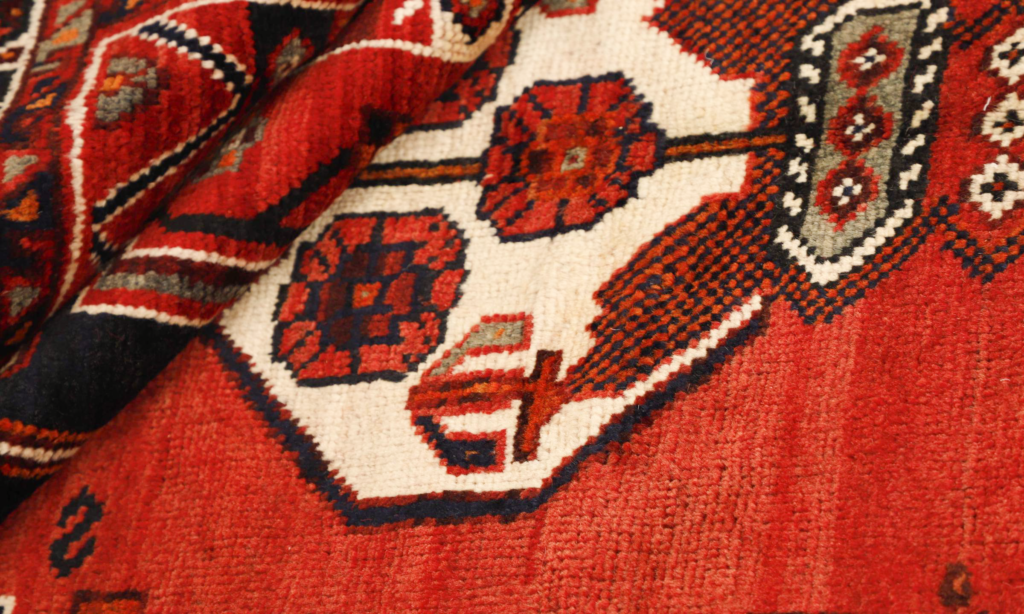
The colour palette of Shiraz rugs is defined by deep claret, dark blue and, in smaller amounts, shades of white and green. The pile is often made from soft wool, while darker wool or goat hair may also be used for the warp and weft. This gives the rug a particularly strong, rustic character. The designs are generally geometric and somewhat coarser in execution, often resembling the visual language of Qashqai tribal rugs. Stylised animal figures, including birds and small animals, also appear, adding a playful element to the composition. Their knot density typically ranges from 150,000 to 250,000 knots per square metre, providing a durable structure suitable for everyday use.
Interior design tips and recommended uses
Thanks to their rustic, nomadic character, Shiraz rugs work especially well in interiors where natural materials and a warm, lived-in atmosphere are important. They are an excellent choice for living rooms, dining rooms and country-style homes, where they create a warm, earthy ambience. Interior design tip: deep claret and dark blue tones stand out beautifully against light-coloured walls and natural wooden furniture. If a space feels too modern or sterile, a Shiraz rug instantly adds warmth and makes it feel more welcoming. Its geometric patterns also work well in modern interiors, creating a strong visual contrast with clean lines. In larger spaces, the rug helps visually unify the furniture and becomes a natural focal point.
The value and distinctive qualities of Shiraz rugs
The value of Shiraz rugs lies in the blend of nomadic and urban influences. They combine the spontaneity of Qashqai tribal weaving traditions with the more unified aesthetic shaped by the commercial style of Shiraz’s city markets. Their slightly coarser patterns and use of natural materials give every piece a unique character. Small animal motifs and geometric elements add a playful quality to the composition while preserving the fundamental values of traditional Persian rug making. A Shiraz rug is therefore an ideal choice for those seeking an authentic, slightly rustic yet timeless Persian rug that fits easily into both classic and modern homes.
Source: Jamal Abdul Naser
Owner of Kabiri Carpet