Blog
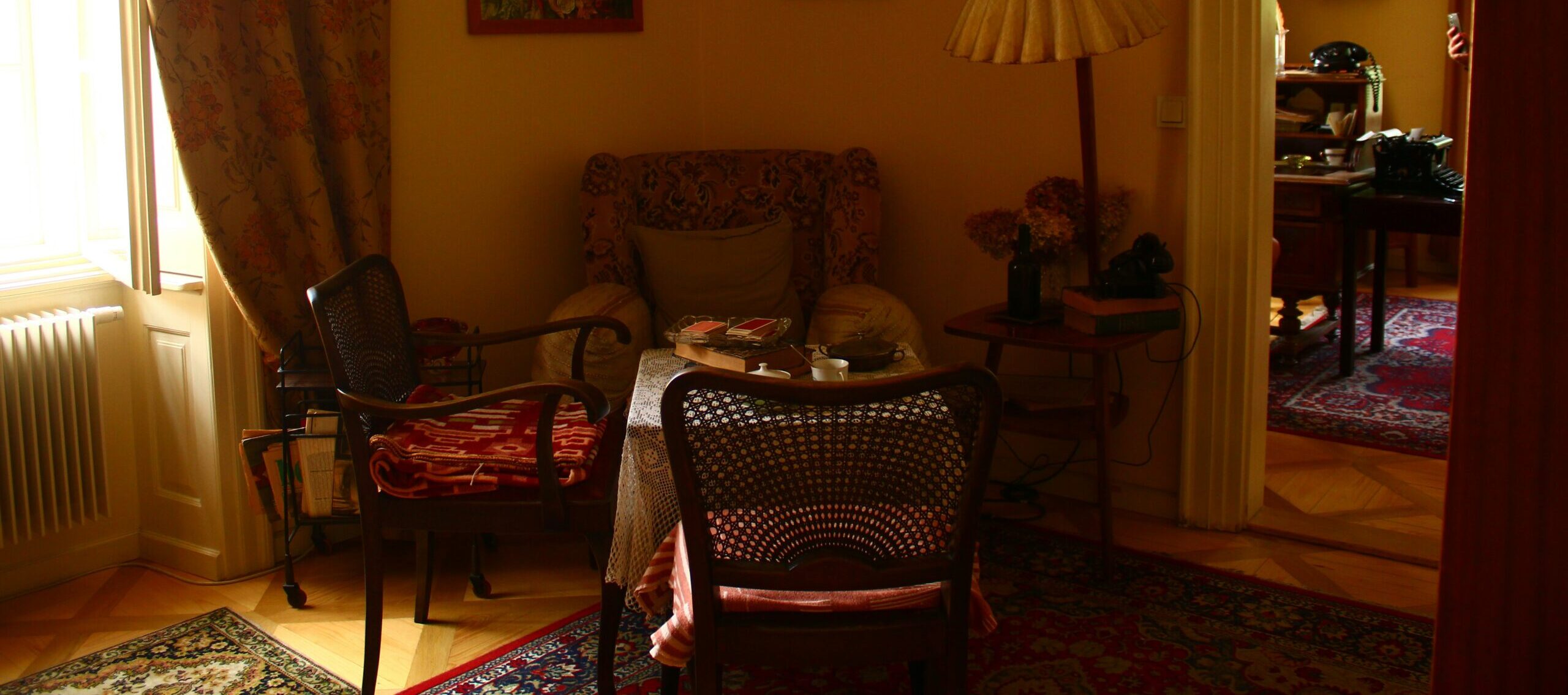
Few things in a home look more valuable with age, and a vintage rug is one of them. On a new piece of furniture, wear counts as a flaw. On a vintage piece, the very same marks tell its story. That is where the depth and character come from, something a brand-new rug simply cannot reproduce. It’s no surprise that vintage rugs look at home in almost every style, whether minimalist, Scandinavian or classic.
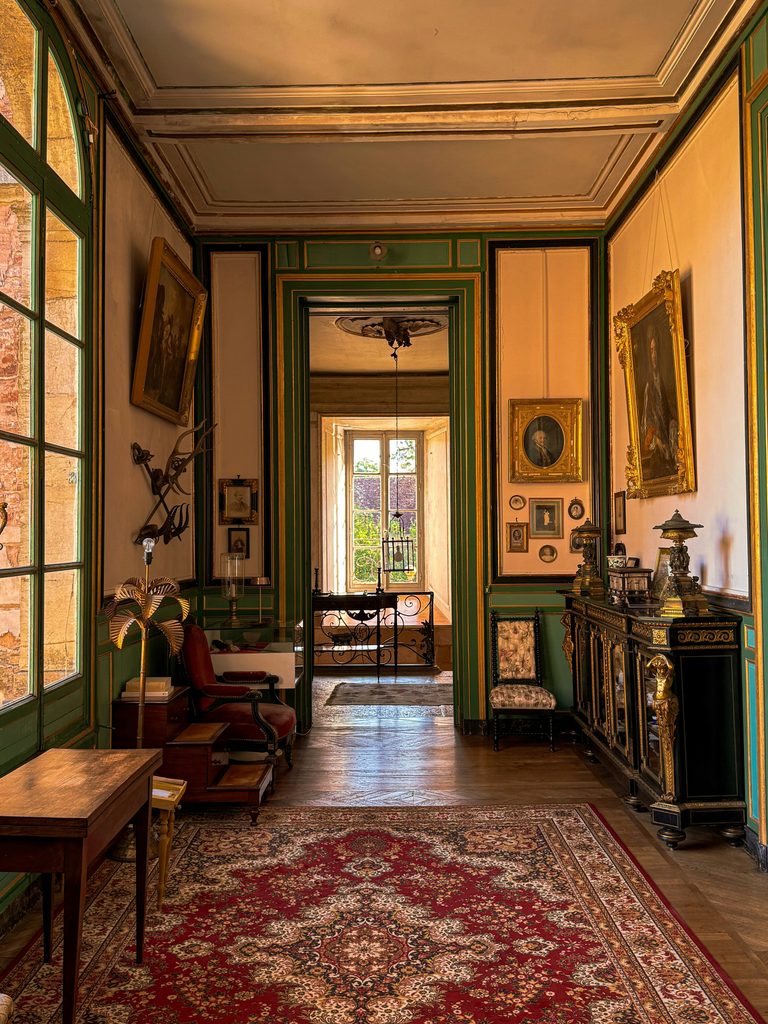
What counts as a flaw on a new rug is a virtue here
Patina is that soft, muted glow and shade of color that only forms on a rug’s surface over years, even decades. No manufacturing process can fake it. Freshly made rugs have sharp, high-contrast colors. On a vintage piece, the tones have softened into one another, giving a warmer, gentler overall look. This maturity has a practical side too. In everyday life, a spilled coffee or a muddy footprint shows up instantly on many rugs. The rich, layered pattern of a vintage rug tends to swallow these small mishaps. The same goes for wear. A worn patch would catch the eye on a modern rug, but on an older one it goes almost unnoticed. Pattern and weave age together, so the whole surface wears in evenly. Wear then adds texture rather than taking away from the look.
Confident in the busiest rooms
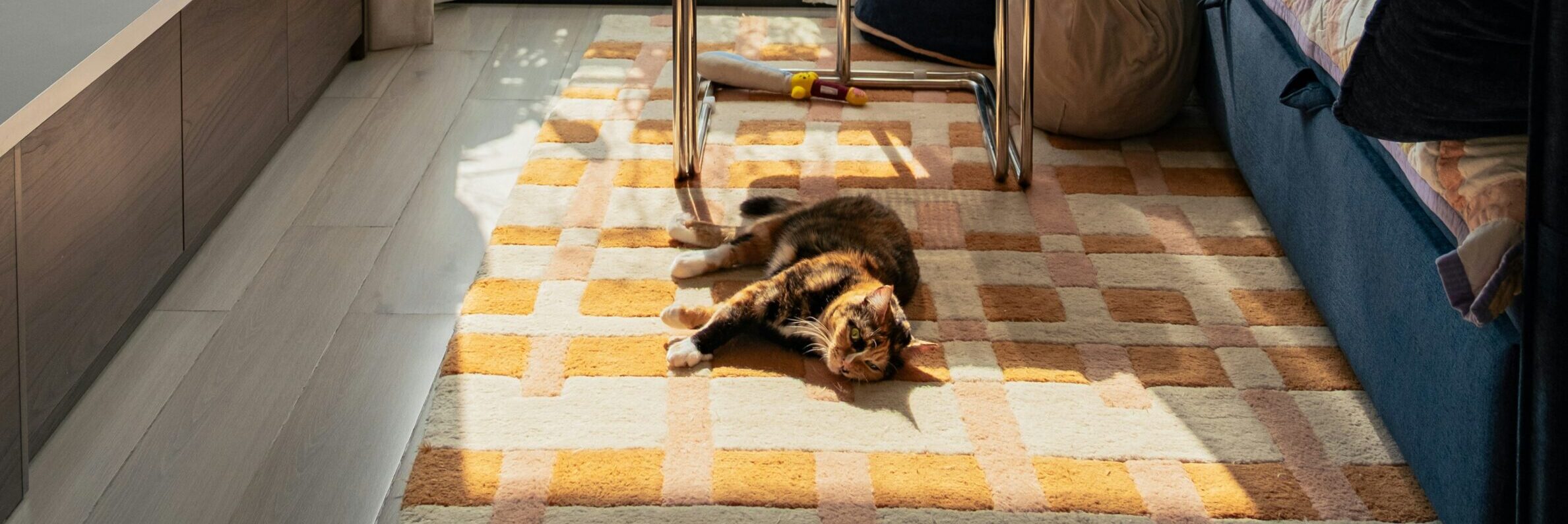
Entryway, living room, hallway: these are the rooms where a rug takes the most punishment, and exactly where vintage pieces prove their worth. Densely woven rugs, usually made of wool, handle daily traffic remarkably well. Since nobody expects them to look flawless, the marks of use only add to their presence. That is also why there’s no need to tiptoe around them. A vintage rug is there to be lived on. Children can play on it, and daily life can leave its mark. These traces add to the piece’s story instead of taking from it.
A character that never repeats
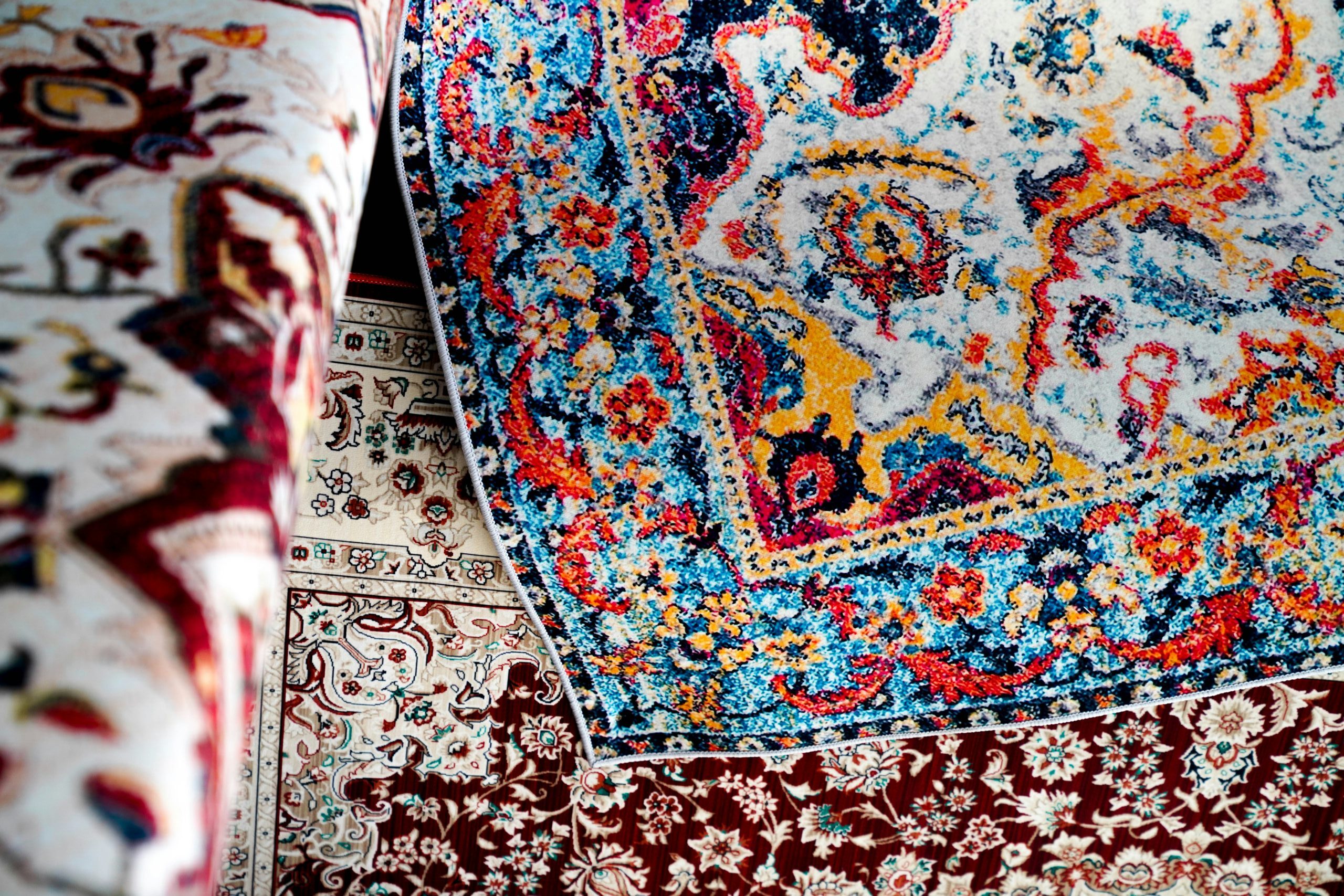
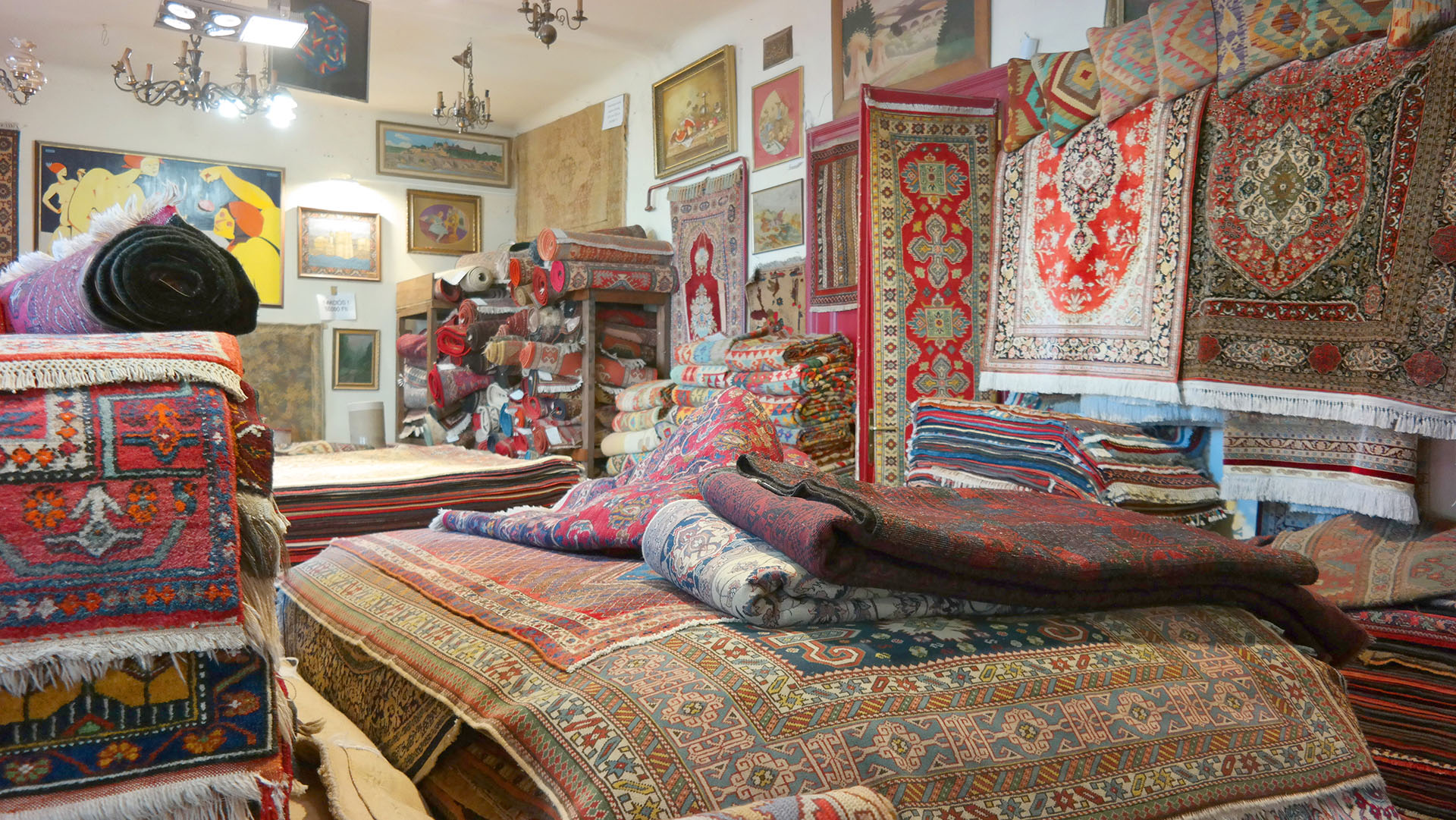
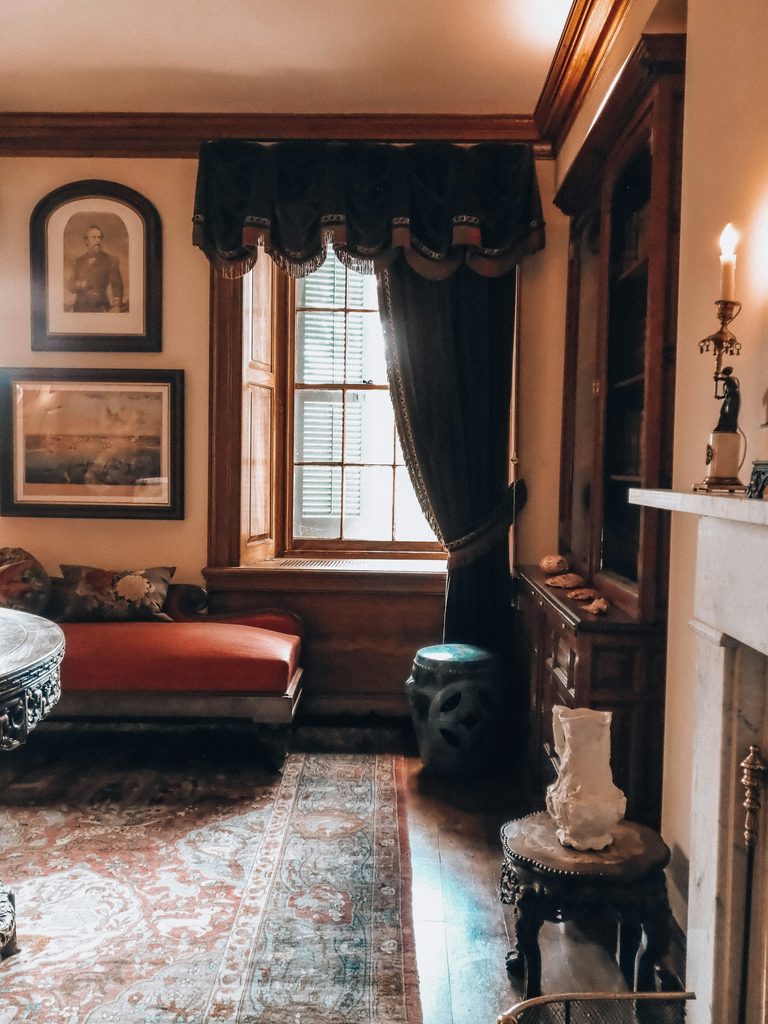
The pattern of a factory-made, mass-produced rug can turn up in any other home. A vintage piece, by contrast, is almost certainly one of a kind. Knotting by hand leaves small irregularities. Each color ages in its own way, and the design varies subtly from piece to piece. Together, they guarantee that no two rugs are quite alike. This kind of individuality brings a personal touch to an interior that designed, mass-produced pieces rarely achieve.
The star of the room
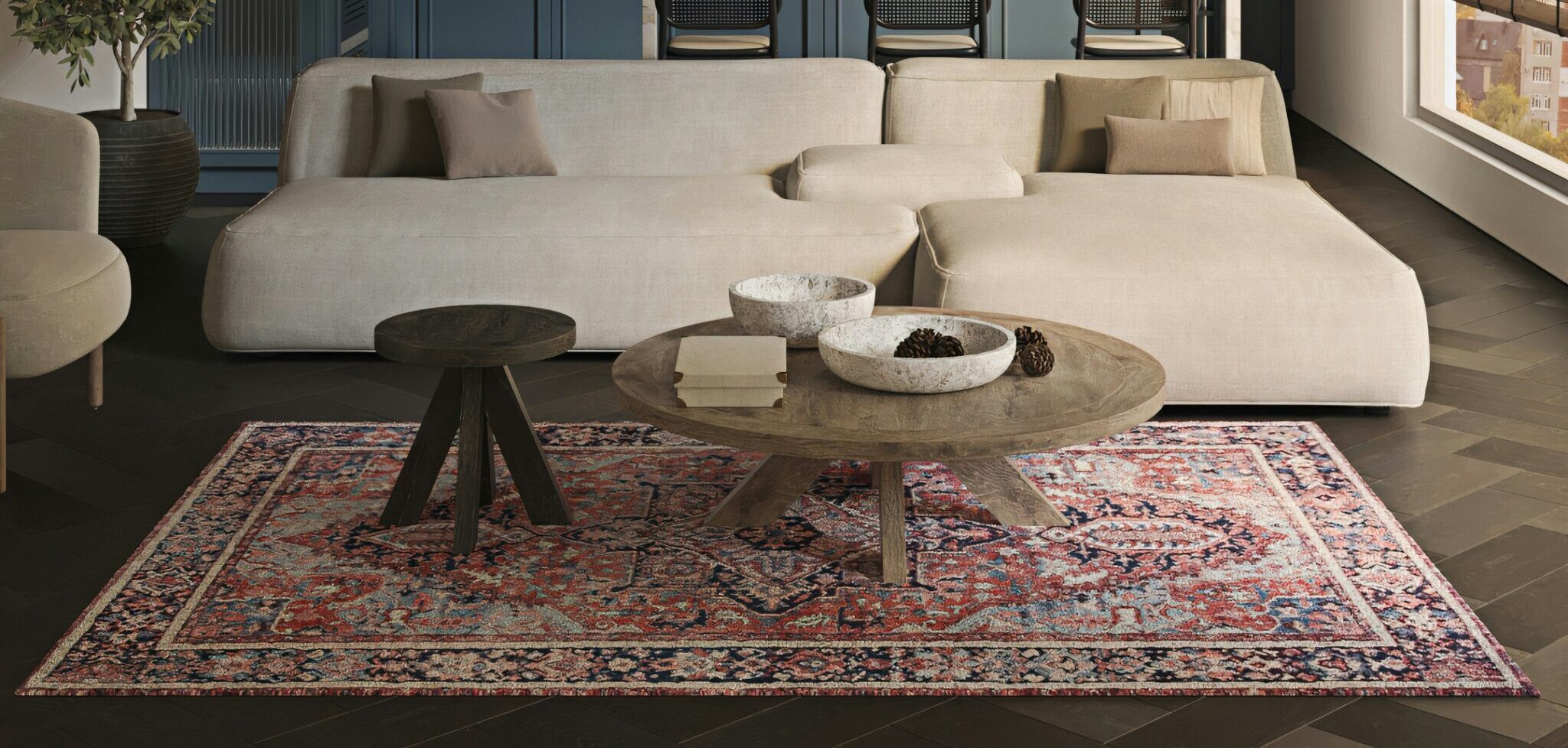
Many people assume a restrained, neutral interior calls for an equally restrained rug. In fact, the opposite is true. A patterned rug in muted, softened tones is the perfect contrast in a minimalist space built on white, beige and grey. It doesn’t disturb the calm. The colors of older pieces have usually settled into harmony already, so they sit comfortably with almost any neutral palette. Often, the rug alone is enough to give a room its character. There’s no need to build elaborate decoration around it; just let it do its work. In a simply furnished living room, it is the spot where the eye lands first. That’s why it’s worth planning the furnishings around the rug rather than beside it. Match the colors of your furniture and accessories to its tones, and the space comes together on its own.