Blog
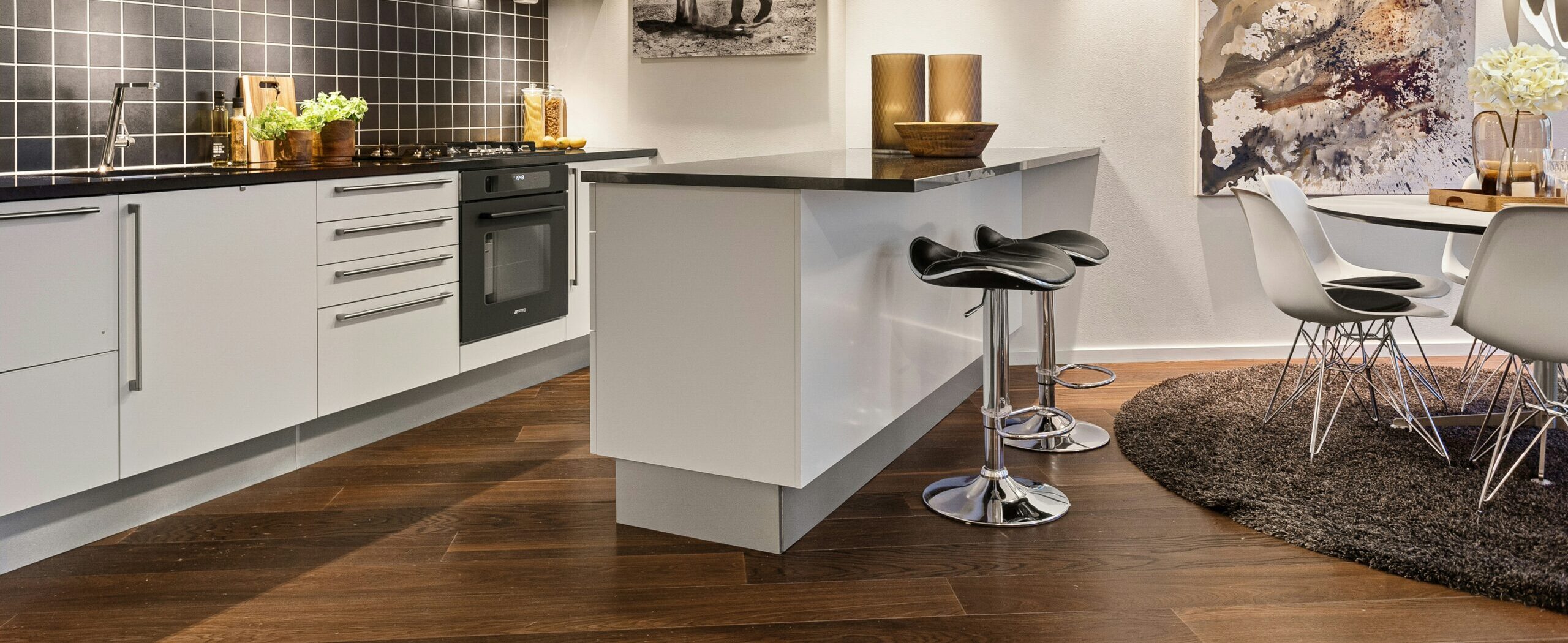
The open-plan layout, where the kitchen flows straight into the living area, is one of the most popular choices in homes and apartments today. Kitchen, dining area and living room melt into one continuous space, with no walls or doors between them. It makes a home feel roomier and brighter. It also brings a real design puzzle: how do you give each zone its own purpose and still keep the whole space feeling like one? Rugs for open-plan spaces are among the best tools for the job, but only if you choose them well.
Start with the furniture layout
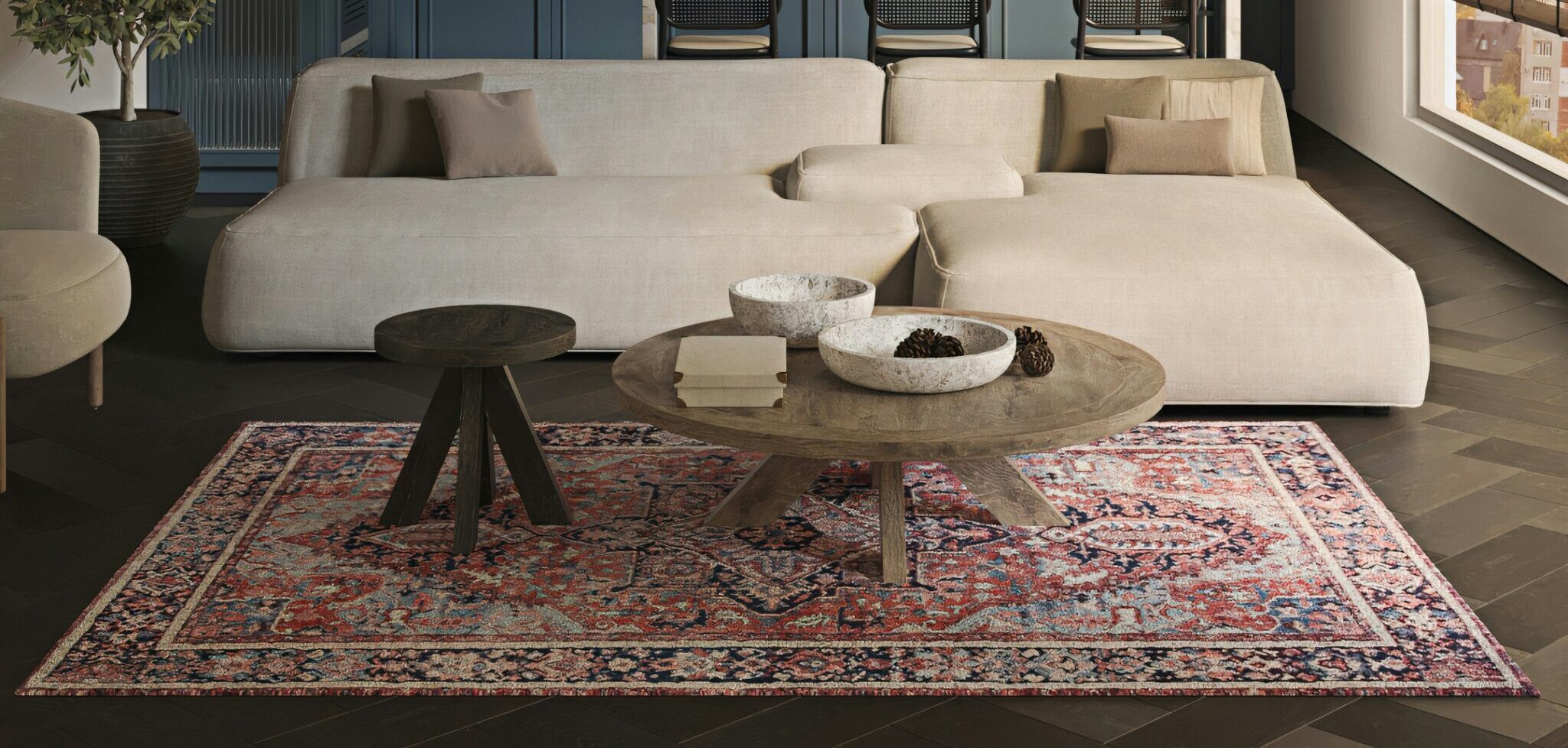
Before you pick a single rug, take a good look at how your furniture sits in the room. An open plan usually holds several groups side by side: a seating area in the living room, a table and chairs in the dining area, perhaps a bar counter or an island on the kitchen side. A rug’s job is to pull each of these groups together visually. In practice, that means every rug should suit the size and arrangement of the furniture it sits under. In the living room, the front legs of the sofa and armchairs should rest on the rug. Under the dining table, the rug should be big enough for the chairs to stay on it even when they’re pulled out. Get this basic rule right and your rugs will bring a natural order to the space all on their own.
Cohesion: keeping the space in one piece
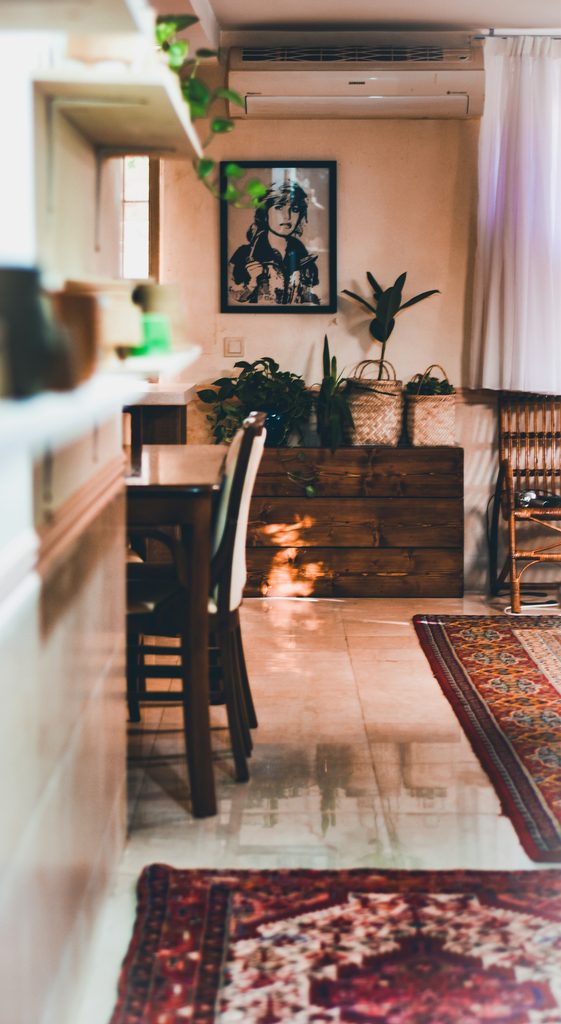
The biggest risk in an open plan is that the space falls apart into pieces, as if three little rooms had been placed side by side instead of one connected home. This is where cohesion comes in: the feeling that the kitchen, dining area and living room each do their own job, yet belong to the same story. Rugs play a key part here. Through repeated colors, materials or pattern details, they quietly link the separate zones. You don’t need the same rug everywhere. A shared thread running between them is enough, one the eye picks up without you even noticing.
Rugs that go together: how to pick the right pieces
Rugs that go well together don’t have to match. They just need to feel like members of the same family. That could be a shared base color in different shades, a similar pattern language at a different scale, or simply the same kind of material. If every rug is made from natural fibers, that alone gives them enough in common. Start by setting a palette of two or three colors and one or two textures, and return to it with every rug you consider. That keeps the result from feeling chaotic, while each area still keeps its own character.
The foundation and the details
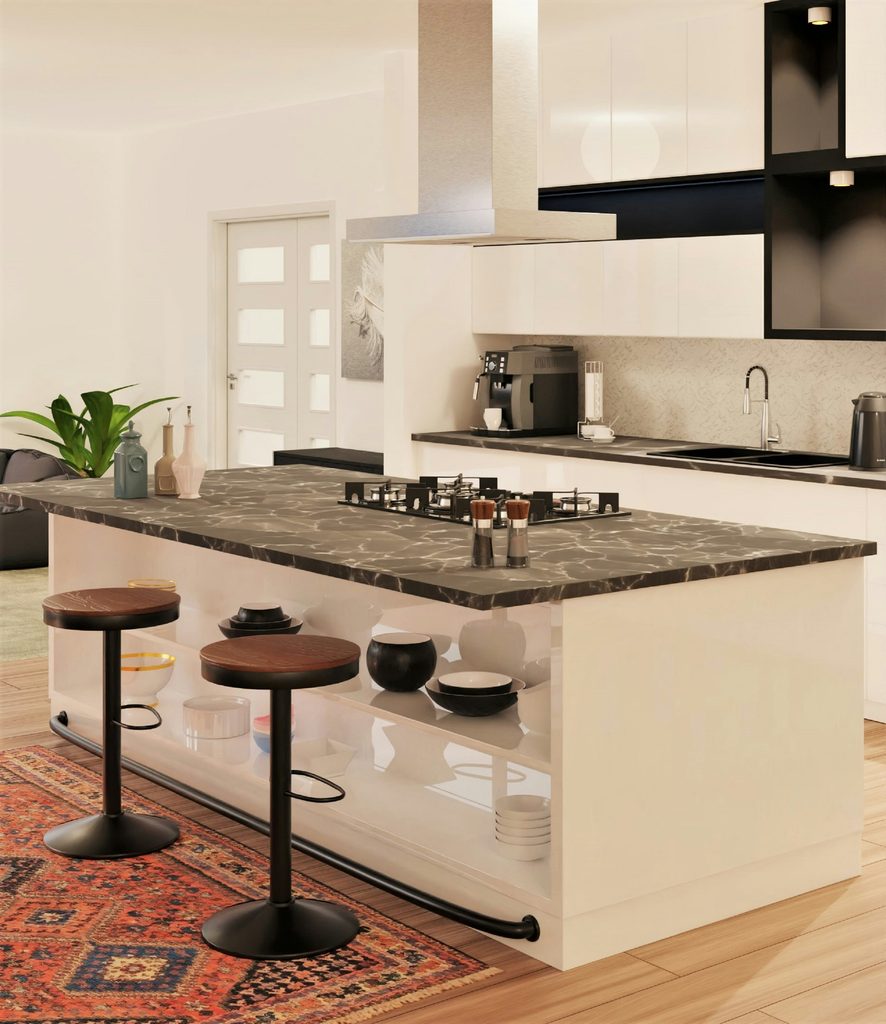
One of the safest strategies in an open plan is to give the largest, most visible area, usually the living room, a big rug in a calm, neutral tone. It sets the quiet backdrop for the whole space and keeps the look timeless for years to come. On top of that foundation, smaller and more decorative pieces are easy to add: a patterned runner in front of the sink, a small rug by the entrance, or something bolder beside the breakfast bar. These smaller touches bring the personality, while the large neutral rug holds everything together. And because they’re smaller, they cost less and are far easier to swap out when you tire of them or simply want a change of mood.
Step by step to a perfect match
Many people assume a harmonious set of rugs has to come together all at once. The most beautiful homes rarely work that way. One rug catches your eye at a fair, another you fall for on a friend’s recommendation, a third turns up almost by accident. As long as you stay loyal to your focal rug, your signature patterns, or the materials that run through your home, these pieces will slip into the bigger picture almost by themselves. If you go this way, keep photos of the rugs you already own on your phone, so their colors and materials are always with you. That way you can see right in the shop whether a new piece belongs.
A play of colors, textures and shapes
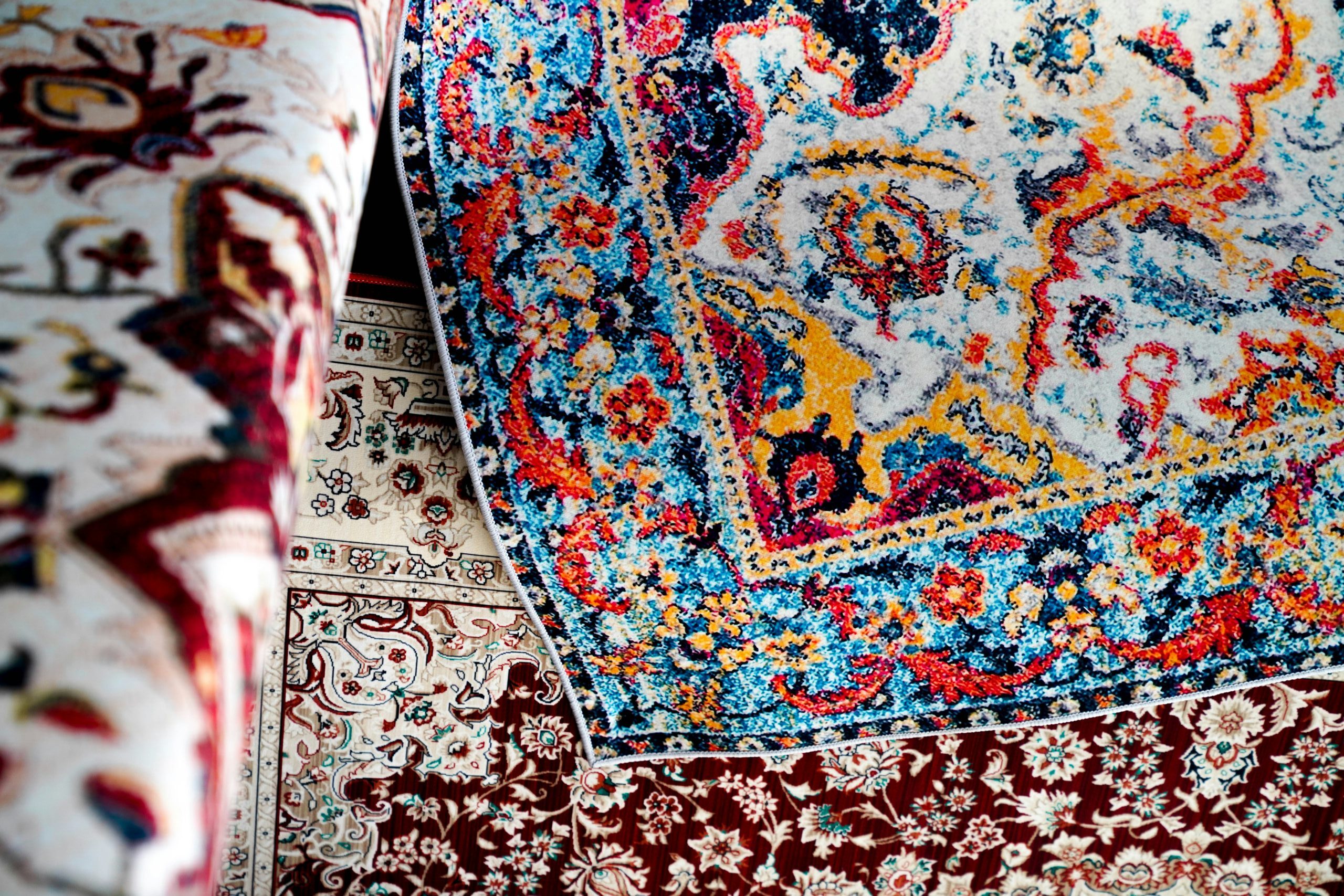
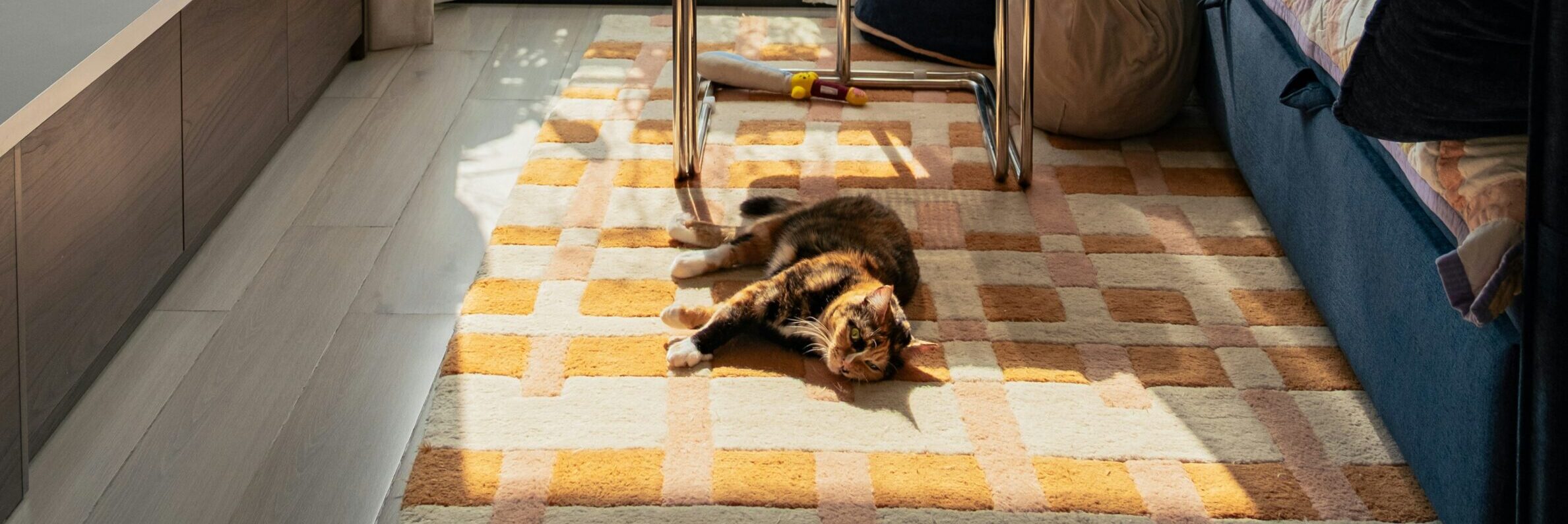
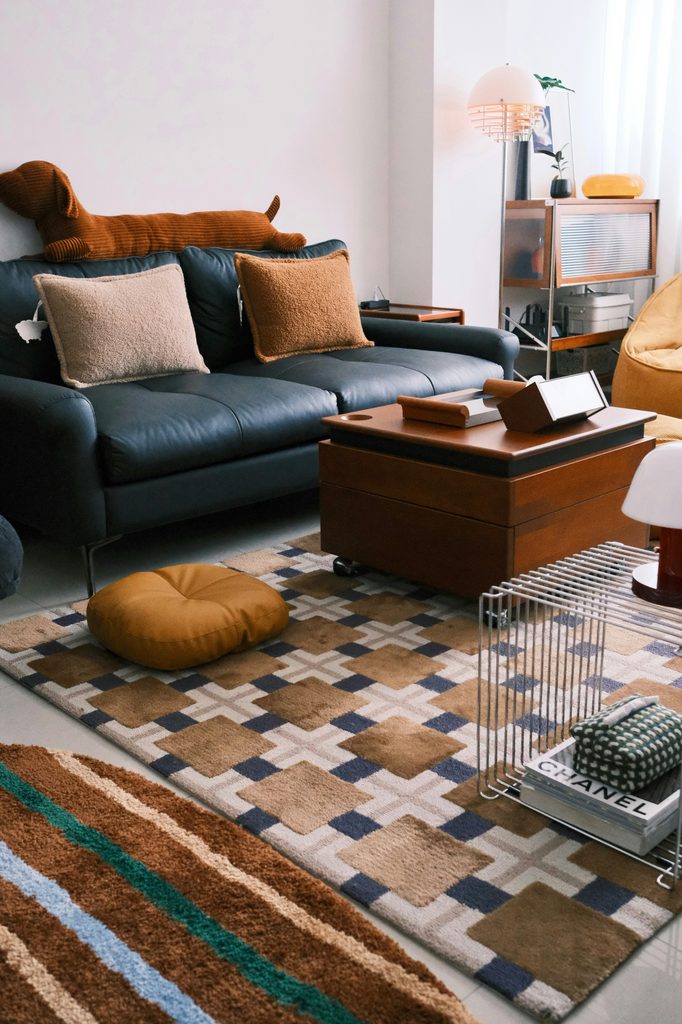
In open spaces, it works especially well when rugs aren’t identical but deliberately vary in color, texture and shape, all following one shared logic. Complementary pairings, such as warm terracotta with cool blue, bring freshness into the room. A monochrome palette, where every rug plays in a different shade of the same color, creates a calm and refined unity. Using contrast on purpose, a darker rug on a light floor or the other way around, helps separate the zones visually without breaking the harmony. Mixing textures, such as a flat kilim near the kitchen and a deeper, fluffier pile in the living room, adds depth even when the colors stay quiet. Varying the shapes, with a round rug under the breakfast table, a long runner along the kitchen counter and a large rectangle in the living room, refines the space further without upsetting its unity. That’s why rugs for open-plan spaces can be exciting not only for their color and pattern, but for the thoughtful mix of shapes too.
Where it all begins: the focal rug
Before you start choosing the other rugs, pick a focal piece. Usually this is the largest or most eye-catching rug, and everything else is built around it. It might be a rug with a special pattern in the living room, or one in a strong color under the dining table. Choosing it isn’t only an aesthetic decision, it’s a practical help too. Once you know which rug sets the tone, picking the rest gets much easier and faster. You also avoid that stuck feeling of having too many options to weigh at once.
The flow that connects the rooms
In the end, every point above serves one goal: letting the eye and your movement glide freely from the kitchen through the dining area to the living room. This flow appears when the rugs stop competing with each other and start working together as one coherent whole. Every zone is clearly different, yet clearly part of the same home. When the furniture layout is logical, the colors and textures draw from one shared palette, and a focal rug anchors everything else, an open space works with effortless ease. And it all happens without any zone feeling cut off or blending into the rest. That’s why rugs for open-plan spaces are more than decoration: they’re one of the most important tools for organizing the space.