Blog
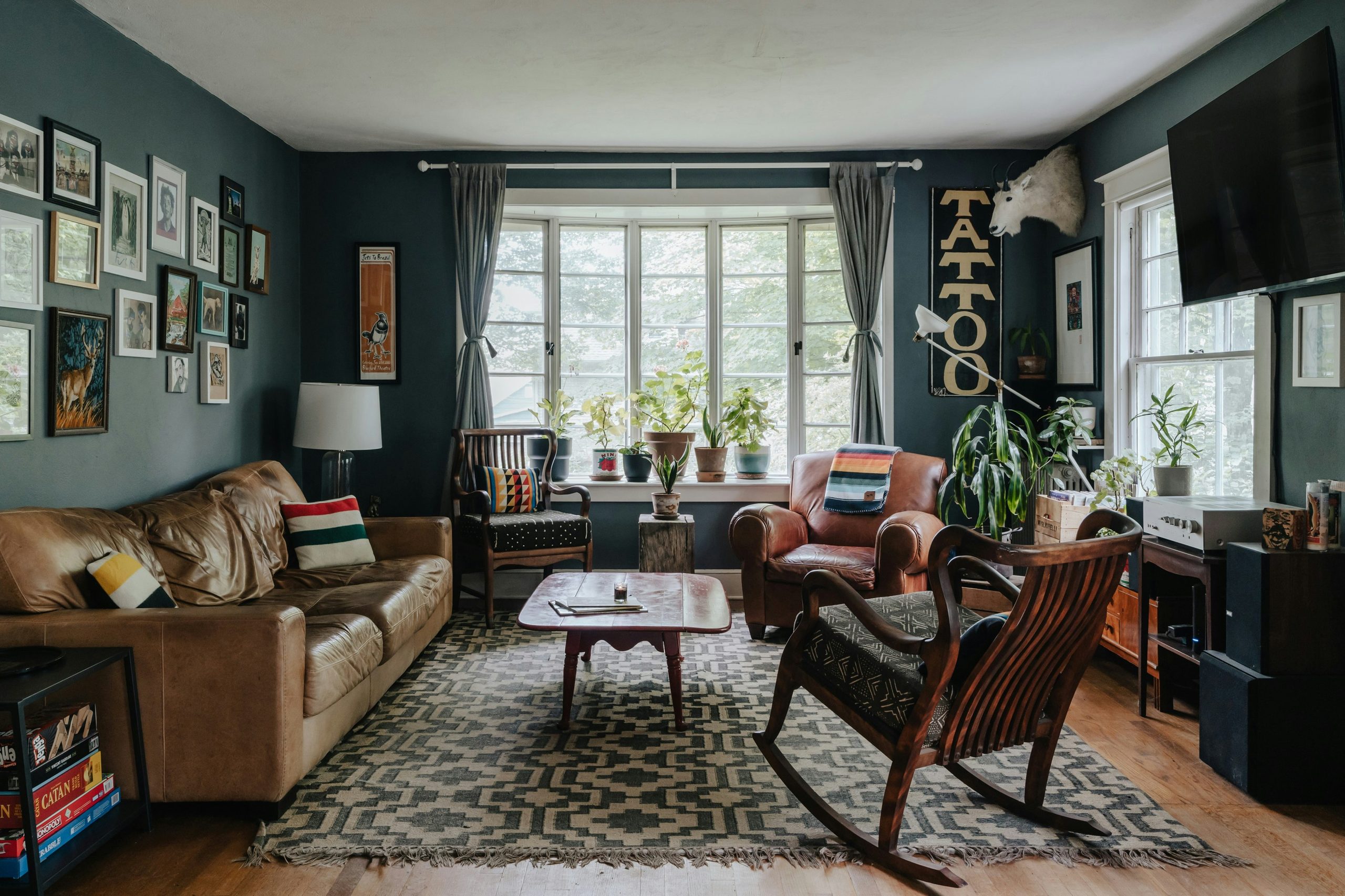
Few pieces in a room can transform it the way a well-chosen rug does. It covers the floor, but it also frames the furniture, guides the eye and quietly shapes how big, bright and welcoming a room feels. The same living room can take on a completely different character with a light, softly patterned rug than with a deep-toned, richly patterned one. The furniture, the wall colour and the floor plan haven’t changed at all. The right choice can also give you a greater sense of space.
What Makes a Room Feel More Spacious?
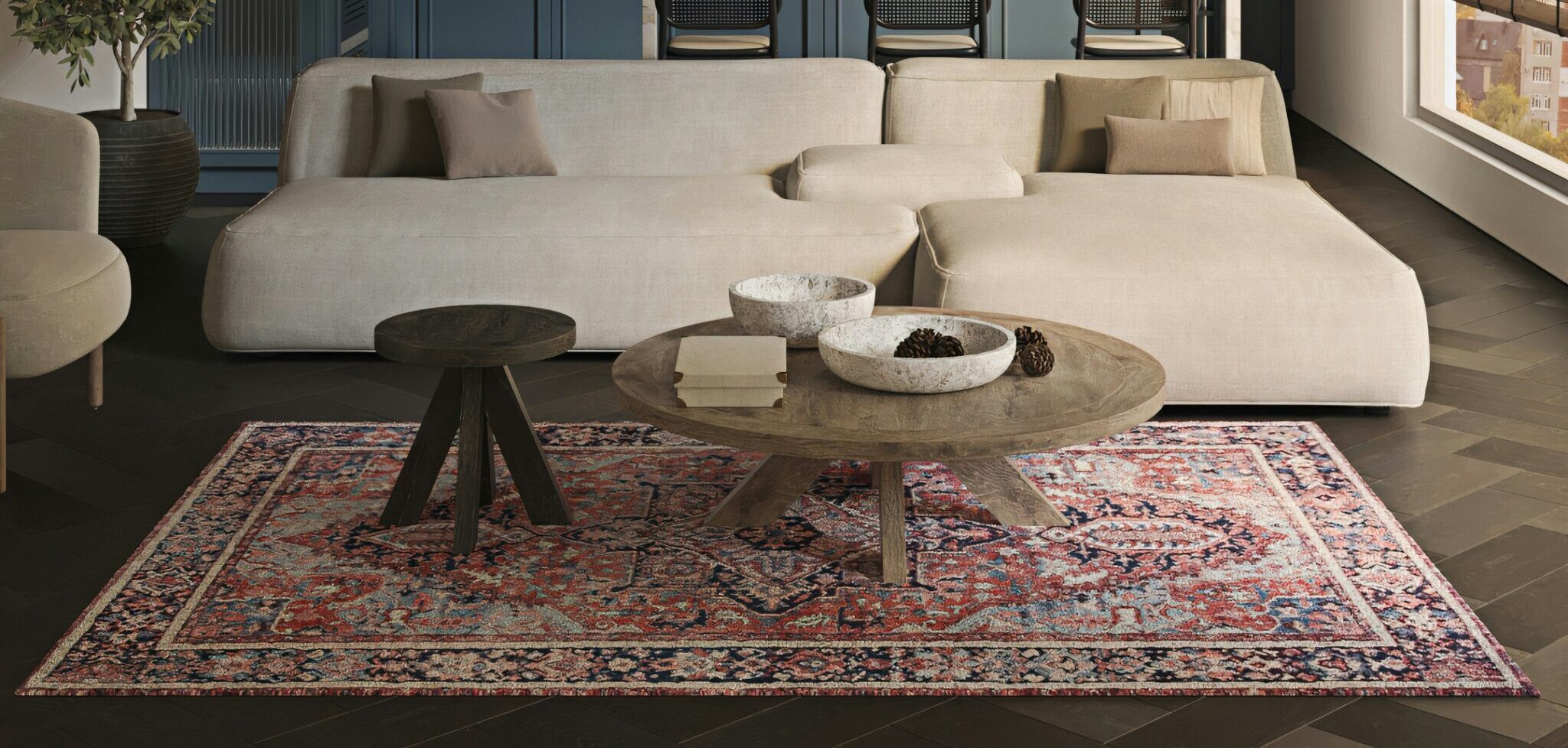
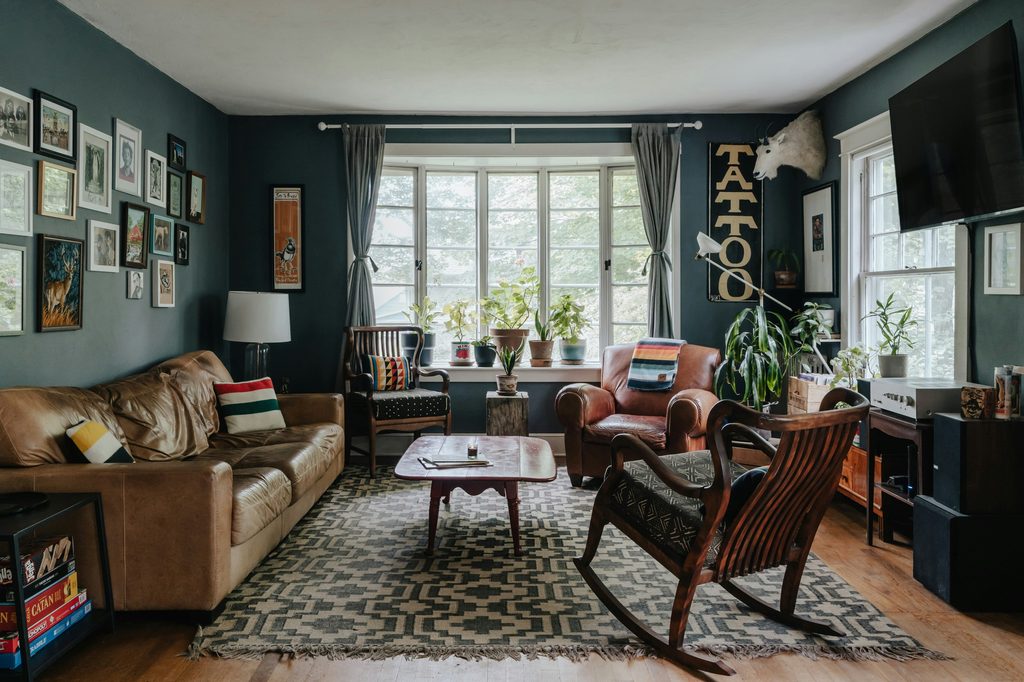
The secret lies in proportion and continuity. A larger rug that extends under the main pieces (sofa, armchairs, coffee table) creates one unified surface. It ties the room together instead of breaking it into islands. A good rule of thumb is to leave a strip of bare floor, around 30–45 centimetres (12–18 inches), between the rug’s edges and the walls. That border frames the room without interrupting its flow. This approach is especially effective at building a sense of space.
Colour matters just as much. A light, clean-lined rug close to the tone of your flooring makes a room look larger, because there is no sharp contrast between rug and floor. Small, understated patterns and solid colours with a fine texture also bring calm and a sense of space. Busy, high-contrast patterns do the opposite and make a room feel smaller.
What Makes a Room Feel Cosier?
Here the effect works in reverse. A smaller, well-defined rug that surrounds only the seating area instantly creates a more enclosed, intimate mood. It works beautifully in large living rooms, where the aim is a snug corner for conversation. Deep, saturated colours such as burgundy, forest green and indigo, or richer patterns, seem to bring the floor “closer”, which gives the room a smaller, more homely feel.
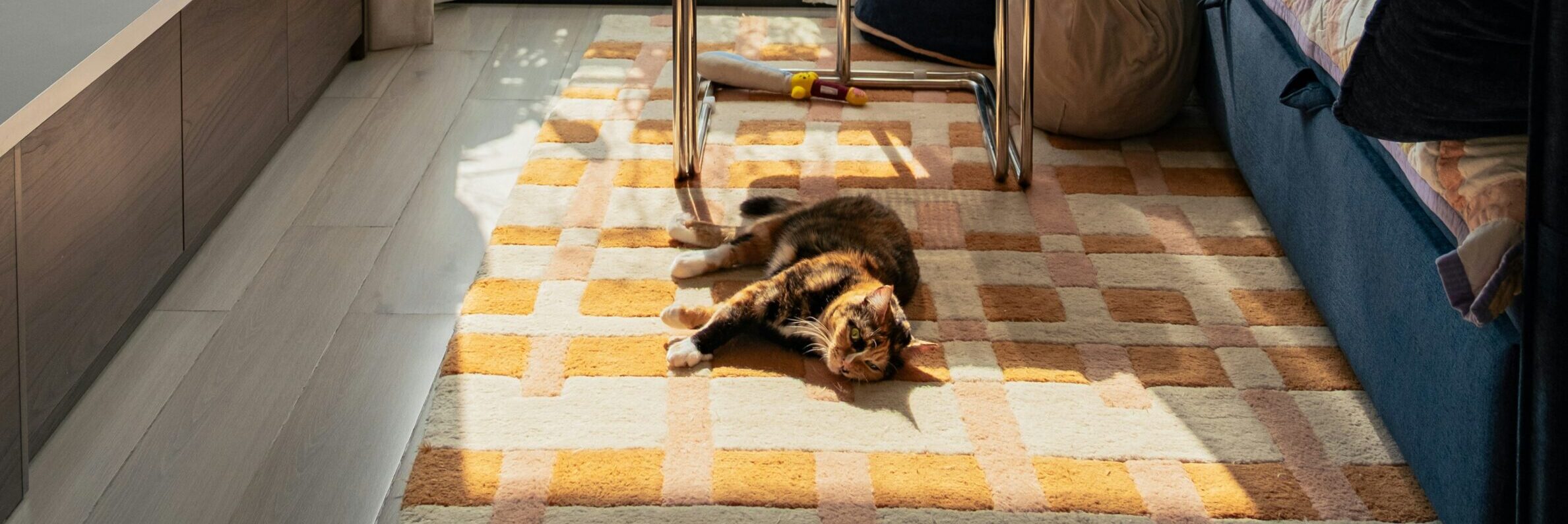
Texture plays its part too. A softer, high-pile rug makes a space feel cosier in a physical sense, because it practically invites you to sit down or stretch out on it.
What Makes a Room Feel Brighter?
A rug’s effect on light depends on its material and surface as well as its colour. Natural fibres such as wool, and silk blends, reflect light better than matte, tightly woven synthetics. That can bring a room that gets little direct sun to life. Light, cooler tones such as ivory, sand and pale grey create a more open, airy feel, especially when they harmonise with the walls and furniture.
In rooms that are already short on natural light, avoid very dark rugs with wide borders. They visually pull the space down and can make the atmosphere feel heavy and crowded.
When Does a Dark Rug Work Best?
A dark rug is no enemy of bright, spacious rooms. Chosen well, it gives them real character. In rooms with plenty of daylight, high ceilings, or lots of pale furniture and white walls, a deep-toned rug strikes a lovely balance. It anchors the space, which might otherwise feel as though it were floating or a little impersonal.
It makes practical sense too. In busy areas such as the entrance hall, living room or children’s room, darker shades stand up to daily wear much better, and dust and the occasional stain are far less noticeable. If you want a solution that is both practical and elegant for a high-traffic spot, a dark rug with a dense pattern is often a better choice than a pale, plain one.
Shape Matters Too: How a Rug’s Outline Defines the Room
A rectangular rug is the classic, dependable choice for angular furniture layouts, but shape is a powerful design tool in its own right. A round rug softens sharp lines. It works well under a round table or in a reading corner, and it relaxes a rigid, boxy look. An oval can make a narrow, elongated room look wider. In a hallway or long entrance, a runner lengthens the space and guides you through it, almost marking out the path. The right shape can also add to the sense of space.
Colour and Pattern in the Room
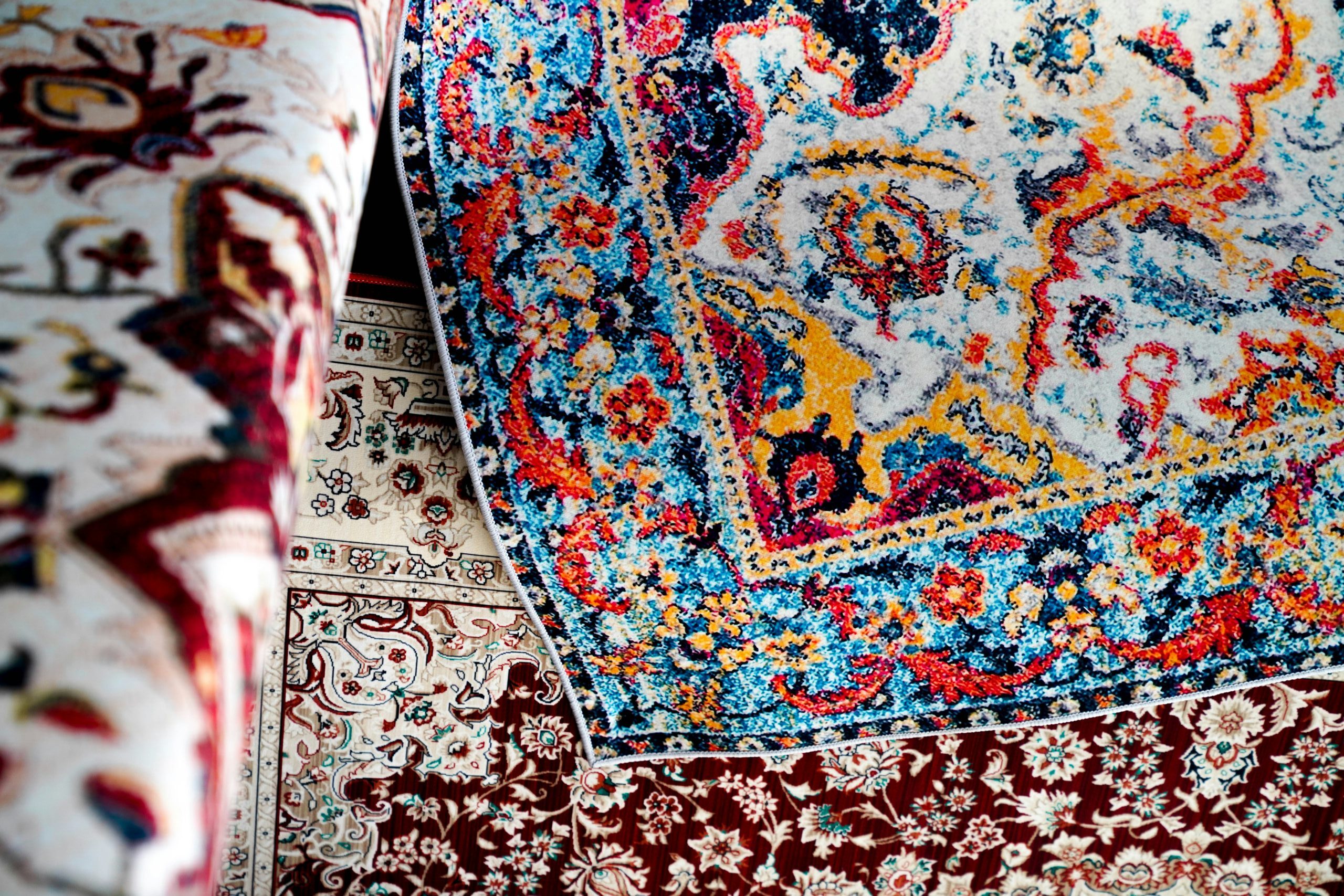
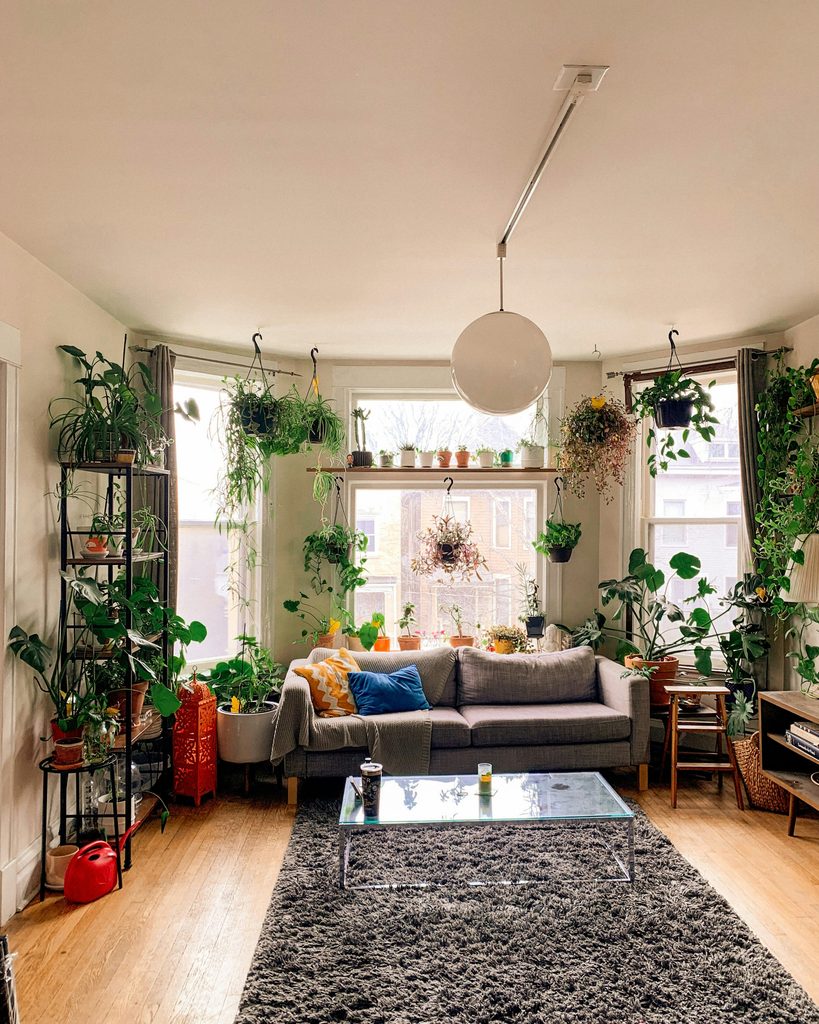
Colour and pattern are not only aesthetic decisions. They shape space too. Muted tones that sit close together form a calm, uniform backdrop that makes a room look larger and more orderly, which is especially useful in smaller homes. Bold patterns, on the other hand, bring character and a personal touch. Pay attention to the scale of the pattern, though. A large motif can overwhelm a small room, while in a bigger room a tiny, delicate design almost disappears and never gets to make its point.
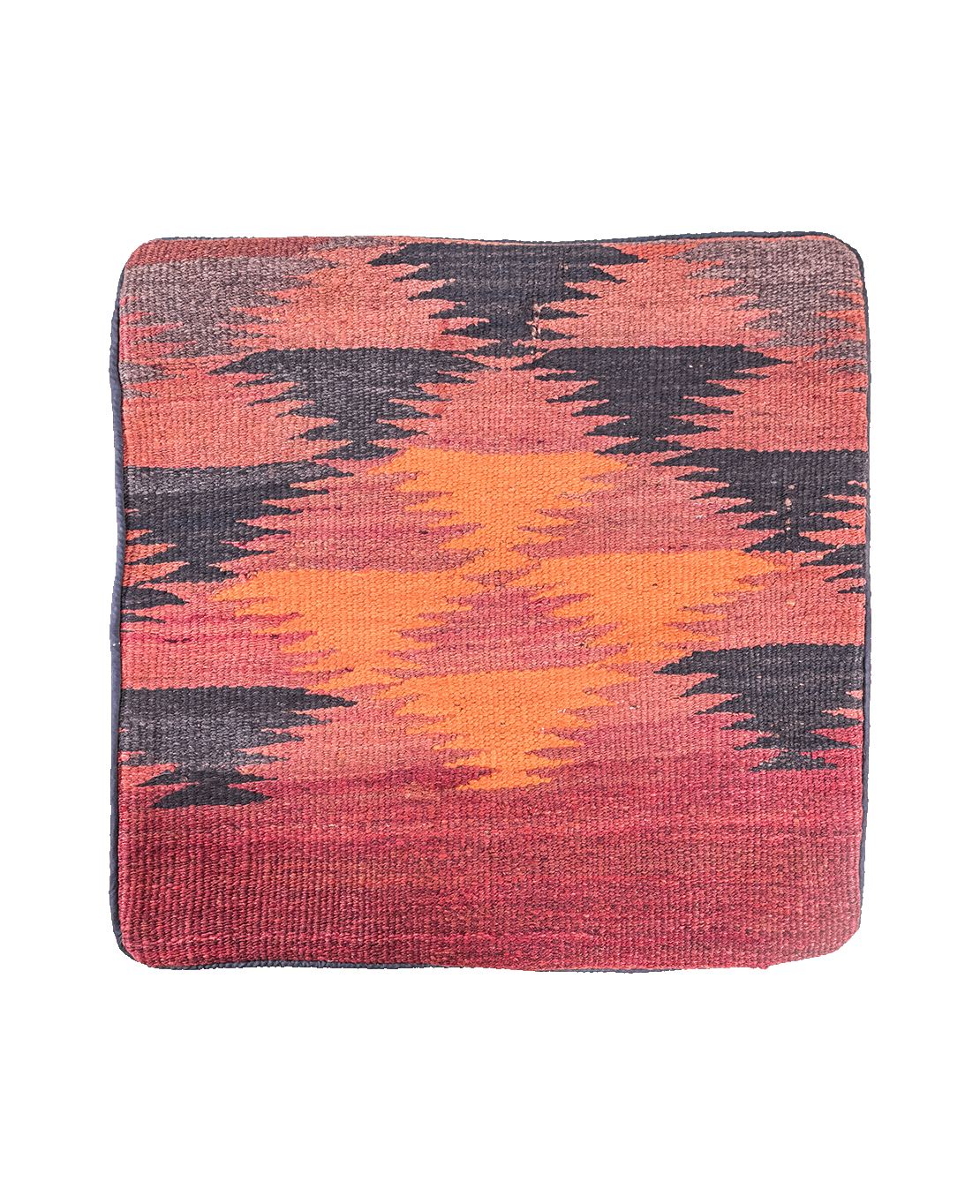
The mood of a colour counts as well. Warm tones such as terracotta, mustard and burnt orange feel friendly and inviting, while cooler shades such as blue, grey and green feel calmer, cleaner and more “airy”.
Defining Zones in Open-Plan Spaces
In open-plan homes, where the living room, dining area and perhaps the kitchen share one continuous space, a rug is one of the simplest ways to separate functional zones. No walls or dividers are needed. A rug under the dining table should be large enough for the chairs to stay on it when pulled out. For the living area, it is enough if the front legs of the sofa and armchairs rest on the rug, and that already pulls the seating group together into one whole.
If your home has several rugs, keep a shared colour palette or a common design thread between them. They don’t need to match, only to feel related. That way each room keeps its own character, while the home as a whole feels cohesive and thoughtfully put together.