Blog
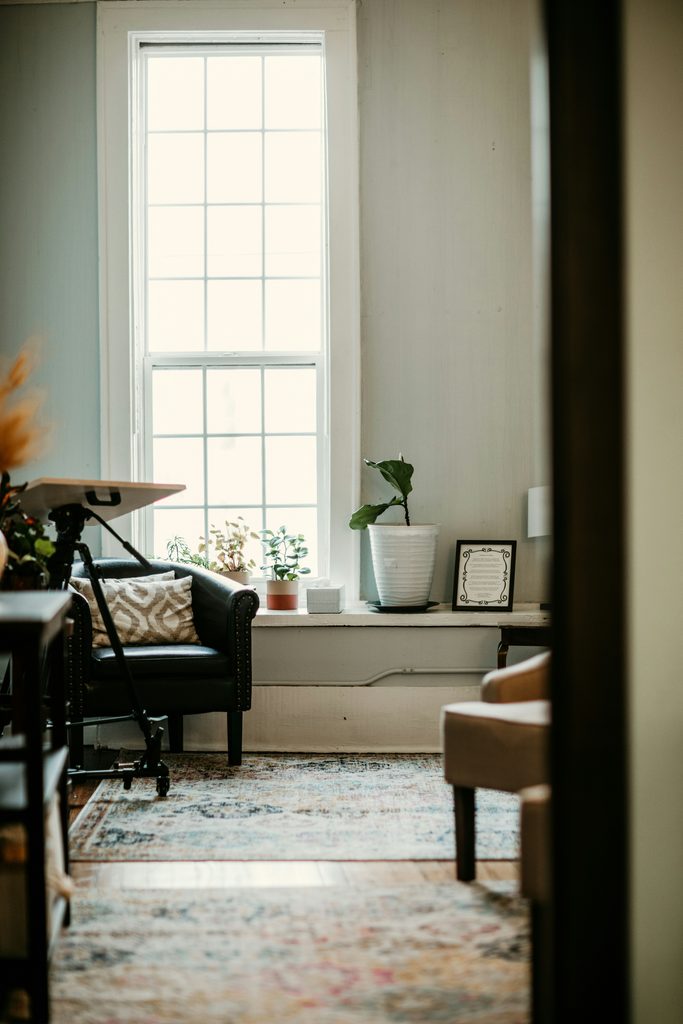
Plenty of people in Budapest live in compact, liveable homes. It might be a classic apartment-block flat, a two-room place in the city centre or a bright, uncluttered studio. Fewer square metres don’t have to mean a cramped feeling. With a handful of carefully chosen tools – a rug, lighting, furniture and a few practical tricks – you can make a small home feel bigger, even astonishingly spacious, without removing a single wall.
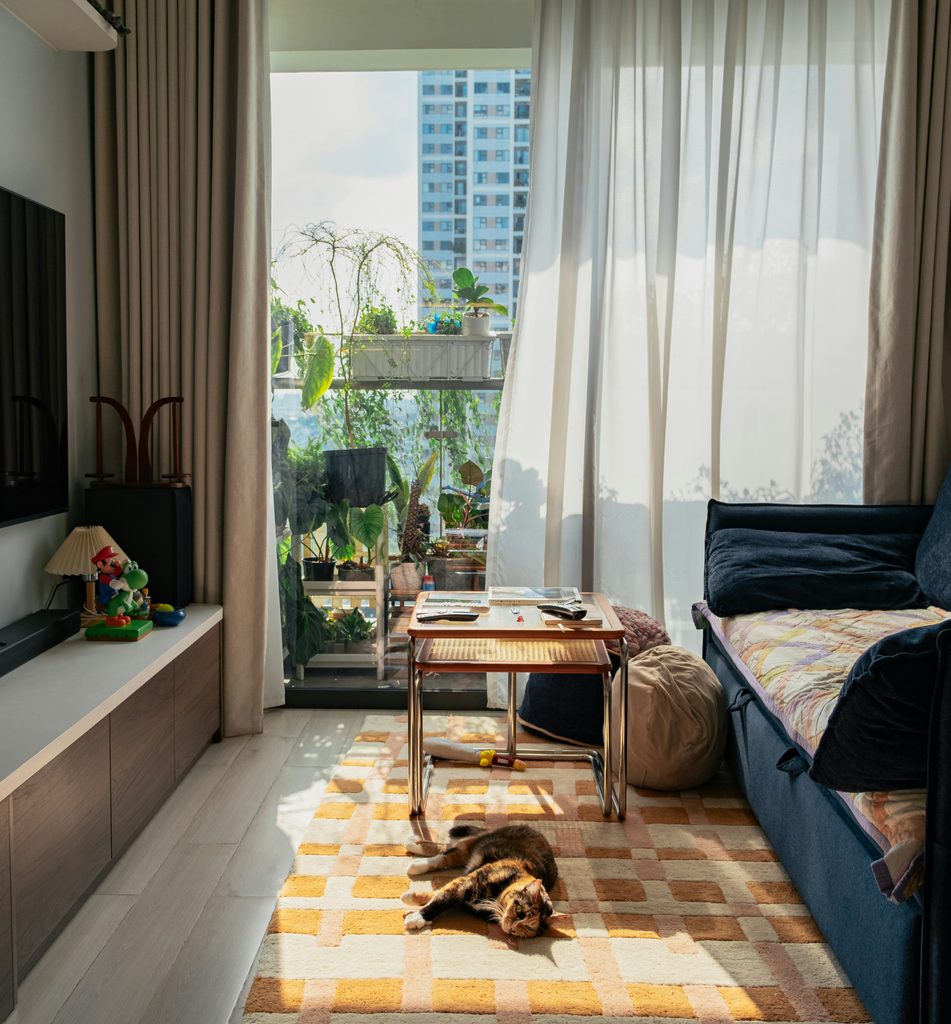
The rug: the foundation everything else builds on
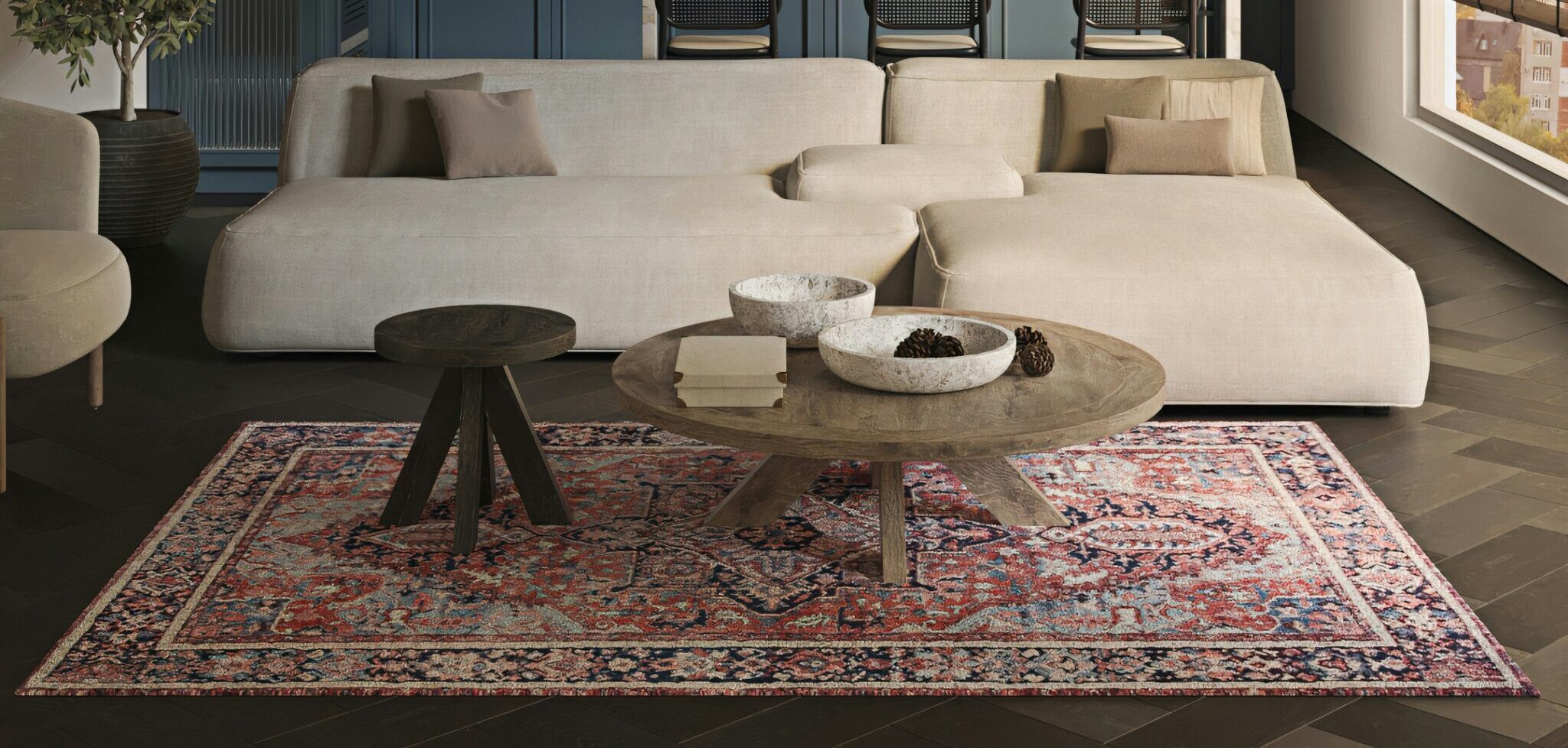
In a small home, the instinct is often to buy a smaller rug, as if that would save space. The opposite is true. A tiny rug floating like an island in an already tight room only chops up the floor and makes the space look smaller. It works far better when the rug reaches almost to the walls, leaving just a narrow strip of floor visible. The floor then reads as one unbroken surface, which matters a great deal when square footage is limited.
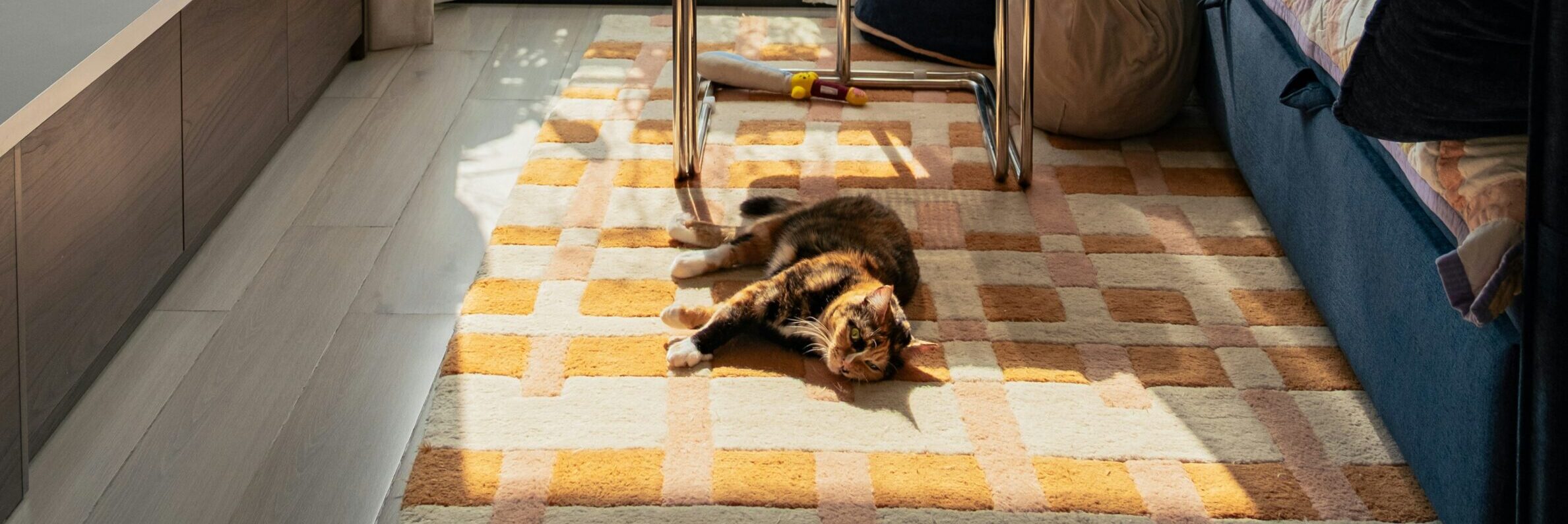
Choose a lighter piece in a tone close to your flooring, with a restrained pattern. A large, high-contrast design or a thick border can easily create a box-within-a-box effect in a small room. In narrow, elongated hallways and entrances, a runner softens that closed-in feeling beautifully. It stretches and guides the space instead of breaking it up.
Light and mirrors: the most budget-friendly ways to open up a room
In many older flats, a single ceiling light in the middle of the room provides all the illumination. That flattens the space and leaves the corners in shadow, which psychologically makes the room feel smaller, too. Combining several light sources at different heights is a far better way to make a small home feel bigger. A floor lamp, a table lamp and one or two spotlights together create a deeper, more layered atmosphere than one strong overhead light.
A mirror is one of the quickest and most affordable ways to gain space. Placed opposite a window or beside a light source, it literally doubles the incoming light. It also seems to push the wall behind it further back. This is especially welcome in the dark entrances and bathrooms that many older apartment blocks have. Pay attention to the colour temperature of your bulbs, too. A warm light of 2700–3000 kelvin makes a small space feel far homelier than a cold, formal white.
Furniture that works for you
In a studio or open-plan home, every piece of furniture should ideally do more than one job. A sofa bed, an extendable dining table and a pouffe with hidden storage are all good examples. They take up no more room than necessary, yet they do far more. Just as important is what the furniture stands on. A sofa or shelf on slender legs, with a strip of floor visible underneath, feels much airier than solid, floor-length furniture that visually weighs the room down.
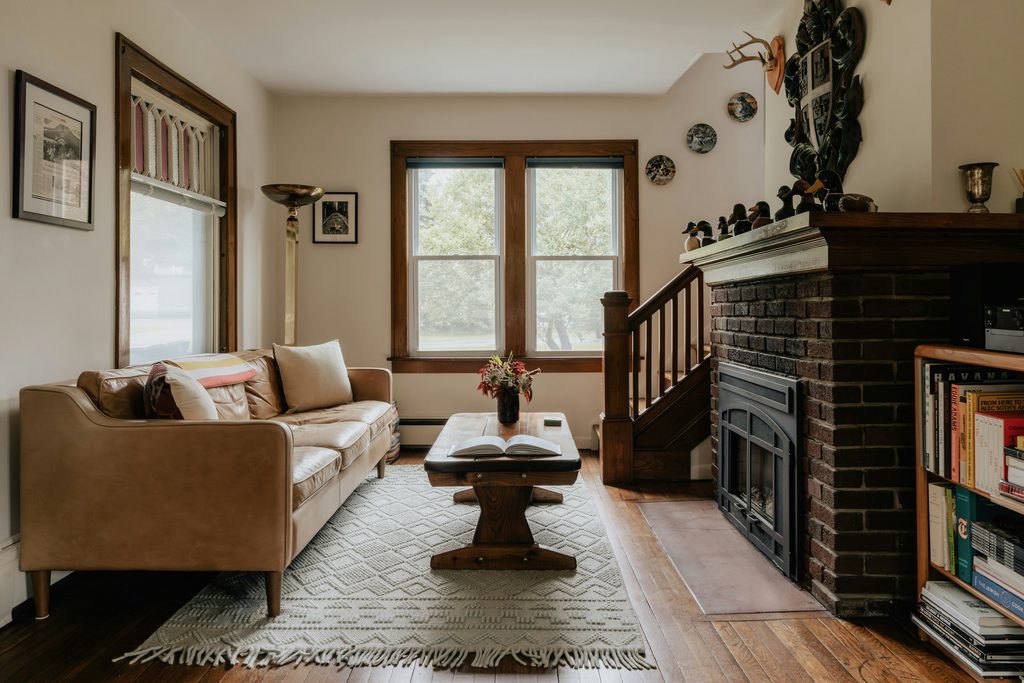
Wall-mounted floating shelves and desks free up the floor completely, which instantly helps make a small home feel bigger. Since they rarely need major alterations, they can be rearranged or replaced whenever the layout or purpose of your home changes.
Zones without walls: the open-plan trick
Living, sleeping and working in a single room can easily feel chaotic when there are no clear functional boundaries. Here, the rug is one of the simplest tools you have. A rug under the bed or around the seating area shows at once where a zone begins and ends, with nothing to build. A low bookcase or a curtain track can divide the space too, without blocking light or airiness.
There is one more advantage to this approach: nothing is built in. Every element – rug, furniture, curtain – can be moved and rearranged freely if the layout or mood of your home ever changes.
Less, but better: the role of accessories
In a small space, the amount of decoration shows far more than in a larger home. A few small objects are fine, but ten or fifteen start to look crowded. It is wiser to focus on fewer pieces with greater impact. A striking painting, a beautiful rug or a distinctive lamp gives a room more than a shelf full of little knick-knacks.
Curtains have a simple trick of their own. Mount the rail higher and wider than strictly necessary, ideally almost at the ceiling, and both the window and the wall look taller and wider. This pays off especially in homes with lower ceilings, and it takes very little effort.