Blog
Minimalism and maximalism sit at opposite ends of interior design. One finds beauty in restraint, the other in abundance. At first glance, a rug seems to belong to only one camp. In fact, you can choose a rug for either style, because it plays a key role in both. It simply follows a very different logic.
Minimalism: less, but with intent
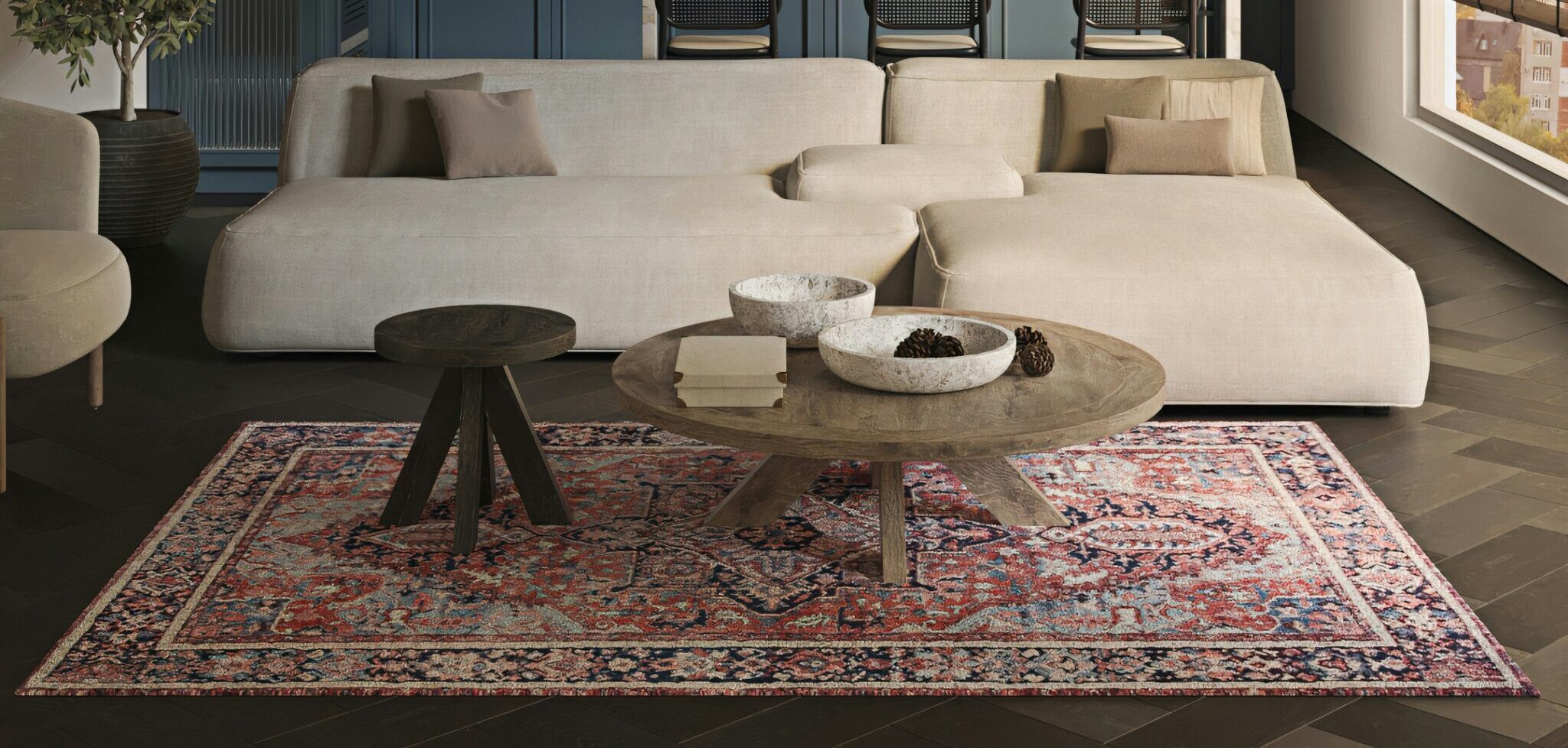
A minimalist interior is not about emptiness. It is about intention. Every object has a purpose and a place, and nothing makes the cut just because it “looks nice”. Here, the rug is not decoration. It is a carefully chosen foundation: understated, plain or softly textured, made from natural fibres in a muted tone. This works so well because fewer elements compete for attention. Each piece carries more weight. When you choose a rug for a minimalist room, texture matters more than pattern or colour. The rug draws the eye through touch and material. A dense woven wool or a fine, low pile brings enough warmth and texture to keep the room from feeling cold or impersonal. Warm to the touch, yet still calm to the eye.
Maximalism: more, and bolder
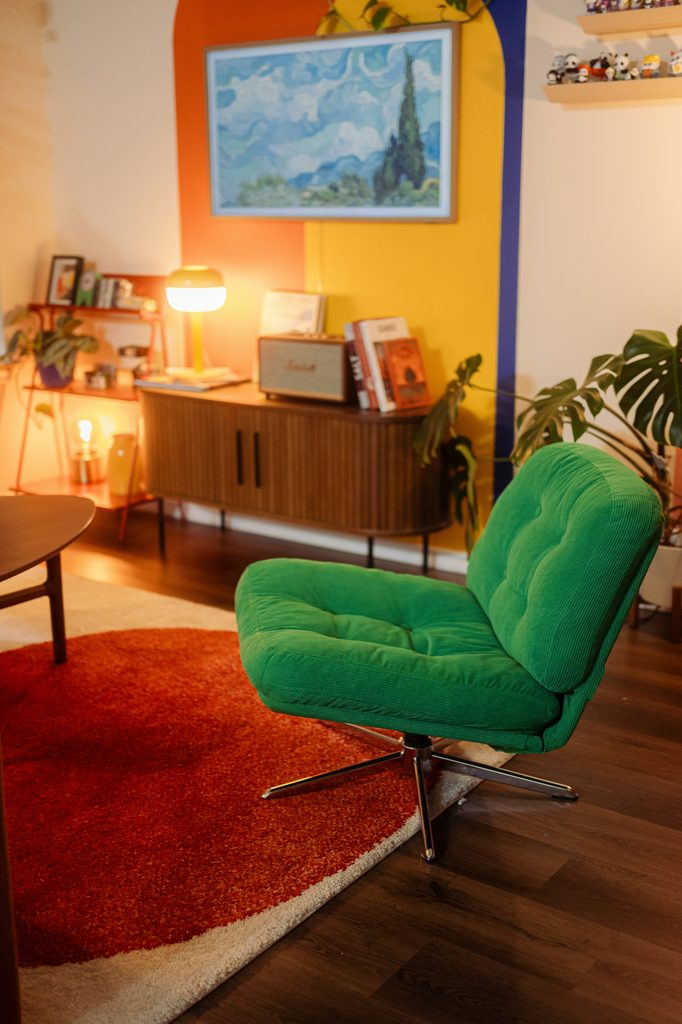
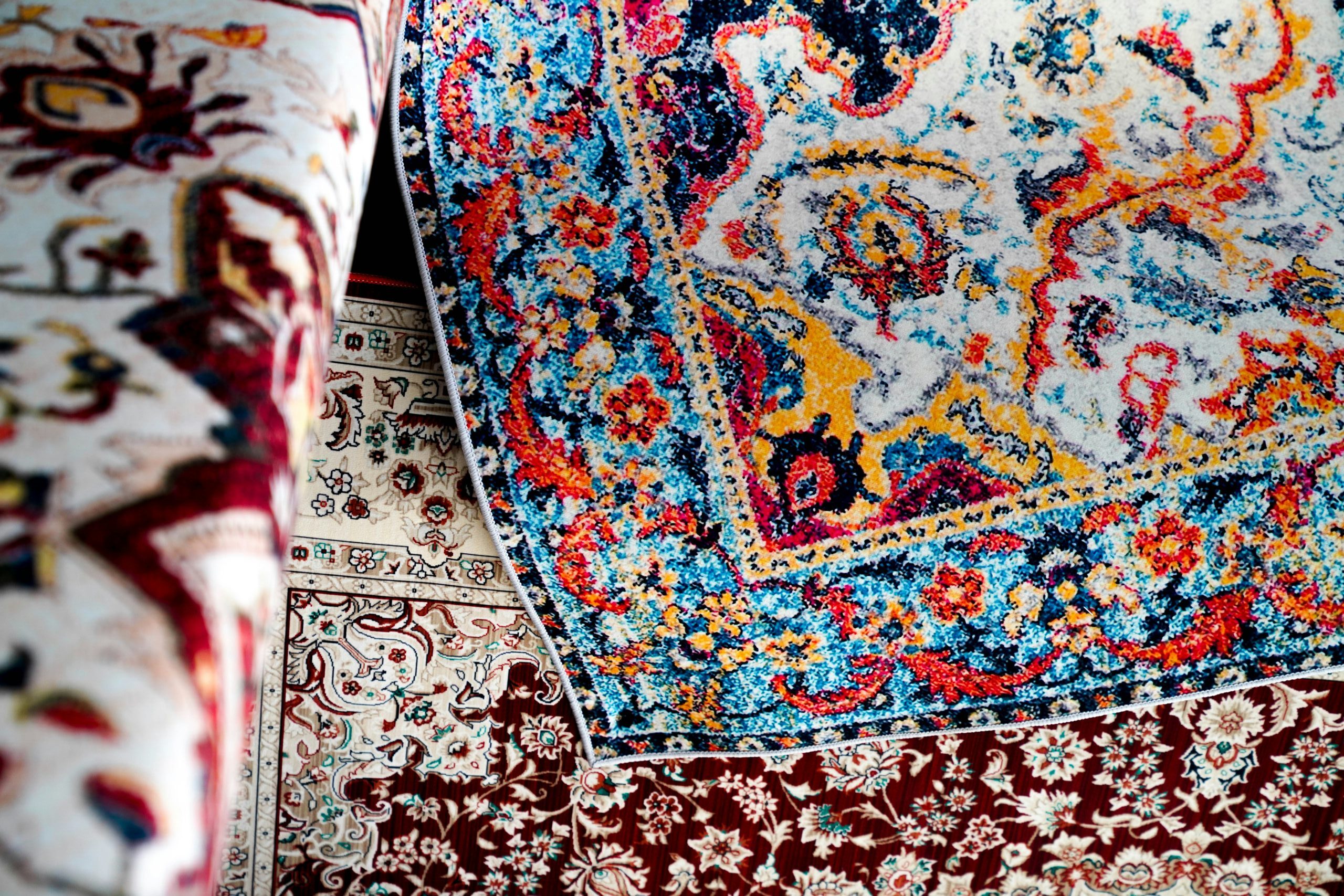
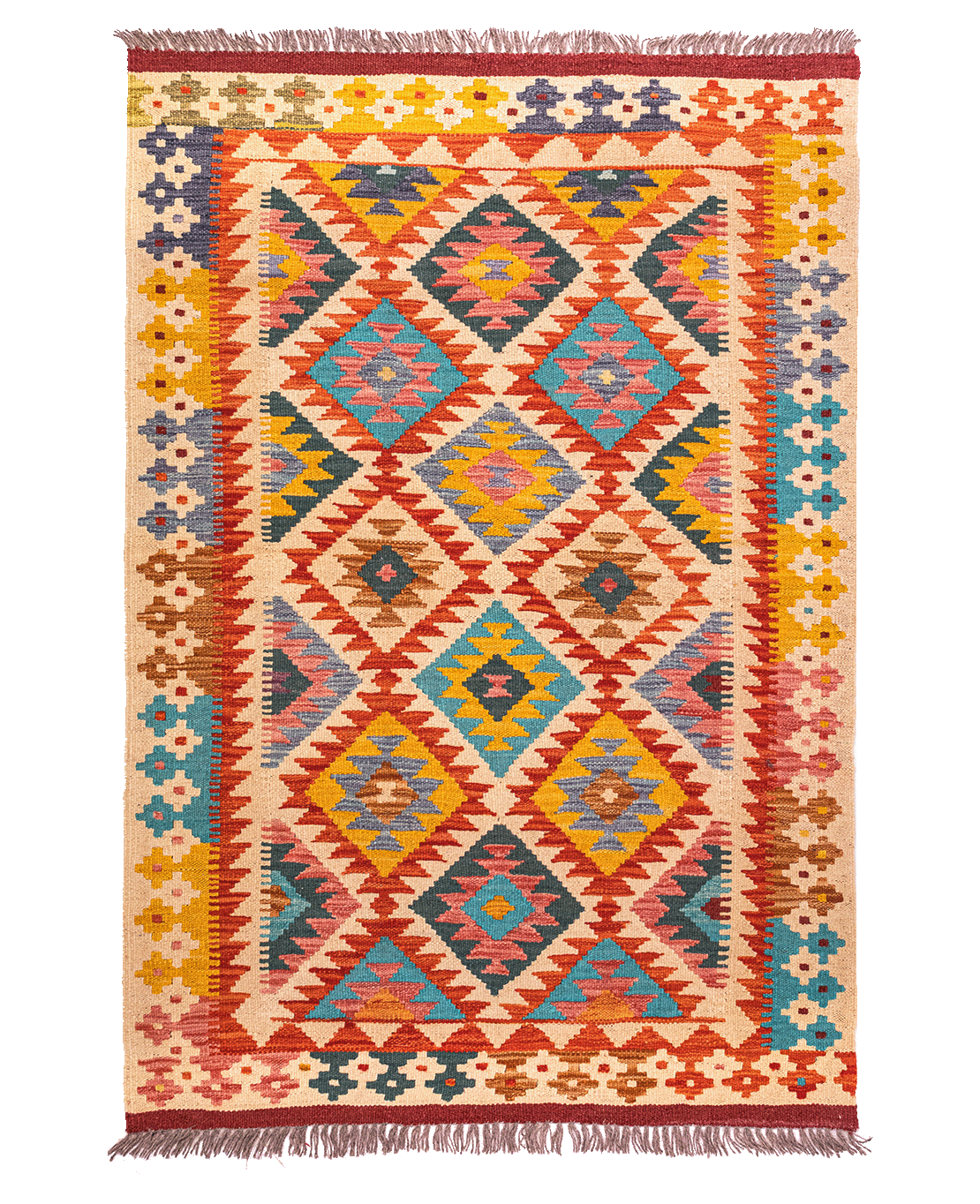
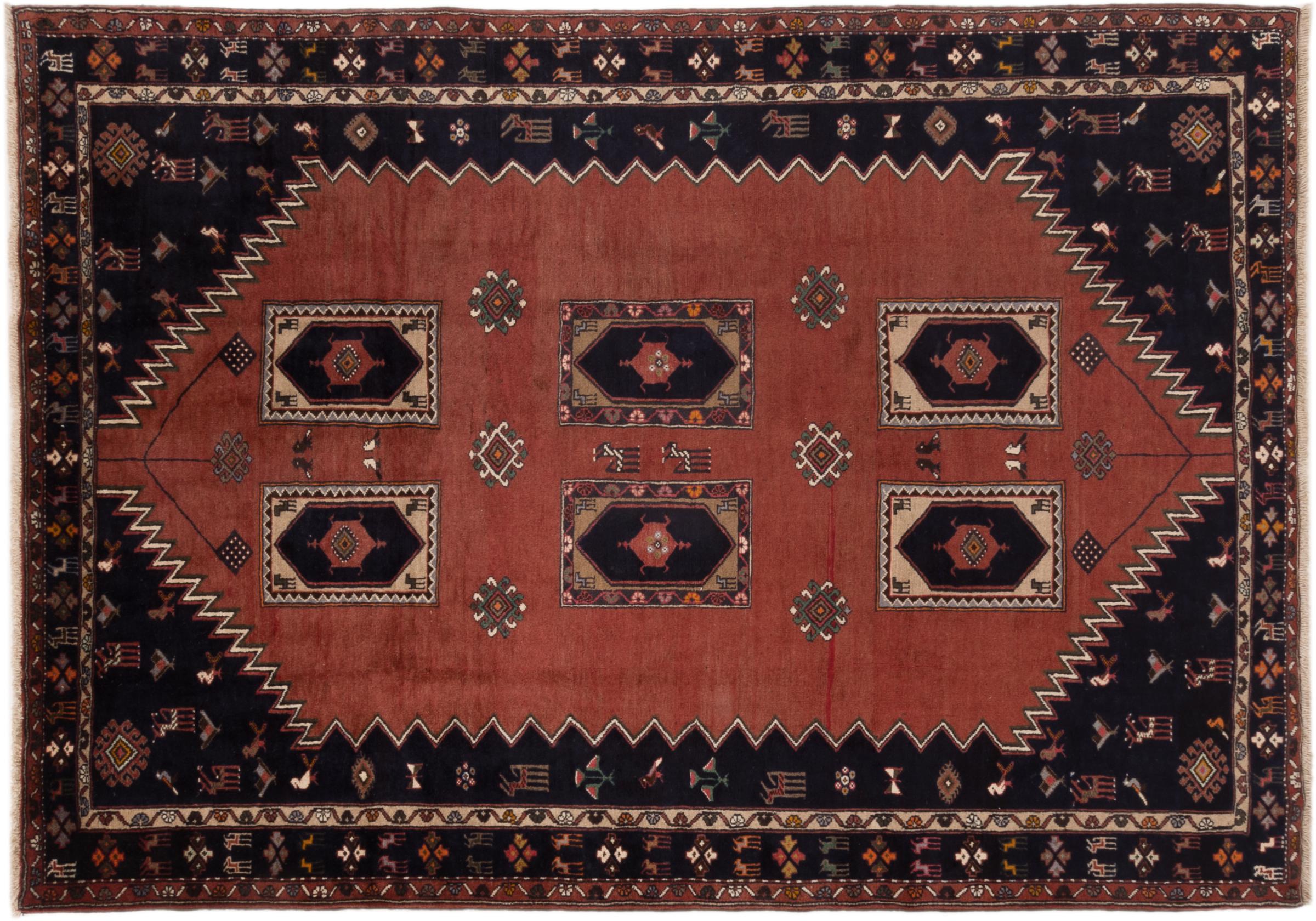
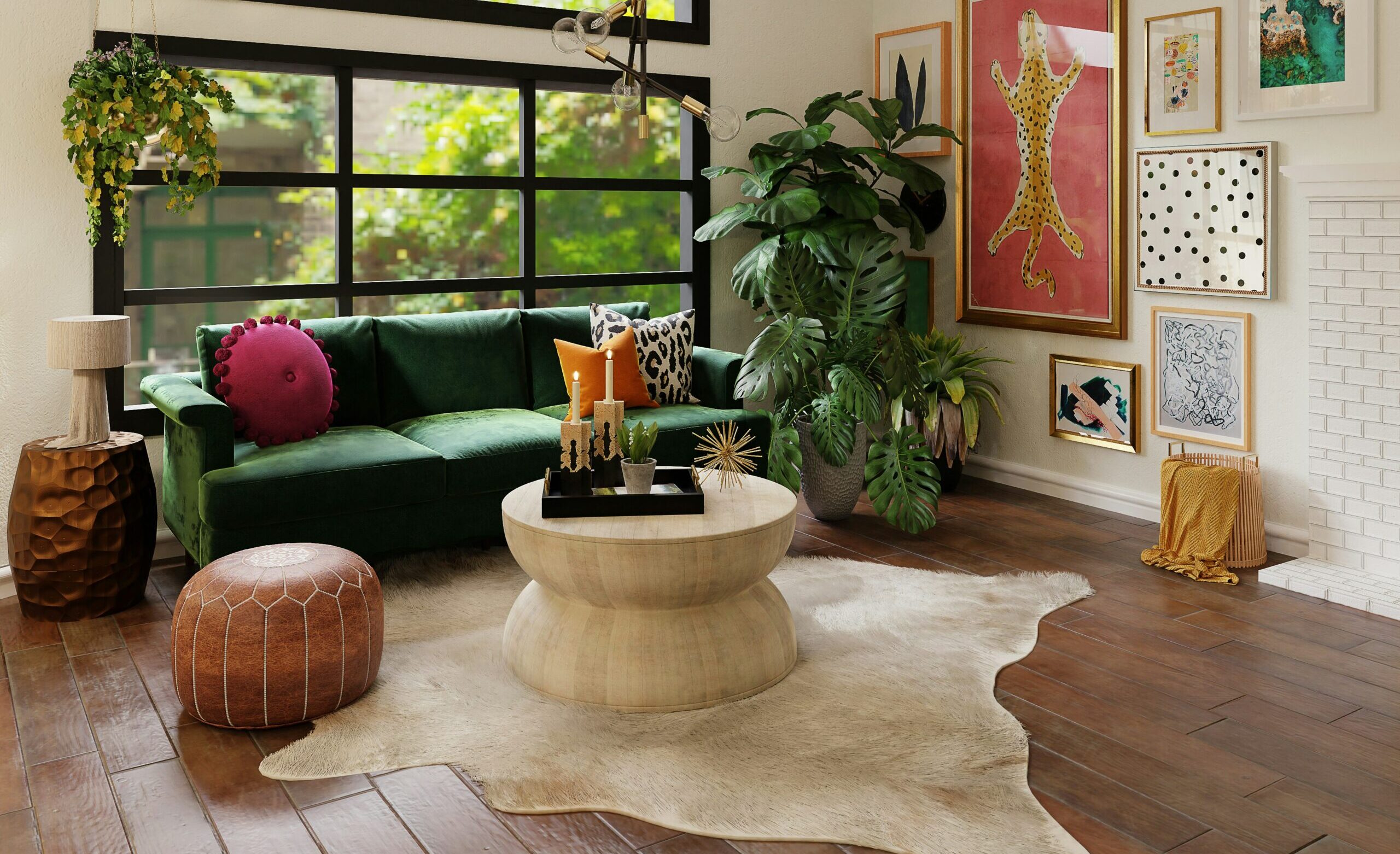
Maximalism follows the opposite principle. Layers, colour and pattern are not distractions here. They are the whole point. In a maximalist room, the rug is often one of the most important pieces, the one that sets the mood for the entire space. Wall colours, textiles and accessories are frequently built around it, not the other way round. Choose a rug here, and you are often choosing the starting point of the whole room. Different kinds of rugs take centre stage: bold patterns, saturated colours, even pieces layered on top of each other. They are happy to compete with everything else in the room. That works because maximalism isn’t after harmony. It looks for richness and contrast. A vintage-patterned rug topped with a smaller one in a different design delivers exactly the complexity this style is about. The goal isn’t for every element to hold back. It is for them to come together as one exciting, layered whole.
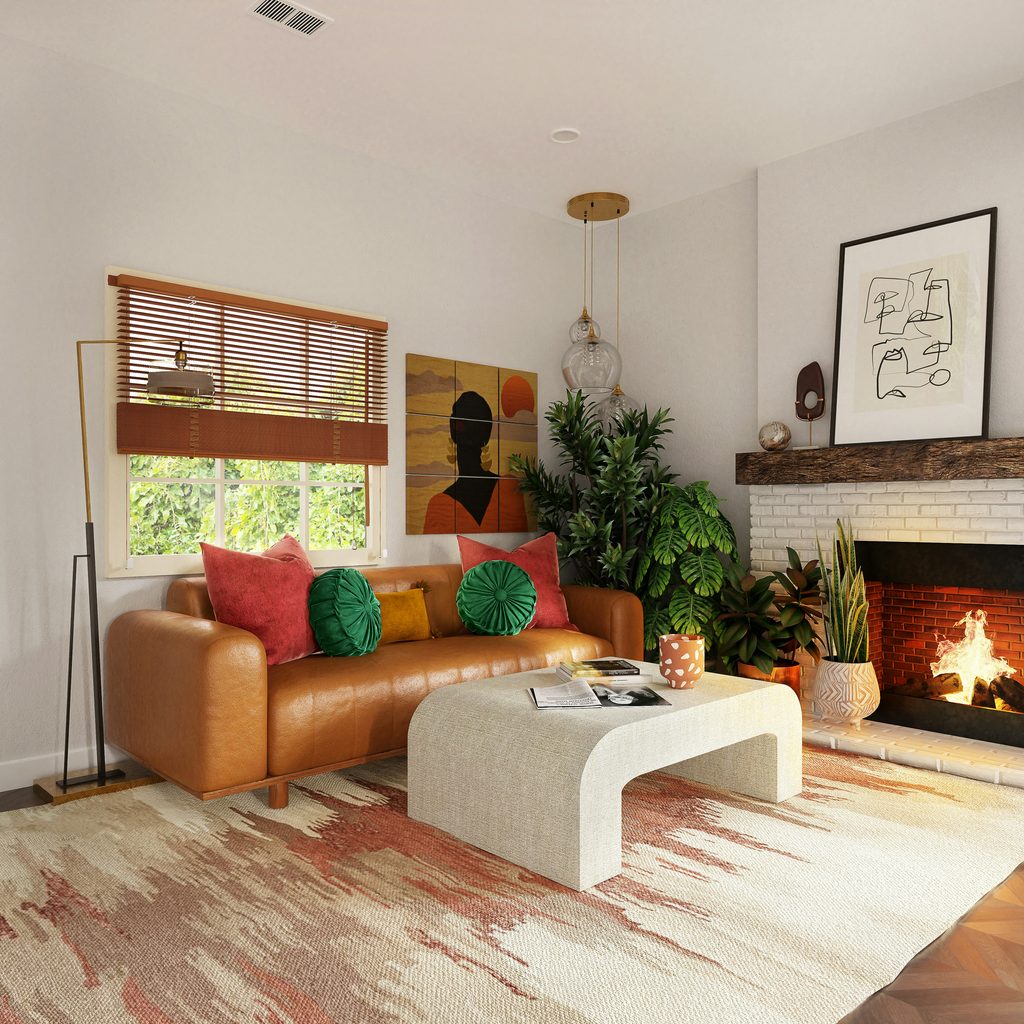
One rug, two very different interiors
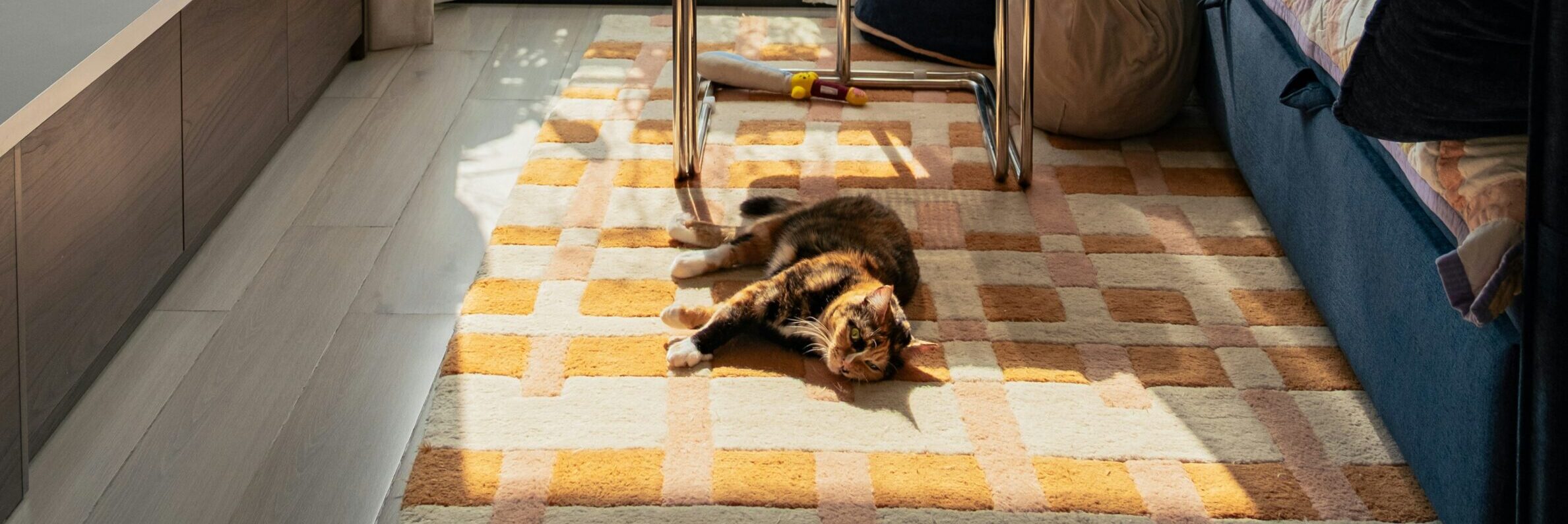
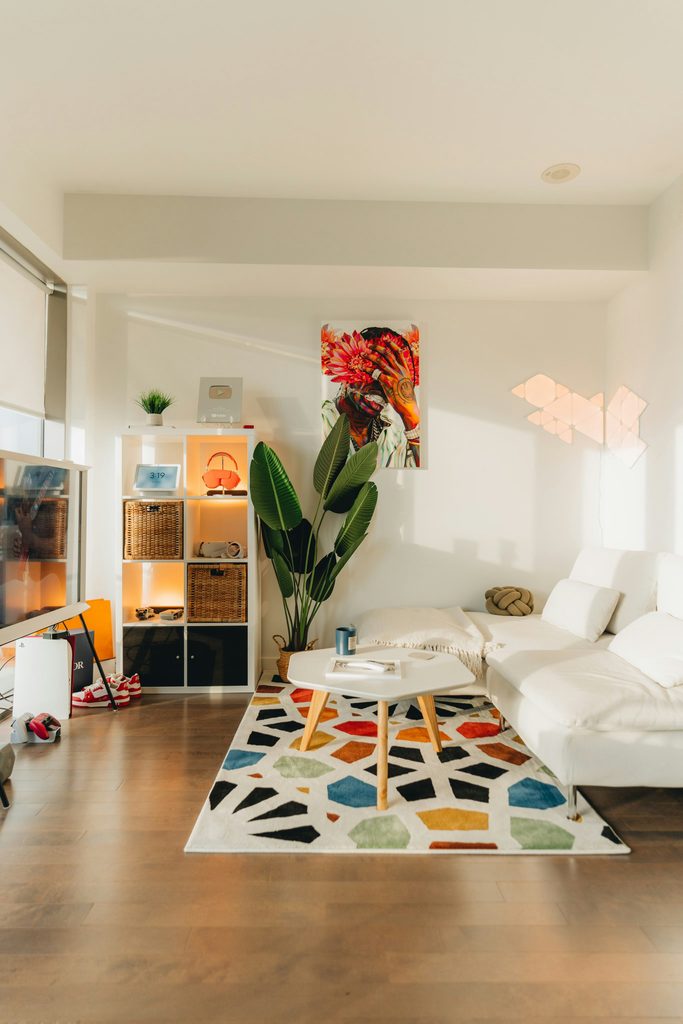
Interestingly, the rug itself doesn’t always decide whether a room reads as minimalist or maximalist. What surrounds it often matters more. Take a rug in a muted tone with a subtle geometric pattern. In a minimalist living room, with just a few well-chosen pieces of furniture and an accessory or two, it becomes the only patterned surface. It can “breathe”. Its delicate pattern shines, and the calm of the room stays. In a maximalist space, the same rug plays a different part. A smaller rug with a bolder pattern may be layered on top. The walls take on livelier colours and patterned textiles, and the furniture has more character. Here the rug is no longer the lead. It is one layer in a richer composition.
That abundance shouldn’t be random, though. The layers need careful curation here too, so the room feels deliberately layered rather than cluttered. Lighting can shape the mood even further, coloured light included. A statement lamp or atmospheric lighting can add a new dimension to the colours of the rug and textiles. The pattern stays the same, yet the effect is completely different. The setting changes how we read the space. That’s why, before you choose a rug, it pays to look at the room around it.