Blog
Interior design trends are changing faster than ever. One year, warm earth tones take centre stage. The next, bold patterns or entirely neutral interiors become popular. It is easy to feel that creating a modern home means constantly keeping up with new trends. Yet a successful interior does not depend on every element being fashionable. What matters more is knowing which choices can follow current trends and which deserve a long-term investment. The best interiors usually combine both approaches. Their foundations remain timeless, while smaller details can change from time to time. This keeps a space from looking dated too quickly, while allowing it to feel fresh and personal.
What should you choose according to current trends?
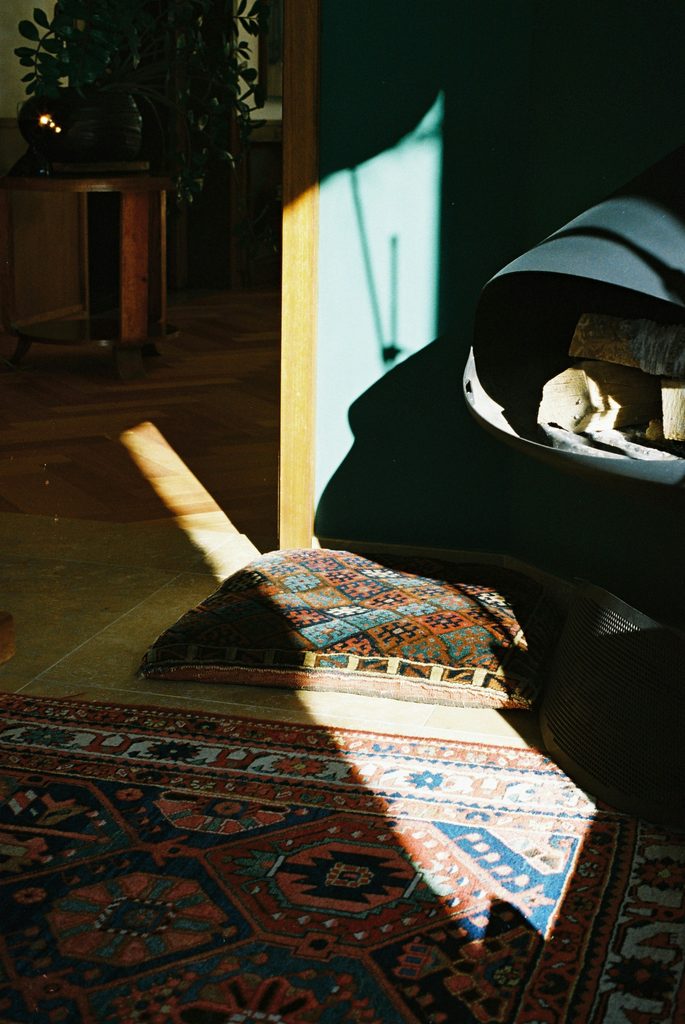
Trends work best with items that are easy to replace or move around. Decorative cushions, vases, lamps, occasional tables and accessories are all relatively low-risk ways to embrace a fashionable look. The decision becomes more significant when choosing furniture intended to last for decades. These pieces should not be replaced simply because tastes have changed. This does not mean buying every fashionable object you see. Instead, pick out the trends you genuinely like rather than building an entire interior around them. If a particular colour or shape is especially popular, a few smaller accents may be all you need. If your tastes change in a few years, these pieces are easy to replace. There is no need to rethink the whole room. Decorative accessories are therefore the most flexible layer of a home. They offer room to experiment and explore new moods. Even a familiar space can take on a completely different character with a few thoughtful changes.
Where it pays to invest for the long term
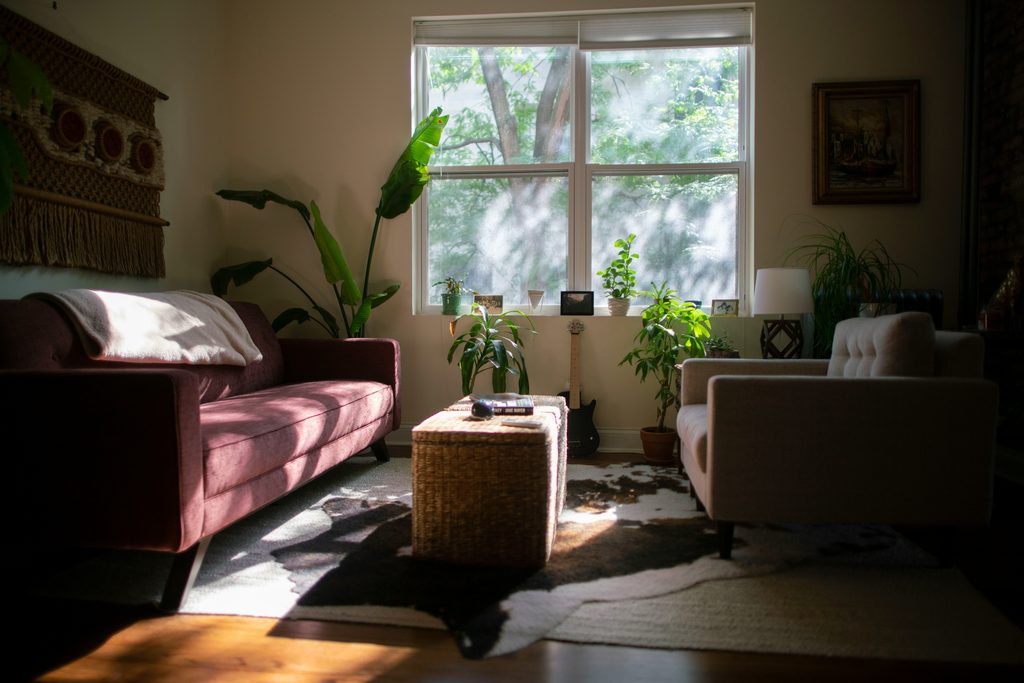
Larger furniture pieces require a different approach. A sofa, dining table, wardrobe or well-made armchair is not intended to last just a few years. Proportion, material quality and comfort matter more here. Versatility is also important, as these pieces should work in different interior styles. Timeless furniture does not have to be traditional or old-fashioned. It can be distinctly modern, too. The key is to avoid designs defined by the most recognisable features of a short-lived trend. A simply shaped sofa made from quality materials, for example, can adapt to many different settings. New cushions, a different rug or distinctive accessories can give it a completely new look years later. That is why long-term practicality should take priority over passing trends when choosing furniture. A well-chosen foundation offers plenty of scope for future changes. A highly distinctive, trend-driven piece, however, can dictate the mood of the entire room.
Colours: where should you follow fashion?
When choosing colours, the surface matters just as much as the shade itself. Repainting a wall or replacing a large piece of furniture is more difficult and expensive than changing a cushion cover or vase. For this reason, smaller details are often the best place to introduce fashionable colours. If you love a bold terracotta, olive green or deep burgundy, for instance, you do not need to build the entire room around it. An armchair, a few textiles or small decorative pieces may be enough. The colour becomes part of the interior without dominating it. For larger surfaces, a versatile palette offers a better starting point. Natural, neutral tones can be paired with a wide range of stronger colours. This keeps the overall atmosphere consistent while leaving room for smaller changes. The approach works particularly well when you want to experiment with new shades a few years down the line.
Patterns: be bold, but choose thoughtfully
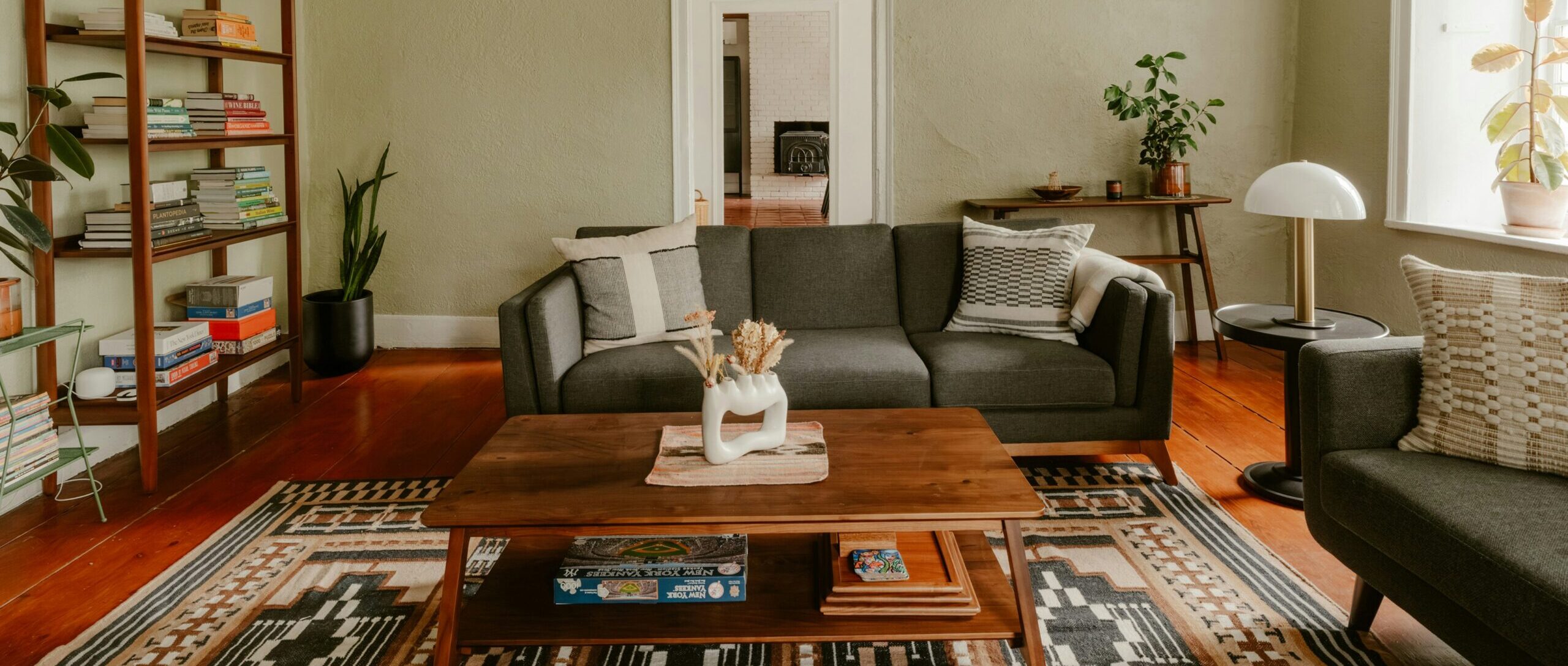
Patterns can give a room a strong sense of character, which makes balance especially important. A bold geometric, floral or ethnic design can shape the mood of an interior for years. When choosing a large, statement pattern, it is therefore worth asking whether you genuinely love it. Do not choose something simply because it is everywhere at the moment. A passing trend can quickly lose its appeal. A pattern that means something to you, however, can remain special long after the trend has faded. Smaller patterned accessories are an excellent way to experiment with current styles. Patterned cushions, small artworks and decorative objects are easy to replace. If you choose a bold design for a large rug, consider pairing it with quieter furniture and textiles. This allows the pattern to stand out without making the room feel overcrowded.
What about rugs?
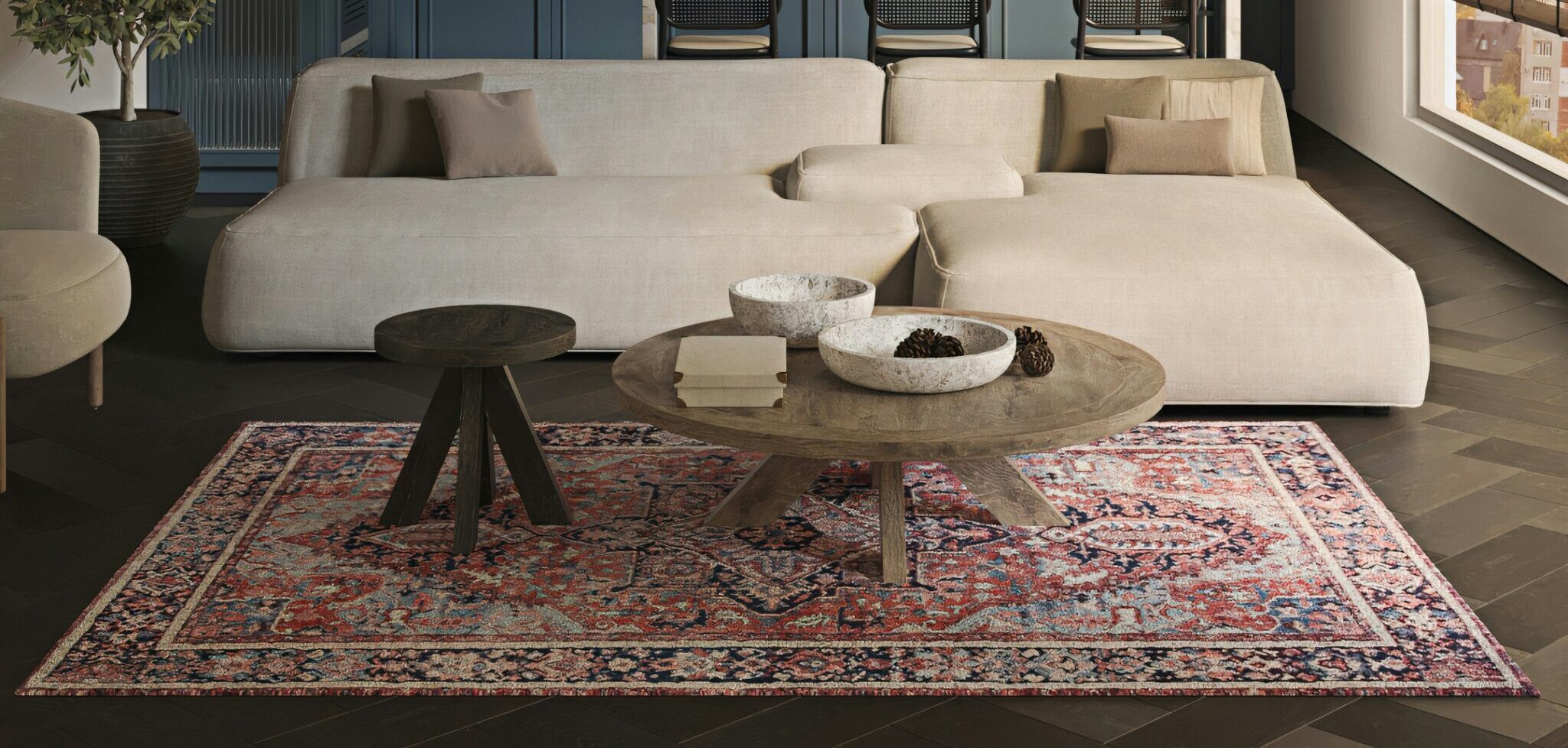
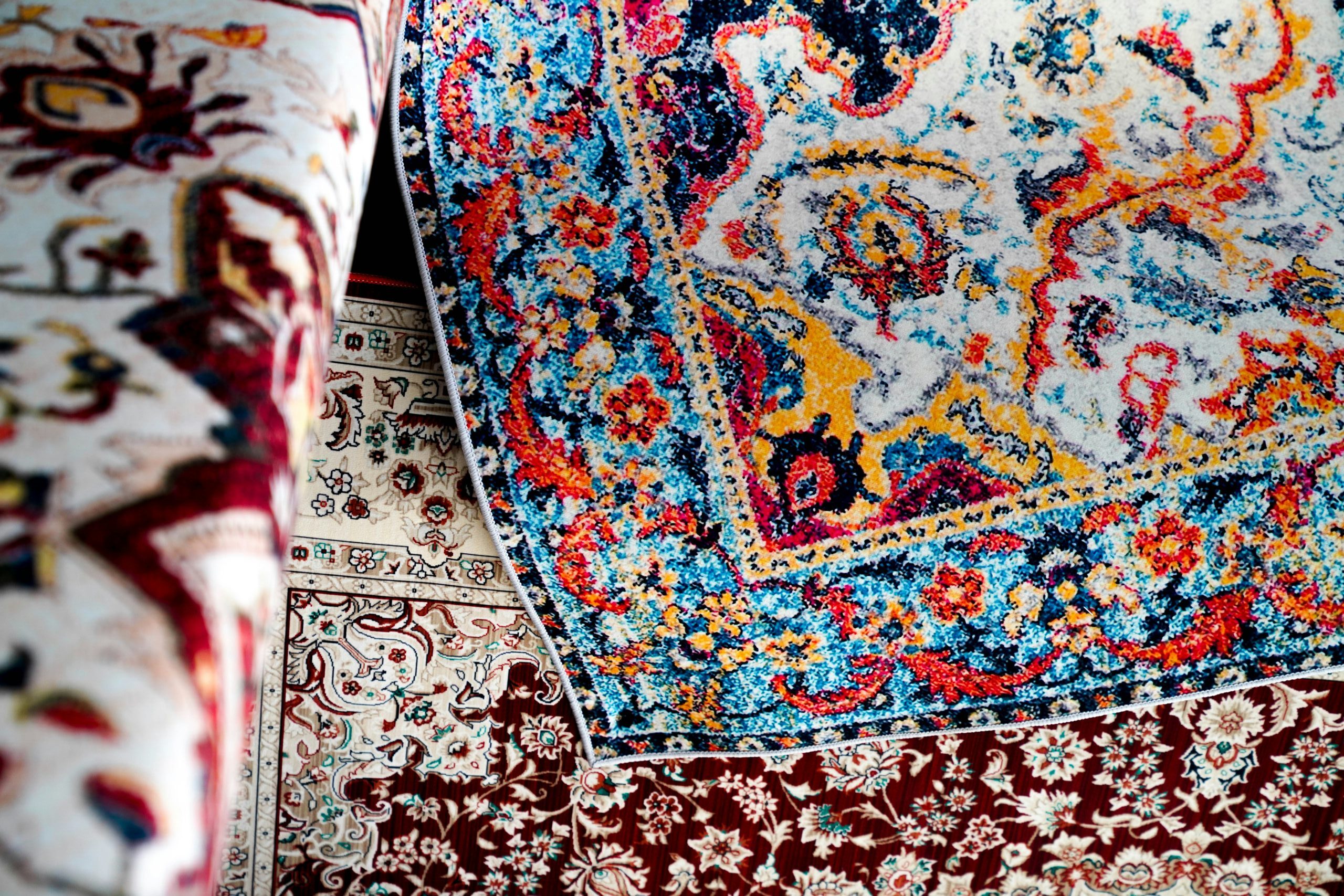
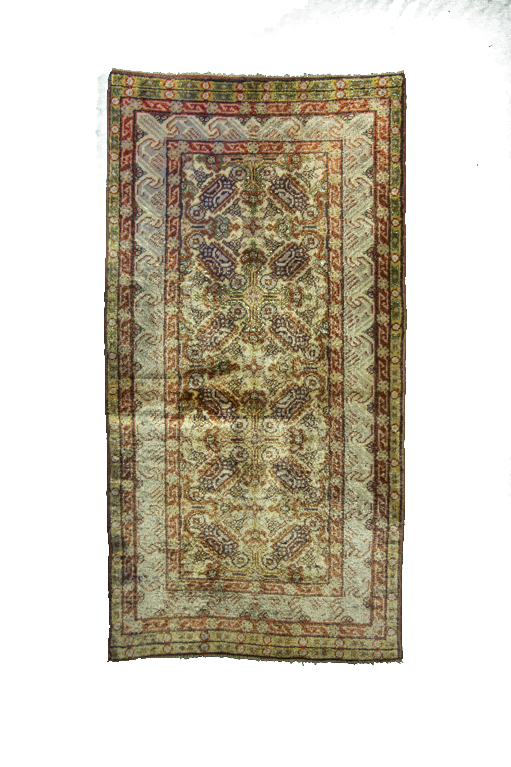
Rugs occupy a special place between passing trends and timeless design. They cover a substantial area while also acting as a defining decorative feature. As a result, they can have a powerful influence on the entire interior. When choosing a well-made rug with a distinctive character, there is no need to chase the latest trends. A hand-knotted Persian rug, a vintage piece or a design with a classic pattern can work beautifully for decades. One of their greatest advantages is that they are not tied to a single era. The right rug can feel equally at home in a modern or traditional setting. At the same time, a rug offers more freedom to experiment than a large piece of furniture. Introducing a bold pattern into a restrained interior can give the whole room a fresh new feel. A vintage rug with an unusual colour palette, for example, can transform a modern living room. There is no need to replace the sofa or other major furniture pieces. When deciding between a trendy and a timeless rug, start by considering the role it will play. Are you looking for a long-term foundation or a striking accent? Both can be excellent choices, but each serves a different purpose in the room.
How can a classic interior feel contemporary?
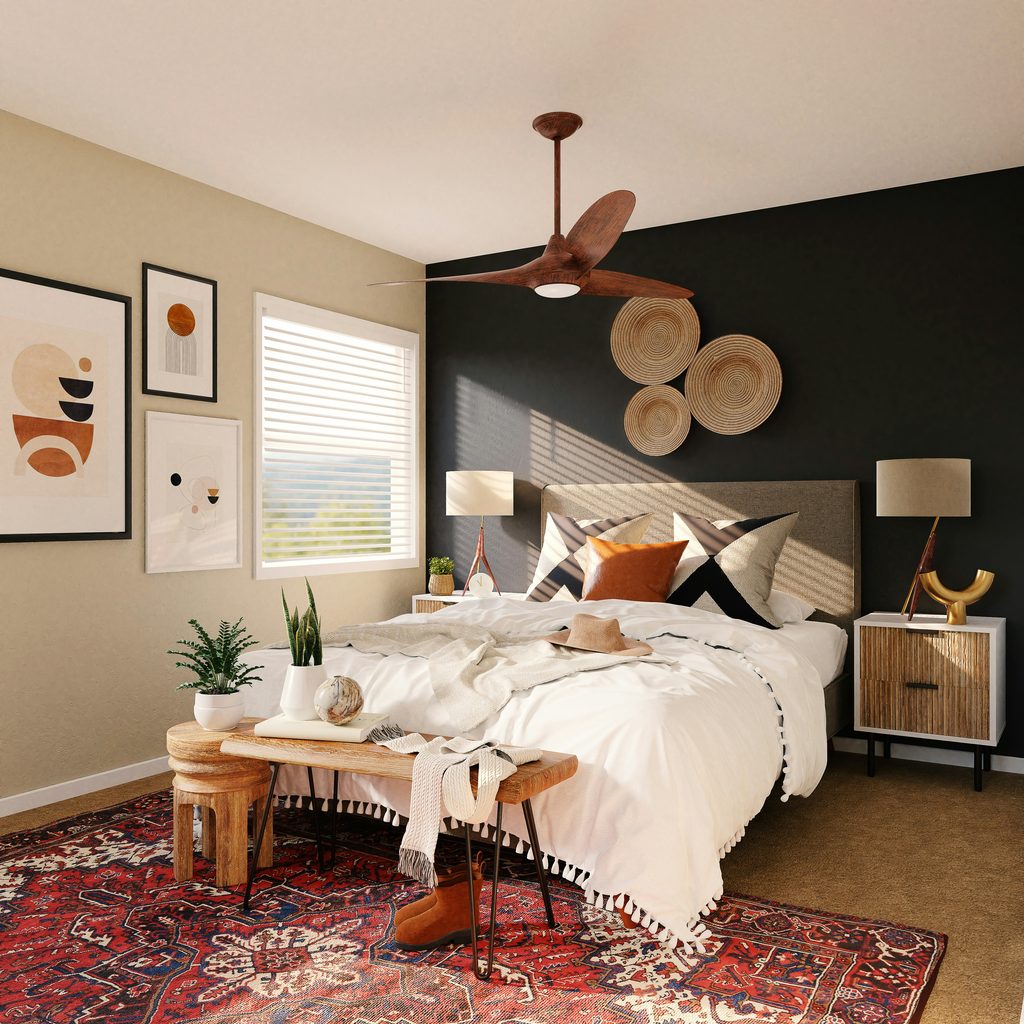
A classic interior does not have to remain unchanged. One of the most appealing approaches is to combine traditional foundations with contemporary details. Modern lighting, contemporary artwork or an armchair in a fashionable colour can all work beautifully alongside more traditional furniture. An antique or classically patterned rug can also take on a fresh new character when placed among simple, modern furnishings. The aim is not to make classic and contemporary pieces look identical. Their differences are what make the combination interesting. The history of an older piece and the freshness of a contemporary object can create a more personal interior. Rather than copying the look of a single era, the room becomes a meeting point between different periods.
A well-designed interior is never finished overnight
Perhaps this is the most important point: a home does not need to look as though it was furnished in a single day using one catalogue. The most interesting interiors often develop gradually over time. Think long-term when choosing larger, more expensive items that are difficult to replace. Introduce trends through smaller details that can be changed with ease. This allows your home to feel both current and personal. It also keeps its character intact whenever a new interior design trend appears. A truly timeless home is not necessarily free of trends. Instead, it has a lasting foundation and the flexibility to evolve alongside the people who live in it.