Armenian rugs

Armenian rugs preserve the legacy of an ancient Caucasian craft tradition. Their designs feature dragons, birds and legendary animals. Over time, the decoration became more refined, with floral motifs taking a more prominent role. They reached Europe relatively late, so for centuries they remained little-known treasures. Even today, they retain a distinctive character and atmosphere.

An Armenian rug is a knotted Caucasian rug dating from the 16th and 17th centuries. Among the peoples of the Caucasus, Armenians are considered some of the earliest rug makers. This view is supported by the fact that many rug motifs correspond to some of the oldest decorative traditions found in Armenian-inhabited regions.

These motifs include dragons, phoenixes and animal figures on early examples, while later rugs feature mainly palmette designs. Distinct types of early Armenian rugs include tree, bird and Bastard rugs. Their central fields display archaic motifs, while the borders are relatively simple.

They first reached Europe around 1880, where they were known as Kuba rugs. The Museum of Applied Arts in Budapest also holds an Armenian rug in its collection.
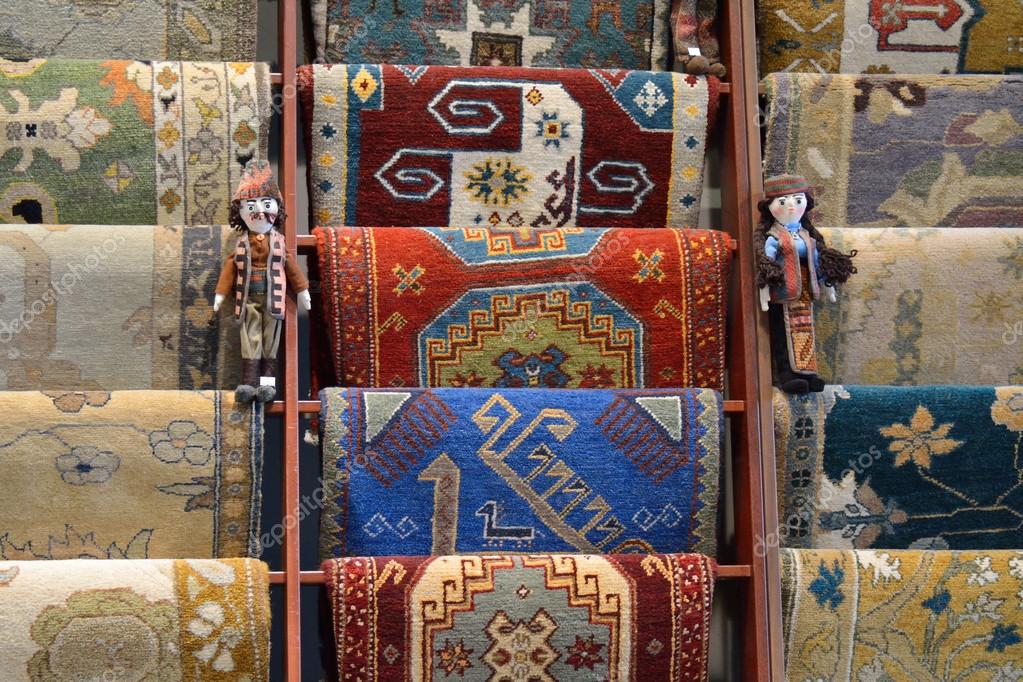
depositphotos_48474159-stock-photo-traditional-armenian-carpets

More recent Armenian rugs showing Persian influences, such as Urfa and Sivas rugs, are produced on an industrial scale.
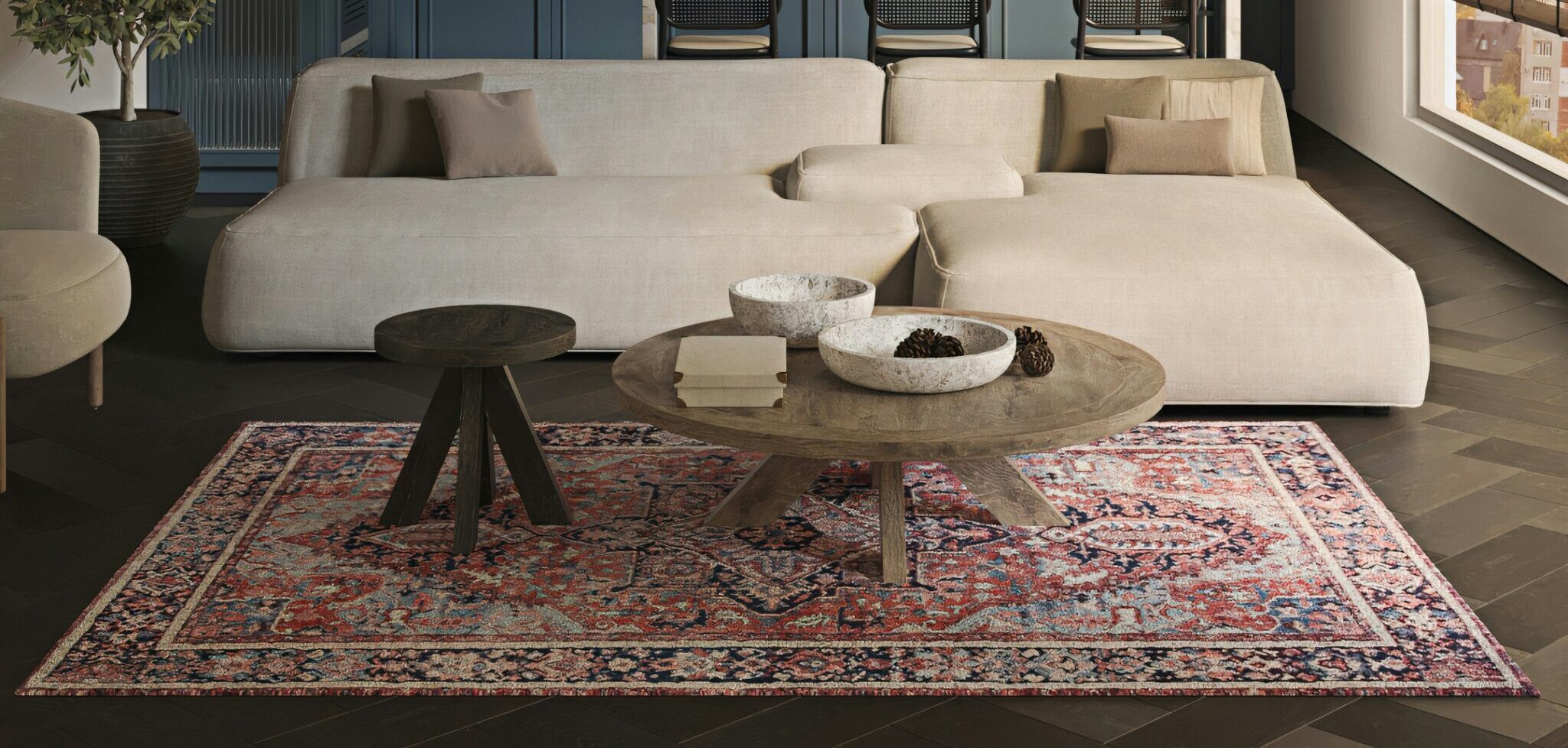
Source: Wikipedia

Szeretne elsőként értesülni a legújabb híreinkről és linformációinkról?

Cikkeink hasonló témában

Trends or timeless pieces? How to create a home that stands the test of time

A well-designed home does not need to follow every interior design trend. Discover which furniture, colours, patterns and rugs are worth investing in for the long term, and how to refresh a timeless interior with fashionable accents. Mixing classic and modern elements creates a home that feels personal, distinctive and effortlessly current.

Contrast in interior design: a play of light, texture and form

Contrast brings depth and character to interior design through carefully chosen opposites, from light and dark tones to old and new pieces or contrasting textures. Discover how to combine colours, shapes and surfaces so that a statement rug or another standout feature truly shines.

A harmonious colour palette for your home: the role of base, secondary and accent colours

A harmonious home colour palette combines a carefully chosen base colour, a secondary colour and an accent colour to give a room its character. Discover how room orientation and natural light affect the way we perceive colour, along with simple ways to preserve the original colours of your rugs for years to come.

Ezek érdekelhetnek még

Ez is érdekes lehet

Kabiri Rug House on TV2’s ÉLETmódi – Investment, culture and the warmth of home

×
×

Cart