Blog
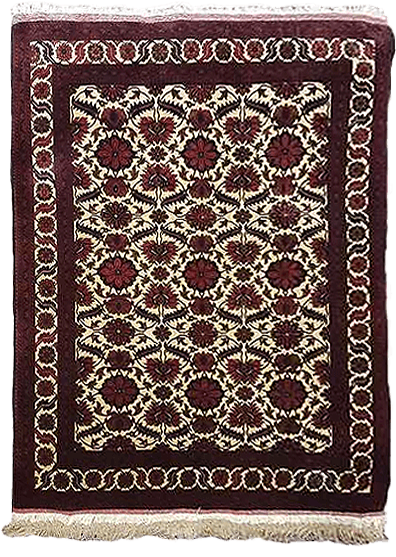
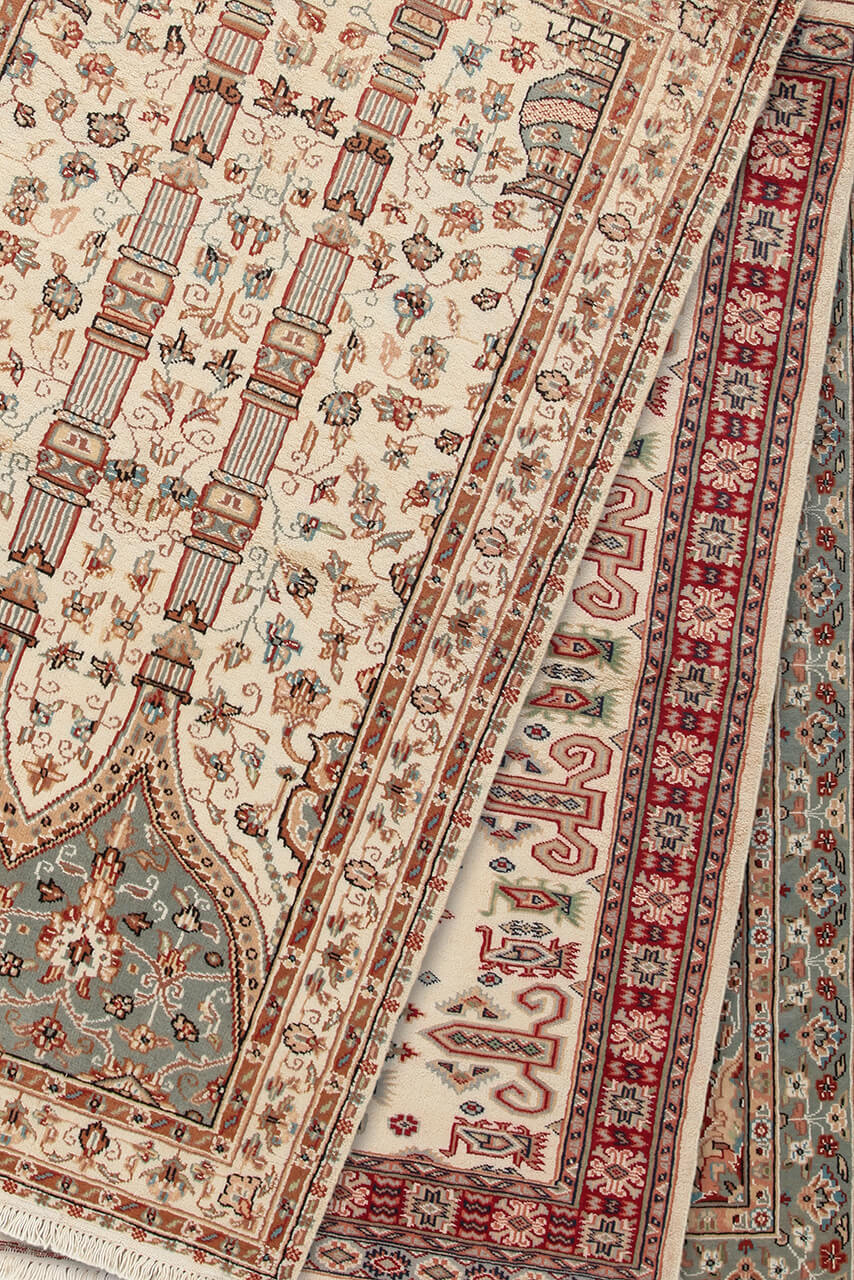
When categorising the patterns of “Persian rugs”, three main groups can be distinguished: geometric, floral or vine-based, and figurative designs.
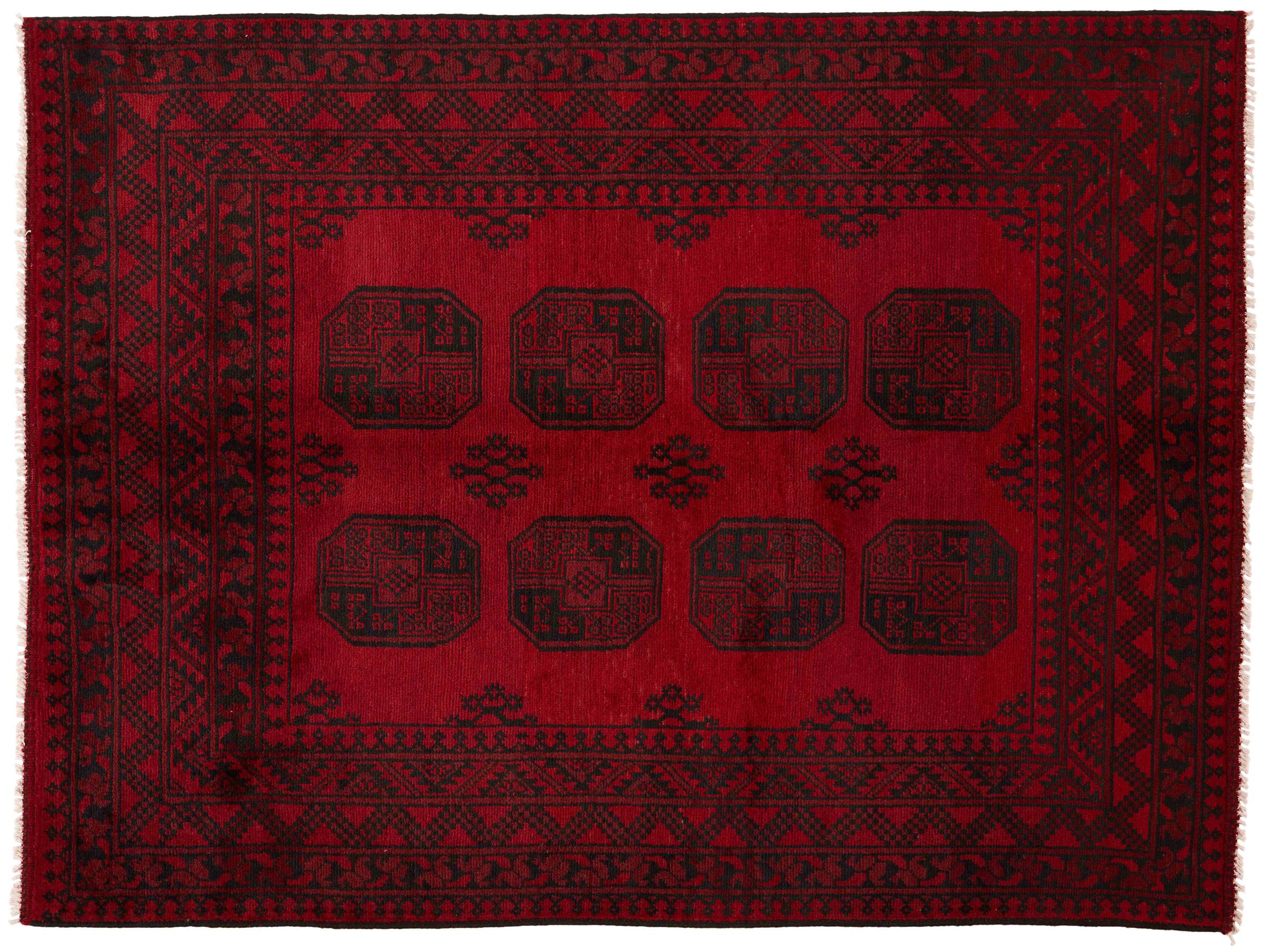
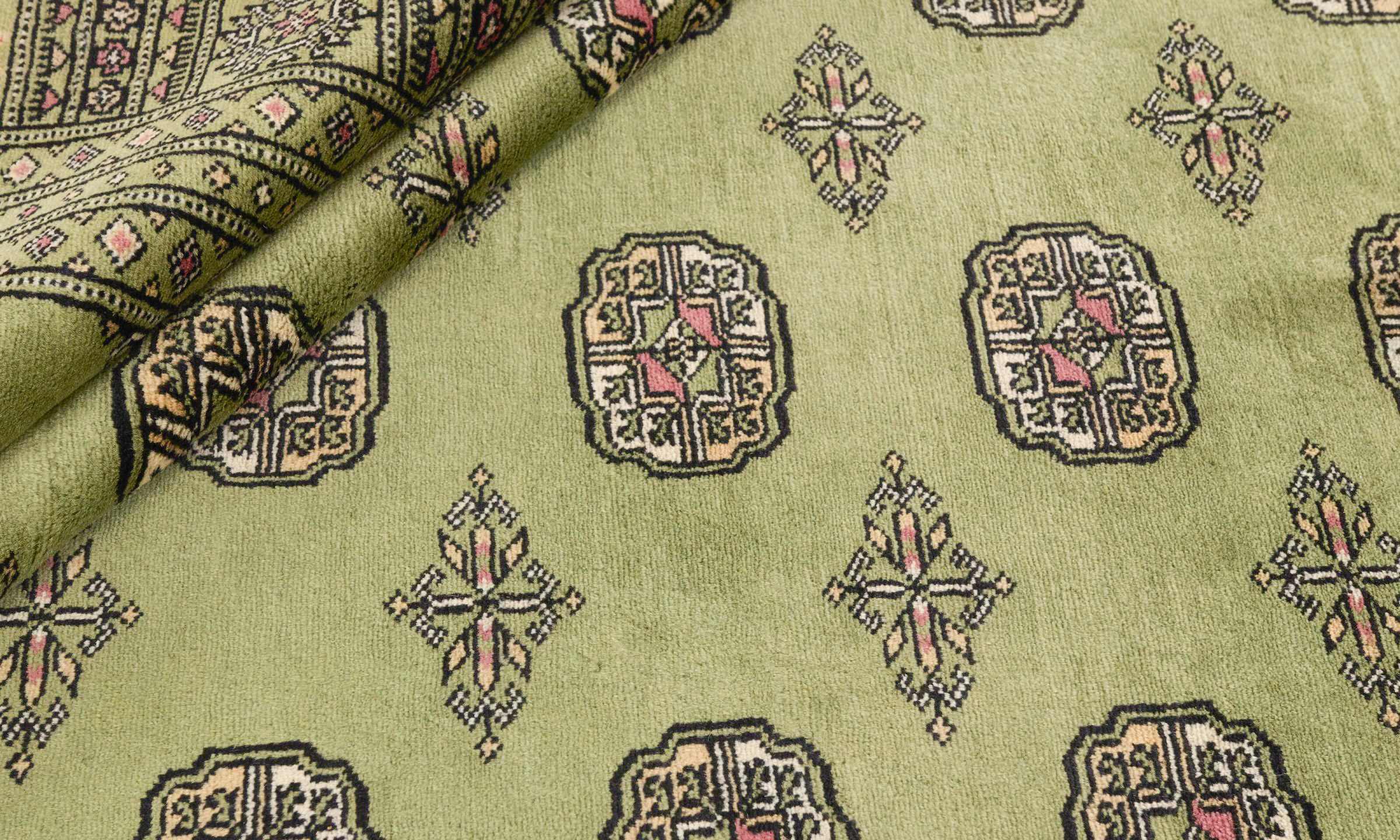
The image on the left shows a Herati rug, while the image on the right features the geometric motifs of an Afghan Bokhara rug. Geometric motifs appear in countless shapes and arrangements, limited only by imagination. At the same time, traditional rug-making regions often have their own characteristic motifs, colours and stylistic features, which can be recognised with some experience.
The Baluch rug shown here clearly displays the simpler lines and more restrained patterns typical of nomadic and village workshops.
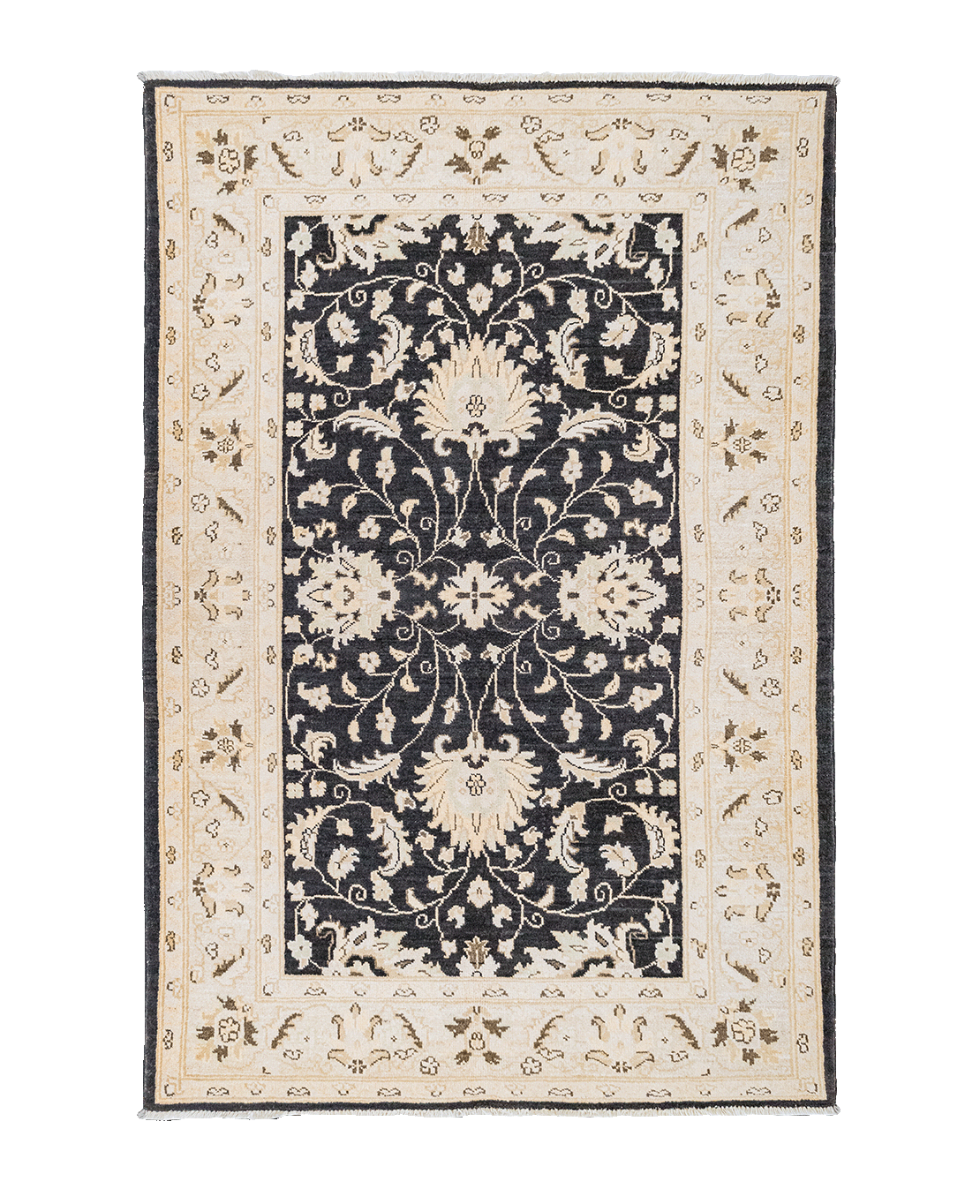
The differences between rural and urban styles become especially clear when a richly detailed city-made rug is placed beside it. A design may be built around one large central motif, or it may consist of several smaller elements or many tiny decorative details. In the Iranian Nain rugs shown above, we can see the contrast between a composition centred on one large motif and another featuring several smaller floral or vine-based motifs.
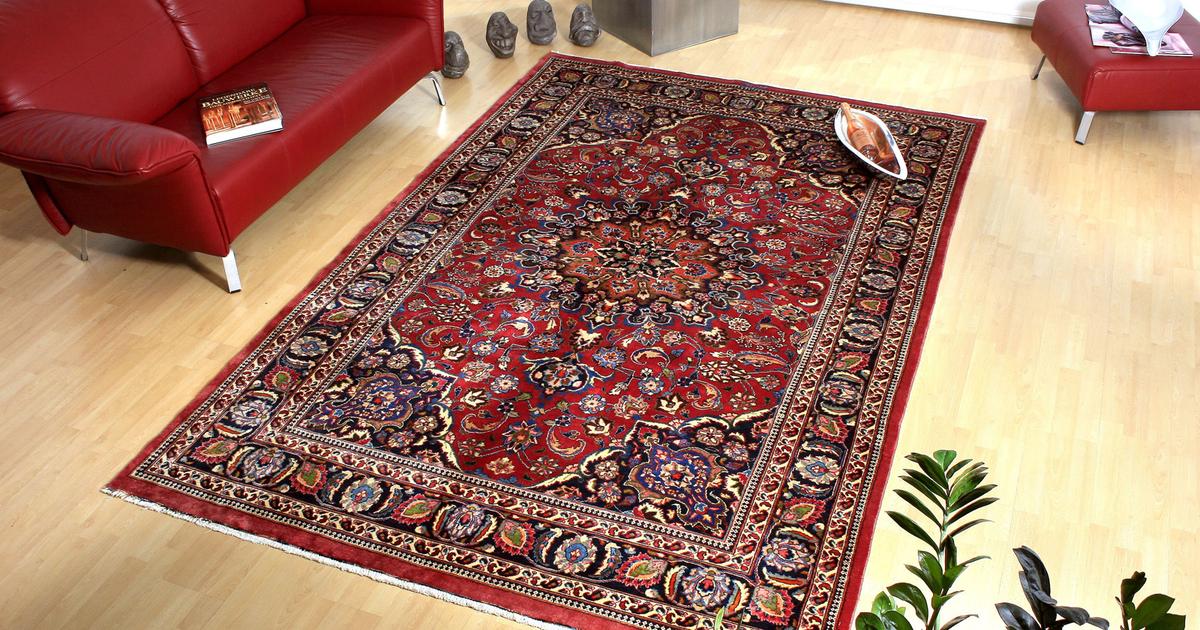
Beyond the classifications outlined above, motif placement can also be viewed from another perspective. Common arrangements include medallion designs, repeating patterns and compartment layouts made up of differently shaped fields. These categories often overlap, and many rugs combine repeating motifs with compartment designs and medallions.