Blog
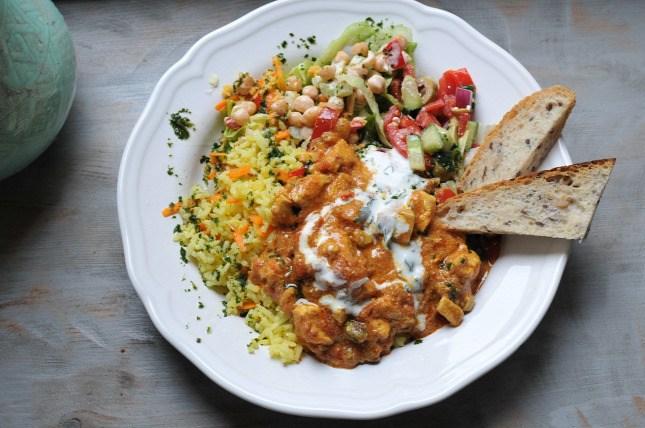
In Afghanistan, the land of the Afghans, one can almost still sense the presence of Darius and Alexander the Great. The people’s hospitality also evokes ancient times. Nomads may invite travellers into their tents, while city families and restaurants welcome guests just as warmly.
Written by Ildikó Eperjesi
Armed men once guarded the rocky passes of the high mountain ranges. They protected the country from the Russian Empire in the north and the British in the south. Afghanistan stood at the crossroads of key military and trade routes. Persia, India and the whole of Central Asia were easily accessible from there. Marco Polo reached the territory of present-day Afghanistan along the Silk Road. It was the most extensive trade network of the pre-modern world. He saw “brave warriors” and noted that the men wore “a piece of cloth ten palms long, wrapped around the head”. The famous Italian traveller also took time to praise Afghan melons.
Cooking and eating play an essential role in Afghan culture. Even an unexpected guest can expect a feast within moments. Families often serve food at a very low table, where everyone can sit or recline comfortably. No one leaves this table hungry. Every family takes pride in this, regardless of its financial situation.
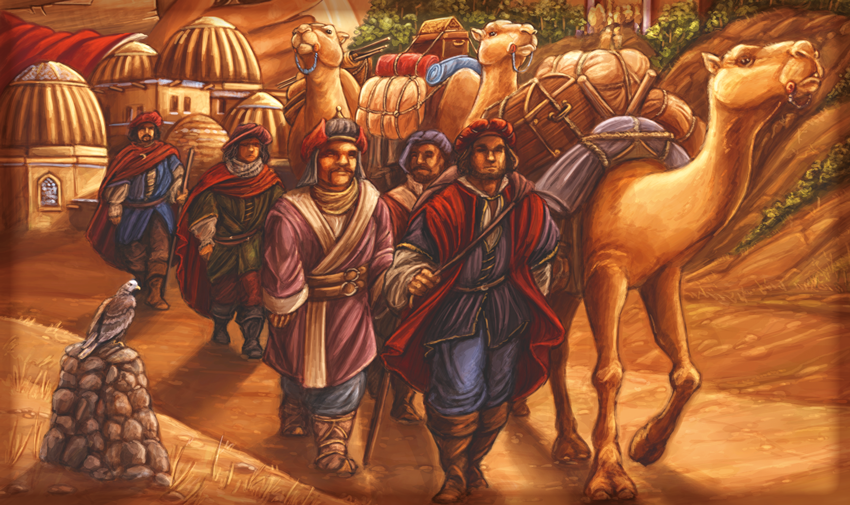
Families also often spread a large cloth on the floor and serve the meal on it. A younger family member carries around a copper basin and a jug of water. This allows everyone to wash their hands. Each person also receives soap and a cloth for drying. The serving cloth then fills with bread, spices and appetisers. Main dishes, salads, rice and fruit follow.
Afghan cuisine relies mainly on rice, wheat and other grains grown in the country. Afghan dishes resemble Mediterranean food. However, they often contain even more fruit, vegetables and nuts.
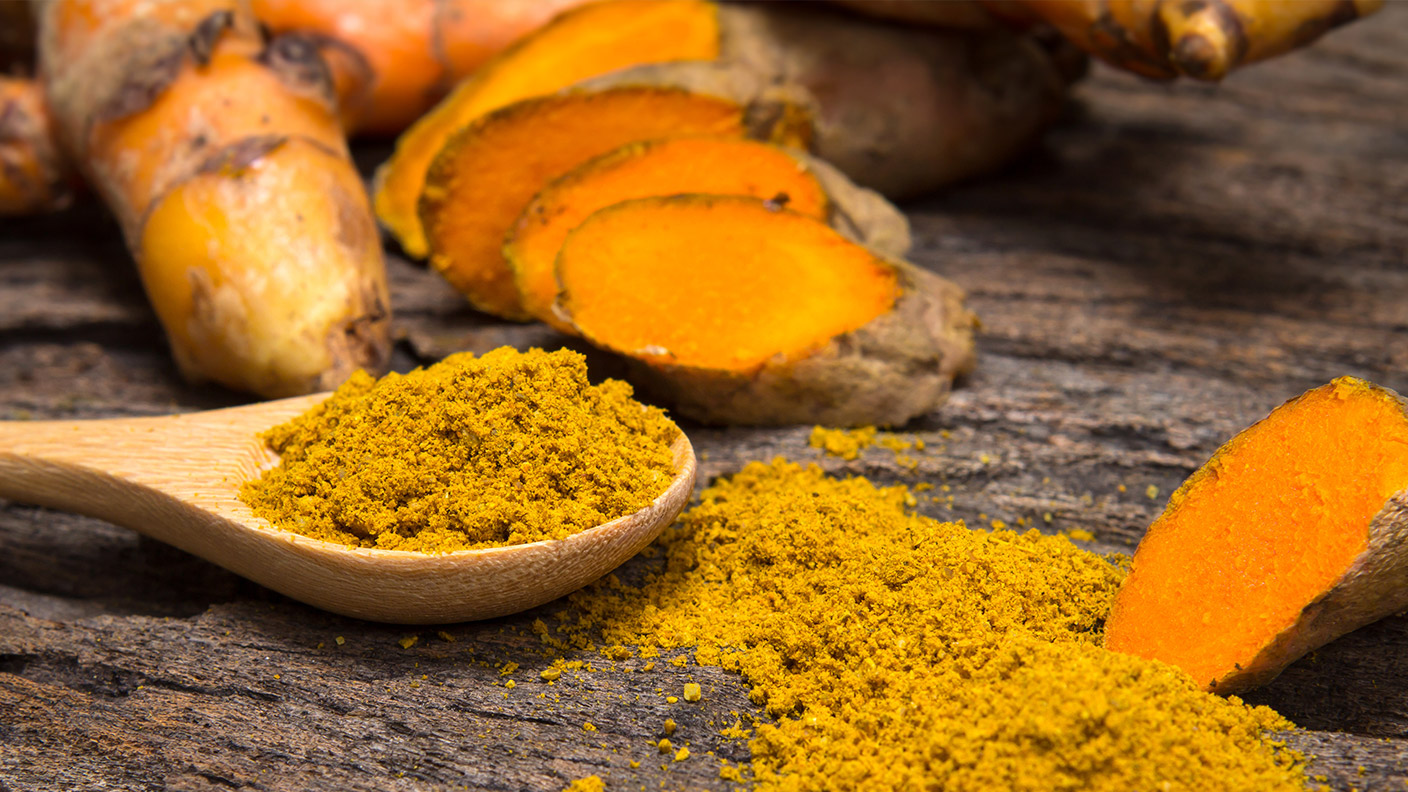
Key ingredients include coriander, cardamom, dried fruit, onions, garlic, grapes, mint, saffron, pomegranates, potatoes, tomatoes, cheese and yoghurt. Europeans should approach local yoghurt with care, as their stomachs may react differently from those of local people. Saffron may play an even greater role in the near future. Reports suggest that Afghan poppy growers receive encouragement to switch to saffron. It also commands a high price on the world market.
Lamb and chicken are the most popular meats in Afghanistan. People bake bread in large clay ovens. They eat three main types of bread. Nan is thin and oval, obinon is thick and round, while lavas is thin and crisp. The dish called 36+, made with yellow rice, lamb, carrots, saffron and raisins, represents the height of Afghan cuisine. People also regard it as a national dish. They serve it only to special guests and on important occasions, such as weddings. Letit is offered to new mothers because it is easy to digest and highly nutritious. Doh contains cucumber and mint and provides refreshment on hot summer days. People eat mehit at New Year, during Novroz.
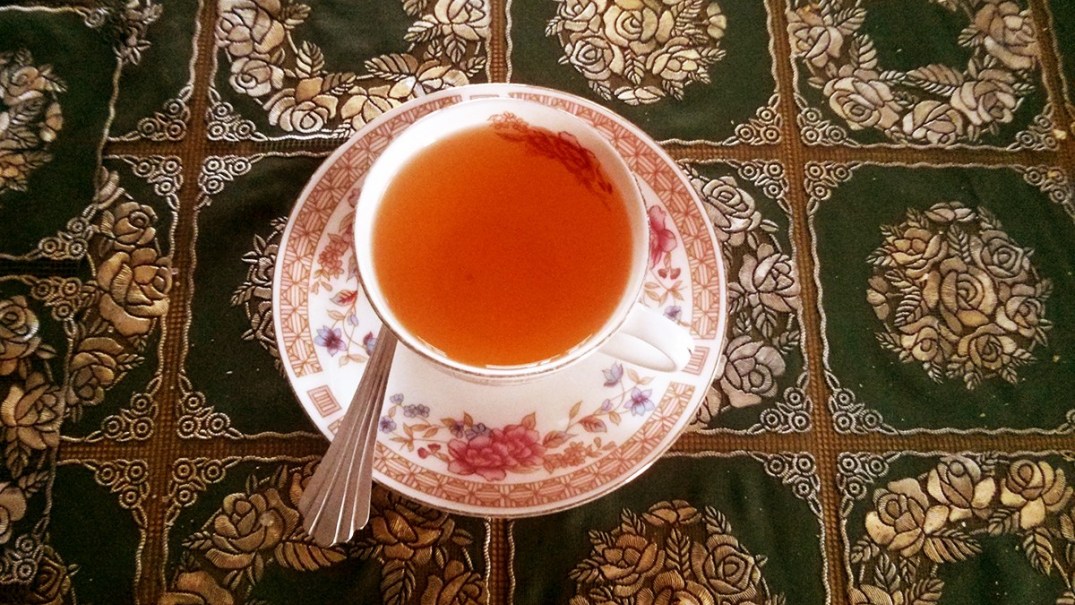
In keeping with Muslim traditions, people do not serve alcohol. Instead, Afghans drink chai, or tea, including in tea houses. However, Afghan cooks do not follow rigid recipes. Each person adjusts the amount of every ingredient according to taste. As a result, the same dish may taste very different from one place to another. Creativity forms an essential part of Afghan cooking culture.