Chapters from the true history of oriental rugs V

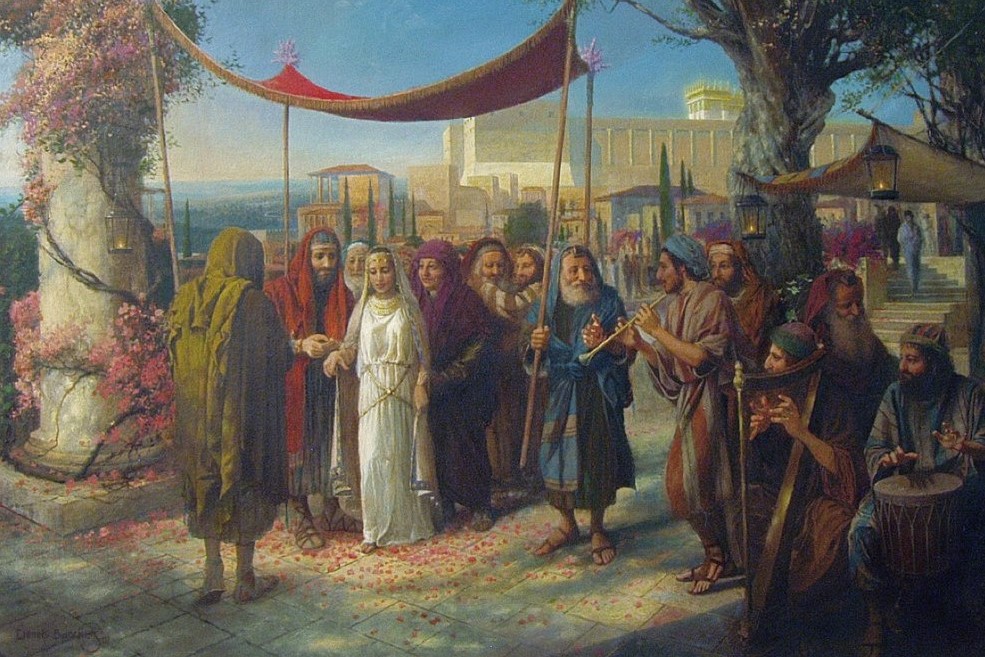
Countless legends reveal the special place rugs hold in the hearts of the Persian people. According to one tale, a Persian nobleman hunted gazelles in a forest many centuries ago. A sudden storm forced him to seek shelter in a farmer’s home. During his stay, he fell in love with the farmer’s daughter. Before leaving, he asked for her hand in marriage. Despite the nobleman’s high status, the farmer set one condition. He would only bless the marriage if the man first learned a trade. After returning home, the nobleman asked the court weavers to teach him everything they knew. He mastered the art of rug weaving and won the young woman’s hand in marriage.

Countless legends show how deeply rugs are woven into the hearts of the Persian people.

According to one tale, a Persian nobleman went hunting for gazelles in the forest many centuries ago. A sudden storm forced him to seek shelter in a farmer’s home. During his stay, he fell in love with the farmer’s daughter.

Before leaving, he asked for her hand in marriage. Despite the guest’s noble birth, the farmer set one condition. He would only bless the marriage if the man first learned a trade.

When the nobleman returned home, he asked the court weavers to teach him everything they knew. In this way, he mastered the art of rug weaving and won the young woman’s hand.
5F4076AC-369C-4DA0-9D14-7CA4F7BFACA0_1024x1024

Even today, families in rural areas often want proof that a future bride will become a capable homemaker. During marriage negotiations, the bride’s father presents the rug she made for her dowry. He highlights its technical skill and artistic value. In doing so, he also points to his daughter’s character. The rug therefore serves as a kind of marriage diploma.

After the wedding, the young woman spends much of her first few years making rugs for her home and children. Layered rugs form the bed. A rug spread on the floor can serve as a table. Families also use them to make cushions and sacks.
maxresdefault

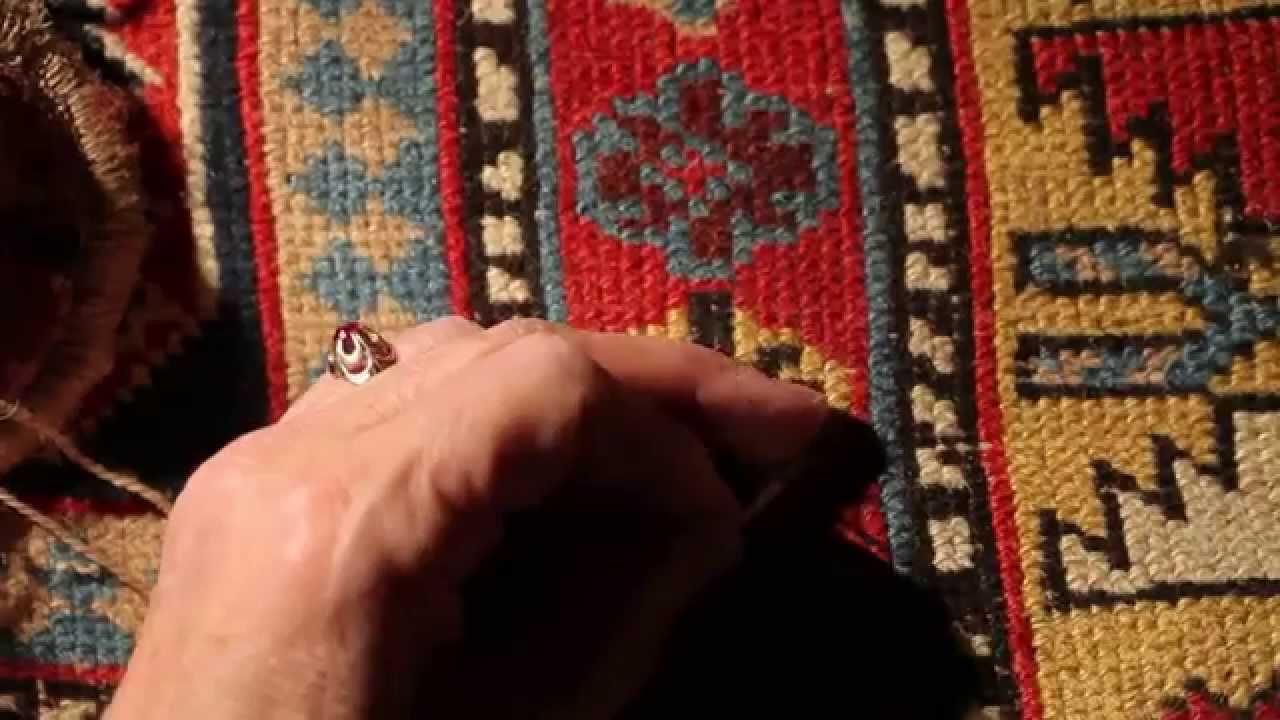
In tribal communities and villages, children begin helping with rug making from the age of four. By six, they have already learnt the craft from their mothers. They help prepare the loom and start work on their first small rug.

Europeans often view this early start negatively. In the East, however, people see it as part of the learning process. As an artistic education, learning to make rugs differs little from a European child taking piano lessons or attending dance classes.

Source: Kunvári Antal
Former member of staff at Kabiri Carpet
Szeretne elsőként értesülni a legújabb híreinkről és linformációinkról?

Cikkeink hasonló témában

Aktscha rugs – Warm-toned classics of Turkmen tradition

Aktscha rugs are a living expression of Turkmen nomadic traditions, with every knot carrying the heritage of Central Asian rug culture. Their deep red ground and traditional gul motifs create a bold yet harmonious visual character. Each piece brings individuality and a sense of history into the home.

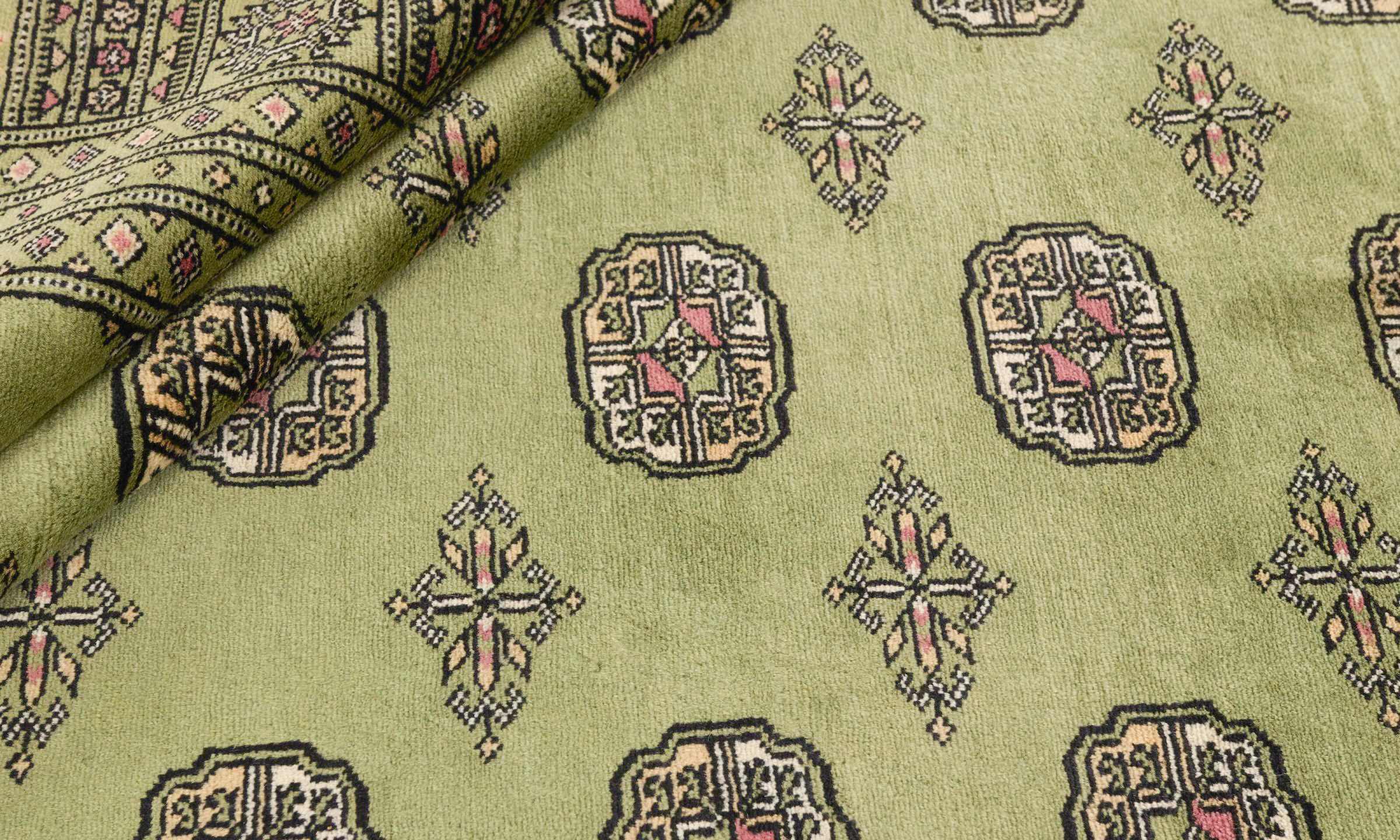
2-ply and 3-ply Pakistani rugs – Soft wool and harmonious oriental patterns

These rugs carry forward the refined legacy of Central Asian nomadic traditions, where the orderly simplicity of Tekke and Bokhara patterns meets Pakistani craftsmanship. Their warm colours and soft wool create a cosy, balanced atmosphere.

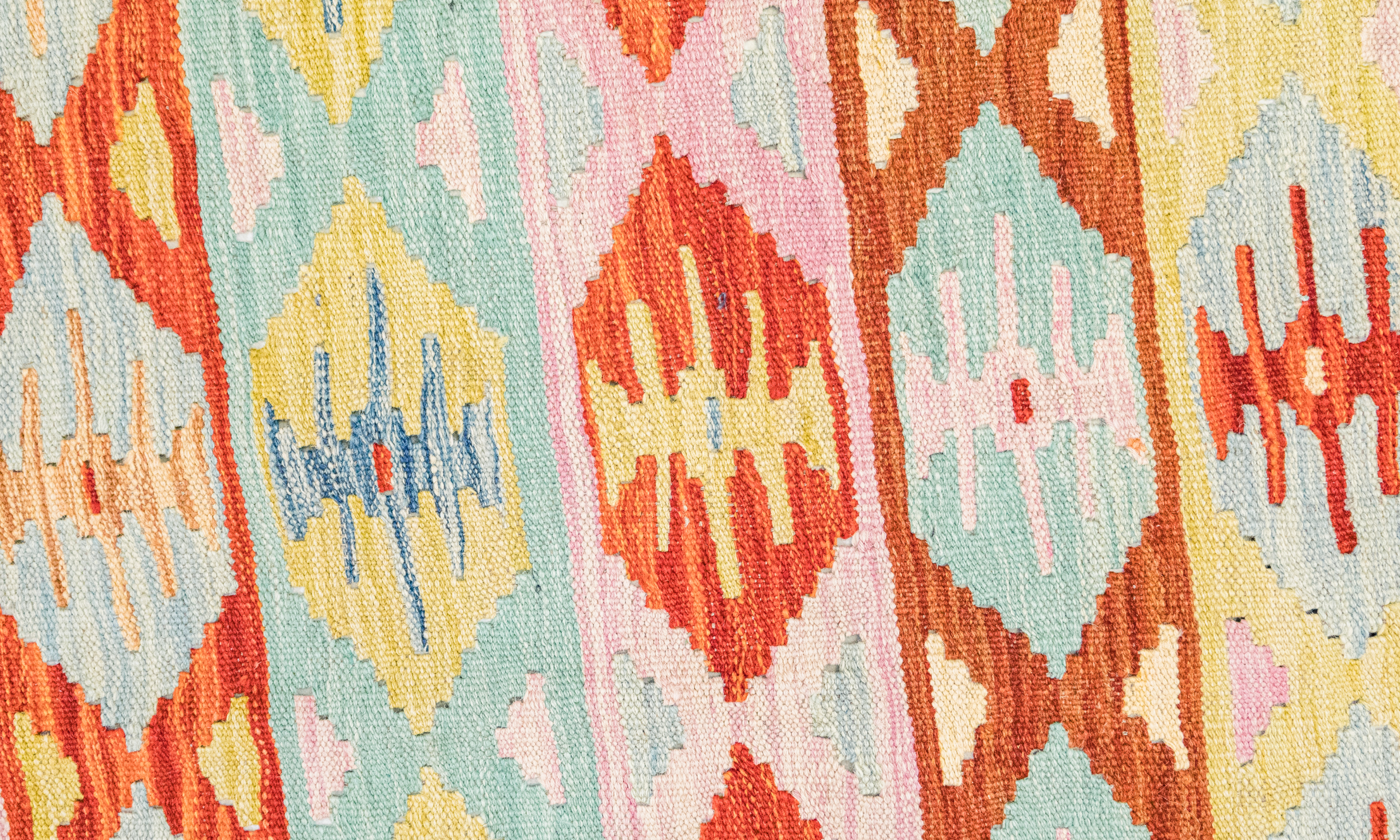
Afghan kilim rugs – Ancient nomadic weaving traditions in modern homes

Afghan kilim rugs represent one of the oldest forms of Eastern nomadic weaving tradition, featuring a flat, reversible construction and geometric patterns. Durable and easy to use, their natural materials make them a timeless choice for both modern and classic interiors.

Ezek érdekelhetnek még

Ez is érdekes lehet

Year-end interview 2019

×
×

Cart