Chapters from the true history of oriental rugs V

Countless legends reveal the special place rugs hold in the hearts of the Persian people. According to one tale, a Persian nobleman hunted gazelles in a forest many centuries ago. A sudden storm forced him to seek shelter in a farmer’s home. During his stay, he fell in love with the farmer’s daughter. Before leaving, he asked for her hand in marriage. Despite the nobleman’s high status, the farmer set one condition. He would only bless the marriage if the man first learned a trade. After returning home, the nobleman asked the court weavers to teach him everything they knew. He mastered the art of rug weaving and won the young woman’s hand in marriage.

Countless legends show how deeply rugs are woven into the hearts of the Persian people.

According to one tale, a Persian nobleman went hunting for gazelles in the forest many centuries ago. A sudden storm forced him to seek shelter in a farmer’s home. During his stay, he fell in love with the farmer’s daughter.

Before leaving, he asked for her hand in marriage. Despite the guest’s noble birth, the farmer set one condition. He would only bless the marriage if the man first learned a trade.

When the nobleman returned home, he asked the court weavers to teach him everything they knew. In this way, he mastered the art of rug weaving and won the young woman’s hand.
5F4076AC-369C-4DA0-9D14-7CA4F7BFACA0_1024x1024

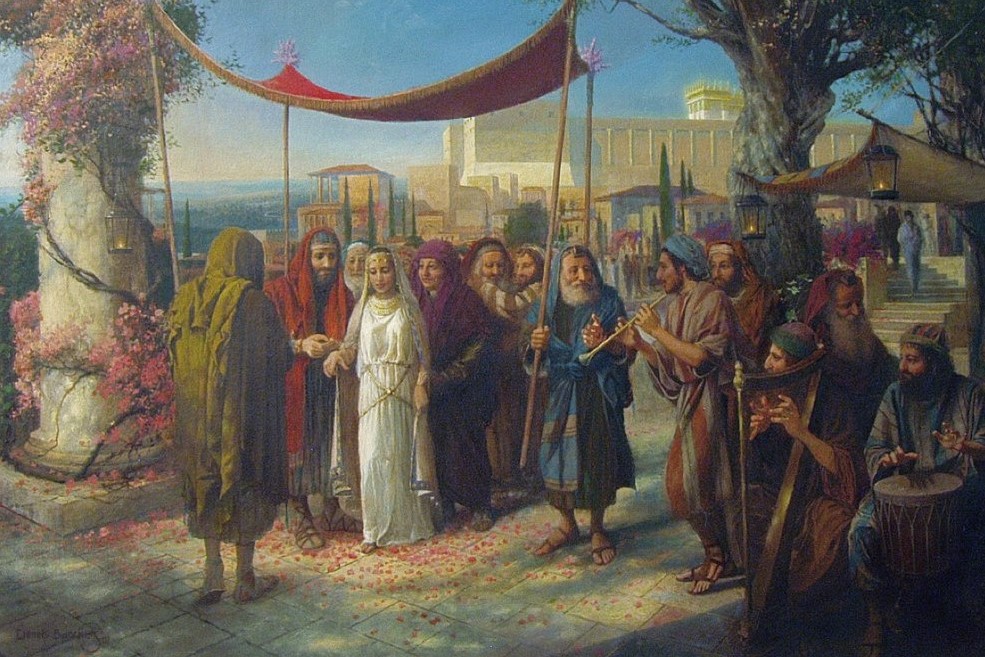
Even today, families in rural areas often want proof that a future bride will become a capable homemaker. During marriage negotiations, the bride’s father presents the rug she made for her dowry. He highlights its technical skill and artistic value. In doing so, he also points to his daughter’s character. The rug therefore serves as a kind of marriage diploma.

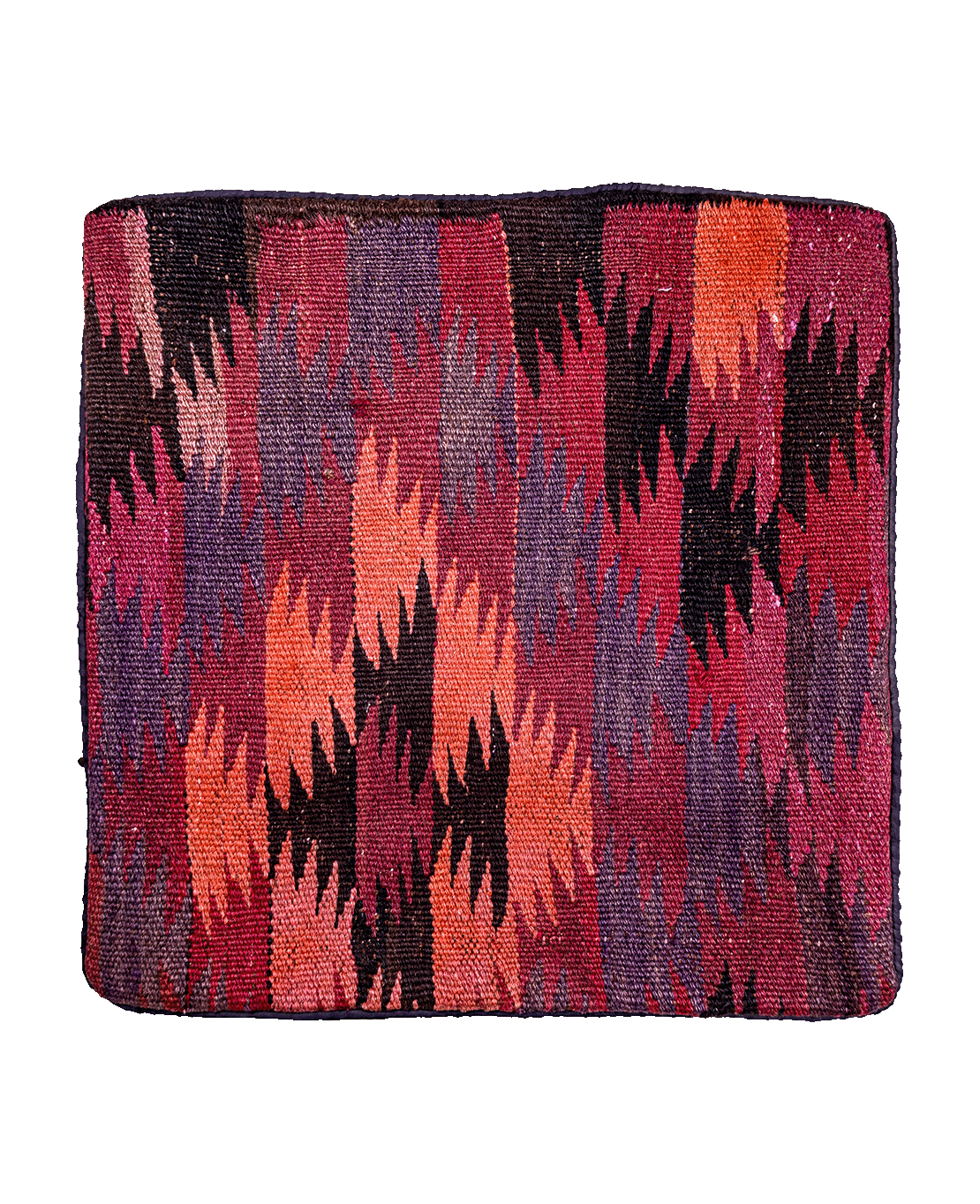
After the wedding, the young woman spends much of her first few years making rugs for her home and children. Layered rugs form the bed. A rug spread on the floor can serve as a table. Families also use them to make cushions and sacks.
maxresdefault

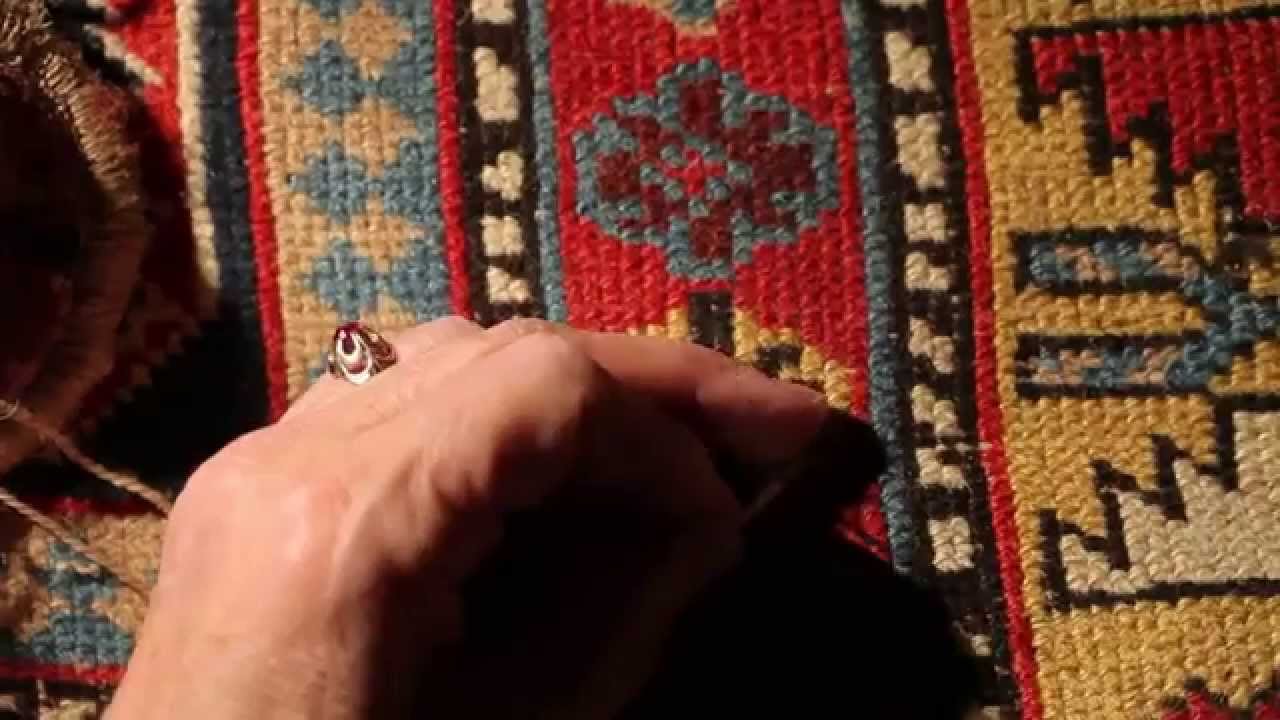
In tribal communities and villages, children begin helping with rug making from the age of four. By six, they have already learnt the craft from their mothers. They help prepare the loom and start work on their first small rug.

Europeans often view this early start negatively. In the East, however, people see it as part of the learning process. As an artistic education, learning to make rugs differs little from a European child taking piano lessons or attending dance classes.

Source: Kunvári Antal
Former member of staff at Kabiri Carpet
Szeretne elsőként értesülni a legújabb híreinkről és linformációinkról?

Cikkeink hasonló témában

Contrast in interior design: a play of light, texture and form

Contrast brings depth and character to interior design through carefully chosen opposites, from light and dark tones to old and new pieces or contrasting textures. Discover how to combine colours, shapes and surfaces so that a statement rug or another standout feature truly shines.

A harmonious colour palette for your home: the role of base, secondary and accent colours

A harmonious home colour palette combines a carefully chosen base colour, a secondary colour and an accent colour to give a room its character. Discover how room orientation and natural light affect the way we perceive colour, along with simple ways to preserve the original colours of your rugs for years to come.

More Space in a Compact Home: Practical Decorating Ideas for Smaller Apartments

A smaller apartment can feel airier and more open with a few thoughtful decorating choices. A well-sized rug, layered lighting, mirrors, multifunctional furniture and zones without walls can all help a compact home feel more practical and harmonious.

Ezek érdekelhetnek még

Ez is érdekes lehet

The meaning of the main colours

×
×

Cart