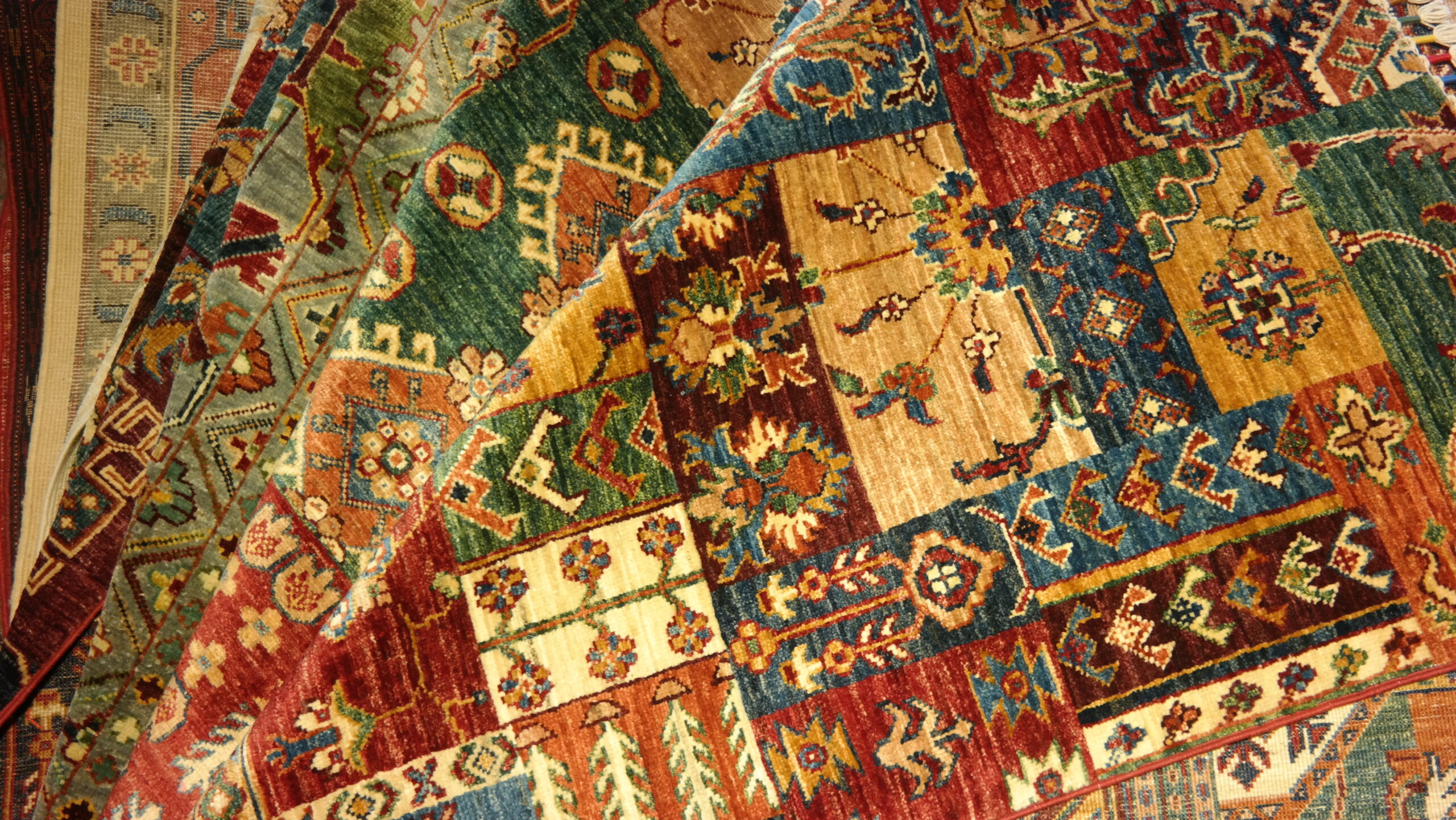
Discover the fascinating story of Ziegler rugs: how Persian masterpieces became world-famous, timeless works of art, and how the captivating patchwork style was born!
The history of Ziegler rugs dates back to the 17th century. They were first made in the city of Smyrna and became widespread across Europe under the Ziegler name during the Victorian era in the 19th century.
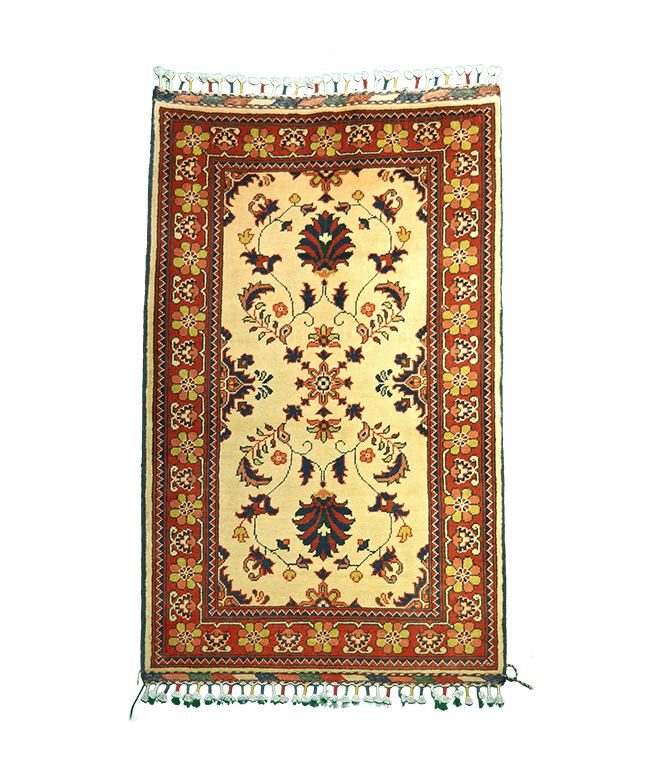
A merchant named Ziegler admired many beautiful rugs in aristocratic circles. After recognising their distinctive appeal, he commissioned skilled Persian artisans to create floral rugs for the European market in soft pastel colours, sometimes with a gently distressed appearance. The aim was to bridge the classical and modern worlds. Over time, the rug style that inherited the Ziegler name also became popular among the middle classes.
During the 20th century, this type was produced in collaboration between the United States and Afghan artisans in Ghazni Province and the region of Akça in northern Afghanistan. Afghan Ziegler rugs made in Ghazni are exceptionally fine and densely knotted, while those from Akça are also of good quality but have a lower knot density.
Chobi Ziegler – approx. 160,000 knots/m²
Super Chobi Ziegler – approx. 220,000 knots/m²
Their materials have remained unchanged for centuries: wool for the pile and cotton for the warp. They are traditionally coloured with natural plant-based dyes. Their knot density is usually around 160,000 knots per square metre, while finer examples can reach between 220,000 and 300,000 knots per square metre.
Demand for Ziegler rugs, long popular throughout Europe, has remained strong for centuries and continues to grow, while they are also enjoying a golden age in the United States.
As time moves forward, products continue to evolve, and the world of rugs is no exception. In recent years, patchwork designs have emerged as a new style. Twenty-first-century designers began hand-stitching together intact sections of old, worn antique rugs, creating renewed pieces with a striking and distinctive character.
Interior designers in Milan, Italy, were among the first to recognise the beauty of this approach. Over time, patchwork developed into a style and visual language of its own, recreating the appearance and overall effect of rugs assembled from several different fragments.
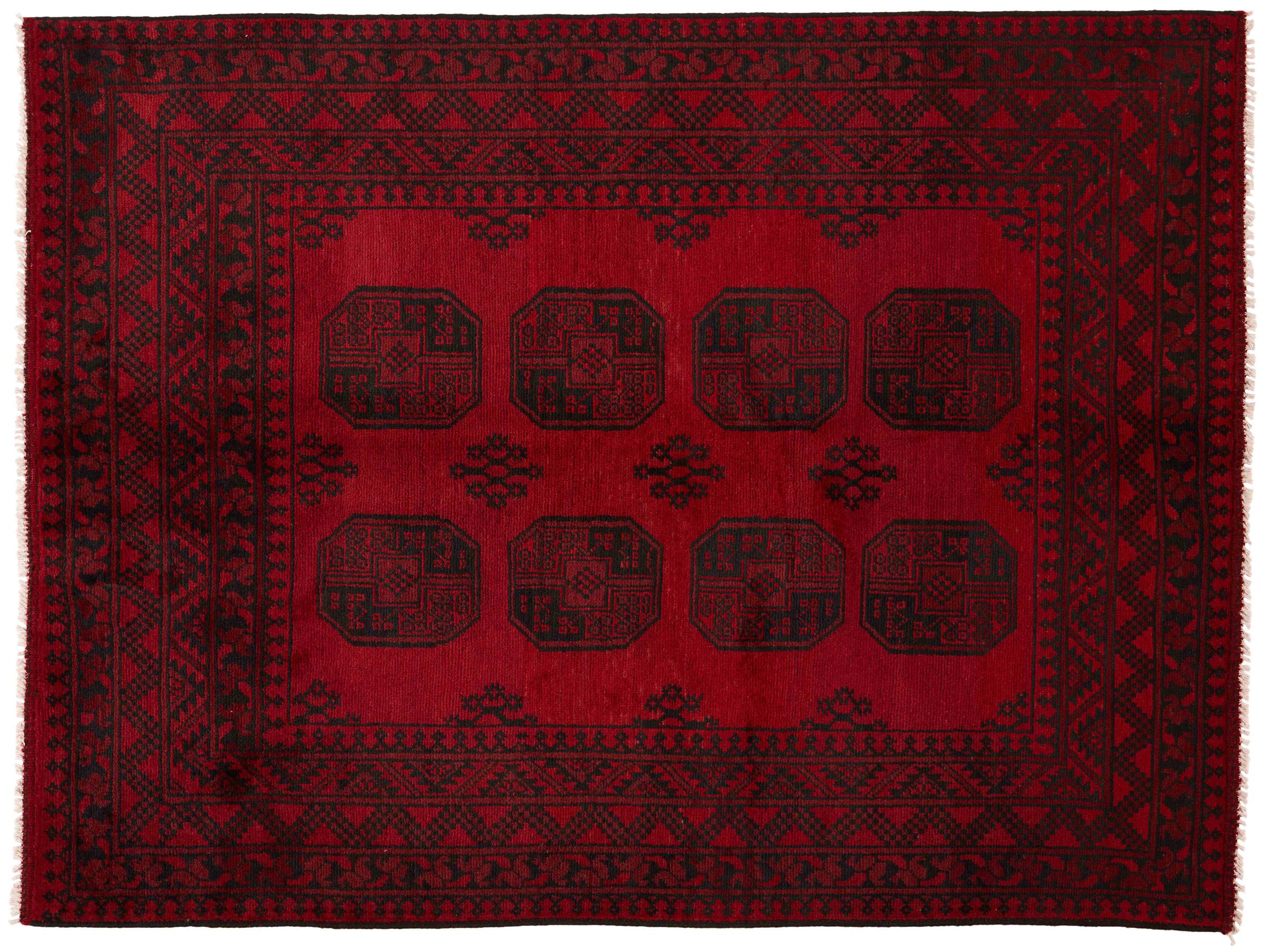
Aktscha rugs – Warm-toned classics of Turkmen tradition
Aktscha rugs are a living expression of Turkmen nomadic traditions, with every knot carrying the heritage of Central Asian rug culture. Their deep red ground and traditional gul motifs create a bold yet harmonious visual character. Each piece brings individuality and a sense of history into the home.
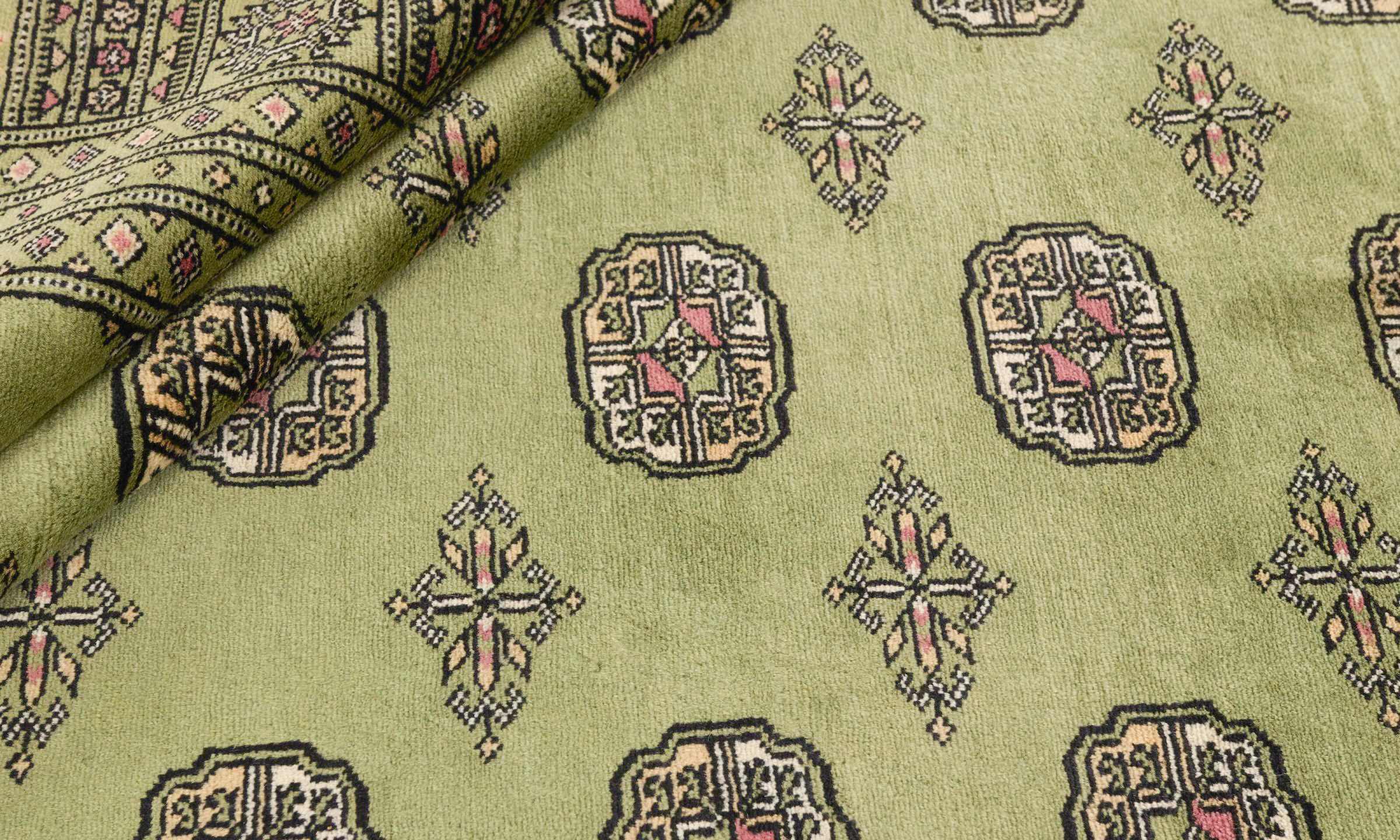
2-ply and 3-ply Pakistani rugs – Soft wool and harmonious oriental patterns
These rugs carry forward the refined legacy of Central Asian nomadic traditions, where the orderly simplicity of Tekke and Bokhara patterns meets Pakistani craftsmanship. Their warm colours and soft wool create a cosy, balanced atmosphere.
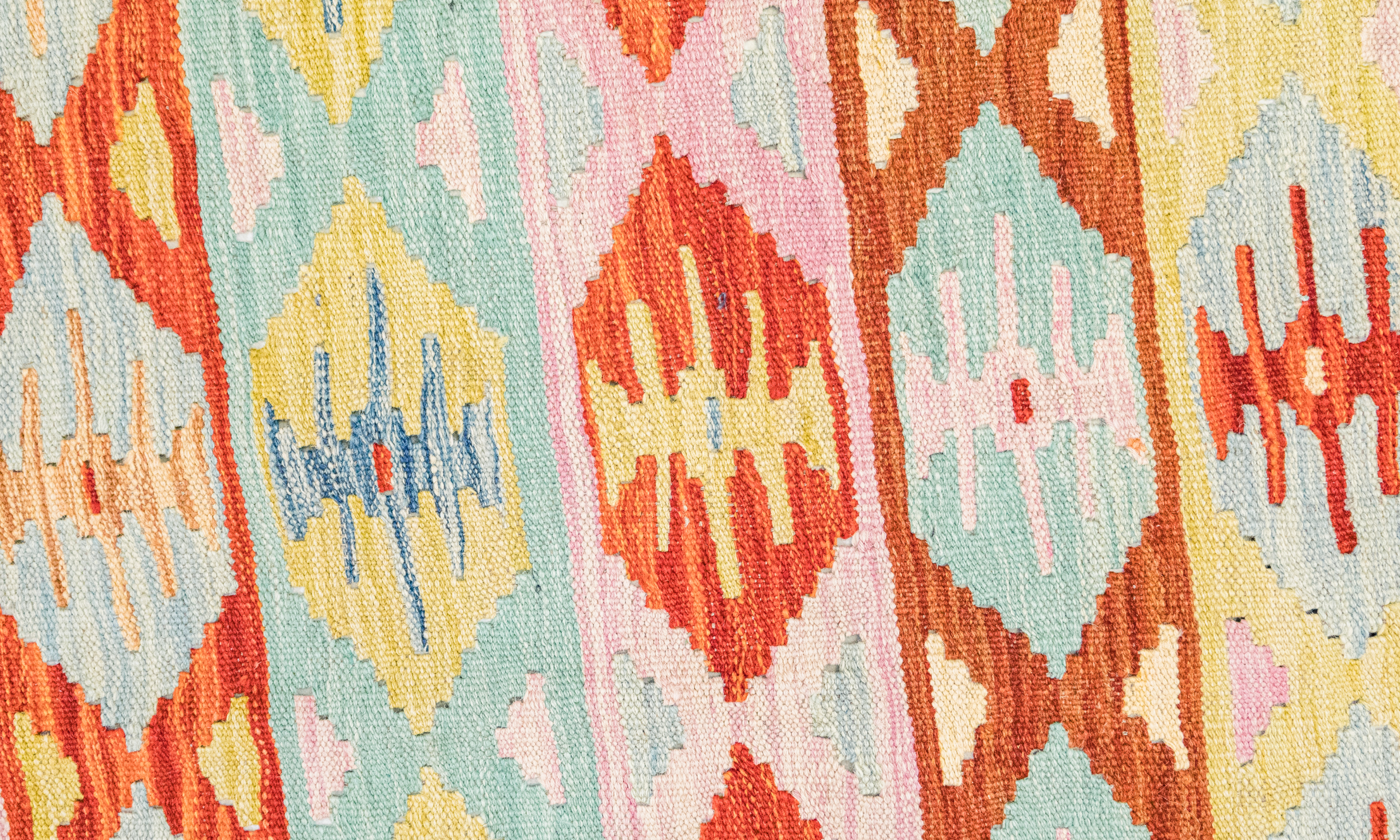
Afghan kilim rugs – Ancient nomadic weaving traditions in modern homes
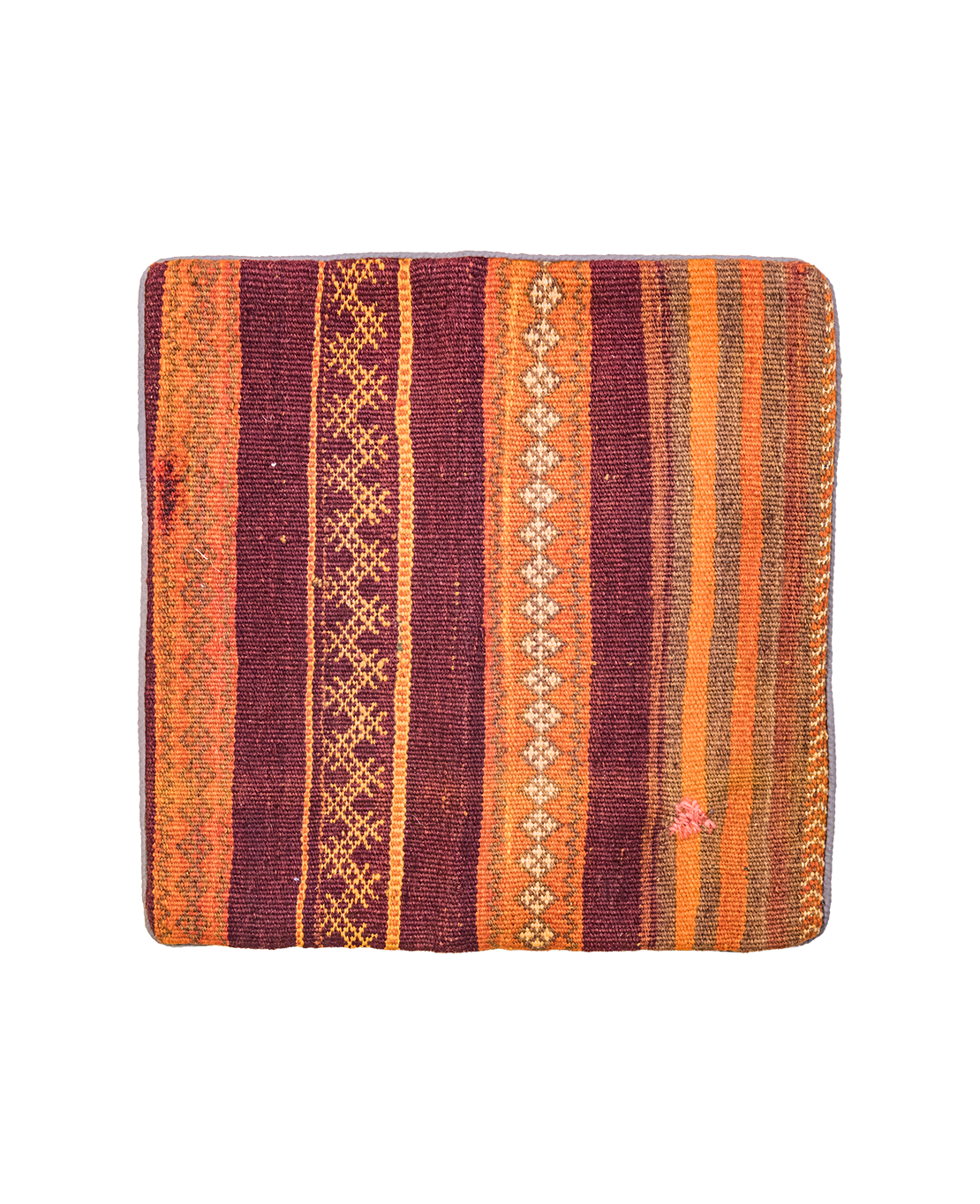
Afghan kilim rugs represent one of the oldest forms of Eastern nomadic weaving tradition, featuring a flat, reversible construction and geometric patterns. Durable and easy to use, their natural materials make them a timeless choice for both modern and classic interiors.